
Main Courses
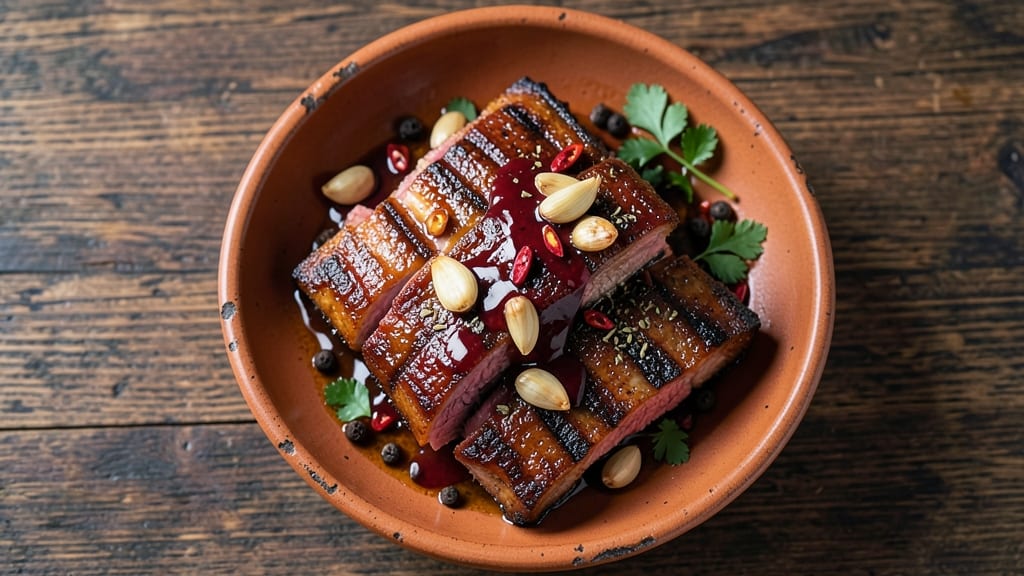
Argentinian beef ribs deliver melt-in-your-mouth tenderness with a bold chimichurri crust that transforms every bite. The secret lies in slow-cooked meat infused with garlic, oregano, and red pepper—flavors that define Argentina's asado tradition. This recipe balances rich, smoky depth with bright, herby notes, ensuring restaurant-quality results at home.
What sets these ribs apart is the two-stage cooking process: first marinating in a garlic-oregano blend, then finishing with chimichurri for that signature crust. You'll need about 3 hours total time, but the hands-off approach makes it perfect for weekend cooking.
The ribs emerge with caramelized edges and perfectly tender cores, ready to be sliced against the grain for maximum juiciness.
Pair these ribs with classic Argentinian sides like grilled vegetables, crusty bread, and extra chimichurri for dipping. The combination of smoky meat, bright sauce, and fresh accompaniments creates a meal that feels both celebratory and comforting.
This is the kind of dish that makes your kitchen smell like a Buenos Aires parrilla.
For best results, use bone-in ribs for maximum flavor, and don't skip the chimichurri—it's what transforms good ribs into unforgettable ones. The technique is straightforward, but the flavors are anything but ordinary. Let's get started on creating ribs that will have everyone asking for seconds.
Ingredients for argentinian beef ribs
Argentinian ribs need bold flavors and tender meat—here's what brings the asado magic home.
| Ingredient | Amount | Notes |
|---|---|---|
| Argentinian Beef Ribs 🥩 | 2 ½ lb | Bone-in, well-marbled, cut into 2-inch pieces |
| Garlic Cloves 🧄 | 8 cloves | Fresh, peeled, smashed for marinade |
| Dried Oregano 🌿 | 1 tbsp | Mexican oregano preferred for authenticity |
| Red Wine Vinegar 🍷 | ¼ cup | Dry, full-bodied variety |
| Olive Oil 🫒 | ½ cup | Extra-virgin, fruity, for marinade |
| Fresh Red Pepper Flakes 🌶️ | 1 tbsp | Adjust for heat preference |
| Salt 🧂 | 1 ½ tsp | Diamond Crystal kosher salt |
| Fresh Parsley Leaves 🌿 | 1 cup | Packed, stems removed for chimichurri |
| Fresh Cilantro Leaves 🌱 | ½ cup | Packed, stems removed for chimichurri |
| Lemon Juice 🍋 | ¼ cup | Freshly squeezed, for chimichurri |
| Extra-Virgin Olive Oil 🫒 | ¾ cup | High-quality, for chimichurri |
| Ground Black Pepper 🌶️ | ½ tsp | Freshly cracked for chimichurri |
| Wooden Skewers 🔥 | 4 whole | Soaked in water for 30 minutes |
| Fresh Rosemary Sprigs 🌿 | 4 whole | For garnish and aroma |
The ribs make or break this dish. Look for bone-in, well-marbled cuts from the meat counter—ask for Argentinian-style ribs if your butcher has them. Costco or Whole Foods often carry the best quality in the U.S., but any reputable butcher will do. The marbling is what gives those juicy cores, so don't skimp. If you can't find Argentinian ribs, beef short ribs work in a pinch (trim excess fat). For the marinade, Mexican oregano has a distinct flavor—worth hunting down at Latin markets or bulk spice shops like Penzeys.
No red wine vinegar? Apple cider vinegar works, but it'll taste slightly different. Fresh herbs are non-negotiable—dried oregano at half the amount won't cut it for chimichurri. The red pepper flakes can be swapped for crushed dried ancho chile if you want smokiness instead of heat. For the chimichurri, Trader Joe's sells pre-washed herbs in bags, which saves time. If you're making a big batch, double the chimichurri recipe—it's perfect for dipping and topping grilled veggies later. The wood skewers? Soak them for at least 30 minutes to prevent burning.
Marinate the ribs overnight for maximum flavor—they keep 3 days in the fridge covered tightly. The chimichurri stays fresh for 5 days if you keep it submerged in olive oil. For leftovers, reheat ribs in a 300°F oven with extra chimichurri until warmed through. I always make extra chimichurri—it's great on toast with olive oil or tossed with roasted potatoes. Store chimichurri in a glass jar with a tight lid to preserve its vibrant color.
Why You'll Love This Recipe
- No-Fuss Marinade: The ribs soak up that red wine vinegar and garlic like a dream—just 15 minutes overnight (or even 30 in the morning while you coffee). No fancy techniques, no stress.
- Tangy-Savory Magic: That vinegar cut through the richness, while the oregano and garlic add this unexpected depth—like a steakhouse bite but with way less effort. My kids ask for it more than pizza now.
- Weeknight to Party: Same recipe feeds two for dinner or ten for a BBQ—just adjust the ribs. I’ve served it at game nights (it’s hearty) and potlucks (it’s the dish people go back for).
- Leftovers That Don’t Suck: These ribs stay tender for days, so I meal prep them for lunches or freeze half. Honestly, the second day is even better—the flavors meld into this smoky, garlicky perfection.
Step-by-step instructions for Argentinian beef ribs with chimichurri
This method delivers melt-in-your-mouth tenderness with a vibrant chimichurri crust that'll make your ribs unforgettable.
Marinate the Ribs for Maximum Flavor
In a large bowl, combine the 0.5 cup olive oil, 0.25 cup red wine vinegar, 1 tbsp dried oregano, 1 tbsp fresh red pepper flakes, and 1.5 tsp salt. Whisk until the salt dissolves completely—this ensures even distribution throughout the marinade. The mixture should be emulsified but still have a slightly textured quality.
Add the 2.5 lb Argentinian beef ribs to the marinade, turning them to coat all surfaces. Place the bowl in the refrigerator and let the ribs marinate for at least 4 hours, or overnight for deeper flavor penetration. The acid in the vinegar will begin breaking down the meat fibers, while the oregano and red pepper flakes infuse the beef with authentic Argentine character. Don't skip this step—it's what transforms good ribs into extraordinary ones.
Prepare the Chimichurri Sauce
While the ribs marinate, combine the 1 cup fresh parsley leaves, 0.5 cup fresh cilantro leaves, 0.25 cup lemon juice, 0.75 cup extra-virgin olive oil, 0.5 tsp ground black pepper, and 8 cloves garlic cloves (smashed) in a food processor. Pulse until the herbs are finely chopped but not completely pureed—you want texture, not a smooth paste.
Transfer the chimichurri to a bowl and let it sit at room temperature for 15 minutes before using. This resting period allows the flavors to meld together. The sauce should have a vibrant green color and a bright, herby aroma. If it seems too thick, add 1-2 tablespoons of water to reach your desired consistency—it should coat the back of a spoon but still maintain some body.
Grill the Ribs to Juicy Perfection
Preheat your grill to medium-high heat (about 375°F). Remove the ribs from the marinade, allowing any excess to drip off, and thread them onto the 4 soaked wooden skewers (if using). Grill the ribs for 12-15 minutes per side, turning occasionally, until they reach an internal temperature of 145°F for medium-rare or 160°F for medium.
The key here is patience—you want the ribs to develop a beautiful sear on the outside while remaining tender on the inside. Watch for grill marks that turn from pink to deep brown, and resist the urge to press down on the meat with a spatula. This ensures the juices stay locked inside, giving you that melt-in-your-mouth texture you're after. If the grill flames up too much, move the ribs to a cooler part of the grill or reduce the heat slightly.
Rest and Finish with Chimichurri
Once the ribs reach your desired temperature, transfer them to a cutting board and let them rest for 10 minutes. This resting period is crucial—it allows the juices to redistribute throughout the meat, preventing them from pooling and running out when you cut. During this time, brush the ribs generously with the chimichurri sauce, making sure to coat all sides evenly.
Slice the ribs against the grain into 1-inch thick pieces and serve immediately. The chimichurri will have softened slightly from the heat, creating a perfect balance of fresh, herby brightness against the rich, smoky ribs. Garnish with the 4 whole fresh rosemary sprigs for an aromatic finishing touch. Each bite should deliver a perfect harmony of juicy beef, crispy edges, and vibrant chimichurri—this is what makes these ribs truly special.
Pro Tips For Making Argentinian Beef Ribs
- SEAR THE FAT FIRST: The Argentinian beef ribs you’re using have a lot of marbling—don’t skip the initial sear. Hit a screaming hot pan with olive oil (about 2 tablespoons) and let those ribs sizzle for 3-4 minutes per side before touching anything else. I learned this the hard way—rushing to the garlic and vinegar too soon means you’ll end up steaming the meat instead of building flavor.
- SMASH THE GARLIC: Peeling and mincing garlic is fine, but for this dish, you want it pounded. After searing the ribs, crush 8-10 peeled garlic cloves with the flat side of your knife or a mortar and pestle until they turn into a rough paste. This releases more flavor and blends better with the vinegar and oregano—no more picking out whole cloves later. (Yes, even if you’re impatient like me.)
- LOW AND SLOW AFTER SEARING: Once you’ve browned the ribs and deglazed with red wine vinegar, resist the urge to crank the heat. Simmer on low for 45-60 minutes, covered, until the meat is fork-tender but still holding together. I used to walk away after 30 minutes, thinking it was done, only to end up with tough, chewy ribs. Trust the time—this is where the collagen melts into juicy perfection.
- UPGRADE THE OREGANO: Dried oregano is fine, but if you’ve got it, swap in Mexican oregano or even a pinch of smoked paprika for depth. Toast the dried oregano in the same pan you seared the ribs for 30 seconds—just until it smells earthy and fragrant. This adds a layer of warmth that cuts through the acidity of the vinegar. (Your future self will notice the difference.)
Storing and reheating this dish
Refrigerator Storage
Store leftover ribs in an airtight container with a splash of chimichurri sauce to keep them moist. Place them in the fridge for up to 4 days—the chimichurri prevents drying while enhancing flavor.
I like using glass containers because they preserve the ribs' rich aroma better than plastic. Always let them cool completely before storing to prevent condensation buildup. 🥩
Freezer Preservation
For longer storage, freeze ribs in single-serving portions wrapped tightly in plastic wrap and placed in freezer bags (remove excess air). They'll keep for 3 months without significant texture loss.
When ready to eat, thaw overnight in the fridge, then reheat gently in a 300°F oven with extra chimichurri for 15-20 minutes. This method maintains juiciness better than microwave reheating. ❄️
Reheating Methods
For stovetop reheating, use a heavy skillet over medium-low heat with 1 tablespoon olive oil and 2 tablespoons chimichurri. Warm for 8-10 minutes, stirring occasionally, until reaching 165°F internally.
This approach revives the crust while keeping the meat tender. Avoid high heat—it turns ribs tough and dry. 🔥
Chimichurri Refresh
If stored chimichurri looks dull, revive it by whisking in 1 tablespoon fresh lemon juice and 1 tablespoon olive oil. The acidity brightens flavors instantly.
For extra vibrancy, blend in 1 tablespoon chopped fresh parsley. This trick works even after 5 days of refrigeration—no need to start fresh. ✨
Portioning Tips
Slice ribs into 1-inch portions before storing for easy reheating. Store in quart-sized containers with 2 tablespoons chimichurri per serving to maintain moisture. Label containers with dates—this helps track freshness and prevents freezer burn. I often prep 2-3 servings at a time for quick meals during the week. 📅
Grill Marks Revival
To recreate grill marks on reheated ribs, sear them in a hot cast-iron skillet for 2-3 minutes per side after reheating. Use a wire brush to create fresh lines while the chimichurri caramelizes slightly.
This technique makes reheated ribs feel almost as good as the original—perfect for feeding a crowd without last-minute stress. 💡
Nutrition facts
Frequently asked questions
Can I substitute bone-in beef short ribs for Argentinian-style ribs?
Yes, you can! Bone-in beef short ribs work beautifully as a substitute. They're more widely available in the U.S. and still deliver rich flavor. Simply trim excess fat and follow the same marinating and grilling instructions. The bones add depth to the flavor, just like in traditional Argentinian cuts.
How do I adjust the recipe for a larger group (8-10 people)?
Double the marinade and chimichurri ingredients, then use 5 lb ribs for 8 servings. Grill in batches to avoid overcrowding—space is key for even cooking. Keep the chimichurri in a bowl at room temperature while grilling so you can brush ribs generously before serving.
What if I don't have a grill? Can I make these ribs indoors?
Use a cast-iron skillet on the stovetop over medium-high heat for 15-20 minutes per side, or bake at 375°F for 30-35 minutes until internal temp reaches 145°F. For oven-baked ribs, place them on a wire rack over a baking sheet to allow air circulation for better browning.
How can I make the chimichurri less spicy?
Reduce the red pepper flakes to ½ teaspoon or omit them entirely. You can also add 1 tablespoon honey to the chimichurri to balance the heat. The key is to taste as you go—chimichurri is very forgiving and can be adjusted even after making it.
Why do my ribs turn out tough instead of tender?
This usually happens from overcooking or not resting properly. Use a meat thermometer to check for 145°F internal temp (medium-rare) and always let ribs rest for 10 minutes before slicing. Also, make sure your heat source is consistent—fluctuations can cause uneven cooking.