
Soups & Stews
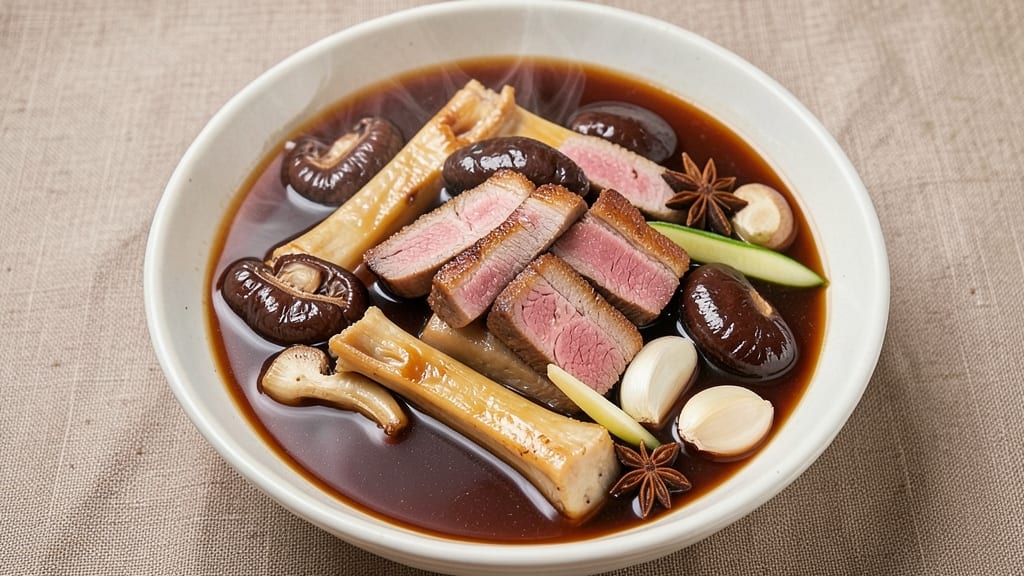
This Asian beef bone soup transforms tough cuts into melt-in-your-mouth beef swimming in a velvety, collagen-rich broth—inspired by Korean galbi tang and Chinese liáng bāo tāng traditions. The secret lies in parboiling bones to unlock deep umami flavors while simmering aromatics like star anise, ginger, and soy sauce for hours.
What starts as a simple pot of ingredients becomes a restaurant-worthy dish with layers of savory, slightly sweet complexity.
The process is methodical but rewarding: beef bones are blanched to remove impurities, then slow-cooked until the broth thickens into a silky consistency that coats every spoonful. Thinly sliced beef marbles through the broth, absorbing its rich flavors while remaining tender.
Aromatics like garlic, scallions, and sesame oil add bright, fresh notes that balance the deep umami.
By the end, you’ll have a soup that’s hearty enough for a cold evening but light enough for a weeknight dinner—golden, fragrant, and packed with protein. Serve it with steamed rice, quick-pickled vegetables, or a sprinkle of sesame seeds for texture.
The broth alone is worth the effort, but the combination of tender beef and aromatic herbs makes it a complete meal.
This recipe bridges tradition and convenience, delivering restaurant-quality results with a foolproof approach. Whether you’re recreating a family heirloom or crafting a new favorite, the key is patience and precision. Let’s get started—your taste buds will thank you.
Ingredients for asian beef bone soup
Sixteen ingredients transform tough bones into velvety broth and melt-in-your-mouth beef.
| Ingredient | Amount | Notes |
|---|---|---|
| Beef Bones (Marrow or Neck) 🦴 | 4 lb | Split into 2-inch pieces, parboiled |
| Thinly Sliced Beef (Ribeye or Chuck) 🥩 | 2 lb | 1/4-inch slices, against grain |
| Dried Shiitake Mushrooms 🍄 | 4 whole | Stems removed, rehydrated |
| Fresh Ginger 🧄 | ½ cup | Julienned, skin removed |
| Garlic Cloves 🧄 | 10 cloves | Smashed, skin left on |
| Star Anise Pods 🌟 | 4 whole | Lightly crushed |
| Cinnamon Sticks 🌿 | 2 whole | 2-inch pieces |
| Dried Green Onions 🧅 | ½ cup | Cut into 1-inch pieces |
| Sesame Oil 🫒 | 2 tbsp | Toasted, for finishing |
| Light Soy Sauce 🍶 | ¼ cup | Kikkoman preferred |
| Dark Soy Sauce 🍶 | 1 tbsp | For depth of color |
| Rice Wine 🍶 | ½ cup | Dry, like Shaoxing |
| Sesame Seeds 🌱 | 2 tbsp | Toasted, for garnish |
| Green Onions 🧅 | ½ cup | Thinly sliced, fresh |
| Water 💧 | 12 cups | Filtered preferred |
The bones are non-negotiable—marrow or neck bones from a butcher shop deliver the richest collagen. Costco or Whole Foods often carry them pre-split, but if you find whole bones, ask the butcher to cut them. Look for bones with good marrow—thick, yellow marrow means deeper flavor. For the sliced beef, ribeye or chuck stays tender when thinly sliced; avoid lean cuts like sirloin. The dried shiitakes? Asian markets have the best selection—avoid the shriveled ones in grocery bins.
No shiitakes? Dried porcini mushrooms work in a pinch, but they’re earthier. Running short on ginger? Galangal root adds a citrusy depth if you’ve got it. The star anise and cinnamon sticks are aromatic game-changers—Penzeys sells them in bulk for better flavor. For the soy sauces, Kikkoman light soy is the standard, but Lee Kum Kee dark soy adds a smoky note. Rice wine? Shaoxing is ideal, but Mirin or even dry sherry in a bind. Toast your sesame oil in a dry pan until it smells nutty—don’t skip this step.
This broth improves overnight—make a double batch and freeze half. Store the sliced beef separately in the fridge for up to 3 days before adding to the broth. Sesame seeds keep for 6 months in a cool, dark place, but toast them fresh for maximum crunch. The broth itself lasts 5 days refrigerated or 3 months frozen—portion into ice cube trays for easy reheating. Garnish with fresh green onions and a drizzle of toasted sesame oil right before serving.
Why You'll Love This Recipe
- Minimal Prep, Maximum Payoff: I swear by this recipe because the hardest part is slicing the beef—everything else just simmers. No chopping mountains of veggies, no last-minute ingredient hunts. Toss in the dried shiitakes (already rehydrated in the pot), a few ginger slices, and garlic cloves, then let the bones do the work. Honestly, I’ve made it after work with takeout containers still in my bag.
- Umami Bomb Every Sip: That first spoonful of broth—chef’s kiss. The marrow bones melt into rich, velvety goodness while the shiitakes and garlic infuse the liquid with deep, earthy layers. And the thinly sliced ribeye? It practically dissolves into the broth, soaking up all that flavor. Between us, this isn’t just soup; it’s a full meal in a bowl.
- Weeknight to Weekend Workhorse: I make this for lazy Mondays (just add rice) or when company’s over (garnish with green onions and serve with steamed buns). The broth freezes like a dream for future lunches, and the leftovers? Even better the next day—if there are any, because my family clears the pot. It’s the kind of dish that feels fancy but never fussy.
- Budget-Friendly Bone Magic: Neck bones and chuck are cheaper than takeout, and a single batch stretches to feed four for two meals. The dried shiitakes add restaurant-quality depth without breaking the bank, and ginger/garlic are pantry staples. I’ll be real: this recipe saved my grocery budget last month, and my taste buds didn’t even complain.
Step-by-step instructions for Asian beef bone soup
Transform simple ingredients into a velvety, umami-rich broth with perfectly tender beef.
Parboil and Prepare the Beef Bones
Begin by splitting the 4 lb beef bones (marrow or neck) into 2-inch pieces using a heavy cleaver. Rinse them thoroughly under cold water to remove any blood or impurities—this ensures a clean, bright broth. Place the bones in a large stockpot and cover them with 12 cups water. Bring to a boil over high heat, then immediately reduce to a gentle simmer for 20 minutes. This parboiling step removes impurities and prepares the bones for the long cook ahead.
After 20 minutes, drain the bones and rinse them again under cold water. Return them to the same pot and add fresh 12 cups water. The key here is patience—this initial step sets the foundation for a crystal-clear, deeply flavorful broth. I like to skim off any foam that rises to the surface during the first 10 minutes of simmering to maintain clarity.
Build the Aromatic Base and Simmer
Add the parboiled beef bones, 2 lb thinly sliced beef (ribeye or chuck), 4 whole dried shiitake mushrooms (stems removed), 0.5 cup fresh ginger (julienned), 10 cloves garlic cloves (smashed), 4 whole star anise pods (lightly crushed), 2 whole cinnamon sticks (2-inch pieces), and 0.5 cup dried green onions (cut into 1-inch pieces) to the pot. Bring everything to a rolling boil over high heat, then immediately reduce to a low simmer. The broth should be just below a bubble—this slow cook is essential for extracting maximum flavor without clouding the liquid.
Simmer uncovered for 3 hours, maintaining a gentle bubble. Here's where the magic happens: the marrow bones release their rich, gelatinous essence, while the aromatic spices infuse the broth with layers of complexity. I stir occasionally to prevent the ginger and garlic from sticking to the bottom, but avoid vigorous stirring—this can break up the bones and create a murky broth.
Add Liquids and Seasonings for Depth
After 3 hours, strain the broth through a fine-mesh sieve into a clean pot, discarding the solids. Return the strained broth to the heat and add 0.25 cup light soy sauce, 1 tbsp dark soy sauce, and 0.5 cup rice wine. The dark soy sauce adds a beautiful amber hue and a touch of savory depth, while the rice wine brightens the broth with a subtle, floral note. Bring the broth back to a simmer and let it cook uncovered for another 1 hour to meld the flavors.
Taste the broth at this stage—it should be rich and aromatic, with a balance of saltiness from the soy sauces and a hint of sweetness from the wine. If it needs more seasoning, add a pinch of salt or a splash more soy sauce. The goal is a broth that's deeply flavorful but not overpowering, so the beef can truly shine.
Finish with Sesame Oil and Garnishes
Return the 2 lb thinly sliced beef to the pot and simmer gently for 10-15 minutes, or until the beef is fork-tender and easily pulls apart. The slices should be just shy of falling apart—this ensures they hold their shape when served. While the beef cooks, heat the 2 tbsp sesame oil in a small pan over low heat until it's fragrant but not smoking. This toasted oil will add a nutty, aromatic finish to the soup.
To serve, ladle the broth into bowls, then top with the thinly sliced beef, 0.5 cup green onions (thinly sliced), and a drizzle of the toasted sesame oil. Sprinkle with 2 tbsp sesame seeds for a final crunch. The contrast of the silky broth, tender beef, and toasted sesame oil creates a harmonious balance of textures and flavors that's impossible to resist.
Pro Tips For Making Asian Beef Bone Soup
- BLANCH BONES FIRST: I learned this the hard way—skipping the quick blanch in hot water (about 5 minutes) leaves your broth cloudy and bitter. The starches and impurities rise to the surface, so skim them off before adding the bones to your pot. Trust me, your soup will be crystal clear and rich.
- CHAR THE GARLIC GINGER: Don’t just toss those garlic cloves and ginger slices in raw. Sear them in oil over medium-high heat until the garlic turns golden and the ginger sizzles—about 2-3 minutes. This unlocks deeper flavor and prevents that raw, medicinal bite that ruins the broth.
- SIMMER LOW AND SLOW: Your bones need time—at least 3-4 hours of gentle simmering (180°F/82°C) to break down collagen and extract marrow. I used to rush it, and the broth was weak. Cover the pot loosely and let it bubble quietly, checking occasionally to avoid evaporation.
- SOAK MUSHROOMS IN WARM WATER: Dried shiitake mushrooms are stubborn—soak them in warm (not boiling) water for 20 minutes before adding to the broth. This rehydrates them evenly and keeps them from turning to mush. Strain and reserve the soaking liquid; it’s packed with umami.
Troubleshooting great asian beef bone soup
Broth Too Cloudy?
Cloudy broth often means impurities or over-stirring. After parboiling, skim any foam that rises during the first 10 minutes of simmering—this removes fat and blood. For extra clarity, add 1 bay leaf during the initial 3-hour simmer (remove before straining).
If the broth still looks murky after straining, simmer it uncovered for an additional 15 minutes to evaporate excess moisture. 💧
Beef Not Tender Enough
Undercooked beef is usually the result of rushing the process. Thinly sliced beef needs 10-15 minutes in the broth after the 3-hour bone simmer—don’t skip this step! For extra tenderness, add 1 tbsp cornstarch mixed with 2 tbsp water to the broth during the final 5 minutes of cooking.
Also, ensure your beef is sliced against the grain (not with it) for maximum tenderness. 🥩
Weak or Bland Flavor
If your broth lacks depth, it’s likely missing umami or aromatic layers. Boost flavor by adding 1 piece of kombu seaweed (remove before serving) during the 3-hour simmer—it adds natural glutamate.
For more complexity, toast 1 tsp whole coriander seeds and 1 tsp fennel seeds with the star anise and cinnamon before adding to the pot. A final touch of 1 tsp fish sauce (like Red Boat) can also elevate the broth’s savory profile. 🌟
Broth Too Salty
Over-salting is common when using soy sauces. Taste the broth before adding the beef in Step 4—it should be slightly salty but not overwhelming. If it’s too strong, dilute with ½ cup hot water and adjust gradually.
For balance, add 1 tsp sugar or 1 tsp honey to counteract excess saltiness. Avoid adding fresh water directly to the pot, as it can dilute the broth’s richness. 🧂
Sesame Oil Burns
Toasted sesame oil burns easily if heated too long. Warm it in a small pan over low heat for just 1-2 minutes until fragrant—it should smell nutty but not smoky. If it starts smoking, remove it immediately and let it cool before using.
For extra safety, toast the oil in a dry skillet over medium-low heat for 30 seconds, then pour it through a fine-mesh strainer to remove any debris. 🫒
Ginger or Garlic Burns
Burnt aromatics create bitter flavors. To prevent this, add ginger and garlic after the broth has returned to a gentle simmer (not a rolling boil). Stir occasionally but avoid letting them sit directly on the pot’s bottom.
If they do brown, remove them immediately and add fresh slices. For extra insurance, simmer the broth with a small piece of parchment paper over the aromatics to protect them. 🧄
Nutrition facts
Frequently asked questions
Can I use chicken or pork bones instead of beef?
Beef bones are ideal for their rich collagen content, but you can adapt this recipe. For chicken bones, reduce simmering time to 2 hours—they cook faster and yield a lighter broth. Pork bones work well but may have a stronger flavor; use 5-6 lb and simmer for 3.5 hours. Avoid fish bones—they create a different texture and flavor profile.
How do I store leftover broth?
Store the strained broth in an airtight container in the fridge for up to 5 days or freeze for 3 months. For freezing, portion into ice cube trays—this makes it easy to thaw just what you need. Reheat gently on the stove, never in the microwave, to preserve flavor. The beef should be refrigerated separately for 3 days and reheated in the broth for 5-10 minutes before serving.
Can I make this soup in a slow cooker?
Follow the same steps, but adjust cooking times: parboil bones for 20 minutes on the stovetop, then transfer everything (including sliced beef) to the slow cooker. Cook on low for 8-10 hours or high for 5-6 hours. The slow cooker’s gentle heat extracts collagen beautifully. Just skip the final 1-hour simmer with soy sauces—add them during the last 30 minutes of cooking.
What if I don’t have star anise or cinnamon?
No problem! Star anise can be replaced with 1 tsp anise seeds or ½ tsp ground anise. For cinnamon, use ½ tsp ground cinnamon or add 1 bay leaf for depth. Both spices add warmth—just adjust to taste. If you’re missing both, boost umami with 1 tsp fish sauce or an extra ½ cup soy sauce. The broth will still be delicious!
How can I make this soup spicier?
Add heat gradually to avoid overpowering the broth. Start with 1 tsp gochugaru (Korean red pepper flakes) or ½ tsp cayenne pepper during the final 30 minutes of simmering. For more complexity, add 1 sliced Thai chili or ½ tsp Sichuan peppercorns (toasted first) with the aromatics. Taste before serving—you can always adjust!