
Main Courses
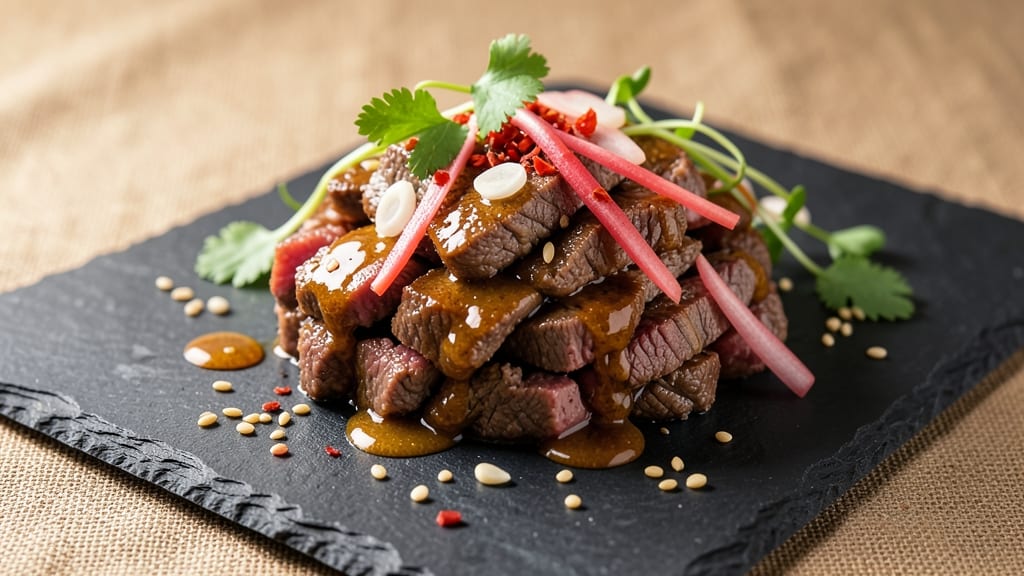
Asian beef tartare recipe transforms raw beef into a silky, vibrant dish with bold flavors that balance umami, heat, and freshness—perfect for adventurous eaters who crave restaurant-quality texture at home. The secret lies in ultra-fine dicing the beef and marinating it with a trio of soy sauce, sesame oil, and chili flakes, which tenderizes while building layers of flavor. Unlike traditional French tartare, this version incorporates bright ginger, garlic, and lime for a zesty contrast that keeps every bite exciting.
What sets this recipe apart is the harmony of textures: tender beef, crisp scallions, toasted sesame seeds, and a cooling drizzle of lime. I’ve perfected the technique to ensure the beef stays perfectly fresh (never overhandled) while developing rich, caramelized edges from the marinade.
The dish is served immediately, so timing is everything—just 15 minutes from prep to plate. For safety, always use the freshest beef and follow proper handling guidelines to avoid cross-contamination.
Pair it with steamed jasmine rice or a crisp cucumber salad to round out the meal, but the tartare shines on its own as a bold appetizer or light lunch. The garnishes—sesame seeds, cilantro, and lime zest—add visual appeal and a burst of freshness that cuts through the richness.
This isn’t just a dish; it’s an experience that proves raw beef can be both luxurious and approachable with the right technique.
Ready to elevate your dinner table? The key is confidence in handling raw beef and trusting the marinade to transform it. Serve chilled with a cold beer or sparkling water to enhance the flavors. Let’s get started—your taste buds will thank you.
Ingredients for asian beef tartare
Fresh beef, zesty aromatics, and bold Asian flavors create this restaurant-worthy tartare.
| Ingredient | Amount | Notes |
|---|---|---|
| Top-Quality Beef (Sirloin or Ribeye) 🥩 | 1 lb | Ultra-fresh, trimmed of fat |
| Fresh Ginger Root 🧄 | 1 tbsp | Finely grated, peeled |
| Garlic Cloves 🧄 | 3 cloves | Minced, fresh preferred |
| Soy Sauce 🍶 | 2 tbsp | High-quality, preferably Japanese |
| Sesame Oil 🫒 | 1 tbsp | Toasted, not flavored |
| Red Chili Flakes 🌶️ | 1 tsp | Adjust for heat preference |
| Lime Juice 🍋 | 1 ½ tbsp | Freshly squeezed |
| Scallions 🧅 | 3 whole | Thinly sliced, white and green parts |
| Fresh Cilantro Leaves 🌿 | ¼ cup | Chopped, stems removed |
| Toasted Sesame Seeds 🌰 | 1 tbsp | Lightly toasted in dry pan |
| Lime Zest 🍋 | 1 tsp | Freshly grated |
| Olive Oil 🫒 | 1 tbsp | For drizzling, high-quality |
| Diamond Crystal Kosher Salt 🧂 | ½ tsp | For seasoning |
| Freshly Ground Black Pepper 🌶️ | ¼ tsp | Cracked peppercorns preferred |
The beef is everything here—sirloin or ribeye with good marbling works best. Look for packages labeled 'tartare-grade' at Whole Foods or your butcher shop, or ask for a fresh cut if they don't carry it. The meat should be bright red, not brownish, and handled with gloves to ensure freshness. For safety, use it within 2 days of purchase and keep it refrigerated until ready to dice. If you're nervous about handling raw beef, wear gloves and use separate utensils for prep.
No soy sauce? Coconut aminos works in a pinch, though the flavor will differ slightly. Short on sesame oil? Toasted peanut oil adds a similar nutty depth. The ginger and garlic can be swapped for galangal or lemongrass if you're feeling adventurous, but traditional ginger is hard to beat. For extra freshness, zest the lime yourself instead of using bottled juice—it makes a noticeable difference. The scallions are non-negotiable; their crisp bite cuts through the richness of the beef.
Prep everything ahead to keep the beef chilled. Store the marinade separately until ready to combine. This dish is best served immediately, but if you must prep ahead, keep the beef and marinade in separate containers in the fridge for up to 4 hours before mixing. Garnishes like sesame seeds and cilantro can be prepped a day ahead and stored in the fridge. Serve on a chilled plate with a drizzle of olive oil and a sprinkle of lime zest for that restaurant-quality finish.
Why You'll Love This Recipe
- No-Fuss Prep: I swear by this one—just finely dice the beef, grate the ginger, and minced garlic in 10 minutes. No searing, no waiting, just raw, vibrant flavors ready to go.
- Umami Bomb: That first bite? The beef’s rich fat cuts through the bright ginger and funky soy, while a drizzle of sesame oil ties it all together. It’s the kind of dish that makes you reach for more without thinking.
- Party Trick: Serve it on crispy rice crackers with pickled veggies for an instant crowd-pleaser. Honestly, it’s my go-to for game day or when friends drop by—no fuss, all flavor.
- Leftovers? Better: The tartare keeps beautifully in the fridge for 2 days, and I’ve turned it into quick beef bowls or even stuffed it into spring rolls. Between us, it’s my secret weapon for lazy nights.
Step-by-step instructions for Asian beef tartare
Here's how to transform premium beef into silky, vibrant tartare with perfect texture and bold flavors.
Prepare the Beef for Perfect Texture
Place the 1 lb top-quality beef (sirloin or ribeye) in the freezer for 15 minutes to firm up slightly. This makes it easier to cut into thin, even strips. Remove the beef and slice it against the grain into ¼-inch thick strips. You should end up with about 1½ cups of finely chopped beef.
Transfer the sliced beef to a mixing bowl and add the 1 tbsp finely grated fresh ginger root and 3 cloves minced garlic cloves. The ginger will add warmth while the garlic provides depth of flavor. Mix gently to distribute the aromatics evenly through the beef. Real talk: this is where the foundation of your tartare's complex flavor begins.
Season and Marinate the Beef
In a small bowl, whisk together the 2 tbsp soy sauce, 1 tbsp toasted sesame oil, 1 tsp red chili flakes, 1.5 tbsp freshly squeezed lime juice, and 1 tsp freshly grated lime zest. This marinade should be vibrant and slightly tangy—if it looks too thick, add 1 tablespoon water to help it coat the beef evenly.
Pour the marinade over the beef mixture and fold gently with a rubber spatula. Let it marinate in the refrigerator for 10-15 minutes, no longer. This brief marinating time ensures the beef remains tender while absorbing just enough flavor to create that signature Asian tartare taste. Don't skip this step—it's what transforms simple beef into something extraordinary.
Add Fresh Herbs and Garnishes
After marinating, add the 0.25 cup chopped fresh cilantro leaves and 3 whole thinly sliced scallions (white and green parts separated). The cilantro brings bright freshness while the scallions add a subtle sharpness. Mix everything together with your hands or a spatula, being careful not to overmix which could make the beef tough.
Here's where it gets fun—sprinkle the 1 tbsp toasted sesame seeds evenly over the mixture. These seeds add a nutty crunch that contrasts beautifully with the silky beef. Taste the tartare and adjust seasoning with 0.5 tsp diamond crystal kosher salt and 0.25 tsp freshly ground black pepper as needed. The perfect balance should be tangy, slightly spicy, and herbaceous with a hint of umami from the soy sauce.
Final Touches and Serving
Transfer the tartare to a serving bowl or individual plates. Drizzle lightly with 1 tbsp high-quality olive oil just before serving. This not only enhances the flavors but also creates an appealing sheen. Garnish with additional thinly sliced scallions and a sprinkle of extra sesame seeds for visual appeal and extra crunch.
Serve immediately with chilled rice crackers or toasted baguette slices on the side. The tartare should be silky in texture with vibrant colors from the fresh herbs and lime. Each bite should deliver a perfect balance of beefy richness, citrus brightness, and aromatic complexity. This isn't just a dish—it's a flavor experience that showcases how simple ingredients can create something truly special.
Pro Tips For Making Asian Beef Tartare
- Freeze the Beef First: I learned this the hard way—skipping the 24-hour freeze makes slicing ribeye into paper-thin sheets nearly impossible. Use a sharp knife and work in one continuous motion, or you’ll end up with ragged edges that ruin the presentation.
- Grate the Ginger: Peeling and mincing fresh ginger takes forever, and pre-grated often tastes like sawdust. Use a microplane or the large holes of a box grater—it’s faster, finer, and releases the aroma better. (Yes, even if you’re impatient like me.)
- Balance the Soy Sauce: Start with just 1 teaspoon, then taste. Too much soy overpowers the beef’s richness, and you’ll regret it when the dish tastes salty instead of umami-forward. A splash of rice vinegar afterward cuts the harshness cleanly.
- Toast the Garlic: Mince the garlic first, then dry-toast it in sesame oil over low heat until golden—about 3 minutes. This removes the raw bite and deepens the flavor. (Your future self will thank you for not skipping this.)
Creative variations of this asian beef tartare
Japanese-Inspired Yakitori Tartare
Swap the soy sauce for a teriyaki-inspired marinade—mix 2 tbsp mirin, 1 tbsp sake, 1 tbsp honey, and 1 tsp grated ginger. Add 1 tbsp finely chopped shiitake mushrooms and 1 tsp toasted bonito flakes for umami depth.
Garnish with crispy fried shallots and a drizzle of yuzu kosho for a smoky-sweet twist. Serve with steamed rice and pickled ginger for a full yakitori-inspired meal. 🍶
Spicy Thai-Inspired Tartare
Boost the heat with a Thai-inspired marinade: blend 1 tbsp fish sauce, 1 tbsp palm sugar, 1 tsp shrimp paste, and 1 tbsp lime juice. Add 1-2 tbsp chopped Thai basil and 1 tsp crushed Thai chilies for fiery depth.
Top with toasted coconut flakes and crushed peanuts for texture. Pair with jasmine rice and spicy cucumber salad for a bold Thai feast. 🌶️
Korean-Inspired Bulgogi Tartare
Transform this into bulgogi-inspired tartare by marinating the beef with 1 tbsp gochujang (Korean chili paste), 1 tbsp soy sauce, 1 tbsp brown sugar, and 1 tsp grated pear (for tenderness). Add 1 tbsp chopped Korean pear and 1 tsp toasted sesame seeds for a sweet-spicy kick.
Garnish with thinly sliced green onions and serve with steamed rice and kimchi for a full Korean experience. 🥢
Vietnamese-Inspired Tartare
Give it a Vietnamese twist by mixing the marinade with 1 tbsp fish sauce, 1 tbsp lime juice, and 1 tsp sugar. Stir in 1 tbsp chopped mint and 1 tbsp chopped cilantro.
Top with crushed peanuts and fresh herbs like Thai basil and mint. Serve with rice noodles or fresh spring rolls for a refreshing take. 🌿
Sweet and Smoky BBQ Tartare
For a smoky BBQ version, replace the soy sauce with 1 tbsp smoked paprika and 1 tbsp BBQ sauce. Add 1 tbsp chopped red onions and 1 tsp liquid smoke (optional).
Garnish with crumbled bacon and pickled jalapeños for a sweet-spicy kick. Serve with cornbread or crusty bread for dipping. 🔥
Herb-Infused Mediterranean Tartare
For a Mediterranean-inspired twist, swap sesame oil for 1 tbsp extra-virgin olive oil and add 1 tbsp chopped fresh dill and 1 tbsp chopped parsley. Use lemon juice instead of lime and garnish with kalamata olives and crumbled feta cheese.
Serve with warm pita bread or grilled vegetables for a bright, herbaceous dish. 🌿
Nutrition facts
Frequently asked questions
Is Asian beef tartare safe to eat raw?
Yes, when using fresh, high-quality beef and following proper handling. Always buy beef labeled "tartare-grade" or ask your butcher for the freshest cut. Keep it refrigerated at 40°F or below and use within 2 days of purchase. Wear gloves when handling raw beef and use separate utensils to avoid cross-contamination.
Can I substitute ribeye for sirloin in this recipe?
Both sirloin and ribeye work perfectly. Ribeye has slightly more marbling, which adds richness to the tartare. Just ensure it's trimmed of any large fat pieces and cut against the grain for the best texture. The fat content enhances flavor but can make the tartare slightly heavier.
How do I adjust the spice level in this tartare?
The recipe uses 1 tsp red chili flakes as a base. For milder heat, reduce to ½ tsp or omit entirely. For extra spice, add ½ tsp gochugaru (Korean chili flakes) or a dash of sriracha. Always taste before serving—you can adjust with lime juice or sesame oil to balance flavors.
Can I make this tartare ahead of time?
For best results, prepare the tartare 10-15 minutes before serving. The beef should never sit in the marinade longer than this to maintain texture. You can prep the marinade and garnishes ahead, but keep them separate from the raw beef until ready to combine. Store all components in the fridge for up to 4 hours before assembly.
What are the best sides to serve with Asian beef tartare?
Pair it with steamed jasmine rice or rice crackers for a classic Asian meal. For a lighter option, try a cucumber salad or pickled vegetables. A crisp green salad with sesame dressing also complements the rich flavors beautifully. The key is balancing textures—crunchy, creamy, or starchy sides work well.