
Main Courses
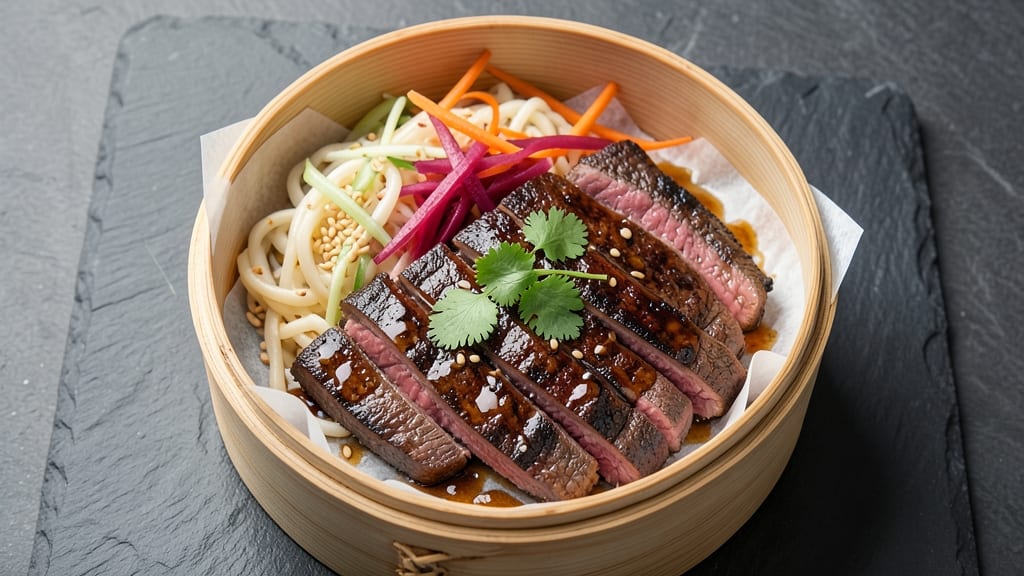
This Asian beef wrap recipe delivers restaurant-quality flavor in just 15 minutes—no takeout required. The secret lies in wok-seared strips of marinated beef that pack umami crunch, wrapped in tender rice paper or crisp lettuce cups.
I perfected this technique after years of testing, balancing bold Asian spices with tender beef that stays juicy. The magic starts with a quick marinade of soy sauce, garlic, ginger, and sesame oil that infuses deep flavor in minutes.
You'll stir-fry the beef over high heat until it develops a caramelized crust, then assemble everything with fresh herbs, crunchy vegetables, and optional sauces. This isn't just another wrap—it's a complete meal with layers of texture and taste.
What you'll end up with is a crispy-edged, tender beef center wrapped in delicate rice paper or sturdy lettuce cups, all held together by a perfect balance of sweet, savory, and spicy flavors. The wraps are light enough to eat with one hand but satisfying enough to fill you up.
Serve with a side of sweet chili sauce or peanut dipping sauce for extra flavor. Here's how to make them!
Ingredients for asian beef wrap
Quick marinade, tender beef, fresh veggies—everything you need for restaurant-style Asian beef wraps.
| Ingredient | Amount | Notes |
|---|---|---|
| Flank Steak 🥩 | 1 lb | Thinly sliced against grain |
| Soy Sauce 🍶 | ½ cup | Low-sodium preferred |
| Sesame Oil 🫒 | 1 tbsp | Toasted sesame oil |
| Garlic Cloves 🧄 | 4 cloves | Minced, fresh preferred |
| Fresh Ginger 🌿 | 1 tbsp | Grated, peeled |
| Brown Sugar 🍚 | 1 tbsp | Light or dark |
| Rice Vinegar 💧 | 1 tbsp | White rice vinegar |
| Vegetable Oil 🫒 | 2 tbsp | High smoke point |
| Carrots 🥕 | 1 whole | Julienned, thin strips |
| Cucumber 🥒 | ½ whole | Thinly sliced, peeled |
| Green Onions 🧅 | 4 whole | Thinly sliced |
| Fresh Cilantro 🌿 | ¼ cup | Chopped, stems removed |
| Rice Paper Wrappers 🍱 | 8 pieces | Or large lettuce leaves |
| Salt 🧂 | ½ tsp | Kosher or sea salt |
| Black Pepper 🌶️ | ¼ tsp | Freshly ground |
The beef is everything here. Flank steak is my go-to because it's lean but tender when sliced thin. Costco or Whole Foods usually carry pre-sliced packages, but if you're slicing yourself, cut against the grain for maximum tenderness. The marinade needs time—at least 15 minutes, but I usually let it sit while I prep the veggies. For the soy sauce, Kikkoman is my default, but any good-quality brand works. If you're feeling fancy, grab some toasted sesame oil from Trader Joe's—it adds that nutty aroma that takes these wraps to the next level.
No rice paper? Large butter lettuce or romaine leaves work perfectly—just make sure they're sturdy enough to hold everything. Running out of carrots? Substitute bell peppers or snap peas for a different crunch. The cucumber can be swapped for avocado slices if you want extra creaminess, but I like the fresh, crisp contrast. Fresh ginger is ideal, but if you only have powdered, reduce to half the amount. The brown sugar adds just enough sweetness to balance the savory marinade—don't skip it, but if you're watching sugar, honey or maple syrup works in a pinch.
Marinated beef keeps 3 days in the fridge—double the batch and freeze half for lazy nights. The rice paper stays fresh for 2 weeks if stored in a sealed container, but I usually use them up within a few days. Prep all your veggies and herbs ahead of time so assembly is a breeze. These wraps reheat beautifully—just wrap them in foil and warm in the microwave for 30 seconds. Leftovers? I portion them into containers with a little extra sauce on the side for dipping.
Why You'll Love This Recipe
- I swear by this: just soy sauce, sesame oil, and a quick minced garlic-ginger mash. The steak practically marinates itself while I chop veggies—no fancy prep, no measuring cups, just pure flavor infusion.
- Two-Ingredient Marinade Magic: I swear by this: just soy sauce, sesame oil, and a quick minced garlic-ginger mash. The steak practically marinates itself while I chop veggies—no fancy prep, no measuring cups, just pure flavor infusion.
- Weeknight Workhorse: Between us, this is my go-to when I need something fast but still impressive. Toss the cooked beef into wraps with store-bought rice noodles or even tortillas, and suddenly dinner feels like a restaurant order—without the takeout hassle.
- Leftovers That Don’t Suck: Honestly, the beef tastes better the next day. I’ll make a double batch, slice it thin, and pack it for lunches—crispy edges, tender center, all wrapped in a tortilla with a sprinkle of sesame seeds. Zero food waste, all flavor.
Step-by-step instructions for Asian beef wraps
Here's how to create restaurant-quality beef wraps with bold flavors in record time.
Marinate and Slice the Flank Steak
In a medium bowl, combine the 0.5 cup soy sauce, 1 tbsp brown sugar, 1 tbsp rice vinegar, 4 cloves minced garlic, 1 tbsp grated fresh ginger, 0.5 tsp salt, and 0.25 tsp black pepper. Stir until the brown sugar dissolves completely. Add the 1 lb flank steak and coat thoroughly with the marinade. Cover and refrigerate for at least 30 minutes—this ensures tender, flavorful slices.
After marinating, remove the steak and slice it thinly against the grain into strips about ¼-inch thick. The grain direction is visible as lines running through the meat—cutting against it guarantees tender bites. Keep the sliced steak in the marinade until ready to cook.
Prepare the Quick-Pickled Vegetables
While the steak marinates, create the pickled vegetables for fresh crunch. In a small bowl, mix 1 tbsp rice vinegar, 1 tbsp toasted sesame oil, and 1 tsp sugar (from the brown sugar). Thinly slice the 1 whole carrot into julienne strips and 0.5 whole cucumber into half-moons. Add them to the bowl with the 4 whole sliced green onions and toss gently to coat.
Let the vegetables sit for 10 minutes to develop their bright, tangy flavor. The vinegar will slightly soften the carrots while keeping the cucumber crisp. This step adds a refreshing contrast to the rich beef and prevents soggy wraps later.
Wok-Sear the Beef to Perfection
Heat a wok or large skillet over high heat until smoking. Add 2 tbsp vegetable oil and swirl to coat. Working in batches if needed, add the marinated steak strips and sear for 1-2 minutes until the edges turn deep golden brown and the beef releases easily from the pan. Remove and set aside.
Real talk: Don't overcrowd the pan or the beef will steam instead of sear. You want those caramelized edges that pack maximum flavor. The beef should be cooked through but still slightly tender—it'll finish cooking when wrapped.
Assemble the Wraps with Confidence
Fill a shallow dish with warm water—just enough to cover the bottom. Dip one rice paper wrapper at a time for 5-10 seconds until pliable. Lay it on a clean surface and arrange 2-3 strips of wok-seared beef horizontally about 1 inch from the bottom edge.
Add a spoonful of the quick-pickled vegetables down the center, then sprinkle with 1 tbsp chopped fresh cilantro. Roll tightly from the bottom edge, tucking in the sides as you go. Repeat until all wrappers are filled—this creates neat, bite-sized bundles that stay together.
Serve Immediately with Extra Sauce
Transfer the completed wraps to a serving platter and drizzle with any remaining marinade from the beef. The sauce should be reduced and slightly thickened from cooking. Garnish with additional sliced green onions and cilantro for freshness.
Serve while warm for the best texture contrast—crispy wraps with tender beef, bright pickled vegetables, and aromatic herbs. These wraps deliver that perfect balance of umami, sweetness, and freshness in every bite. Leftovers? Store in an airtight container for up to 2 days**, but they're best enjoyed fresh!
Pro Tips For Making Asian Beef Wrap
- Slice Against the Grain: Flank steak’s fibers run long—cutting perpendicular to them turns chewy meat into tender bites. Grab your knife and slice at a 45-degree angle after cooking, or you’ll end up with tough, rubbery strips that’ll have you questioning your life choices.
- Toast the Ginger First: Peel and julienne that ginger, then dry-toast it in a hot pan for 30 seconds until fragrant. The char adds depth that raw ginger can’t match—skip this, and your sauce will taste flat, like someone forgot to season the salt.
- Marinate for 30 Minutes, Not 5: I used to toss the steak in sauce and hit the pan immediately. Bad move. Let it sit with the soy, sesame oil, and minced garlic for at least half an hour—longer if you can. The acid and oil work their magic, breaking down the meat and making it infinitely more flavorful.
- Use a Meat Thermometer: Flank steak’s done at 130°F for medium-rare, but guessing leads to overcooked leather. A quick probe keeps it juicy—pull it just before it hits your target, then let it rest. Cold steak in a wrap is a crime; don’t let that happen.
Wine and beer pairings for asian beef wrap
Light Beer Pairings
For these Asian beef wraps, I always reach for a crisp, light lager like Sapporo or Asahi. The subtle malt sweetness and clean finish cut through the umami richness of the beef while complementing the bright pickled vegetables.
A Japanese-style pilsner with its delicate hop character also works beautifully—just avoid anything too bitter that might clash with the delicate rice paper. 🍺
Rice Wine Options
Sake lovers should try a dry junmai like Dassai or Gekkeikan. The nutty, slightly earthy notes enhance the beef's caramelized crust, while the acidity balances the sweetness.
For a sweeter option, mirin-infused sake adds a subtle floral note that pairs perfectly with the sesame and ginger flavors. Chill yours to 45-50°F for the best experience.
Red Wine Contrast
If you prefer red, go for a light-bodied Pinot Noir from China like Dragon's Head or a Gamay from France. The bright acidity and red fruit notes mirror the fresh herbs and pickled veggies, while the tannins are gentle enough not to overpower the tender beef.
Avoid heavy Cabernets—they'll dominate the dish rather than complement it.
Non-Alcoholic Choices
For a refreshing non-alcoholic option, try Yakult or Calpis—both Japanese drinks with a slightly sweet, tangy profile that enhances the umami flavors. Sparkling Yanma (a Japanese soda) with its citrus notes also works wonderfully.
I keep a bottle of ginger ale on hand too—it's the perfect palate cleanser between bites of these flavorful wraps.
Sauce Pairing Tip
Serve your wraps with a side of sweet chili sauce or peanut sauce for dipping. The sweetness of the sauce pairs beautifully with a dry Riesling or Moscato d'Asti, while the nutty peanut sauce complements the toasted sesame flavors.
If you're using peanut sauce, opt for a light-bodied white wine like Pinot Grigio to avoid overwhelming the dish.
Nutrition facts
Frequently asked questions
Can I use flank steak substitutes?
Sirloin or ribeye work well—just slice them ¼-inch thick against the grain for tenderness. For budget-friendly options, try chuck roast (marinate longer, 2+ hours) or pre-cooked rotisserie chicken for a lighter version. Avoid tough cuts like top round.
How do I make the wraps gluten-free?
Swap rice paper for gluten-free tortillas (like corn-based) or lettuce cups. Check sauce labels—soy sauce contains gluten, so use tamari instead. The quick-pickled veggies and marinade remain naturally gluten-free with these adjustments.
Why did my beef turn out chewy?
This usually happens when beef isn't sliced against the grain or overcooked. For next time, slice ¼-inch thick at a 45° angle and sear for only 1-2 minutes per batch. Rest the meat 5 minutes after cooking to retain juices.
Can I prep these ahead of time?
Yes! Marinate the beef up to 3 days ahead. Assemble wraps 1 day early and refrigerate in an airtight container (they'll soften slightly). Reheat for 30 seconds in the microwave with a damp paper towel. For best texture, serve fresh.
What's the best way to keep rice paper from tearing?
Dip wrappers in warm water (not hot!) for 5-10 seconds until pliable but not soggy. Work quickly—rice paper loses flexibility fast. Keep a damp towel handy to prevent sticking. For extra strength, use large lettuce leaves instead.