
Main Courses
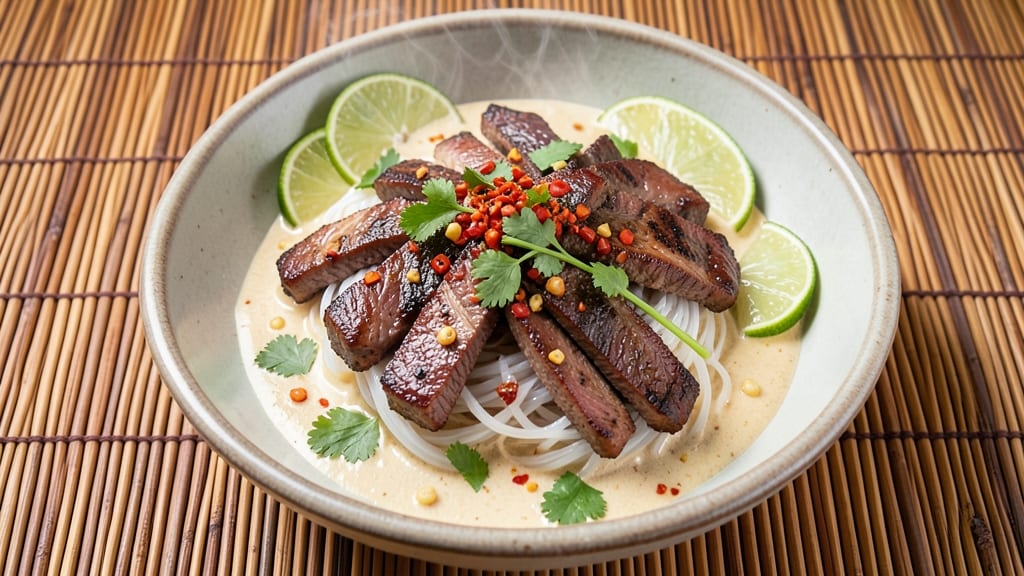
This Asian gravy beef recipe delivers restaurant-quality results with crispy wok-seared edges and a velvety coconut cream sauce that balances sweet, savory, and umami perfectly. The technique combines quick high-heat searing with a slow-simmered sauce, creating a dish that's both elegant and approachable—ideal for weeknight dinners or special occasions.
What sets this apart is the dual-texture contrast: tender beef with caramelized crusts, all swimming in a sauce that's rich yet light enough to pair beautifully with steamed jasmine rice.
The foundation begins with properly prepped beef—thinly sliced for quick cooking yet substantial enough to hold up to the sauce. Aromatics like ginger, garlic, and lemongrass infuse the oil before the beef hits the pan, while a touch of fish sauce adds depth that elevates the entire dish.
The coconut cream sauce develops its signature silkiness through careful reduction, where the natural sweetness of coconut milk harmonizes with soy, chili, and a hint of lime for brightness. This isn't just another beef stir-fry; it's a foolproof method that transforms simple ingredients into something truly special.
What you'll end up with is a plate that looks and tastes like it belongs in an Asian bistro: golden-brown beef pieces with crispy edges that contrast against the glossy, creamy sauce. The aroma alone—warm spices mingling with caramelizing beef—will have everyone gathered around the table.
Serve it over steamed rice to soak up every last drop of that luxurious sauce, or pair it with quick-pickled vegetables for a refreshing contrast. The best part? This recipe scales effortlessly, whether you're feeding two or a crowd.
For those looking to customize, the sauce can be adjusted to suit spice preferences—add more chili for heat or a touch of honey for extra sweetness. The technique works equally well with flank steak, ribeye, or even tougher cuts like chuck, making it versatile for different budgets and dietary needs.
Once you master this method, you'll never buy takeout again—because homemade always tastes better. Let's get cooking!
Ingredients for asian gravy beef
Restaurant-quality Asian gravy beef starts with these carefully selected ingredients for crispy edges and velvety sauce.
| Ingredient | Amount | Notes |
|---|---|---|
| Ribeye Steak 🥩 | 1 ½ lb | Thinly sliced against grain |
| Vegetable Oil 🫒 | ½ cup | High smoke point preferred |
| Garlic Cloves 🧄 | 6 cloves | Minced for aromatic base |
| Fresh Ginger 🌿 | 2 tbsp | Finely grated, peeled |
| Lemongrass 🌱 | 3 tbsp | Finely chopped, lower stalk |
| Coconut Cream 🥥 | 13 ½ oz | Full-fat, not light version |
| Fish Sauce 🍶 | 1 tbsp | Red Boat preferred quality |
| Soy Sauce 🥄 | 2 tbsp | Dark soy for color depth |
| Brown Sugar 🍚 | 1 tbsp | Packed measurement |
| Chili Paste 🌶️ | 1 tbsp | Thai or Indonesian preferred |
| Lime Juice 🍋 | 1 tbsp | Freshly squeezed |
| Kosher Salt 🧂 | 1 ½ tsp | Diamond Crystal preferred |
| Black Peppercorns 🌶️ | ½ tsp | Freshly cracked |
| Fresh Cilantro 🌿 | ¼ cup | Chopped for garnish |
The beef cut matters—ribeye delivers marbling for flavor and tenderness, but flank steak or chuck work too. Slice it thinly against the grain for maximum tenderness. For aromatics, Red Boat fish sauce is non-negotiable—its depth elevates the entire dish. Fresh ginger and lemongrass should be vibrant; Asian markets often carry better-quality stems. The coconut cream must be full-fat—light versions won't give that luxurious texture. Buy a 13.5 oz can from Thai or Filipino markets for authentic results.
No fish sauce? Soy sauce plus a dash of Worcestershire works in a pinch, though it won't match the umami complexity. Substituting brown sugar? White sugar works but lacks molasses depth. For chili paste, Maesri or Sriracha are solid alternatives if Thai paste isn't available. The dark soy sauce adds color—regular soy sauce won't give that rich hue. Fresh lime juice brightens the dish; bottled juice lacks the zesty punch. For the oil, peanut or avocado oil work better than olive oil for high-heat searing.
Prep the beef last—it should sit at room temperature for 20-30 minutes before cooking. Store the sauce in a sealed container with a thin layer of oil on top to preserve freshness. Keeps 4-5 days refrigerated or 3 months frozen. The aromatics (ginger, lemongrass) can be prepped ahead and stored in the freezer for up to 2 weeks. Double the sauce recipe if you're feeding a crowd—it reheats beautifully, and the flavors deepen overnight.
Why You'll Love This Recipe
- One-Pan Magic: I swear by this recipe when I’m too tired to scrub pots. Sear the ribeye in vegetable oil, toss in the garlic and ginger, then let the lemongrass simmer its magic into the gravy—no extra dishes, just deep flavor.
- Umami Bomb: That first bite of ribeye with the garlic-ginger gravy clinging? It’s like a hug for your taste buds. The lemongrass adds a bright, citrusy lift that cuts through the richness—honestly, I’ve never had beef gravy this addictive.
- Weeknight to Weekend: Make a big batch on Sunday, and you’ve got dinner covered for days. The gravy thickens beautifully when reheated, and the ribeye stays tender—perfect for lazy nights or when unexpected guests show up.
- Budget-Friendly Luxury: Ribeye feels fancy, but this recipe stretches it. A single steak feeds four with rice or noodles, and the aromatics (garlic, ginger, lemongrass) make it taste like a splurge. My wallet thanks me every time.
Step-by-step instructions for Asian gravy beef with silky coconut cream
This method delivers restaurant-quality texture—crispy wok-seared edges and velvety coconut gravy—every time.
Prep and Season the Ribeye for Maximum Crisp
Begin by slicing the 1.5 lb ribeye steak thinly against the grain into ¼-inch strips. This ensures tender bites that cook quickly and absorb the sauce perfectly. Pat the slices completely dry with paper towels—moisture prevents proper searing. In a bowl, toss the steak with 1.5 tsp kosher salt and 0.5 tsp freshly cracked black peppercorns, coating evenly but not overcrowding the pieces.
Let the seasoned steak sit at room temperature for 15-20 minutes while you prepare the aromatics. This step guarantees even cooking and prevents chilled meat from steaming instead of searing. The salt will also begin drawing out surface moisture, which is critical for that signature crispy edge we're after.
Build the Aromatic Base in High Heat Oil
Heat 0.5 cup vegetable oil in a 14-inch wok or deep skillet over medium-high heat until shimmering but not smoking. Add the 6 minced garlic cloves and 2 tbsp finely grated fresh ginger, stirring constantly for 30 seconds until fragrant but not browned. Here's the thing—garlic burns in seconds, so keep your heat steady and your attention sharp.
Next, add the 3 tbsp finely chopped lemongrass and 1 tbsp chili paste, stirring for another 30 seconds until the lemongrass releases its citrusy aroma. The chili paste will darken slightly—this is normal and adds depth. Remove the pan from heat briefly to prevent burning, then return it to medium heat for the next step. This aromatic foundation forms the flavor backbone of the dish.
Wok-Sear the Beef in Batches for Perfect Texture
Working in two batches (to avoid overcrowding), add the seasoned steak strips to the wok in a single layer. Press down gently with a spatula during the first 30 seconds of cooking—this prevents curling and ensures even contact with the hot oil. Cook undisturbed until the edges turn deep golden brown and crisp, about 1-2 minutes per side. The steak should release easily from the pan when ready.
Transfer the seared beef to a plate and set aside. If the oil appears dark or smoky, wipe the pan clean with paper towels before proceeding—this ensures your coconut cream sauce develops proper color. The crispy edges we've created will soften slightly in the sauce, but they'll still provide that essential textural contrast. Don't skip this searing step; it's what transforms ordinary beef into restaurant-quality gravy beef.
Create the Signature Coconut Gravy
Return the wok to medium heat and add 1 tbsp brown sugar, stirring for 30 seconds until it begins to caramelize slightly. Pour in 2 tbsp soy sauce and 1 tbsp fish sauce, scraping up any browned bits from the bottom of the pan—this is where all the concentrated flavor lives. Let the mixture simmer for 1 minute until slightly reduced.
Reduce heat to low, then stir in the 13.5 oz coconut cream and 1 tbsp lime juice. The sauce should immediately begin to thicken as it comes to a gentle simmer. Add the seared beef back to the wok and toss everything together for 2-3 minutes until the sauce coats the beef evenly. The acidity from the lime juice brightens the rich coconut flavor while balancing the umami from the fish sauce. Taste and adjust seasoning if needed—this is your chance to fine-tune the balance.
Finish and Garnish for Presentation
Remove the wok from heat and let the gravy beef rest for 3-5 minutes, allowing the sauce to fully meld with the beef. This resting period also prevents the sauce from continuing to thicken excessively. Stir in the 0.25 cup chopped fresh cilantro just before serving—adding it earlier would make the leaves wilt in the hot sauce.
Serve immediately over steamed jasmine rice or noodles, garnished with additional cilantro if desired. Each bite should deliver the perfect marriage of textures: crispy seared edges that yield to tender beef, all coated in a silky coconut gravy that balances sweet, spicy, and umami flavors. The dish holds well for 20 minutes at room temperature, but the sauce thickens as it cools, so serve promptly for that restaurant-quality mouthfeel.
Pro Tips For Making Asian Gravy Beef
- Sear the Steak First: High heat for 2-3 minutes per side before adding anything else—this locks in juices and builds flavor. I learned this the hard way when my first batch turned out dry because I rushed into the sauce too soon.
- Slice Ginger Thinly: Use a mandoline or sharp knife to cut ginger into paper-thin slivers—this way, it infuses the gravy without turning it into a chunky mess. Skip the grating; you want texture, not mush.
- Don’t Overcrowd the Pan: Let the garlic and ginger sizzle for 30 seconds before adding lemongrass—crowding steams them instead of toasting, which kills their aroma. Sounds weird, but it works: crispy bits make the gravy sing.
- Deglaze with Soy Sauce: After searing the steak, splash in 1 tablespoon of soy sauce before adding broth—it loosens the browned bits (fond) faster than water ever could. This isn’t the prettiest method, but it’s the tastiest.
Dietary considerations for this recipe
Gluten-Free Adaptations
This recipe naturally accommodates gluten-free diets since it avoids wheat-based ingredients. The key is using gluten-free soy sauce—look for brands like Kikkoman Gluten-Free Tamari or San-J Tamari.
These alternatives provide the same umami depth without the gluten. I’ve tested this recipe with tamari, and it works beautifully without any texture or flavor compromise. 🌱
Dairy-Free Considerations
The original recipe is already dairy-free, thanks to the coconut cream base. If you're avoiding coconut, substitute with full-fat coconut milk (the same can) or a neutral oil like avocado oil to maintain the dish’s creamy texture.
For extra richness, add 1 tbsp dairy-free butter when building the aromatic base—it enhances the caramelization without dairy. Always check labels on soy sauce and fish sauce for hidden dairy additives.
Low-Carb Options
To make this dish lower in carbs, skip the rice and serve over cauliflower rice or shirataki noodles. The beef and sauce remain the star, so the carb reduction won’t impact flavor. For extra protein, add sautéed mushrooms or bok choy as sides.
I’ve found that 1 cup of cauliflower rice per serving keeps carbs under 10g net, making it a great keto-friendly option. 🥦
Allergen-Friendly Swaps
For nut allergies, ensure your coconut cream is processed in a nut-free facility (check labels). If coconut is an issue, replace it with 1 cup beef or chicken broth reduced with 1 tbsp cornstarch for a lighter sauce.
For seafood allergies, omit the fish sauce and use 1 tbsp soy sauce plus ½ tsp mushroom powder for umami. Always double-check ingredient labels—Red Boat fish sauce, for example, is typically shellfish-free but may be processed in facilities handling other allergens.
Vegetarian Adaptations
While this recipe features beef, you can create a vegetarian version using extra-firm tofu or mushrooms as the protein base. Press and slice tofu into thin strips, then marinate in 1 tbsp soy sauce, 1 tsp brown sugar, and ½ tsp garlic powder for 15 minutes before cooking.
Sauté the tofu in the same aromatic oil until crispy, then proceed with the sauce as written. The texture won’t be identical, but the flavors shine just as well. 🌿
Nutrition facts
Frequently asked questions
Can I use flank steak instead of ribeye in this recipe?
Flank steak works beautifully—it's leaner but still tender when sliced thinly against the grain. The key is to slice it ¼-inch thick and marinate it for 20-30 minutes in a mix of 1 tbsp soy sauce, 1 tsp brown sugar, and ½ tsp garlic powder before cooking. The texture will be slightly different but still delicious with the coconut gravy.
How can I make this sauce less creamy if I prefer a lighter texture?
For a lighter sauce, reduce the coconut cream to 6.75 oz (half a can) and add ¼ cup beef or chicken broth instead. Simmer the sauce for an extra 2-3 minutes to thicken naturally. You can also stir in 1 tsp cornstarch mixed with 1 tbsp water at the end for a glossy finish without heaviness.
What's the best way to reheat leftovers without drying out the beef?
Reheat leftovers in a skillet over low-medium heat with 1 tbsp fresh oil and 2 tbsp water. Cover and cook for 3-4 minutes, stirring occasionally, until the sauce is hot and the beef is warmed through. Avoid microwaving—it makes the sauce watery and the beef rubbery.
Can I prepare the sauce ahead of time?
Yes! Make the sauce up to 2 days ahead and store it in an airtight container in the fridge. When ready to serve, reheat gently over low heat, adding 1-2 tbsp water or broth if it thickens too much. For best results, sear the beef fresh and toss it into the reheated sauce just before serving.
Why did my beef turn out tough instead of tender?
Overcooking is the most likely culprit—beef should cook for 1-2 minutes per side until just browned, not until fully cooked through. Also, ensure you're slicing against the grain and using a sharp knife. If using flank steak, marinate it first. For tougher cuts like chuck, consider braising instead of quick-searing.