
Main Courses
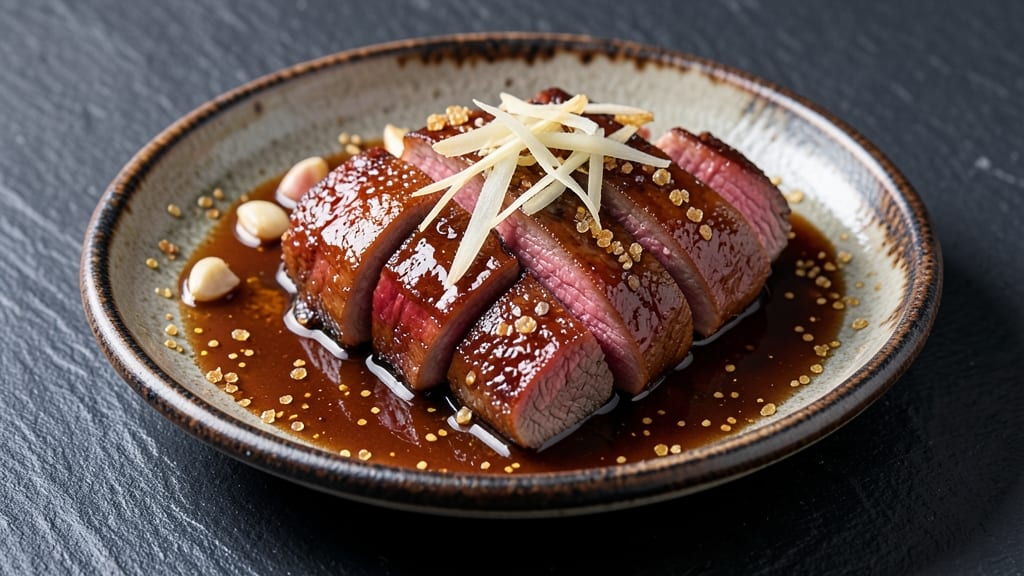
This Asian-style beef cheek recipe transforms tough cuts into melt-in-your-mouth luxury through slow braising—exactly like the legendary Korean galbi-jjim or Chinese braised brisket. The secret lies in long, gentle cooking that breaks down collagen into velvety richness, creating a dish that feels both comforting and celebratory.
Professional chefs swear by this method for its ability to elevate humble ingredients into something extraordinary, and you can achieve the same restaurant-quality results at home.
What sets this recipe apart is the balance of traditional techniques with modern convenience. You'll start with a simple marinade of soy sauce, garlic, and ginger that tenderizes the beef while infusing it with deep umami flavor.
The braising process—typically 3 to 4 hours—allows the meat to absorb the aromatic broth until it's so tender it practically falls apart at the touch. This isn't just a recipe; it's a culinary experience that transforms weeknight dinners into special occasions.
The result is beef cheek that's impossibly tender, with a surface that's beautifully caramelized and infused with layers of savory-sweet flavor. Each bite delivers that perfect harmony of textures—creamy, rich meat that contrasts with the slightly crisp edges.
The accompanying sauce, thickened with cornstarch and enhanced with a touch of sesame oil, adds another dimension of complexity. This dish pairs beautifully with steamed rice, quick-pickled vegetables, or a side of miso soup for the full Asian dining experience.
While this recipe stays true to traditional methods, it's designed to be approachable for home cooks. The slow braising happens mostly hands-off, allowing you to focus on other parts of your meal while the beef transforms into something truly remarkable.
Whether you're cooking for a family gathering or treating yourself to a luxurious solo dinner, this beef cheek recipe delivers results that will impress even the most discerning palates.
Ingredients for asian style beef cheek
Transform tough beef cheek into luxurious, melt-in-your-mouth perfection with these carefully balanced ingredients.
| Ingredient | Amount | Notes |
|---|---|---|
| Beef Cheek 🥩 | 2 lb | Tough cut, trimmed of excess fat |
| Soy Sauce 🍶 | ½ cup | High-quality, preferably Japanese |
| Garlic Cloves 🧄 | 8 cloves | Minced, fresh preferred |
| Fresh Ginger 🌿 | 2 tbsp | Grated, peeled |
| Brown Sugar 🍚 | ¼ cup | Light or dark variety |
| Sesame Oil 🫒 | 1 tbsp | Toasted, for aroma |
| Cornstarch 🌾 | 2 tbsp | For sauce thickening |
| Water 💧 | 2 cups | For braising liquid |
| White Wine 🍷 | ½ cup | Dry, like Sauvignon Blanc |
| Green Onions 🧅 | 4 whole | Sliced, for garnish |
| Salt 🧂 | 1 ½ tsp | Diamond Crystal preferred |
| Black Peppercorns 🌶️ | 1 tsp | Freshly cracked |
| Star Anise 🌟 | 2 whole | For aromatic depth |
| Bay Leaves 🌿 | 2 whole | Fresh preferred |
The beef cheek is the star—look for well-marbled cuts at your butcher or specialty market like Whole Foods or D'Artagnan. The fat content is essential for that velvety texture, so don't trim too aggressively. For the soy sauce, Japanese brands like Kikkoman or Yamasa deliver that authentic umami depth. Fresh ginger and garlic are non-negotiable here; frozen won't cut it for this dish's complexity. The brown sugar should be light and finely granulated for even dissolution in the braising liquid. If you can't find star anise, a few cloves will work in a pinch, though the flavor profile will differ slightly.
No soy sauce? Coconut aminos will work in a bind, though the flavor won't be identical. Substitute white wine with an extra splash of water and a pinch of vinegar for acidity. For the cornstarch, arrowroot powder is a 1:1 substitute if you're avoiding gluten. The star anise and bay leaves can be omitted if you're sensitive to their flavors, but they're key for that authentic Asian depth. If you're using pre-minced garlic, toast it first in a dry pan to enhance its flavor. The green onions should be reserved for garnish—don't cook them with the beef as they'll turn bitter.
This dish tastes even better the next day as flavors meld, so plan ahead. Store leftovers in an airtight container with a thin layer of braising liquid to keep them moist for up to 5 days in the fridge. For longer storage, freeze portions for up to 3 months. When reheating, use low heat to prevent the meat from drying out. The sauce can be made ahead and reheated separately, then combined with the beef just before serving for that restaurant-fresh texture.
Why You'll Love This Recipe
- Foolproof Simplicity: I swear by this—just sear the beef cheek in one pot, then toss in garlic, ginger, and soy sauce. No chopping, no fuss, and the slow cooker does all the work while you watch Netflix.
- Umami Bomb: That beef cheek? It melts into ridiculously tender perfection, while the soy and brown sugar caramelize into a glossy, addictive sauce. Honestly, I’ve never met a braised dish that hits this hard.
- Weeknight Hero: Between us, this is my go-to when I’m too tired to think. Serve it over rice for dinner, pack leftovers for lunch, or even stuff it into bao buns—it’s that versatile.
- Budget Magic: A pound of beef cheek goes far—I stretch it across three meals with zero waste. Plus, the ingredients cost half what fancy cuts do, but the flavor? Chef’s kiss every time.
Step-by-step instructions for Asian style beef cheek
Transform tough beef cheek into melt-in-your-mouth perfection through precise braising and aromatic layering.
Prepare the Beef Cheek for Maximum Tenderization
Begin by trimming any visible fat from the 2 lb beef cheek using a sharp boning knife. Leave a thin layer of fat for flavor but remove any yellowish connective tissue. Cut the beef cheek into 2-inch thick slices—this size ensures even cooking and proper braising.
Season each slice generously with 1 tsp salt and ½ tsp black peppercorns (reserve the rest for later). I press the seasoning into the meat firmly so it penetrates the surface. Let the slices sit at room temperature for 30 minutes before cooking—this ensures even heat distribution during the braising process.
Build the Aromatic Braising Liquid
In a large Dutch oven, combine 2 cups water, 0.5 cup soy sauce, 0.5 cup white wine, 0.25 cup brown sugar, 2 tbsp fresh ginger, 8 cloves minced garlic cloves, 2 whole star anise, and 2 whole bay leaves. Bring to a simmer over medium-high heat for 5 minutes to allow the aromatics to infuse the liquid.
Here's the thing—this step develops the foundation of your sauce. The wine and soy sauce should reduce slightly, creating a concentrated flavor base. If you notice any scum forming on the surface, skim it off with a spoon to keep the liquid clear and flavorful.
Braise the Beef Cheek Low and Slow
Add the seasoned beef cheek slices to the Dutch oven, submerging them completely in the braising liquid. Cover tightly with a lid and reduce heat to low (275°F). Braise for 3 hours, then carefully flip each slice and continue cooking for another 3 hours—this ensures even cooking from all angles.
The key here is patience. You'll know it's ready when the beef cheek is fork-tender and pulls apart easily. If the liquid reduces too much before the beef is done, add ½ cup hot water to maintain the proper braising environment. The meat should be so tender it practically falls apart at the touch.
Thicken the Sauce and Finish
Once the beef cheek is perfectly tender, remove it from the Dutch oven and set aside. Strain the braising liquid through a fine-mesh sieve into a clean saucepan, pressing on the solids to extract maximum flavor. Return the strained liquid to the saucepan and bring to a gentle simmer over medium heat.
In a small bowl, whisk together 2 tbsp cornstarch with 2 tbsp cold water to create a slurry. Slowly pour the slurry into the simmering liquid while whisking constantly. Cook for 2-3 minutes until the sauce thickens to a glossy, coatable consistency. Remove from heat and stir in 1 tbsp sesame oil for depth of flavor.
Rest and Serve with Garnish
Return the beef cheek to the thickened sauce and let it soak for 10 minutes to reabsorb some of the flavorful liquid. Slice each piece against the grain into ½-inch thick pieces for maximum tenderness. Plate the beef cheek, ladling the sauce generously over the top.
Garnish each serving with 4 whole sliced green onions for freshness and visual appeal. Serve immediately with steamed jasmine rice to soak up every last bit of that rich, velvety sauce. The contrast of the tender beef cheek with the aromatic, slightly sweet sauce creates a truly luxurious dining experience.
Pro Tips For Making Asian Style Beef Cheek
- SEAR THE CHEEK FIRST: Slap that beef cheek into a screaming-hot pan with oil before anything else—no waiting for the garlic to soften. The crust you build in the first 3 minutes locks in flavor and keeps it from turning into mushy shoe leather later. (Yes, even if it looks raw inside—it’ll finish in the braise.)
- PEEL THAT GINGER THIN: Skip the usual chunky slices—julienne that ginger into paper-thin matchsticks. It infuses faster and dissolves into the sauce without leaving chewy bits. Pro move: Microwave it for 30 seconds first to soften the fibers. (Your future self will notice the difference.)
- DON’T SKIP THE DEGLAZE: After searing, let those browned bits (fond) sit for 2 minutes, then hit them with a splash of water or dry sherry. Scrape every last bit off the pan—it’s where half the umami hides. Ignore this, and you’re basically throwing flavor down the drain.
- USE LESS SOY SAUCE: Start with half the recipe’s soy sauce, then taste as you go. Beef cheek absorbs liquid like a sponge, and too much turns the sauce watery. Better to add more later than deal with a soggy mess. (Trust me, I’ve drowned one too many batches.)
Serving suggestions for this recipe
Rice Pairings
Steamed jasmine rice is my go-to pairing—its delicate floral notes complement the deep umami of the beef cheek without overpowering it. Cook up 2 cups uncooked rice (about 4 cups cooked) and serve in small bowls alongside the beef.
For extra indulgence, try short-grain sushi rice—its stickiness helps capture every bit of the rich sauce. 🍚
For a heartier option, serve with forbidden black rice—its nutty earthiness contrasts beautifully with the beef's sweet-savory profile. I like to steam it separately and mix in a pinch of sesame seeds before serving. This adds both visual drama and a subtle crunch that elevates the dish.
Pickled Vegetables
Quick-pickled daikon radish and carrot slices cut through the richness of the beef cheek like a refreshing breeze. Toss 2 cups thinly sliced vegetables with ½ cup rice vinegar, 1 tbsp sugar, and 1 tsp salt, then let sit for 30 minutes before serving.
The bright acidity balances the dish perfectly. 🥕
For a Korean-inspired twist, try kimchi—its spicy, tangy punch adds another layer of complexity. I recommend homemade kimchi for the best flavor, but store-bought works in a pinch. Serve a small portion on the side or mix it into the rice for extra zing.
Broth-Based Sides
A steaming bowl of miso soup makes this dish feel like a full Asian feast. Simmer 4 cups dashi broth with 2 tbsp red miso paste, 1 tsp grated ginger, and 2 slices tofu until just heated through.
The umami depth of the miso echoes the beef's flavors beautifully. 🍜
For something lighter, try hot and sour soup—its tangy broth and silky tofu cubes provide a perfect contrast. I like to add bok choy for a touch of freshness. Both soups help cleanse the palate between rich bites of beef cheek.
Modern Twists
For a contemporary touch, serve the beef cheek over creamy polenta instead of rice. The buttery texture of the polenta pairs surprisingly well with the tender beef. Drizzle with extra sauce and sprinkle with toasted hazelnuts for crunch. 🌟
Or try it as a beef cheek banh mi—pile the sliced beef onto a baguette with pickled daikon, cucumber, and sriracha mayo. The sweet-spicy kick of the mayo ties everything together beautifully. This fusion approach keeps the dish exciting while staying true to its roots.
Nutrition facts
Frequently asked questions
Can I substitute beef cheek with another cut of beef?
While beef cheek is ideal for its rich flavor and collagen content, you can use chuck roast or brisket in a pinch. Cut these into 2-inch thick pieces and increase braising time by 1-2 hours to achieve similar tenderness. The texture will be slightly different but still delicious.
How do I know when the beef cheek is fully tender?
The beef cheek is done when it's fork-tender and pulls apart easily with minimal resistance. Insert a fork into the thickest part—if it slides in effortlessly and the meat flakes apart, it's ready. The internal temperature should reach 203°F for perfect tenderness.
Can I make this recipe in a slow cooker? Combine all ingredients in your slow cooker and cook on low for 8 hours or high for 5 hours. The low-and-slow method works perfectly for breaking down the collagen. Just
What's the best way to reheat leftovers?
Reheat beef cheek leftovers gently in a skillet with a splash of water or broth over low heat for 5-10 minutes. Avoid microwaving as it can dry out the meat. For the sauce, reheat separately and combine just before serving to maintain its glossy texture.
Why does my sauce turn out too thin?
If your sauce is too thin, it likely didn't reduce enough during braising. Next time, simmer the braising liquid uncovered for 10-15 minutes before straining. Also, make sure your cornstarch slurry is properly mixed—lumps can prevent proper thickening. For an instant fix, simmer the sauce longer or add 1 tsp cornstarch mixed with 1 tsp water while whisking constantly.