
Main Courses
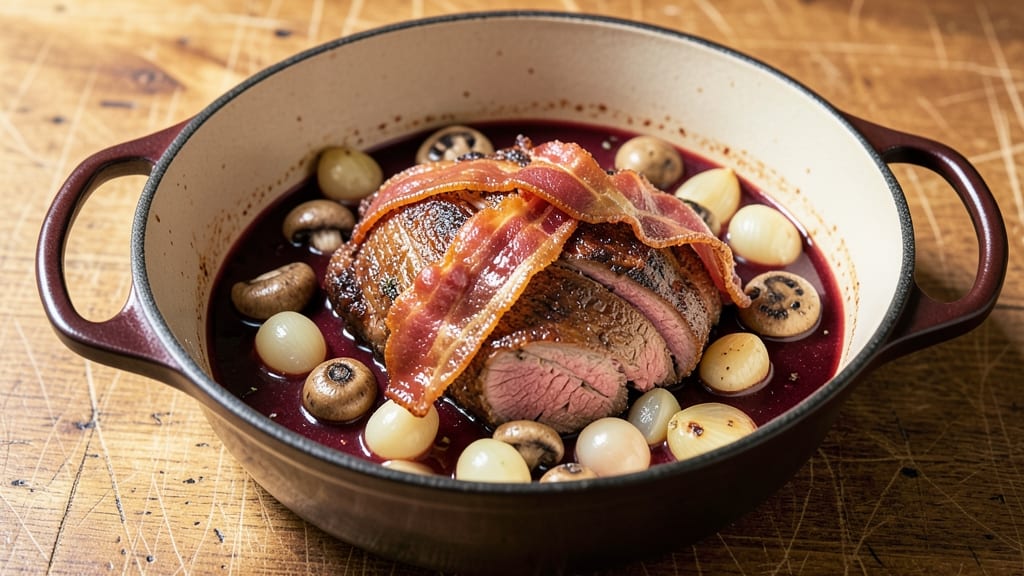
Auguste Escoffier's beef bourguignon transforms humble beef chuck into a restaurant-worthy masterpiece through slow braising and wine reduction. This classic French dish delivers deep, caramelized flavors where tender beef, mushrooms, and bacon meld into a rich, velvety sauce. The secret lies in patience—allowing the wine to reduce into a glossy, aromatic liquid that coats every bite.
The process begins with searing beef to develop a deep, meaty crust, then deglazing the pan with red wine to capture those flavorful browned bits. Caramelized mushrooms and bacon add layers of umami, while herbs like thyme and bay leaf infuse the sauce with aromatic depth.
What results is a dish that feels both elegant and comforting, perfect for special occasions or cozy weeknight dinners.
By the time it finishes braising at 300°F (150°C), the beef will be fork-tender, the mushrooms caramelized, and the sauce thick enough to cling to every noodle or slice of crusty bread.
The aroma alone will transform your kitchen into a Parisian bistro. This is the kind of recipe that rewards attention to detail with a dish that tastes like a labor of love.
Serve with buttery mashed potatoes or crusty baguette to soak up every last drop of that luxurious sauce. The techniques here are classic, but the result is timeless—proof that great cooking is about technique, not shortcuts. Let's get started on this French masterpiece.
Ingredients for auguste escoffier beef bourguignon
French bistro flavors start with these classic ingredients—each chosen for depth and authenticity.
| Ingredient | Amount | Notes |
|---|---|---|
| Beef Chuck Roast 🥩 | 2 ½ lb | Cut into 1.5-inch cubes |
| Thick-Sliced Bacon 🥓 | 8 oz | Cut into 1/2-inch pieces |
| Yellow Onion 🧅 | 1 whole | Sliced into 1/2-inch rounds |
| Garlic Cloves 🧄 | 6 cloves | Smashed, not minced |
| Cremini Mushrooms 🍄 | 16 oz | Quartered, stems removed |
| All-Purpose Flour 🌾 | 2 tbsp | For dredging beef |
| Dry Red Wine 🍷 | 2 cups | Bold Cabernet Sauvignon |
| Beef Stock 🍲 | 2 cups | Homemade or high-quality |
| Tomato Paste 🍅 | 2 tbsp | Smooth, not chunky |
| Fresh Thyme 🌿 | 2 sprigs | Or 1 tsp dried thyme |
| Fresh Bay Leaves 🍃 | 2 whole | Removed before serving |
| Olive Oil 🫒 | 2 tbsp | Extra-virgin preferred |
| Kosher Salt 🧂 | 1 ½ tsp | Adjust to taste |
| Ground Black Pepper 🌶️ | 1 tsp | Freshly cracked |
The beef is non-negotiable here. Chuck roast delivers that signature fall-apart tenderness—sirloin or ribeye won't cut it. Look for well-marbled cuts at Whole Foods or your local butcher shop. If buying pre-cut, ask for uniform 1.5-inch cubes to ensure even cooking. The bacon should be thick-sliced, like Oscar Mayer or Applewood-smoked from the deli counter. For mushrooms, cremini or shiitake add earthy depth—avoid white button mushrooms, which lack flavor. Thyme and bay leaves are best fresh, but if using dried, McCormick's gourmet line works well for consistent flavor.
No red wine? Dry sherry or beef broth with 1 tbsp balsamic vinegar works in a pinch, though the flavor won't be identical. The tomato paste can be skipped entirely if you dislike its intensity, but it adds a subtle sweetness that balances the acidity. For the flour, King Arthur or Gold Medal all-purpose work best—avoid self-rising. If you're short on time, pre-minced garlic from a jar is fine, but freshly smashed cloves release more flavor. The beef stock should be homemade if possible, but Knox or Swanson high-quality cubes are acceptable. For extra richness, add 1 tbsp cold butter at the end, though traditionalists will scoff.
This dish tastes even better the next day, so make a double batch if you're feeding a crowd. Store leftovers in an airtight container in the fridge for up to 5 days, or freeze for 3 months in portions. To reheat, warm gently on the stove with a splash of beef stock—never microwave, or the sauce will split. The bacon and mushrooms can be prepped ahead and refrigerated for 2 days before cooking. For serving, keep the bay leaves in the sauce until the very end, then remove them before plating. The aroma alone will make your kitchen smell like a Parisian bistro.
Why You'll Love This Recipe
- One-Pan Magic: I swear by this recipe when I’m too tired to scrub pots—just brown the beef, toss in the bacon and onions, then let it braise while I watch a show. The bacon renders into crispy bits that stick to everything, and the mushrooms melt into the sauce like they’re meant to be there.
- Deep, Rich Payoff: That slow simmer with red wine and thyme? It turns tough chuck roast into melt-in-your-mouth perfection, with a sauce so velvety it makes you forget you’re eating something that took hours. Honestly, the first bite after hours of cooking is worth every minute.
- Weeknight to Dinner Party: I make this for lazy Tuesdays (just serve with crusty bread) or impress guests (add a sprinkle of parsley and a glass of the same wine). Same recipe, two totally different vibes—no extra effort, just different presentation.
- Leftovers That Beg for More: Between us, the second day is often better than the first. The flavors deepen, the sauce thickens just right, and my kids actually ask for it—no bribes needed. Plus, it freezes beautifully, so I batch-make it when beef’s on sale and thank myself later.
Step-by-step instructions for auguste Escoffier's beef bourguignon
Master this classic French technique with perfect beef searing and wine reduction.
Sear the Beef and Bacon for Deep Flavor
Heat the 2 tablespoons olive oil in a heavy Dutch oven over medium-high heat until shimmering. Add the 8 ounces thick-sliced bacon cut into ½-inch pieces and cook for 5-6 minutes, stirring occasionally, until crispy and golden brown. Remove bacon with a slotted spoon and set aside, leaving the rendered fat in the pot.
Pat the 2.5 pounds beef chuck roast dry with paper towels and cut into 1.5-inch cubes. Season each piece generously with 1.5 teaspoons kosher salt and 1 teaspoon freshly cracked black pepper. Working in batches to avoid crowding, sear the beef in the bacon fat for 2-3 minutes per side until deeply browned and caramelized. This step builds the rich foundation of the dish—don't rush it. Transfer the seared beef to a plate and set aside.
Develop the Aromatics and Mushrooms
Reduce heat to medium and add the 1 whole yellow onion sliced into ½-inch rounds to the Dutch oven. Cook for 5 minutes until softened and lightly golden. Add the 6 smashed garlic cloves and cook for 30 seconds until fragrant, being careful not to burn them.
Increase heat to medium-high and add the 16 ounces quartered cremini mushrooms. Cook for 6-8 minutes until the mushrooms release their moisture and develop a golden crust. Stir occasionally to ensure even browning. This step transforms the mushrooms from bland to deeply caramelized—your secret to restaurant-quality texture.
Create the Wine Reduction
Sprinkle the 2 tablespoons all-purpose flour over the mushrooms and stir vigorously for 1 minute to cook off the raw flour taste. Pour in the 2 cups bold Cabernet Sauvignon and scrape up all the browned bits from the bottom of the pot with a wooden spoon. This deglazing step captures all the accumulated flavors.
Bring the mixture to a simmer and cook for 8-10 minutes until the wine reduces by half and thickens slightly. Add the 2 tablespoons tomato paste and stir to combine. The sauce should coat the back of a spoon—this is your base for the rich reduction. If the sauce looks too thick, add ¼ cup beef stock to loosen it.
Braise the Beef to Tender Perfection
Return the seared beef and crispy bacon to the Dutch oven. Add the 2 cups beef stock, 2 sprigs fresh thyme, and 2 whole fresh bay leaves. Bring to a gentle simmer, then reduce heat to low, cover, and transfer to a 325°F oven. Braise for 2.5 to 3 hours until the beef is fork-tender and easily pulls apart.
Check the beef after 2 hours—it should be tender but still have some resistance. If the sauce reduces too much, add ¼ cup water or stock to maintain moisture. The key is patience—the longer it braises, the more flavorful and tender the beef becomes. This low-and-slow method is what makes Escoffier's version legendary.
Finish and Serve with Confidence
Once the beef is tender, remove the Dutch oven from the oven and increase heat to medium-high on the stovetop. Simmer uncovered for 10-15 minutes to reduce the sauce further and thicken it into a glossy consistency. Taste and adjust seasoning with additional kosher salt or black pepper if needed.
Remove and discard the thyme sprigs and bay leaves before serving. Ladle the beef and mushrooms over mashed potatoes, crusty bread, or egg noodles. The dish should have a deep, wine-infused sauce with tender beef that practically melts in your mouth. Serve immediately while the sauce is at its peak richness.
Pro Tips For Making Auguste Escoffier Beef Bourguignon
- SEAR THE BACON FIRST: I used to toss the bacon in with the onions and garlic, but that’s a flavor crime. Cook the bacon alone in a cold pan until it’s crisp—no rushing—then remove it and set aside. The rendered fat becomes your searing liquid, and the bacon stays perfectly crisp instead of turning greasy when mixed in later.
- DON’T SKIP THE BLOOM: Let the flour sit on the beef for 10 minutes before browning. This step isn’t just about coating—it’s about hydration. The flour absorbs moisture from the meat, so when you sear, you get a deeper crust instead of a sad, damp paste. (Yes, even if you’re impatient like me.)
- LOW AND SLOW AFTER THE SEAR: After deglazing, reduce the heat to a simmer—not a boil—and cover the pot. I learned this the hard way: boiling the wine too hard turns it into vinegar faster than you can say "Escoffier." A gentle simmer keeps the flavors layered, not harsh.
- UPGRADE WITH MUSHROOM JUICE: After sautéing the mushrooms, don’t toss the pan drippings—strain them and add them back to the sauce. That caramelized mushroom liquid adds depth without extra effort. (Your future self will notice the difference, even if you don’t at first.)
Best sauces and condiments for these flavors
Red Wine Reduction
The heart of bourguignon lies in its wine reduction, where bold Cabernet Sauvignon transforms into a velvety sauce. For the best results, use a dry red wine with 12-14% alcohol—like Louis Martini or Apothic Red—to balance acidity and richness.
Deglaze the pan immediately after searing to capture those precious browned bits (fond) that pack intense flavor. Simmer the wine uncovered to concentrate its essence—never skip this step, as it's what elevates homemade sauce to restaurant quality. 🍷
Mushroom Caramelization
Caramelized mushrooms add umami depth that makes this dish unforgettable. Start with cremini or shiitake mushrooms—they hold their shape better than white buttons. Cook them in two batches if needed, stirring frequently to avoid steaming.
For extra richness, finish with 1 tablespoon butter in the last 2 minutes of cooking. This technique transforms bland mushrooms into golden, flavorful bites that melt in your mouth. 🍄
Herb-Infused Sauce
Fresh thyme and bay leaves are non-negotiable for authentic flavor. Add them during braising to infuse the sauce with aromatic notes. For a modern twist, try adding 1 tsp smoked paprika or ½ tsp ground juniper berries (if you're adventurous) to deepen the earthy complexity.
Remove the herbs before serving—never serve them, as they can be tough. A pinch of black pepper at the end brightens the dish. ✨
Butter Finish
A cold butter finish (called monté au beurre in French cuisine) adds luxurious mouthfeel. Stir in 2 tablespoons cold butter during the final 5 minutes of sauce reduction—this creates tiny butter bubbles that make the sauce silky and glossy.
For extra decadence, use European-style butter like Plugrá or Kerrygold. This step is optional but worth the effort for a restaurant-worthy touch. 🧈
Pan Sauce Upgrade
Save the bacon fat from rendering for a quick pan sauce. After removing the bourguignon, deglaze the Dutch oven with ½ cup red wine, reduce by half, then whisk in 1 tablespoon Dijon mustard and 1 tablespoon cold butter.
Drizzle over the beef at the table—this adds a bright, tangy contrast to the rich main dish. Perfect for when you want leftovers to feel special. 💫
Nutrition facts
Frequently asked questions
Why does beef bourguignon need to braise for so long?
The long braising time (2.5-3 hours) is essential for transforming tough beef chuck into tender, fork-tender perfection. The slow cooking process breaks down collagen in the meat, creating a rich, gelatinous sauce that coats every bite. This method also allows all the flavors—wine, herbs, and bacon—to meld together harmoniously. Skipping this step results in chewy beef and a less flavorful dish.
Can I use a different cut of beef instead of chuck roast?
While chuck roast is ideal for its marbling and tenderness, you can use short ribs or stew beef as substitutes. Avoid lean cuts like sirloin or filet mignon—they won't become tender during braising. If using short ribs, reduce the braising time to 2 hours since they cook faster. Always cut the meat into even-sized pieces for consistent cooking.
What if my sauce is too thin after braising?
If the sauce is too thin, simmer it uncovered on medium-high heat for 10-15 minutes to reduce it further. For extra thickness, mix 1 tablespoon cornstarch with 2 tablespoons cold water, stir it into the sauce, and simmer for 2-3 minutes until it thickens. Avoid adding flour directly—it can create lumps. If the sauce is still too thin, reduce the heat and simmer longer, stirring occasionally.
How do I make this recipe vegetarian?
Replace the beef with mushroom or lentil stew for a hearty vegetarian version. Use 2 cups brown or green lentils cooked until tender, or 12 oz portobello mushrooms sliced thickly. Skip the bacon and use olive oil for cooking. For extra richness, add 1 tablespoon soy sauce or miso paste to the sauce. The dish will still have deep, umami flavors even without meat.