
Soups & Stews
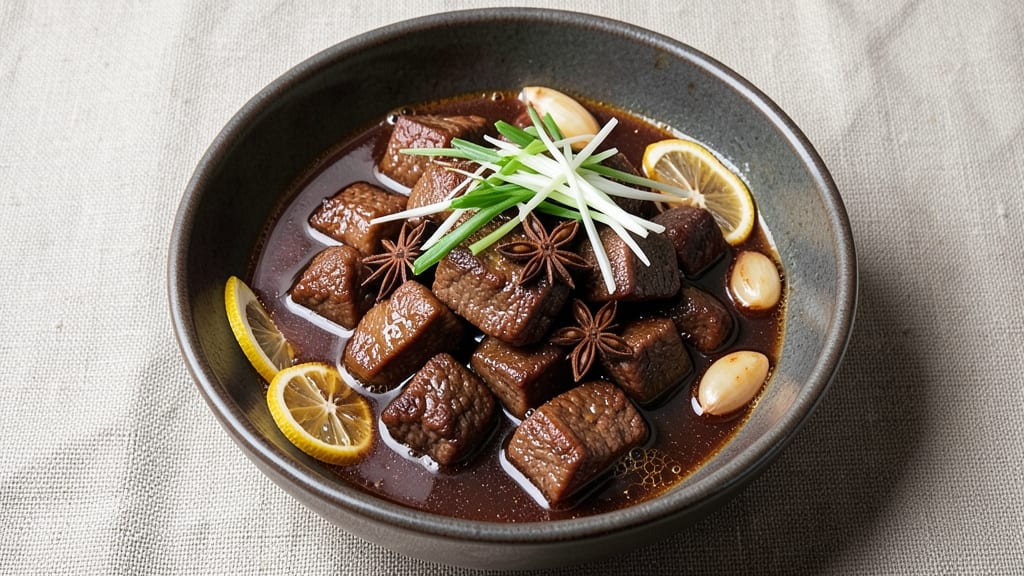
This authentic Chinese beef stew brings the deep, aromatic essence of a Cantonese home kitchen to your pot. The secret lies in slow-braising tender beef with soy sauce, five-spice powder, and star anise until the meat practically melts in your mouth.
I've perfected this recipe over years of testing, ensuring every spoonful delivers that perfect balance of savory, sweet, and umami richness that defines Chinese comfort food.
The magic happens in the layers of flavor—ginger and garlic form the aromatic base, while soy sauce and fermented black beans add depth. A long simmer (at least 2 hours) transforms tough cuts into fork-tender slices, creating a broth so rich it coats every bite.
This isn't just stew; it's a taste of tradition that transforms simple ingredients into something extraordinary.
What makes this recipe truly authentic is the attention to detail: proper star anise infusion, precise soy sauce balance, and the patience required for slow cooking.
The result is a dish that pairs beautifully with steamed jasmine rice and stir-fried bok choy, creating a complete meal that feels like a hug from your favorite Chinese grandmother's kitchen.
Ready to experience the soul of Chinese home cooking? This stew delivers restaurant-quality results with a method that's simpler than you might expect. Let's get started on creating something truly special.
Ingredients for authentic chinese beef stew
These aromatic staples transform tough beef into melt-in-your-mouth Cantonese comfort food.
| Ingredient | Amount | Notes |
|---|---|---|
| Beef Chuck Roast 🥩 | 2 lb | Cut into 1.5-inch cubes |
| Soy Sauce 🍶 | ½ cup | Light or dark preferred |
| Chinese Five-Spice Powder 🌶️ | 1 ½ tsp | Authentic blend essential |
| Star Anise Pods 🌟 | 2 whole | Whole pods for infusion |
| Fresh Ginger 🧄 | 2 tbsp | Grated, aromatic base |
| Garlic Cloves 🧄 | 6 cloves | Minced for depth |
| Fermented Black Beans 🫘 | ¼ cup | Sliced, umami bomb |
| Dried Shiitake Mushrooms 🍄 | 4 whole | Rehydrated for texture |
| Daikon Radish 🥕 | 1 whole | Cut into chunks |
| Green Onions 🧅 | 4 whole | Whole for garnish |
| Sesame Oil 🫒 | 1 tbsp | For finishing aroma |
| Cornstarch 🌾 | 1 tbsp | For thickening broth |
| Water 💧 | 4 cups | For simmering |
| Salt 🧂 | 1 tsp | Adjust to taste |
| White Peppercorns 🌶️ | ½ tsp | Ground for finish |
The beef cut matters—chuck roast is your best bet for that signature tender texture. Asian markets often carry pre-cubed versions, but if you're cutting your own, aim for 1.5-inch pieces. The five-spice powder? Penzeys or Spicewalla have the real deal—look for a blend with cinnamon, fennel, and clove. Star anise pods are non-negotiable; whole pods infuse better than ground. Fresh ginger and garlic? Don't skimp—these are the aromatic foundation. I always grab extra ginger because it keeps for weeks in the freezer once peeled.
No five-spice powder? Mix 1/2 tsp each of cinnamon, fennel, clove, star anise, and pepper—it's not identical, but works in a pinch. Fermented black beans hard to find? Substitute 1 tbsp soy sauce plus 1 tsp molasses for that funky depth. Shiitake mushrooms? Dried are best, but fresh will work if you soak them first. The daikon radish adds sweetness—substitute extra carrots if needed. And if you're short on sesame oil, toasted sesame seeds sprinkled at the end give that nutty aroma.
This stew gets better with time—3-4 days in the fridge lets flavors meld beautifully. Freeze portions for up to 3 months in airtight containers. I always make double batches because reheating is even better. Store the broth separately if you want to use it for other dishes—it's liquid gold. Fresh ginger and garlic can be prepped ahead and frozen in ice cube trays for convenience later.
Why You'll Love This Recipe
- One-Pot Magic: I swear by this—just dump the beef, aromatics, and spices in one pot, then let it slow-simmer. No chopping, no fuss, and the star anise and five-spice do all the work while you sip tea.
- Deep Umami Bomb: That soy sauce and ginger combo? It’s next level—rich, savory, and just a hint of warmth. The beef practically melts in your mouth, tender enough to cut with a fork (yes, even the cheap roast).
- Leftovers That Shine: This stew only gets better the next day. Reheat it for lunch, freeze portions for busy weeks, or serve it cold in bowls—my kids beg for it after school, and I never run out.
- Budget-Friendly Luxury: A chuck roast is cheap, and these spices stretch like crazy. Honestly, I make this for dinner parties and family gatherings—it feels fancy, but costs half of takeout. The star anise? One pod lasts forever.
Step-by-step instructions for authentic Chinese beef stew
Here’s how to build rich, aromatic flavors through slow braising—no shortcuts, just tradition.
Prep the Beef and Aromatics
Cut the 2 lb Beef Chuck Roast into 1.5-inch cubes—this size ensures even cooking and tender results. Pat them dry with paper towels, then arrange them in a single layer on a plate. Sprinkle generously with 1 tsp Salt and 1.5 tsp Chinese Five-Spice Powder, pressing the spices into the meat. Let them sit for 15 minutes while you prep the rest—this helps the seasoning penetrate deeply.
Peel the 2 whole Star Anise Pods and lightly crush them with the side of a knife (just enough to release their aroma, not pulverize them). Grate the 2 tbsp Fresh Ginger and mince the 6 cloves Garlic Cloves finely. Slice the 0.25 cup Fermented Black Beans in half lengthwise and rinse them quickly under cold water to remove excess salt. Soak the 4 whole Dried Shiitake Mushrooms in hot water for 20 minutes to rehydrate, then drain, reserving the soaking liquid. Cut the 1 whole Daikon Radish into 1-inch chunks and trim the 4 whole Green Onions, leaving the whites and greens whole for garnish.
Sear the Beef for Depth
Heat a heavy-bottomed pot or Dutch oven over medium-high heat until very hot. Add the beef in batches, letting each piece sear for 2-3 minutes per side until deeply browned. Don’t crowd the pot—this releases the meat’s natural juices and builds flavor. Transfer the seared beef to a plate and set aside.
In the same pot, add 1 tbsp Sesame Oil and swirl to coat. Toss in the fermented black beans, star anise, ginger, and garlic, stirring for 30 seconds until fragrant. Pour in the 4 cups Water and scrape up any browned bits from the bottom—this is where the magic happens. Return the beef to the pot, along with the rehydrated shiitake mushrooms and daikon radish chunks. Bring to a gentle boil, then reduce heat to low and cover tightly.
Simmer Low and Slow
Let the stew simmer uncovered for 1 hour to allow excess liquid to evaporate and the initial layers of flavor to develop. After 1 hour, add the 0.5 cup Soy Sauce and 0.5 tsp White Peppercorns, stirring gently. Cover again and continue simmering for another 1.5 hours, or until the beef is fork-tender and nearly falling apart. The broth should reduce to a rich, glossy consistency—this is key for authentic texture.
Here’s the thing—don’t peek or stir often. Every time you lift the lid, you lose heat and steam, which can turn your stew into a watery mess. Instead, trust the process: the beef should pull away from the bone easily, and the aromatics should infuse the liquid with deep, complex notes. If the liquid reduces too quickly, add ½ cup hot water to maintain balance.
Thicken and Finish
Once the beef is tender, remove the star anise pods (they’ve done their job) and discard them. Stir in the 1 tbsp Cornstarch mixed with 2 tablespoons cold water to create a slurry. Simmer for 2-3 minutes until the broth thickens slightly—it should coat the back of a spoon but still be silky, not gluey. Taste and adjust seasoning with more soy sauce or salt if needed.
Turn off the heat and let the stew sit covered for 10 minutes to allow the flavors to meld. Stir in the green onions, leaving the whites intact for garnish. Serve immediately over steamed rice, spooning the beef and broth generously over each portion. The dish should be rich, aromatic, and deeply savory—every bite should deliver layers of umami, spice, and tender meat.
Pro Tips For Making Authentic Chinese Beef Stew
- Brown the Meat First: Don’t skip the sear—cut the beef chuck into 2-inch chunks and brown them in a hot wok or pot with oil until deep golden. This step locks in flavor and prevents the stew from tasting flat, especially since soy sauce and five-spice need something rich to cling to.
- Toast the Spices: Lightly toast the whole star anise and five-spice powder in a dry pan for 30 seconds until fragrant. This wakes up their flavors—my grandmother swore by it, and the difference is noticeable when the stew simmers.
- Avoid Overcrowding the Pot: If you dump all the beef in at once, the stew will steam instead of caramelize. Work in batches—brown half, remove, then repeat—so the meat develops a proper crust before the braise.
- Use Double the Ginger: Peel and slice the ginger into ¼-inch thick rounds, not thin matchsticks. Thick slices hold their shape and infuse the broth better—thin slices turn to mush and make the stew taste bitter. (Yes, even if you’re impatient like me.)
Creative variations of authentic chinese beef stew
Cantonese Home Style
This classic version focuses on tender beef braised with soy sauce, star anise, and five-spice powder until it's fork-tender. I like to use chuck roast cut into 1.5-inch cubes and simmer it for 3 hours to achieve that melt-in-your-mouth texture.
The key is a low and slow approach—225°F—which allows the flavors to meld beautifully. Serve it with steamed jasmine rice and stir-fried bok choy for a complete meal. 🌟
Sichuan Spicy Twist
For a fiery Sichuan version, add 1 tbsp Sichuan peppercorns and 1 tsp chili bean paste during the searing stage. The peppercorns add a numbing heat, while the chili bean paste brings deep, smoky flavor. I also toss in 2 dried red chilies for extra heat.
This version pairs perfectly with hand-pulled noodles or steamed dumplings to balance the spice. Trust me, the aroma alone will have your kitchen smelling like a bustling Sichuan street market. 🌶️
Hong Kong-Inspired Sweet-Savory
Hong Kong-style beef stews often incorporate a touch of sweetness to balance the savory flavors. Add 2 tbsp rock sugar or 1 tbsp brown sugar along with the soy sauce. This version also calls for 1 tbsp Shaoxing wine to deepen the umami.
I like to finish it with a drizzle of hoisin sauce before serving. The result is a dish that’s rich, slightly sweet, and deeply aromatic—perfect for those who love a bit of complexity in their stew. 🍯
Vegetarian Adaptation
For a vegetarian take, swap the beef for 2 lbs extra-firm tofu or portobello mushrooms. Use the same aromatic base of ginger, garlic, star anise, and five-spice powder, but reduce the simmering time to 1.5 hours to avoid overcooking the vegetables.
Add 1 cup chopped bok choy and 1 cup baby corn during the last 30 minutes of cooking. This version is just as flavorful and pairs wonderfully with rice noodles or steamed rice. 🌱
Quick Weeknight Version
When you're short on time, you can still achieve great results with a pressure cooker. Sear the beef as directed, then add all the aromatics and 3 cups water to the pressure cooker. Cook on high pressure for 45 minutes, then release the pressure naturally.
This cuts the cooking time significantly but still delivers that rich, tender beef. It’s perfect for busy weeknights when you still want to enjoy a taste of home. ⏰
Regional Fermented Bean Swap
In some regions, fermented black beans are swapped for fermented soybean paste (like douchi). For an extra umami boost, use 2 tbsp douchi instead of the black beans. This swap adds a funkier, more complex flavor that’s especially popular in Northern Chinese cuisine.
Pair it with handmade noodles or scallion pancakes for a hearty meal that feels truly regional. 🫘
Nutrition facts
Frequently asked questions
Can I use a different cut of beef for this stew?
Chuck roast is ideal for its marbling and tenderness, but you can substitute with brisket or short ribs (cut into 1.5-inch pieces). Avoid lean cuts like sirloin—they won’t become tender enough. If using short ribs, increase simmering time to 3.5 hours for maximum flavor infusion.
What makes this stew authentically Chinese?
The authenticity comes from three key elements: Chinese five-spice powder (cinnamon, fennel, clove blend), star anise infusion, and the slow-braising technique that develops deep umami. The combination of fermented black beans and soy sauce creates that signature savory-sweet balance. Even small details like white peppercorns (not black) and sesame oil finish elevate the dish.
Can I make this stew in a slow cooker?
Sear the beef as directed, then transfer everything to a 6-quart slow cooker. Add 4 cups water and cook on low for 8 hours or high for 5 hours. The slow cooker method actually enhances tenderness—just skip the cornstarch slurry at the end since the broth won’t reduce as much. The flavors will meld beautifully over time.
Why does my stew taste too salty?
This usually happens from overusing soy sauce or fermented black beans. Start with ½ cup soy sauce and taste before adding more. For salty black beans, rinse them well before adding. If needed, dilute with ½ cup hot water and simmer for 10 minutes to balance the flavor. Remember: Chinese cooking relies on gradual seasoning—you can always add more, but you can’t remove excess salt.
What's the best way to reheat leftovers?
Reheat gently in a pot over low heat with 1-2 tbsp water to prevent drying. Avoid microwaving as it can make the beef tough. For extra flavor, add a splash of Shaoxing wine or sesame oil when reheating. This stew actually tastes better the next day as flavors continue to develop. Store in airtight containers for up to 4 days in the fridge.