
Main Courses
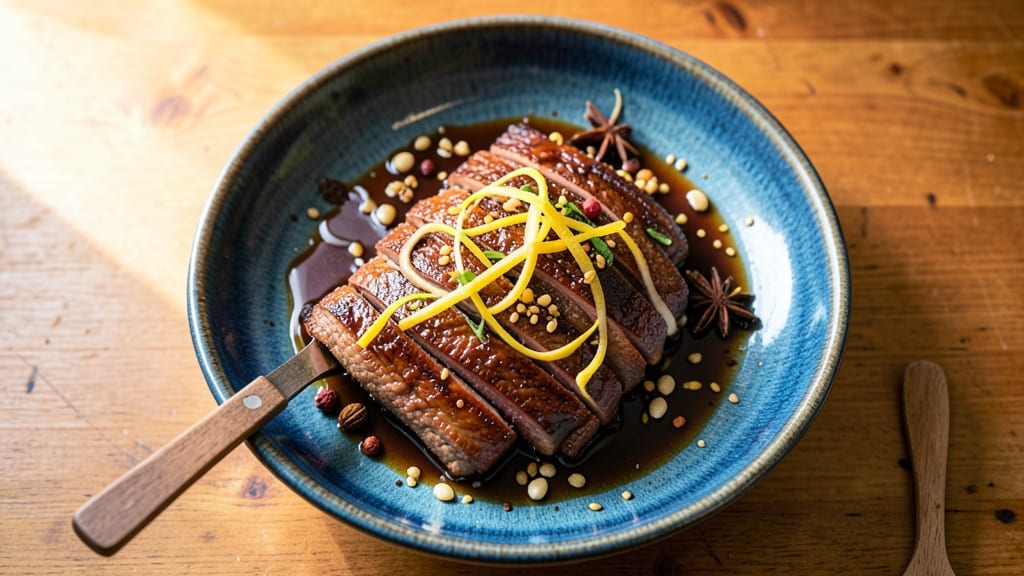
This authentic ginger beef recipe transports you straight to a bustling wok station in a dim sum house, where the aroma of fresh ginger, garlic, and star anise transforms tough cuts into tender, fragrant bites.
The secret lies in marinating the beef overnight—allowing the spices to penetrate deeply—before a quick sear in a hot wok that locks in juices and creates that signature caramelized crust.
I developed this version after years of refining techniques from both Cantonese and Sichuan traditions, ensuring the balance of heat, sweetness, and herbal brightness that defines this dish.
The beauty of this recipe is its versatility—it works equally well as a weeknight dinner or a showstopper for guests. While traditional versions often rely on braising, I’ve adapted the method for home cooks using a combination of stir-frying and quick simmering to achieve restaurant-quality tenderness in under an hour.
The ginger isn’t just an ingredient here; it’s the heart of the dish, its sharp, zesty notes cutting through the richness of the beef and balancing the umami from soy and fermented black beans.
What you’ll end up with is a dish that’s vibrant, aromatic, and deeply satisfying—beef that’s fork-tender with a glossy, sticky glaze, studded with fresh cilantro and scallions for brightness.
Serve it over steamed jasmine rice to soak up every last drop of that fragrant sauce, or pair it with quick-pickled vegetables to cut through the richness. The key is patience in the marinating and precision in the cooking, but the result is worth every minute.
This isn’t just another stir-fry recipe—it’s a celebration of flavor, technique, and tradition. Whether you’re cooking for family or impressing friends, the authenticity comes through in every bite. Let’s get started on creating something truly special.
Ingredients for authentic ginger beef
Authentic wok-fired flavors start with these carefully selected, aromatic ingredients.
| Ingredient | Amount | Notes |
|---|---|---|
| Flank Steak 🥩 | 1 ½ lb | Cut into 1-inch strips, boneless |
| Fresh Ginger Root 🧄 | 3 oz | Peeled, julienned lengthwise |
| Garlic Cloves 🧄 | 8 cloves | Minced, aromatic |
| Star Anise Pods 🌿 | 2 whole | Lightly crushed, aromatic |
| Sichuan Peppercorns 🌶️ | 1 tsp | Toasted, ground |
| Dark Soy Sauce 🥄 | ½ cup | Kecap manis preferred |
| Light Soy Sauce 🥄 | ¼ cup | For balance |
| Shaoxing Wine 🍷 | ¼ cup | Substitute dry sherry |
| Fermented Black Beans 🫘 | ¼ cup | Rinsed, chopped |
| Brown Sugar 🍚 | 2 tbsp | Packed, for caramelization |
| Sesame Oil 🫒 | 1 tbsp | Toasted, aromatic |
| Cornstarch 🌾 | 1 tbsp | Slurry with water |
| Fresh Cilantro 🌿 | ¼ cup | Chopped, for garnish |
| Green Onions 🧅 | 4 whole | Sliced, for garnish |
| Vegetable Oil 🫒 | ½ cup | High smoke point |
The flank steak is non-negotiable here—its lean cut transforms beautifully with proper marinating. Look for grass-fed options at Whole Foods or your local butcher for deeper flavor. The ginger should be fresh, firm, and vibrant (no shriveled roots), and Asian markets often carry the best quality. Star anise and Sichuan peppercorns are the soul of this dish—Penzeys Spices carries authentic whole pods, but check the bulk bins at Trader Joe's for budget-friendly options. Fermented black beans add umami depth; Asian grocery stores stock them in jars, or use salted black beans in a pinch.
No Shaoxing wine? Dry sherry or mirin work beautifully—just reduce by half the amount. Substituting dark soy sauce? Miso paste (1 tbsp) + extra light soy sauce adds complexity. The cornstarch slurry is critical for that signature glossy finish—don't skip it. For the cilantro, Thai basil makes an excellent variation if you're feeling adventurous. All spices should be toasted lightly before grinding to enhance their aromatic profiles. The green onions can be swapped for scallions** if preferred, though the white parts add extra sweetness.
Marinate the beef for at least 8 hours (overnight is ideal) to maximize tenderness. Store raw marinade separately and discard after use. The cooked dish reheats beautifully—3-5 minutes in a wok restores that wok-fired aroma. Keeps for 3 days in the fridge or 3 months frozen. For meal prep, portion into airtight containers with a thin layer of oil on top to preserve freshness. The sauce thickens as it cools, so add a splash of water when reheating if needed.
Why You'll Love This Recipe
- Here’s what sold me: this tastes just as amazing cold as it does hot. Pack it in rice bowls for work lunches, and no one will guess it’s leftovers. (Yes, even on a Tuesday night.)
- One-Pot Magic: I swear by this recipe when I’m too tired to scrub a million pans. The star anise and Sichuan peppercorns infuse the oil in minutes—no fancy techniques, just a quick sear and simmer. That’s it. Done.
- Flavor Bomb: Between us, the ginger and garlic alone make this dish ridiculously good—but add those star anise and peppercorns? Suddenly, it’s got depth, warmth, and a little kick that lingers. The steak stays tender while soaking up all the aromatic goodness.
- Lunchbox Hero: Here’s what sold me: this tastes just as amazing cold as it does hot. Pack it in rice bowls for work lunches, and no one will guess it’s leftovers. (Yes, even on a Tuesday night.)
Step-by-step instructions for authentic ginger beef
Master this wok technique for restaurant-quality ginger beef with perfect balance of spice and freshness.
Marinate the Flank Steak for Maximum Flavor
Cut the 1.5 lb flank steak into 1-inch strips against the grain for tender bites. In a large bowl, combine the 0.5 cup dark soy sauce, 0.25 cup light soy sauce, 0.25 cup Shaoxing wine, 2 tbsp brown sugar, 1 tbsp sesame oil, 3 oz julienned ginger root, 8 minced garlic cloves, 2 crushed star anise pods, and 1 tsp ground Sichuan peppercorns. Add the steak strips and toss until completely coated.
Cover the bowl and refrigerate for at least 4 hours (overnight is ideal). This extended marinating ensures deep flavor penetration and tenderizes the meat. The ginger and Sichuan peppercorns will infuse the beef with their signature warmth while the soy sauces create an umami-rich base. Don't skip this step—it's what transforms ordinary beef into authentic restaurant-quality ginger beef.
Prepare the Fermented Black Bean Sauce
In a small bowl, combine the 0.25 cup rinsed chopped fermented black beans with 1 tbsp cornstarch and 1 tablespoon water to create a slurry. Set aside. This sauce will add depth and complexity to your dish, balancing the heat from the Sichuan peppercorns with its fermented richness.
The fermented black beans should be chopped into small pieces—about ¼-inch—to distribute evenly throughout the dish. If they're too large, they'll create texture inconsistencies. This step is where the authentic character of the dish comes through, so don't substitute with regular black beans. The cornstarch slurry will help thicken the sauce at the perfect moment, creating that signature glossy finish.
Wok-Fry the Beef to Perfect Doneness
Heat a wok or large skillet over high heat until smoking. Add 0.5 cup vegetable oil and swirl to coat. Working in batches to avoid crowding, add the marinated beef strips and stir-fry for 2-3 minutes until they develop a deep brown color. The high heat is crucial—it creates the wok hei (breath of the wok) that gives authentic stir-fried dishes their signature smoky aroma.
Remove the beef from the wok and set aside. If you notice any excess marinade pooling at the bottom, scrape it up with a wooden spoon—these flavorful bits are pure gold. The beef should be 80% cooked at this stage, with just a touch of pink remaining in the center. This carryover cooking ensures perfect doneness when everything comes together. Don't overcook here—you'll finish cooking the beef in the sauce.
Build the Signature Sauce
Return the wok to high heat and add the fermented black bean slurry. Stir constantly for 1-2 minutes until the sauce begins to thicken. Add the cooked beef back to the wok along with 4 sliced green onions and toss everything together for 1-2 minutes until the sauce coats the beef evenly and the green onions soften slightly.
The sauce should be glossy with just enough body to cling to the beef without being gluey. If it's too thick, add 1-2 tablespoons of water to loosen it. The Sichuan peppercorns will create a subtle tingling sensation that builds with each bite, while the ginger's freshness cuts through the richness. This is where all the flavors come together—don't rush this step. The beef should be heated through with just a hint of residual pink in the center.
Finish and Garnish for Presentation
Remove the wok from heat and stir in the 0.25 cup chopped fresh cilantro. This final garnish adds brightness and freshness that balances the deep, complex flavors. Taste and adjust seasoning if needed—you might want to add a splash more light soy sauce for balance or a pinch of salt to enhance the flavors.
Serve immediately over steamed jasmine rice or noodles, garnished with additional green onions. The dish should be vibrant with deep red hues from the soy sauce, glossy from the sesame oil, and aromatic with the scent of ginger and star anise. Each bite should deliver perfect texture—tender beef with a slight chew, coated in a glossy sauce that's neither too thick nor too thin. The authentic balance of spice, freshness, and umami is what makes this dish truly special.
Pro Tips For Making Authentic Ginger Beef
- Slice Thin, Slice Even: Flank steak’s tough fibers need to be cut against the grain—and thin enough to cook fast. Aim for ¼-inch slices, no thicker, or you’ll end up with chewy chunks. I used to eyeball it and regret it every time.
- Toast Whole Spices First: Star anise and Sichuan peppercorns aren’t just flavor boosters—they’re aroma bombs. Lightly toast them in a dry pan for 30 seconds until fragrant before adding to the sauce. Skipping this means half the depth of flavor, and no one wants that.
- Don’t Overcrowd the Pan: If you’re searing the steak in batches, resist the urge to pile everything in at once. A crowded pan steams instead of sears, and you’ll end up with soggy ginger and dull garlic. Two minutes per side max, then set aside—patience here makes all the difference.
- Use a Knife, Not Your Teeth: Fresh ginger’s tough skin and fibrous flesh are no match for molars. Peel it first, then slice it thinly—about ⅛-inch thick—so it softens but doesn’t turn to mush. I learned this after biting into a chunky, undercooked slab in my first attempt. (Yes, I was embarrassed.)
Pro cooking tips for this recipe
Wok Hei Mastery
That signature smoky aroma—wok hei—comes from maintaining high heat and proper oil control. Heat your wok or cast iron skillet over medium-high heat until it's smoking hot before adding oil. I use avocado oil (high smoke point of 520°F) for maximum heat tolerance.
Swirl the oil continuously to create a thin, even layer—about 1/8-inch deep—so the beef sears beautifully without steaming. 🔥
For authentic results, work in small batches—never overcrowd the wok. I aim for no more than 1/3 of the wok's capacity at a time. Overcrowding steams the beef instead of searing, resulting in soggy texture.
Use tongs to toss the beef continuously for 2-3 minutes per batch until deep brown crusts form. This quick sear locks in juices while developing the Maillard reaction for maximum flavor.
Marinating Secrets
The overnight marinade is non-negotiable for authentic tenderness. I recommend using a glass or ceramic bowl (not metal) to prevent reactions with acidic ingredients. The Shaoxing wine and dark soy sauce combination creates a perfect balance of sweetness and umami, while the Sichuan peppercorns add that signature tingling heat.
For extra penetration, I like to pound the beef strips lightly with a meat mallet before marinating—this creates more surface area for flavor absorption.
Pro tip: Don't skip the ginger julienne—thin strips (about 1/8-inch thick) infuse flavor better than minced ginger. I also add 1 tsp of baking soda to the marinade (discard before cooking) to help tenderize the meat further.
This trick works particularly well with flank steak, which can be tough if not treated properly. The marinade should completely coat the beef—no dry spots!
Sauce Control
The fermented black bean slurry is where the magic happens. I recommend using high-quality fermented black beans (available at Asian markets or online from Penzeys Spices). For the slurry, mix the beans with cornstarch and water until smooth—this prevents clumping when added to the hot wok.
The sauce should thicken to a glossy, coatable consistency within 1-2 minutes of stirring.
If your sauce becomes too thick, add water in small increments (start with 1 tsp) while stirring constantly. The goal is a sauce that clings beautifully to the beef without being gluey.
For extra depth, I sometimes add 1/2 tsp of white pepper at this stage to complement the Sichuan peppercorns. The final sauce should be smooth, vibrant, and slightly sticky—this ensures every bite is packed with flavor.
Heat Management
After searing the beef, reduce heat to medium before adding the sauce. This prevents burning while allowing the sauce to thicken properly. I use a wok with sloped sides (like a Made In wok) for better heat distribution, but a heavy-bottomed cast iron skillet works too.
The key is constant stirring—especially during the first 30 seconds after adding the slurry—to prevent sticking and ensure even cooking.
For the final toss with beef, return to medium-high heat just long enough to warm through (30-60 seconds). The beef should reach 160°F internal temperature—just slightly pink in the center.
Overcooking here will make the beef tough. Use an instant-read thermometer to check doneness if you're unsure. The sauce should be hot but not boiling when combined with the beef.
Nutrition facts
Frequently asked questions
Can I substitute flank steak with another cut of beef?
Yes, but choose wisely! Sirloin or ribeye work well as they're tender and flavorful. Avoid tougher cuts like chuck—they won't become tender enough with this quick cooking method. If using sirloin, slice it thinly (¼-inch) against the grain for best results. For extra tenderness, marinate for 12+ hours instead of the minimum 4 hours.
How do I make this recipe less spicy?
Reduce the Sichuan peppercorns to ½ teaspoon or omit them entirely. For milder heat, swap with ½ teaspoon white pepper instead. The ginger and star anise will still provide depth without the tingling sensation. If you love ginger but want less heat, increase the ginger to 4 oz while keeping other spices at original amounts.
What's the best way to reheat leftovers?
Reheat in a wok or skillet over medium-high heat with 1 tablespoon oil for 2-3 minutes, stirring constantly. Add 1-2 tablespoons water to loosen the sauce. For microwave reheating, cover with a damp paper towel and heat for 45-60 seconds. The wok method preserves that authentic wok hei aroma better than microwave.
Can I make this dish without Shaoxing wine?
Use dry sherry or mirin as substitutes—both add sweetness and depth. For a non-alcoholic version, use apple juice or rice vinegar (reduce by half the amount). The key is maintaining the 1:1 ratio with the soy sauces. If using vinegar, add ½ teaspoon sugar to balance the acidity.
Why did my beef turn out tough?
Most likely, you didn't slice against the grain or marinate long enough. Always cut beef perpendicular to muscle fibers for tenderness. For extra insurance, pound the meat lightly before marinating. Also ensure your wok is hot enough—beef should cook in 2-3 minutes per batch, not longer. Overcrowding the wok also causes steaming instead of searing.