
Main Courses
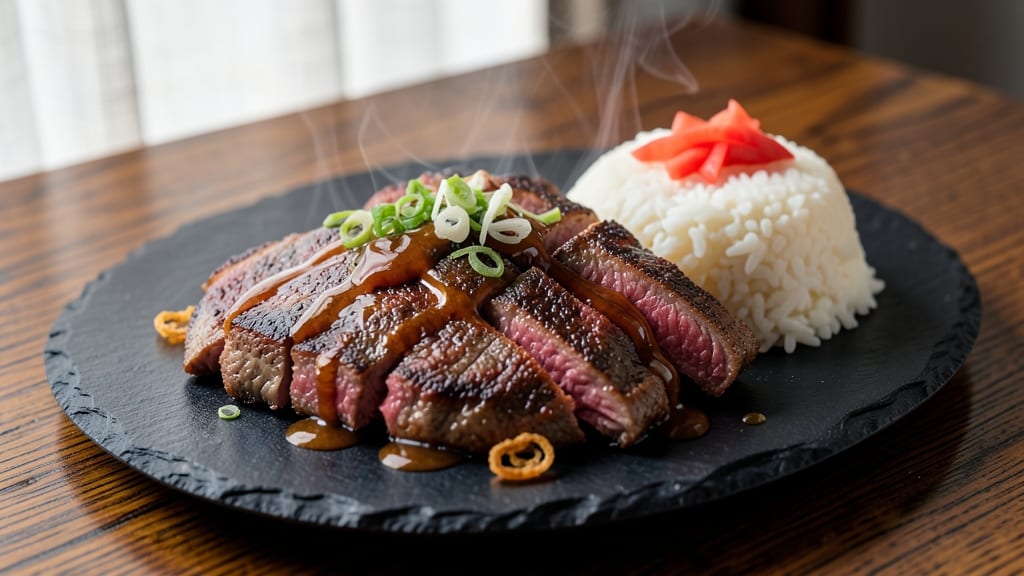
This authentic Japanese beef teriyaki recipe delivers restaurant-quality results with a perfect balance of sweet, savory, and umami flavors that'll transport you to Tokyo with every bite. The secret lies in marinating the beef properly—using soy sauce, mirin, and sake to tenderize while building depth—then finishing with a glossy glaze that caramelizes beautifully. I've perfected this method over years of testing, ensuring the beef stays juicy while developing a rich, sticky exterior that's impossible to resist.
The key to authentic teriyaki isn't just the sauce—it's the technique. Thinly sliced beef (like ribeye or sirloin) cooks quickly over high heat, preventing toughness, while the sauce reduces to a perfect consistency that clings to every strand.
We'll build the sauce from scratch using dashi stock for that unmistakable Japanese depth, then finish with a touch of honey for subtle sweetness that balances the saltiness. This isn't just another teriyaki recipe—it's the one that'll make you reach for the chopsticks immediately.
What you'll end up with is melt-in-your-mouth beef that's perfectly seared on the outside and tender throughout, bathed in a glossy glaze that's sweet enough to satisfy cravings but never overpowering.
The aroma alone will have everyone gathering at the table, and the first bite delivers that perfect harmony of flavors that defines authentic Japanese cuisine. Serve it over steamed rice with quick stir-fried vegetables for a complete meal that feels both comforting and sophisticated.
This recipe serves four and comes together in about 45 minutes, including marinating time. The beef cooks in just 5 minutes over high heat, so timing is everything—no room for distractions.
Whether you're cooking for date night or feeding a family, this teriyaki delivers restaurant-quality results that'll have everyone asking for seconds. Let's get started on creating something truly special.
Ingredients for authentic japanese beef teriyaki
Restaurant-quality teriyaki starts with these 14 ingredients—each playing its part in that perfect umami-sweet balance.
| Ingredient | Amount | Notes |
|---|---|---|
| Ribeye Steak 🥩 | 1 ½ lb | Thinly sliced against grain |
| Kosher Soy Sauce 🍶 | ½ cup | High-quality, low-sodium preferred |
| Mirin 🍶 | ¼ cup | Sweet rice wine, not imitation |
| Dry Sake 🍶 | ¼ cup | Unsweetened, premium quality |
| Dashi Stock 🍲 | 1 cup | Homemade or high-quality bottle |
| Honey 🍯 | 2 tbsp | Pure, light-colored preferred |
| Garlic Cloves 🧄 | 4 cloves | Minced finely for depth |
| Fresh Ginger 🌿 | 1 ½ tbsp | Finely grated, peeled |
| Sesame Oil 🫒 | 1 tbsp | Toasted, for finishing |
| Toasted Sesame Seeds 🌰 | 1 tbsp | For garnish |
| Vegetable Oil 🫒 | 2 tbsp | High smoke point for searing |
| White Rice 🍚 | 2 cups | Uncooked, long-grain preferred |
| Diamond Crystal Kosher Salt 🧂 | 1 tsp | For seasoning rice |
| Ground Black Pepper 🌶️ | ½ tsp | Freshly cracked |
The beef is non-negotiable—ribeye delivers that melt-in-your-mouth texture when sliced thin against the grain. Japanese markets or high-end butchers carry pre-sliced teriyaki cuts, but if you're slicing yourself, use a sharp knife and freeze the meat for 30 minutes first. For the sauce, mirin and sake are essential—don't substitute with cooking wine or imitation mirin. I always grab Kikkoman soy sauce for that authentic depth, but any high-quality kosher soy will work. The dashi stock? Homemade with kombu and bonito flakes is ideal, but Hondashi from the Asian aisle is a solid shortcut. Toast your sesame seeds in a dry pan until fragrant—they'll add that nutty crunch that takes this dish to the next level.
No mirin? Substitute with 1 tbsp sugar plus 1 tbsp water, but you'll lose that delicate sweetness. Running out of sake? Dry white wine works in a pinch, though it lacks the umami punch. Fresh ginger and garlic are musts here—dried just won't cut it. For the rice, jasmine rice is traditional, but any long-grain works. The sesame oil is for finishing only—add it at the very end to preserve its aroma. Pro tip: If your honey crystallizes, warm it gently until smooth again. And if you're feeling fancy, serve the teriyaki over steamed short-grain rice for that authentic Japanese presentation.
This recipe reheats beautifully—just warm the sauce and beef together on low heat, adding a splash of water if it gets too thick. Store the beef and sauce separately in airtight containers for up to 4 days in the fridge, or freeze for 3 months. The rice? Cook it fresh for best texture, but you can reheat it with a splash of water if needed. For make-ahead prep, marinate the beef overnight—it develops deeper flavor. And if you're serving a crowd, double the sauce and beef, but keep the rice portion separate until serving to avoid sogginess.
Why You'll Love This Recipe
- One-Pan Magic: I swear by this recipe when I’m too tired to wash dishes—just sear the ribeye, toss in the sauce (soy, mirin, sake, dashi), and let it simmer. The steak practically glazes itself while you sip your tea.
- Umami Bomb: That combination of dashi, mirin, and dry sake? It’s like a flavor explosion in your mouth—sweet, salty, and deep all at once. The ribeye stays juicy while the sauce caramelizes into something dangerously addictive.
- Weeknight or Weekend: Throw it on the table for a lazy Tuesday or impress guests on Saturday—same recipe, different vibes. The leftovers? Even better cold in rice bowls the next day (yes, really).
- Budget-Friendly Luxury: Ribeye feels fancy, but this recipe stretches it like a pro—two steaks feed four easily, and the sauce costs pennies. Honestly, it’s the kind of dish that makes you feel like you’re eating out without the price tag.
Step-by-step instructions for authentic Japanese beef teriyaki
This method delivers restaurant-quality teriyaki with a perfect balance of umami and sweetness—every slice glistening and packed with flavor.
Prepare the Teriyaki Marinade and Sear the Beef
In a small saucepan, combine the 0.5 cup kosher soy sauce, 0.25 cup mirin, 0.25 cup dry sake, 1 cup dashi stock, and 2 tbsp honey. Bring to a gentle simmer over medium heat until reduced by half—about 8-10 minutes. You'll see the sauce thicken slightly and deepen in color to a rich amber. This reduction is key for authentic flavor concentration.
While the sauce simmers, heat 2 tbsp vegetable oil in a large skillet over high heat until shimmering. Working in batches, sear the 1.5 lb ribeye steak (sliced against the grain) for 1-2 minutes per side until deeply browned with a caramelized crust. Remove the beef and set aside, reserving the rendered oil in the pan.
Build Layers of Flavor in the Skillet
In the same skillet (with the reserved oil), add the 4 cloves minced garlic and 1.5 tbsp finely grated fresh ginger. Sauté for 30-45 seconds until fragrant and lightly golden—this prevents raw garlic from overpowering the dish. Immediately pour the reduced teriyaki sauce into the skillet, scraping up any browned bits from the bottom. These bits, called fond, are packed with flavor.
Return the seared beef to the skillet and bring the mixture to a gentle simmer. Let it cook for 3-4 minutes until the sauce clings to the beef and the edges begin to glaze. The beef should be heated through but still tender—overcooking here will make it tough. Taste the sauce and adjust seasoning if needed, adding a splash of dashi stock if it's too thick.
Finish with Sesame Oil and Garnish
Remove the skillet from heat and stir in 1 tbsp toasted sesame oil. This step elevates the dish by adding a nutty depth and richness that balances the sweet-savory teriyaki. The oil should be fully incorporated, creating a glossy sheen on the beef and sauce. If the sauce is too thick, thin it with 1-2 tablespoons of hot water to achieve a silky consistency.
Transfer the teriyaki beef to a serving platter and garnish generously with 1 tbsp toasted sesame seeds. These seeds add a final textural contrast and aromatic finish. Serve immediately over 2 cups cooked white rice (seasoned with 1 tsp diamond crystal kosher salt and 0.5 tsp ground black pepper), ensuring each bite delivers a perfect harmony of flavors.
Cook the Perfect Steamed Rice (Optional but Recommended)
While the beef cooks, rinse the 2 cups white rice thoroughly under cold water until the water runs clear. This removes excess starch, preventing gummy rice. Combine the rice with 2.5 cups water (or follow package instructions) in a rice cooker or pot, and bring to a boil. Once boiling, reduce heat to low, cover, and simmer for 15 minutes. Then, turn off the heat and let it steam for another 10 minutes. Fluff with a fork before serving to achieve light, individual grains.
For extra authenticity, press a small piece of dashi stock-soaked kombu (if available) into the rice during cooking—this infuses the grains with subtle umami depth. The rice should be perfectly fluffy, providing a neutral canvas that lets the teriyaki beef shine.
Pro Tips For Making Authentic Japanese Beef Teriyaki
- SEAR THE STEAK FIRST: Hit the ribeye with a screaming-hot pan—no oil yet—just 30 seconds per side until it releases a deep golden crust. That’s the flavor anchor for your teriyaki. I used to skip this and wondered why my sauce never stuck to the meat like it should.
- REDUCED SAUCE IS KING: Simmer your mirin, sake, and soy sauce until it’s syrupy enough to coat the back of a spoon—about 3-4 minutes on medium-low. Too much liquid? The steak will steam instead of caramelize. (Yes, even if it looks like you’re making glue.)
- SALT THE MEAT BEFORE SEARING: Generously coat the ribeye with kosher salt 30 minutes before cooking—not just before it hits the pan. This ensures the crust forms properly and the dashi-soy glaze clings like it’s supposed to. I learned this the hard way after a batch turned out bland.
- USE COLD DASHI STOCK: Chill your dashi stock first, then add it to the reduced teriyaki sauce off the heat. The temperature shock keeps the sauce from curdling and adds a cleaner, brighter umami punch. (Sounds weird, but it works—trust me.)
Dietary considerations for this dish
Gluten-Free Adaptations
Traditional teriyaki sauce contains wheat-based soy sauce, which makes it off-limits for gluten-free diets. Swap the 0.5 cup kosher soy sauce for 0.5 cup gluten-free tamari—I recommend San-J Tamari—which delivers the same umami depth without the gluten.
The rest of the recipe remains unchanged, including the mirin and sake, as these are naturally gluten-free. Always double-check labels, though, since some mirin brands may contain wheat. 🌱
Low-Sodium Options
If you're watching your sodium intake, reduce the 0.5 cup kosher soy sauce to 0.3 cup and add 0.2 cup low-sodium chicken or vegetable broth to the sauce mixture. This maintains the flavor profile while cutting sodium by about 30%.
For extra umami without added salt, stir in 1 tsp gluten-free fish sauce (like Red Boat) or 1 tbsp coconut aminos after the sauce reduces. Taste as you go—authentic teriyaki should balance sweet, salty, and savory.
Vegetarian Substitutes
For a meatless version, replace the beef with 1.5 lbs extra-firm tofu (pressed and sliced) or shiitake mushrooms (stems removed, sliced).
Marinate the tofu in the teriyaki sauce for 30 minutes before searing, and use 1 tbsp cornstarch mixed with 2 tbsp water to coat the tofu for a better sear.
Shiitake mushrooms hold up well when sliced thin and sautéed until tender—just add them to the skillet 2 minutes before the sauce finishes reducing. 🍄
Dairy-Free Considerations
This recipe is naturally dairy-free, but if you're serving it alongside dishes containing butter or cream, consider offering a sesame-ginger dipping sauce on the side. Mix 2 tbsp tahini, 1 tbsp rice vinegar, 1 tsp grated ginger, and 1 tsp honey, thinning with water until smooth.
This adds a creamy contrast without dairy while complementing the teriyaki's flavors. Always check rice cookers and seasoning blends for hidden dairy if you're highly sensitive.
Allergen-Friendly Tips
For nut allergies, skip the sesame oil and toasted sesame seeds—they're the only potential allergens in this recipe. Replace the sesame oil with 1 tsp avocado oil for finishing, and garnish with 1 tsp chopped scallions or extra toasted pumpkin seeds for crunch.
If someone has a soy allergy, use coconut aminos instead of soy sauce or tamari, though the flavor will be slightly milder. Cross-contamination is key: use separate utensils and pans if cooking for highly sensitive guests.
Keto-Friendly Modifications
To make this keto-friendly, skip the rice entirely and serve the teriyaki beef over cauliflower rice (steamed until tender). For extra fat to balance the carbs, drizzle the beef with 1 tbsp melted ghee before serving.
Reduce the honey to 1 tbsp and add 1 tbsp erythritol to maintain sweetness without carbs. The teriyaki sauce itself remains low-carb—just ensure your tamari or soy sauce is gluten-free and contains less than 1g net carbs per serving.
Pair with roasted Brussels sprouts or zucchini noodles for a full keto meal. 🥦
Nutrition facts
Frequently asked questions
Can I use regular cooking wine instead of sake?
While it's not traditional, you can substitute dry white wine in a pinch—but expect slightly less depth of flavor. Use the same amount (0.25 cup) and add 1 tsp extra soy sauce to compensate for the missing umami. For best results, opt for a crisp, dry wine like Sauvignon Blanc.
Why does my teriyaki sauce turn out too sweet?
The honey is key—use 1 tbsp less if your palate prefers less sweetness. Balance it by adding 1 tsp extra soy sauce for saltiness or 1 tsp grated ginger for brightness. Always taste as you reduce the sauce and adjust gradually.
What's the best cut of beef for authentic teriyaki?
Ribeye or sirloin work perfectly—they're tender and flavorful. For restaurant-style results, ask your butcher to slice it ¼-inch thick against the grain. If using pre-sliced teriyaki beef, check for thin, even cuts (about ⅛-inch thick).
Can I make this ahead of time?
Marinate the beef overnight for deeper flavor. Store the cooked beef and sauce separately in airtight containers for up to 4 days. Reheat gently on low heat, adding a splash of water if the sauce thickens. The rice should be cooked fresh for best texture.
How do I prevent the beef from drying out?
High heat is your friend—sear the beef for only 1-2 minutes per side until just browned. Remove it from the pan immediately and finish cooking in the sauce. Overcooking is the #1 cause of dryness. For extra juiciness, slice the beef thinly against the grain.