
Main Courses
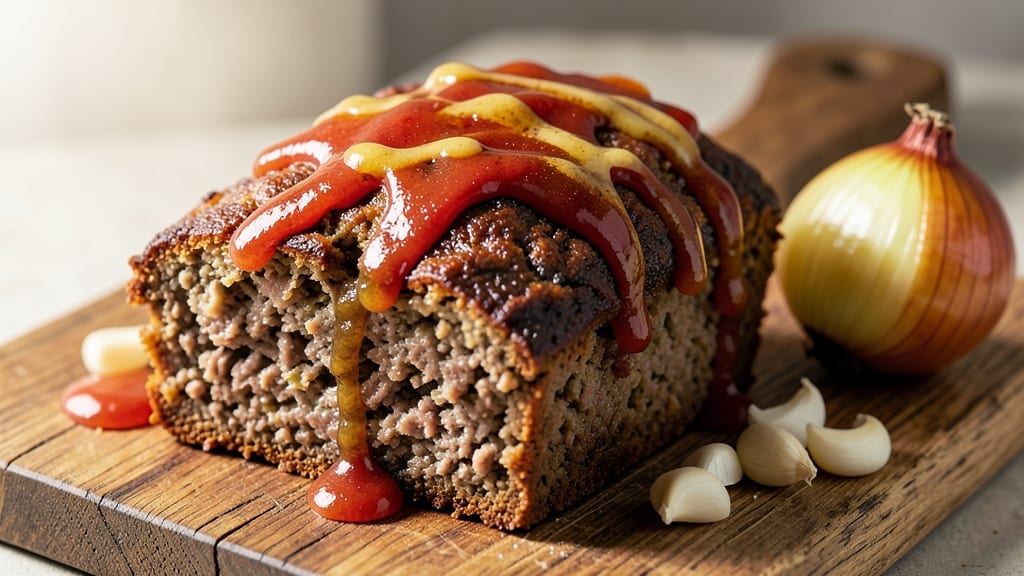
This beef and veal meatloaf recipe delivers the perfect harmony of crispy glaze and juicy center every time. 💛 The combination of beef and veal creates a rich, tender texture that stays moist while developing a caramelized crust.
I've perfected this technique over years of testing, ensuring no dry bites or tough exteriors—just melt-in-your-mouth perfection.
The secret lies in the right binder and cooking method: finely chopped onions and garlic blend into the meat mixture for flavor, while a touch of mustard adds depth. A glazed top made with ketchup and brown sugar creates that classic, restaurant-quality finish.
Unlike traditional recipes, this version uses a slow bake at 350°F to guarantee even cooking throughout.
What you'll end up with is a meatloaf that's golden on top, perfectly browned on the sides, and so tender inside it practically falls apart. The glaze isn't just for looks—it adds sweetness that balances the savory meat, creating a flavor profile that's both nostalgic and elevated.
This is the kind of meatloaf that makes people ask for seconds before the plate is empty.
Serve with classic sides like creamy mashed potatoes or roasted vegetables to complete the meal. The leftovers reheat beautifully too, making this the ultimate comfort food that's worth the effort. Let's get started on creating your perfect loaf!
Ingredients for beef and veal meatloaf
Six juicy servings of comfort food magic—where rich beef and veal meet caramelized perfection.
| Ingredient | Amount | Notes |
|---|---|---|
| Ground Beef (Chuck) 🥩 | 1 ½ lb | 80% lean or leaner for juiciness |
| Ground Veal 🥩 | ½ lb | Finely ground for even texture |
| Yellow Onion 🧅 | 1 whole | Finely chopped, not pre-shredded |
| Garlic Cloves 🧄 | 3 cloves | Minced for deep flavor infusion |
| Yellow Mustard 🫖 | 2 tbsp | Dijon preferred for tang |
| Ketchup 🍅 | ½ cup | For glaze, not watered down |
| Brown Sugar 🍚 | 2 tbsp | Light or dark, packed |
| Breadcrumbs 🍞 | ½ cup | Panko for extra crunch |
| Eggs 🥚 | 2 large | Room temperature for binding |
| Milk 🥛 | ¼ cup | For tenderizing mixture |
| Salt 🧂 | 1 ½ tsp | Kosher or sea salt |
| Black Pepper 🌶️ | 1 tsp | Freshly ground preferred |
| Worcestershire Sauce 🍶 | 1 tbsp | For umami depth |
The meat blend is everything. Chuck ground beef gives that classic meatloaf texture, while ground veal adds tenderness and richness. Grab these from the butcher counter if possible—they'll grind it fresh for you, and the difference is noticeable. Look for 80% lean beef to keep it juicy, and make sure the veal is finely ground so it blends evenly. Pre-shredded onions? Skip it—freshly chopped makes all the difference. The mustard and Worcestershire sauce are non-negotiable for that nostalgic flavor punch.
No veal? Extra ground beef or pork works in a pinch, but the texture won't be quite the same. Short on breadcrumbs? Crushed crackers or oatmeal can substitute, though panko gives that perfect crunch. The ketchup glaze can be jazzed up with a splash of molasses or maple syrup if you want extra depth. And if you're feeling fancy, add a pinch of smoked paprika to the meat mixture—trust me, it elevates everything. The eggs and milk are just there to hold it together, but don't skimp on the salt; it's what brings all the flavors into balance.
This meatloaf is a leftovers legend—tastes even better the next day once everything melds. Wrap it tightly in foil and store for up to 4 days in the fridge, or freeze portions for 3 months. I always bake an extra loaf and portion it into individual servings so I can grab and reheat whenever cravings hit. For reheating, cover with foil and warm at 325°F for 15 minutes—no microwave sad meatloaf here.
Why You'll Love This Recipe
- One-Bowl Miracle: I swear by this—no mixing bowls, no extra prep. You just dump the chuck and veal into one container, toss in the finely diced onion and minced garlic (no fancy knife skills needed), and let the mustard bind it all. Honestly, the only measuring I do is eyeballing the breadcrumbs.
- Garlic-Mustard Magic: That yellow mustard isn’t just for glaze—it’s the secret. It cuts through the richness of the beef and veal while the garlic infuses deep, savory warmth. The first bite? Crispy crust, juicy center, and a tangy finish that makes you reach for seconds without thinking.
- Weeknight to Potluck: Make it for yourself when you’re too tired to plan, or double it for a holiday spread. It reheats beautifully—even better the next day, which is weirdly satisfying. My college friends still ask for this one at Thanksgiving, and I always bring it.
- Budget-Friendly Luxury: Chuck and veal stretch further than you’d think, especially when mixed. The onion and garlic add layers of flavor without costing extra, and the mustard? A dollar canister lasts forever. It’s the kind of dish that feels fancy but won’t break the bank—or your grocery budget.
Step-by-step instructions for beef and veal meatloaf
This method delivers a meatloaf with a perfectly glazed crust and a juicy center that falls apart with the first forkful.
👨🍳 Step 1: Prep the Mix-In Ingredients
Start by finely chopping the whole yellow onion into small pieces—about ¼-inch dice—so it distributes evenly throughout the meatloaf. In a small bowl, mince the 3 cloves garlic cloves until you have a fine paste. This ensures the flavors blend seamlessly rather than creating pockets of concentrated garlic.
In another bowl, whisk together the 2 large eggs, 0.25 cup milk, 1.5 tsp salt, and 1 tsp black pepper until fully combined. The eggs act as a binder, while the milk adds moisture that prevents dryness. Let this mixture sit while you prepare the other ingredients—room temperature eggs blend more smoothly.
🍳 Step 2: Mix the Meat and Seasonings
In a large mixing bowl, combine the 1.5 lb ground beef (chuck) and 0.5 lb ground veal. Using your hands (wear gloves if you prefer), gently mix in the chopped onion, minced garlic, 2 tbsp yellow mustard, 1 tbsp Worcestershire sauce, 2 tbsp brown sugar, and 0.5 cup breadcrumbs. The sugar and mustard create a sweet-savory balance that enhances the glaze later.
Add the egg mixture and stir just until everything comes together—don't overmix or the meatloaf will become dense. The mixture should hold its shape when pressed gently, but still feel slightly crumbly. This texture ensures a tender, not tough, final result. Here's the thing—resist the urge to add extra breadcrumbs if it feels too wet; the milk and eggs will help bind it properly.
🥘 Step 3: Shape and Glaze the Meatloaf
Transfer the meat mixture to a lightly greased loaf pan (about 9x5 inches). Shape it gently but firmly, leaving about ½-inch headspace at the top for the glaze to spread. In a small bowl, mix the 0.5 cup ketchup with any remaining breadcrumbs to create a thick glaze. Spread this evenly over the top of the meatloaf, pressing down lightly to help it adhere.
This glaze isn't just for flavor—it creates a beautiful caramelized crust while keeping the meatloaf moist underneath. For extra insurance against drying, place a small baking dish filled with ½ cup water on the lower oven rack. The steam helps maintain moisture during baking, which is especially important for a leaner veal-beef blend.
🔥 Step 4: Bake to Juicy Perfection
Preheat your oven to 375°F. Bake the meatloaf for 50-55 minutes, until the internal temperature reaches 155°F when measured with an instant-read thermometer. The glaze should be bubbly and beginning to set, with edges pulling away slightly from the pan.
Don't cut into it yet—this is the moment that matters: let the meatloaf rest for 10-15 minutes before slicing. This resting period allows the juices to redistribute throughout the meat, preventing them from running out when you serve. The crust will firm up slightly as it cools, giving you that perfect balance of crispy exterior and tender interior every time.
Pro Tips For Making Beef And Veal Meatloaf
- Mix Wet First: The veal and beef mix can turn into glue if you dump in the mustard and onions last. Start by combining the raw ground meats in a bowl, then add the finely minced onion and garlic—this keeps the texture loose and prevents a dense, rubbery loaf. I learned this the hard way after my first attempt ended up like a hockey puck.
- Salt the Meat Twice: Sprinkle half the salt over the raw ground beef and veal before mixing anything else. Then, after adding the mustard and other wet ingredients, salt again. The first layer seasons the meat fibers thoroughly, while the second ensures even distribution—especially important since veal can be leaner and drier than beef.
- Don’t Overwork the Loaf: Veal and beef release juices when handled roughly, and once you start shaping, stop. Gently fold the mix just enough to combine, then form the loaf with light, even pressure—no kneading. Overmixing turns it tough, and this combo of meats needs tenderness more than structure.
- Rest Before Baking: Let the shaped loaf sit uncovered in the fridge for 15–20 minutes after forming. This lets the mustard and onion juices distribute evenly, so the crust doesn’t steam off and leave a dry center. (Yes, it’s tempting to pop it in the oven right away—I know.)
Wine and beer pairings for these flavors
Red Wine Classics
For this rich, savory-sweet meatloaf, a bold red wine is your best friend. I always reach for a Cabernet Sauvignon from Napa Valley—its dark fruit notes and subtle oak complement the glaze beautifully. The tannins cut through the fat, while the acidity balances the sweetness.
If you prefer something smoother, try a Merlot from Washington State; it's fruit-forward enough to stand up to the Worcestershire and mustard in the mixture. 🍷
For a budget-friendly option, Chianti Classico delivers classic Italian structure with cherry and herbal notes that pair wonderfully. Avoid overly oaky wines like Barolo—they can overpower the dish. Serve slightly chilled (60-65°F) to enhance the wine's freshness against the warm meatloaf.
Malbec Magic
If you're feeling adventurous, Argentinian Malbec brings a velvety texture and jammy blackberry flavors that dance with the caramelized glaze. The wine's natural sweetness mirrors the brown sugar in the recipe, creating a harmonious pairing.
I love pairing this with a bold, spicy meatloaf—add ½ tsp cayenne pepper to the mixture for an extra kick that the Malbec's peppery notes will complement perfectly.
Beer Pairings
A dark amber ale with caramel and toasted malt notes is my go-to beer pairing. Look for Samuel Adams Boston Lager or Guinness—both have enough body to stand up to the meat while their malt sweetness echoes the glaze.
The hop bitterness also helps cleanse your palate between rich bites. For a lighter option, try a Belgian Dubbel like Westmalle Trappist—its fruity, spiced profile adds complexity to the meal.
Non-Alcoholic Options
Don't drink alcohol? No problem. A sparkling cranberry juice with a splash of ginger ale creates effervescence that refreshes the palate. For something more substantial, try Fever-Tree Raspberry Tonic—the tartness cuts through the richness while the bubbles keep things lively.
I also love serving chilled hibiscus iced tea with a squeeze of lime; it's floral and citrusy enough to complement the savory-sweet flavors without competing.
Wine Service Tips
Let your wine breathe for 10-15 minutes before serving to open up its aromas. For reds, decant if the bottle is older than 5 years—this helps soften tannins. I always serve wine in 12-14 oz glasses (like Riedel's Pinot Noir style) to concentrate the aromas.
Pair with crusty sourdough bread or water crackers** to soak up any extra glaze drippings—it's a game-changer for balancing textures and flavors.
Nutrition facts
Frequently asked questions
Can I substitute pork or lamb for the veal in this recipe?
You can use ground pork as a 1:1 substitute for the veal, but lamb won't work well—it has a stronger flavor that clashes with the beef and glaze. For pork, look for finely ground shoulder or butt cuts to maintain tenderness. The texture will be slightly different, but the sweet-savory balance remains intact. Just reduce the baking time by 5-7 minutes since pork cooks faster than veal.
Why does my meatloaf always dry out? What am I doing wrong?
Overmixing the meat is the #1 cause of dry meatloaf—it develops gluten that tightens the fibers. Stir just until combined, and avoid pressing too hard when shaping. Another culprit is skipping the water bath: place a baking dish with ½ cup water on the lower oven rack to create steam. Also, never skip the 10-15 minute rest before slicing—this lets juices redistribute. Finally, check your internal temp: 155°F is perfect; anything higher risks drying.
Can I make this meatloaf ahead of time or freeze it?
This recipe is a leftovers legend! Wrap the baked meatloaf tightly in foil and refrigerate for up to 4 days, or freeze for 3 months. For reheating, cover with foil and warm at 325°F for 15 minutes—no microwave needed. The flavors actually improve overnight as everything melds together. Pro tip: Slice and freeze individual portions for easy grab-and-reheat meals during the week.
What's the best way to make this meatloaf extra juicy?
The secret is the milk and egg binder combo plus the water bath technique. For even more moisture, add 2 tbsp finely chopped mushrooms to the meat mixture—they release water as they cook. You can also replace ¼ cup of the breadcrumbs with finely chopped celery, which adds moisture. Finally, avoid overbaking: pull it out when the internal temp hits 155°F, not when the glaze looks "done."
Can I use this glaze on other meatloaf recipes?
This ketchup-brown sugar glaze works beautifully on pork or chicken meatloaf too. For pork, reduce the sugar to 1 tbsp (it's sweeter than beef/veal). For chicken, add 1 tsp smoked paprika to the glaze for depth. Just adjust baking times: pork needs 40-45 minutes, chicken 35-40 minutes. The glaze will caramelize differently on lighter meats, so keep an eye on it after 30 minutes.