
Soups & Stews
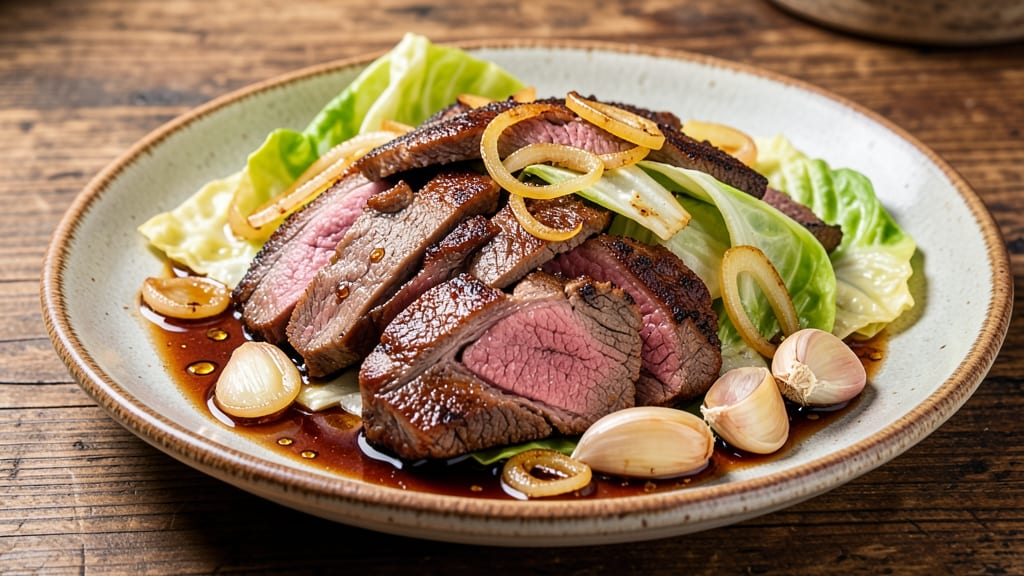
This Filipino beef and cabbage recipe delivers the rich, tangy-sweet harmony that defines comfort food in Filipino kitchens. 💛 The secret lies in slow-browning the beef until deeply caramelized, then balancing its depth with soy sauce, vinegar, and a touch of tomato paste—a trifecta that transforms simple ingredients into something unforgettable.
What starts as a humble stew becomes a restaurant-worthy dish when finished with crispy garlic and onions fried to golden perfection. The magic happens in layers: first, the beef develops a deep umami richness from slow simmering, while the cabbage softens into tender, slightly sweet bites.
Vinegar cuts through the richness, creating that signature Filipino tang that makes every spoonful addictive. This isn't just a stew—it's a celebration of Filipino home cooking, where every bite tells a story of family gatherings and Sunday lunches.
What you'll end up with is a silky, flavor-packed stew where the beef melts effortlessly from the bone, the cabbage absorbs all the savory goodness, and that crispy garlic topping adds a satisfying crunch. The aroma alone will have everyone gathering around the table, and the taste?
Pure comfort in a bowl. Serve it with steamed rice to soak up every last drop of that precious sauce. Whether you're making it for a family feast or a cozy weeknight dinner, this recipe delivers restaurant-quality results with minimal effort.
The beauty of this dish is its versatility—it's hearty enough for a main course but light enough to satisfy any craving. Let's get cooking!
Ingredients for beef and cabbage filipino
Filipino comfort food starts with these simple, flavor-packed ingredients that transform into restaurant-quality stew.
| Ingredient | Amount | Notes |
|---|---|---|
| Beef Chuck Roast 🥩 | 1 ½ lb | Cut into 1-inch cubes, trimmed of fat |
| Green Cabbage 🥬 | 1 small head | Shredded into bite-sized pieces (about 6 cups) |
| Yellow Onions 🧅 | 2 medium | Thinly sliced, divided use |
| Garlic Cloves 🧄 | 8 whole | Minced, divided use |
| Soy Sauce 🍶 | ½ cup | Light or regular, not low-sodium |
| White Vinegar 🍶 | ¼ cup | White or cane vinegar preferred |
| Tomato Paste 🍅 | 2 tbsp | Squeeze tube or canned |
| Olive Oil 🫒 | ¼ cup | For browning beef and frying garlic |
| Salt 🧂 | 1 ½ tsp | Kosher or sea salt, adjust to taste |
| Black Pepper 🌶️ | ½ tsp | Freshly ground preferred |
| Bay Leaves 🌿 | 2 whole | Dried, removed before serving |
| Sugar 🍚 | 1 tbsp | White or brown sugar |
| Water 💧 | 2 cups | Or beef broth for deeper flavor |
| Vegetable Oil 🫒 | 2 tbsp | For crispy garlic topping |
The beef is the heart of this dish—chuck roast delivers that melt-in-your-mouth texture when cooked low and slow. Costco or Trader Joe's usually carry pre-cut cubes, but if you're buying a whole roast, look for good marbling. The cabbage should be firm and crisp, not wilted—Asian markets often have the freshest heads. For the garlic, Filipino markets sometimes sell pre-minced jars, but fresh is always better. The key is balancing the soy sauce's saltiness with vinegar's tang, so don't skip adjusting the salt at the end.
No soy sauce? Coconut aminos work in a pinch, though the flavor will be subtly different. Running out of vinegar? Lime juice adds brightness, but you'll need more to compensate. The tomato paste can be skipped if you're avoiding it, but it adds that signature depth. For the crispy garlic topping, toasted sesame oil instead of vegetable oil gives extra flavor. The bay leaves are non-negotiable—they infuse that subtle earthy note that makes this dish authentic. If you're using pre-shredded cabbage, rinse it well to remove any bitter residue from the bag.
This stew tastes even better the next day as flavors meld. Store in an airtight container in the fridge for up to 5 days, or freeze portions for 3 months. The crispy garlic topping stays crunchy for about 2 days if kept in a sealed container. For meal prep, double the recipe—it reheats beautifully. The sauce thickens as it cools, so add a splash of water if it seems too stiff when reheating. Serve with steamed rice to soak up every last drop of that precious sauce.
Why You'll Love This Recipe
- One-Pot Magic: I swear by this recipe when I’m too tired to wash another dish. Chuck roast and cabbage simmer together—no extra pans, no fuss—just rich, savory beef melting into tender shreds while the cabbage softens just enough to soak up every last bit of garlic-soy goodness.
- Umami Bomb: That first bite? Pure satisfaction. The beef chuck roast gets this deep, caramelized crust from the soy sauce and onions, while the garlic cloves sizzle into fragrant bits that make the whole dish taste like a hug. Honestly, the cabbage doesn’t even need dressing—it’s that flavorful.
- Lunchbox Hero: Between us, this is my go-to for meal prep. The leftovers reheat like a dream—still juicy, still packed with that meaty goodness. Pack it in containers, and suddenly you’ve got a week’s worth of lunches that’ll make you the office favorite (or at least your own hero).
- Budget Win: A whole chuck roast and a head of cabbage stretch farther than you’d think. I’ll be real: it’s not fancy, but it’s solid, filling, and costs me less than half what takeout would. Plus, the soy sauce and onions make even the simplest cut of beef taste like a special occasion.
Step-by-step instructions for silky soy-vinegar beef stew
Here's how to create a rich, balanced stew with tender beef and crispy garlic topping.
🍳 Step 1: Brown the Beef and Build the Flavor Base
Heat the 2 tablespoons vegetable oil in a large Dutch oven over medium-high heat. Add the 1.5 lb beef chuck roast cut into 1-inch cubes, working in batches if needed to avoid overcrowding. Brown the beef for 5-6 minutes per batch, turning occasionally, until it develops a deep golden crust. This step is crucial—it creates the Maillard reaction that builds deep flavor.
Remove the browned beef and set aside. In the same pot, add 2 tablespoons tomato paste and cook for 1 minute, stirring constantly to prevent burning. Pour in ½ cup soy sauce and ¼ cup white vinegar, scraping up any browned bits from the bottom. Add 1 tablespoon sugar, 1.5 teaspoons salt, ½ teaspoon black pepper, and 2 bay leaves. Stir well to combine all ingredients into the flavorful base.
🥘 Step 2: Simmer the Stew Until Tender
Return the beef to the pot and add 2 cups water. Bring to a boil, then reduce heat to low and cover partially. Let the stew simmer for 1 hour 15 minutes, stirring occasionally. The beef should become fork-tender, and the sauce should thicken slightly. If the liquid reduces too much before the beef is tender, add ¼ cup water at a time to maintain the proper consistency.
Here's the thing—don't rush this step. The slow simmer breaks down the collagen in the beef, creating that signature silky texture. You'll know it's ready when the beef easily pulls apart with a fork and the sauce coats the back of a spoon. Real talk: this is where patience pays off with restaurant-quality results.
👨🍳 Step 3: Prepare the Cabbage and Onions
While the stew simmers, prepare the vegetables. Thinly slice 2 medium yellow onions and divide them—reserve 1 cup for the stew. Shred 1 small head green cabbage into bite-sized pieces (about 6 cups). Add the reserved 1 cup sliced onions and all the cabbage to the stew. Stir gently to combine and let it cook uncovered for 10-12 minutes until the cabbage softens but still maintains a slight crunch.
Don't overcook the cabbage—it should stay vibrant and slightly crisp. The cabbage should absorb the rich flavors of the stew while keeping its texture. If the cabbage appears too watery, simmer uncovered for another 5 minutes to reduce excess liquid. This balance between tender beef and crisp cabbage is what makes this dish special.
🔥 Step 4: Create the Crispy Garlic Topping
In a small skillet, heat 2 tablespoons vegetable oil over medium heat. Add 4 minced garlic cloves (reserve the remaining 4 cloves for the stew) and fry for 1-2 minutes until they turn a beautiful golden brown. Watch closely—the garlic burns quickly. Remove from heat immediately when fragrant and crispy.
For the stew, add the remaining 4 minced garlic cloves and cook for 30 seconds until fragrant. This step adds a final layer of aromatic complexity. The crispy garlic topping is the showstopper—it provides a delightful textural contrast to the silky stew. I like to sprinkle this crispy garlic over each serving right before eating for maximum impact.
⏰ Step 5: Rest and Serve with Perfect Balance
Let the stew rest for 10 minutes before serving. This allows the flavors to meld and the juices to redistribute throughout the beef and vegetables. Taste and adjust seasoning if needed—you might want to add a splash more soy sauce for saltiness or a touch of vinegar for acidity.
Serve the stew hot, garnished with the crispy garlic topping. Each bite should deliver tender beef, slightly sweet cabbage, and that perfect balance of savory, tangy, and umami flavors. The crispy garlic adds a delightful crunch that contrasts beautifully with the silky stew. This dish is perfect for family meals or special gatherings—it's hearty, flavorful, and deeply satisfying.
Pro Tips For Making Beef And Cabbage Filipino
- SEAR THE BEEF FIRST: Don’t skip browning that chuck roast—get it deep golden on all sides with a hot pan and a splash of oil before adding anything else. I learned this the hard way: skipping the sear means bland, gray beef instead of rich, caramelized flavor that carries through the whole dish.
- CUT CABBAGE SMALL AND UNIFORM: Quarter the cabbage into even wedges, then slice each wedge into ½-inch strips. Uneven pieces cook at different rates, leaving some tough and others mushy—no one wants that. A sharp knife and steady hand make this faster than you’d think.
- ADD SOY SAUCE LATE: Dump the soy sauce in the last 10 minutes of cooking, not at the start. Early addition turns the beef into a salty, waterlogged mess. Wait until the beef’s nearly tender and the cabbage’s wilted, then let that sauce mingle and deepen the flavor.
- LET THE BEEF REST: After cooking, tent the beef with foil and walk away for 10 minutes. I know, you’re hungry, but cutting into it too soon means dry, stringy meat. The juices redistribute—trust me, your fork will thank you later.
Make-ahead tips for leftovers
Prep Ahead Essentials
Start by prepping all ingredients the night before—shred the cabbage, slice the onions, and mince the garlic. Store them in airtight containers in the fridge for up to 3 days.
This saves you 20-30 minutes of prep time on cooking day. I always pre-chop everything because the flavors develop better when ingredients are ready to go. 💡
Slow Cooker Adaptation
For a hands-off version, brown the beef as directed, then transfer everything (except cabbage) to a 6-quart slow cooker. Add the cabbage and cook on low for 6-7 hours or high for 3-4 hours.
The slow cooker's gentle heat keeps the beef tender without drying it out. Just add the cabbage in the last 30 minutes to maintain its texture.
Freezer-Friendly Strategy
This stew freezes beautifully for up to 3 months. After Step 3 (simmering), let it cool completely, then transfer to freezer-safe containers or heavy-duty freezer bags. When ready to eat, thaw overnight in the fridge, then reheat on the stovetop with 2 tablespoons water to restore moisture.
The crispy garlic topping should be made fresh before serving—it loses crunch when frozen.
Meal Prep Timeline
For a full week of meals, double the recipe and divide it into 4 portions. Store in the fridge for up to 5 days. The sauce thickens as it cools, so add 1-2 tablespoons water when reheating.
I like to make a big batch on Sundays so I have leftovers for quick lunches. The crispy garlic topping stays fresh for 2 days if stored in a sealed container away from moisture.
Crispy Garlic Hack
Make the crispy garlic topping a day ahead and store it in a small airtight container at room temperature. It stays crispy for 24 hours**—just sprinkle it over the stew right before serving.
For extra flavor, add ½ teaspoon smoked paprika to the garlic while frying. This trick saves time and adds an extra layer of flavor without extra effort. 🌟
Nutrition facts
Frequently asked questions
Can I use a different cut of beef for this Filipino stew?
Yes! While chuck roast is ideal for its rich flavor and tender texture, you can substitute with brisket or stew beef. Avoid lean cuts like sirloin—they won't become as tender during simmering. For quicker cooking, use beef short ribs (simmer 1 hour less), but expect a slightly firmer bite. The key is choosing a cut with good marbling for maximum flavor.
How do I prevent the cabbage from turning mushy?
Add the cabbage only in the last 10-12 minutes of cooking, and keep the pot uncovered to allow excess moisture to evaporate. For extra crunch, blanch the cabbage in boiling water for 2 minutes before adding it to the stew. This method preserves its texture while still letting it absorb the rich flavors.
What can I serve with this beef and cabbage stew?
Steamed jasmine rice is the classic pairing—it soaks up the flavorful sauce beautifully. For a heartier meal, serve with garlic fried rice or buttered egg noodles. A simple side salad with lime dressing balances the richness, while toasted bread makes it a satisfying meal. The crispy garlic topping also works as a garnish for rice dishes!
Can I make this recipe without tomato paste?
If you're avoiding tomato paste, substitute with 1 tablespoon tomato sauce or 2 tablespoons ketchup (reduce sugar by ½ teaspoon). For a deeper umami flavor, add 1 teaspoon soy sauce or ½ teaspoon fish sauce to the base. The vinegar and soy sauce will still provide the signature tangy-savory balance.
Why does my stew taste too salty?
This usually happens from over-salting the beef or using too much soy sauce. To fix it, add ¼ cup water or ½ cup hot beef broth to dilute the saltiness. For a quick fix, stir in 1 tablespoon vinegar or 1 teaspoon sugar to balance flavors. Always taste as you go—Filipino stews should have a harmonious blend of salty, tangy, and sweet notes.