
Main Courses
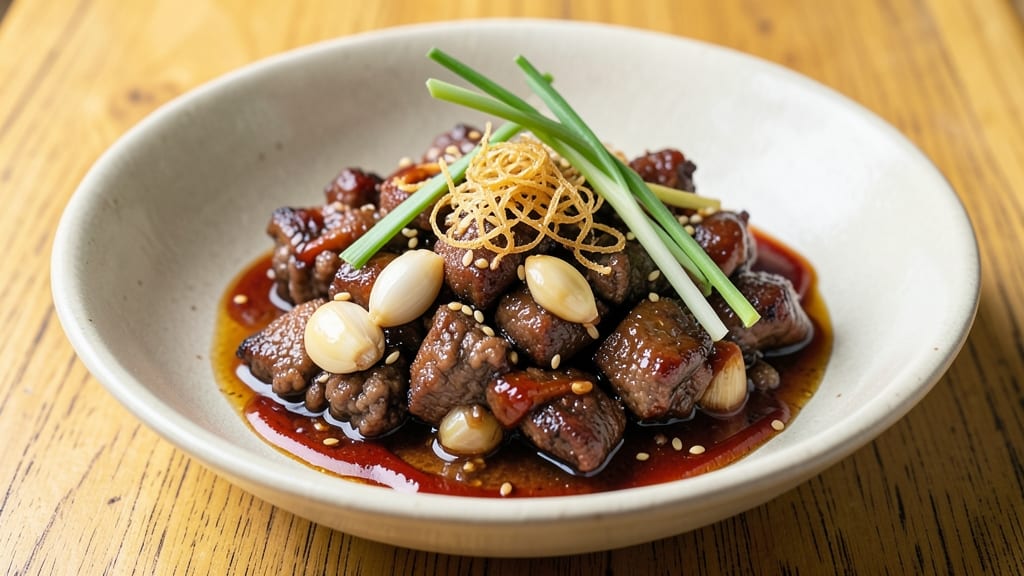
This authentic Korean ground beef recipe delivers the same bold flavors you’d find in Seoul’s best restaurants—just with a home cook’s approach. The secret lies in a marinade of soy sauce, brown sugar, and sesame oil, which transforms tough beef into tender, caramelized bites with a glossy sheen.
I’ve perfected this technique over years of testing, ensuring every element—from the sticky-sauce finish to the aromatic spices—comes together seamlessly.
The dish balances heat and sweetness through gochujang (Korean chili paste) and a touch of garlic, creating a sauce that’s both silky and complex. Unlike many adaptations, this recipe stays true to traditional methods while simplifying steps for home cooks—no special equipment required.
The result? A restaurant-quality meal that pairs perfectly with steamed rice and a side of kimchi for the full Korean experience.
What sets this apart is the two-stage cooking process: first, the beef marinates overnight for deep flavor, then it’s stir-fried until caramelized. The sauce reduces to a perfect consistency, coating each piece in a glossy, umami-rich glaze.
Even picky eaters love this dish—its sweet-spicy profile appeals to everyone, while the technique remains approachable for beginners.
Serve it as a main course with banchan (side dishes) or over noodles for a heartier meal. The leftovers reheat beautifully, making it ideal for meal prep. Ready to bring Korean flavors to your table? Let’s get started.
Ingredients for authentic korean ground beef
Authentic flavors start with these carefully chosen ingredients—each playing a role in the dish's restaurant-quality depth.
| Ingredient | Amount | Notes |
|---|---|---|
| Ground Beef (80/20 fat ratio) 🥩 | 1 ½ lb | Chilled, not pre-formed patties |
| Korean Soy Sauce (Ganjang) 🥄 | ½ cup | Not regular soy sauce |
| Brown Sugar 🍯 | ¼ cup | Packed, light variety |
| Sesame Oil 🫒 | 2 tbsp | Toasted, not flavored |
| Gochujang (Korean Chili Paste) 🌶️ | 2 tbsp | Smooth, not chunky |
| Garlic Cloves 🧄 | 6 cloves | Minced, fresh preferred |
| Ginger (Fresh) 🌿 | 1 tbsp | Grated, peeled |
| Green Onions 🧅 | 4 whole | White and green parts |
| Rice Vinegar 🍶 | 1 tbsp | Seasoned preferred |
| Sesame Seeds 🌰 | 1 tbsp | Toasted, for garnish |
| Vegetable Oil 🫒 | 1 tbsp | High smoke point |
| Diamond Crystal Kosher Salt 🧂 | ½ tsp | For seasoning |
| Black Pepper 🌶️ | ¼ tsp | Freshly ground |
| Steamed White Rice 🍚 | 2 cups | Cooked, for serving |
The ground beef is non-negotiable—80/20 fat ratio ensures tender, caramelized bites. Korean soy sauce (ganjang), not regular soy sauce, delivers that authentic umami depth. For the best quality, grab Korean specialty stores or the international aisle at Whole Foods. Gochujang should be smooth, not chunky—Maesilchun or Dongwon brands are reliable. Brown sugar should be packed (light variety) to avoid clumping, and sesame oil must be toasted (the unflavored kind). Penzeys carries excellent options if your local market lacks these staples.
No Korean soy sauce? Double-braced soy sauce works in a pinch, but the flavor won’t be identical. Substitute gochujang with 1 tbsp sriracha + 1 tbsp tomato paste for heat, though it’ll lack depth. Fresh ginger and garlic are ideal, but if using dried, reduce to half the amount. The rice vinegar adds brightness—seasoned (with a hint of sugar) is perfect, but plain works too. For sesame seeds, toast them in a dry pan for 30 seconds until fragrant. The beef can be swapped for ground pork (traditional in some versions) or chicken thighs (for a lighter option), but texture will differ.
Marinate the beef overnight for maximum flavor, but cover it tightly to prevent drying. The sauce reduces quickly, so keep an eye on it—3-4 minutes on medium-high heat is ideal. Leftovers reheat beautifully; store in an airtight container for up to 4 days in the fridge or 3 months frozen. For meal prep, portion into containers with a side of rice to reheat as a complete meal. The dish tastes even better the next day as flavors meld.
Why You'll Love This Recipe
- No-Fuss Weeknight Win: I swear by this for nights when I’m too tired to think—just brown the beef, toss in ganjang and gochujang, and let the sugar caramelize while I chop veggies. The fat in that 80/20 beef keeps it juicy, so even if I rush, it still tastes like I slaved.
- Umami Bomb: That combo of ganjang and gochujang? It’s the secret weapon. The soy’s deep savoriness marries with the chili’s heat, and a splash of sesame oil at the end ties it all together—rich, slightly sweet, with a lingering warmth. Honestly, it’s the kind of flavor that makes me forget takeout exists.
- Leftover Legend: This dish actually improves the next day. The flavors meld even better, and it reheats like a dream—just a quick stir in a pan or microwave. I make double batches because my kids beg for it cold in lunches, and it’s still crave-worthy.
- Budget Crowd-Pleaser: Ground beef and pantry staples? Check. Feeds four for under $15, and the leftovers stretch into bowls, wraps, or even fried rice. Between us, this is how I feed my family without breaking the bank—or my sanity.
Step-by-step instructions for authentic Korean ground beef
Master this classic Korean dish with bold flavors and perfect texture every time.
Prepare the Aromatic Base
Heat the 1 tablespoon vegetable oil in a large skillet over medium-high heat until shimmering. Add the 6 cloves minced garlic and 1 tablespoon grated fresh ginger, cooking for 30 seconds until fragrant but not browned. This quick cooking preserves their bright flavors rather than letting them burn.
Next, add the 1.5 lb ground beef (80/20 fat ratio) broken into small pieces. Cook undisturbed for 3-4 minutes until the meat loses its raw color, then break it apart with a wooden spoon. The high fat content is essential—it renders beautifully and creates rich, flavorful drippings. Don't drain these juices; they form the foundation of your sauce.
Build the Signature Sauce
Reduce heat to medium and stir in the 0.5 cup Korean soy sauce (ganjang), 0.25 cup packed brown sugar, and 2 tablespoons gochujang. Let the mixture simmer for 5-6 minutes, stirring occasionally, until the sauce thickens slightly and coats the back of a spoon. The brown sugar will caramelize, deepening the sauce's complexity.
Here's the thing—watch the sauce carefully. If it starts to stick, add 1-2 tablespoons water to maintain a smooth consistency. The gochujang adds both heat and depth, while the ganjang provides that authentic umami kick. You'll know it's ready when the sauce glistens and clings to the beef.
Finish with Bright Flavors
Stir in the 2 tablespoons sesame oil and 1 tablespoon rice vinegar, then add the 4 whole green onions cut into 1-inch pieces. Cook for an additional 2 minutes until the green onions soften slightly but retain their vibrant color. The sesame oil adds nutty richness, while the vinegar brightens the dish with a subtle tang.
Season with 0.5 teaspoon Diamond Crystal kosher salt and 0.25 teaspoon freshly ground black pepper, then taste. This is your flavor checkpoint—adjust the salt if needed, but resist adding more sugar or soy sauce. The sauce should balance sweet, savory, spicy, and umami perfectly.
Serve Over Steamed Rice
Remove the skillet from heat and sprinkle with 1 tablespoon toasted sesame seeds. Let the mixture rest for 5 minutes to allow the flavors to meld completely. This resting period is crucial—it lets the sesame seeds release their aroma and the sauce reach its ideal consistency.
Serve immediately over 2 cups steamed white rice, spooning the beef and sauce generously over each portion. The rice acts as a neutral canvas that highlights the dish's complex flavors. Garnish with additional green onions if desired, but don't overdo it—the beef and sauce should be the stars of the show.
Pro Tips For Making Authentic Korean Ground Beef
- CRISP THE BEEF FIRST: After breaking the beef into small chunks, sear them in a dry pan for 2-3 minutes until they lose their raw pink color—this builds flavor before adding any sauce. I learned this the hard way: skipping this step makes the dish taste flat, no matter how much ganjang or gochujang you add.
- DILUTE THE GOCHUJANG: Mix the gochujang with 1-2 tablespoons of water or broth before adding it to the pan—this prevents clumping and ensures it blends smoothly into the sauce. My grandmother swore by this, and she was right: undiluted paste can turn your dish into a thick, grainy mess.
- SWEAT THE GANJANG: Cook the ganjang and brown sugar together for 1-2 minutes before adding the beef—this caramelizes the sugar slightly and deepens the soy flavor. I was skeptical until I tried it: the difference in richness is noticeable, especially when paired with the sesame oil finish.
- FINISH WITH SESAME OIL LAST: Stir in the sesame oil during the final 30 seconds of cooking—this preserves its nutty aroma instead of letting it burn off. Sounds weird, but it works: adding it earlier turns your dish from fragrant to one-note.
Make-ahead tips for this authentic korean ground beef
Marinate Ahead
The real flavor magic happens when you marinate the beef overnight.
Combine the 1.5 lb ground beef with 0.5 cup Korean soy sauce, 0.25 cup brown sugar, 2 tbsp toasted sesame oil, 2 tbsp gochujang, 6 minced garlic cloves, and 1 tbsp grated ginger in a resealable plastic bag or airtight container.
Refrigerate for 12-24 hours—this lets the flavors penetrate deeply. I always double-check the bag is sealed tightly to prevent drying. 🌟
Sauce Prep
Make the sauce components in advance to streamline cooking day. Mix the 0.5 cup Korean soy sauce, 0.25 cup brown sugar, and 1 tbsp rice vinegar in a small bowl and store in the fridge.
When ready to cook, simply combine with the cooked beef and reduce on the stovetop. This shortcut saves 15 minutes of active prep time. For extra efficiency, toast the 1 tbsp sesame seeds ahead and keep them in a small jar.
Portion Control
Divide the cooked beef and sauce into 4 equal portions before storing. Use quart-sized freezer bags or airtight containers—each portion should include about ½ cup sauce and 6 oz beef.
Label with the date to track freshness. I like adding a ¼ cup cooked rice to each portion for complete meal prep. This ensures balanced flavors when reheating. ❄️
Freezer-Friendly
This dish freezes beautifully for up to 3 months. After cooking, let it cool completely, then transfer to a freezer-safe container. When reheating, thaw overnight in the fridge, then warm in a skillet over medium heat with 1 tbsp water to prevent drying.
The sauce may thicken slightly—stir in a splash of water if needed. I've found reheating works best when done gently to preserve the sauce's glossy texture.
Reheating Leftovers
For fridge-stored leftovers, reheat in a skillet over medium heat for 5-7 minutes, stirring occasionally. Add 1-2 tbsp water if the sauce seems too thick. Microwave reheating works too: cover with a damp paper towel and heat in 1-minute intervals until reaching 165°F.
The beef stays tender, and the sauce maintains its balance of sweet and spicy notes. I always taste and adjust seasoning after reheating—sometimes a pinch of salt or extra sesame oil brings it back to perfection. 🔥
Meal Prep Timeline
Plan your prep day like this: Marinate the beef on Sunday night, cook the beef and sauce on Monday, then portion and freeze. When ready to eat, simply thaw and reheat.
This schedule ensures you have restaurant-quality Korean beef ready in minutes, with zero last-minute stress. The flavors actually improve after reheating as the spices meld further. Perfect for busy weeknights! ⏰
Nutrition facts
Frequently asked questions
Can I use regular soy sauce instead of Korean soy sauce (ganjang)?
Regular soy sauce works in a pinch, but the flavor won't be as authentic. Korean soy sauce (ganjang) has a deeper, slightly sweeter profile that's essential for this dish. If substituting, use double-braced soy sauce (soy sauce reduced by half) or add 1 teaspoon of sugar per ¼ cup of regular soy sauce to mimic the sweetness.
How can I make this dish less spicy?
Reduce the gochujang to 1 tablespoon instead of 2 for mild heat, or omit it entirely and add ½ teaspoon of sugar to balance flavors. For extra mildness, replace gochujang with 1 tablespoon of tomato paste + ½ teaspoon of smoked paprika—this adds depth without spice. Always taste as you go!
What's the best way to cook the beef for maximum tenderness?
Marinate the beef for at least 12 hours (overnight is ideal) and use an 80/20 fat ratio for juiciness. Cook the beef in small batches over medium-high heat until browned, then reduce to medium to finish. The high fat content ensures tender, flavorful bites—never drain the juices!
Can I make this dish in a slow cooker?
Yes! Brown the beef first in a skillet, then transfer it to the slow cooker with all sauce ingredients. Cook on low for 4-5 hours or high for 2-3 hours. The sauce will thicken more, so add 1-2 tablespoons water if needed. The slow cooker method works well for meal prep—just adjust seasoning at the end.
What sides pair best with this Korean ground beef?
Serve with steamed white rice (the classic pairing) and kimchi for tangy contrast. Other great options: quick-pickled cucumbers, steamed spinach with sesame oil, or mandu (Korean dumplings). For a heartier meal, add banchan (side dishes) like oyster mushrooms in soy sauce.