
Main Courses
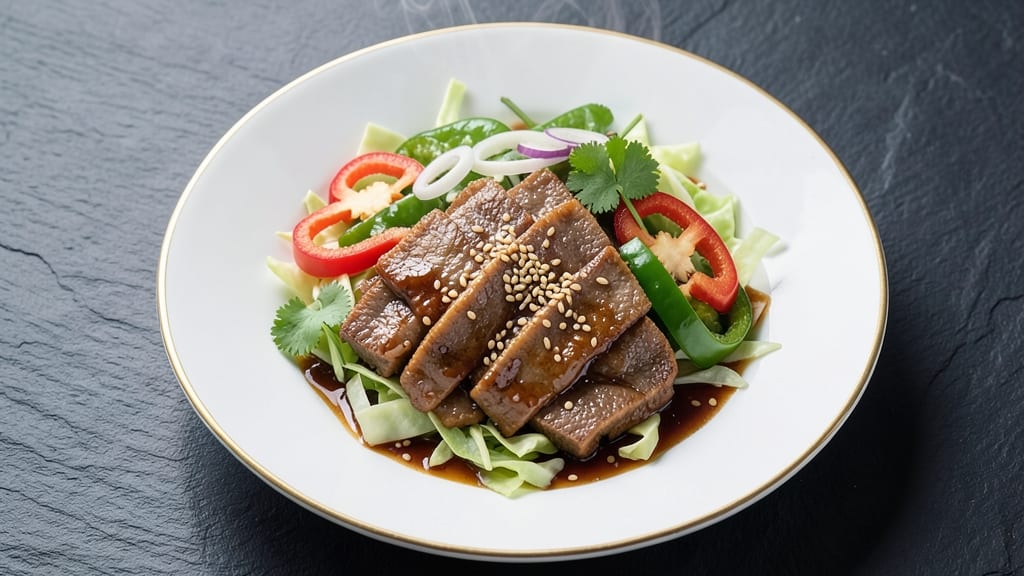
This authentic moo shu beef recipe delivers restaurant-quality wok-tossed beef with silky tenderness and a signature caramelized glaze. The secret lies in velveting the beef—marinating it in a cornstarch slurry to create melt-in-your-mouth texture—before stir-frying it to perfection.
Every bite combines crisp edges, velvety centers, and layers of savory-sweet sauce that balance umami and brightness.
The sauce is where authenticity shines: a perfect harmony of hoisin, oyster sauce, and a touch of soy, simmered until glossy and just thick enough to coat the beef without overwhelming it.
Traditional moo shu technique demands high heat and quick tossing—no slow cooking here—to preserve the beef’s tenderness while developing that coveted caramelized crust. The result? A dish that captures the soul of Chinese-American comfort food.
What sets this apart is the attention to detail: slicing the beef against the grain for maximum tenderness, using a wok for even heat distribution, and plating it with crisp scallions and a dollop of sauce on top.
Serve it with egg noodles or steamed rice to soak up every last drop of that luscious glaze. This isn’t just a recipe—it’s a technique you’ll want to master.
Whether you’re feeding a family or hosting dinner guests, this moo shu beef delivers the same satisfaction as your favorite takeout—except you control the quality. The velveting method ensures foolproof tenderness, while the sauce’s balance of sweet and savory makes it irresistibly addictive. Ready to elevate your weeknight dinners?
Ingredients for authentic moo shu beef
Restaurant-quality moo shu starts with these 14 ingredients—each playing its part in velvety beef and glossy sauce.
| Ingredient | Amount | Notes |
|---|---|---|
| Flank Steak 🥩 | 1 ½ lb | Thinly sliced against grain |
| Cornstarch 🌾 | ¼ cup | For velveting slurry |
| Soy Sauce 🍶 | ½ cup | High-quality, low-sodium preferred |
| Hoisin Sauce 🍶 | ¼ cup | Authentic brand for best flavor |
| Oyster Sauce 🦪 | ¼ cup | Thick, rich variety |
| Sesame Oil 🫒 | 1 tbsp | Toasted, for aroma |
| Garlic Cloves 🧄 | 6 cloves | Minced, for sauce base |
| Fresh Ginger 🌿 | 1 tbsp | Grated, for sauce depth |
| Scallions 🧅 | ¼ cup | Thinly sliced, for garnish |
| Neutral Oil 🫒 | ½ cup | Peanut or vegetable oil |
| Brown Sugar 🍯 | 1 tbsp | Lightly packed |
| White Wine Vinegar 🍶 | 1 tbsp | For sauce brightness |
| Salt 🧂 | 1 tsp | Kosher or sea salt |
| Black Pepper 🌶️ | ½ tsp | Freshly ground |
The flank steak is non-negotiable—thinly sliced against the grain for that signature tenderness. Costco or your butcher’s counter will have the best cuts, but any well-marbled flank steak works. Look for bright red color and good fat distribution. Slice it yourself if possible—pre-sliced steak loses its texture. For the cornstarch, Bob’s Red Mill is my go-to brand—it dissolves smoothly without clumping. The soy sauce matters too: Lee Kum Kee or Kikkoman deliver that authentic umami punch.
No hoisin sauce? Substitute with 2 tbsp soy sauce plus 1 tbsp brown sugar, but you’ll miss that deep, fermented complexity. Oyster sauce can be tricky—some brands are thinner than others. Thick, rich varieties (like Lee Kum Kee) work best. For the ginger, fresh is ideal, but if you’re in a pinch, 1 tsp ground ginger plus 1 tbsp water will do. The scallions should be crisp—substitute with green onions if needed, but the white parts add subtle sweetness. Sesame oil is aromatic, so use sparingly—toasted adds extra depth.
Velvet the beef immediately after slicing—it won’t keep well once marinated. The sauce can be made a day ahead and reheated gently. Store leftovers in airtight containers for 3-4 days in the fridge, or freeze for up to 3 months. For extra crispiness, toss the cooked beef in the wok for 30 seconds before plating. Serve with steamed rice or egg noodles to soak up every last drop of that glossy sauce.
Why You'll Love This Recipe
- Here’s what sold me: that hoisin-oyster-soy combo? Cheap but ridiculously flavorful. I buy the sauces in bulk, and a little goes a long way. Plus, the leftovers? Even better the next day—especially if you reheat it gently with a splash of water to keep it tender. Not the prettiest, but the taste makes up for it.
- Fewer Ingredients, Bigger Payoff: I swear by this recipe because it’s that good with just five core ingredients—no fancy pantry deep dive. Flank steak and cornstarch handle the heavy lifting while soy, hoisin, and oyster sauces create that signature tangy-sweet balance. Honestly, I’ve made it with whatever I had in the fridge, and it still delivers every time.
- Crispy-Tender Magic: The secret’s in the quick cornstarch toss—just a few minutes in the pan, and you’ve got that irresistible contrast: crispy edges that shatter, giving way to juicy, melt-in-your-mouth beef. (Yes, even on a Tuesday night.) No fancy techniques, just a hot pan and a little patience.
- Lunchbox Hero: Between us, this is my go-to for packed lunches or quick dinners. Toss the beef with steamed veggies and rice, and it’s ready in under 40 minutes. My daughter picks out the hoisin-soaked beef first—always—because it’s the only thing she’ll eat cold. (Budget win: one meal feeds four, and leftovers taste just as good tomorrow.)
Step-by-step instructions for authentic moo shu beef
Here's how to achieve that signature wok-tossed tenderness and velvety sauce—just like Beijing's best restaurants.
Prepare the Velveting Slurry and Marinate the Beef
In a small bowl, whisk together the 0.25 cup cornstarch, 0.5 cup soy sauce, 0.25 cup hoisin sauce, 0.25 cup oyster sauce, 1 tbsp brown sugar, and 1 tbsp white wine vinegar until completely smooth. This slurry is the secret to that signature silky texture—it tenderizes the beef while creating the sauce.
Transfer the flank steak to a large resealable bag and pour the slurry over it. Seal the bag and massage the marinade into the meat, ensuring every slice is coated. Let it marinate in the refrigerator for at least 30 minutes (I prefer 2 hours for maximum tenderness). The longer it marinates, the more flavor it absorbs and the more velvety the final texture becomes.
Cook the Beef to Perfect Tenderness
Heat a wok or large skillet over medium-high heat until it's smoking hot. Add 0.25 cup neutral oil and swirl to coat the bottom evenly. Working in batches if needed, add the marinated beef and cook for 2-3 minutes per side until the exterior is lightly browned and the meat is cooked through to 145°F internally.
Here's the thing—don't overcrowd the pan. The beef should sizzle and sear properly, not steam. If your wok isn't large enough, work in two batches. Once cooked, remove the beef and set it aside on a plate, tented loosely with foil to keep warm. The residual heat will help carry it through the final toss.
Build the Silky Moo Shu Sauce
In the same wok (no need to clean it—the browned bits add flavor), add another 0.25 cup neutral oil and heat over medium heat. Add the 6 cloves minced garlic and 1 tbsp grated fresh ginger, cooking for 30 seconds until fragrant but not browned. This quick cooking preserves their bright flavors without bitterness.
Pour in 1 tbsp sesame oil and let it sizzle for 10 seconds—this adds that distinctive nutty aroma. Then add 1 tbsp white wine vinegar and scrape up any browned bits from the bottom of the wok with a wooden spoon. These bits are packed with flavor and will create the sauce's rich depth. Let the mixture simmer for 1-2 minutes until slightly thickened.
Toss and Finish the Dish
Return the cooked beef to the wok and add the 0.25 cup thinly sliced scallions. Using tongs, toss everything together vigorously for 1-2 minutes until the beef is evenly coated in the sauce and heated through. The high heat of the wok creates that signature wok-tossed texture while keeping the beef tender.
Taste and adjust seasoning with 1 tsp salt and 0.5 tsp black pepper if needed. The sauce should be glossy and cling to the beef, with a balance of sweet, savory, and slightly tangy flavors. If it's too thick, add 1 tablespoon water at a time until you reach the perfect consistency. Serve immediately over steamed rice or noodles while still sizzling hot.
Pro Tips For Making Authentic Moo Shu Beef
- Slice Against the Grain: Flank steak’s muscle fibers run long—cutting perpendicular means each bite stays tender. I used to ignore this and ended up with chewy, stringy slices. Take your time; a sharp knife and a steady hand make all the difference.
- Marinate for 20 Minutes: The soy, hoisin, and oyster sauce need just enough time to penetrate, not hours. I learned this after over-marinating once and getting a mushy texture. Twenty minutes is enough to flavor without breaking down the meat.
- Use Cold Cornstarch: Mix the cornstarch with cold water first—it dissolves better and coats the beef evenly. I used to toss it in while the meat was still warm, and the crust turned lumpy. Trust me, this small step keeps the sear crisp.
- Finish with a Splash of Water: Right before serving, add a teaspoon of water to the pan and toss the beef. The steam makes the sauce cling better and keeps the slices from drying out. It’s a tiny move, but it elevates the dish every time.
Pro cooking tips for this dish
Velveting Mastery
The velveting technique is non-negotiable for authentic moo shu beef—it transforms tough flank steak into melt-in-your-mouth slices. Start by slicing the beef thinly against the grain (about ⅛-inch thick) for maximum tenderness.
In a bowl, whisk ¼ cup cornstarch with ½ cup soy sauce, ¼ cup hoisin, and ¼ cup oyster sauce until smooth.
Pour this slurry over the beef in a resealable bag, massage it in, and marinate for at least 30 minutes (I do 2 hours for restaurant-quality results). This step ensures the beef stays juicy and develops that signature silky texture during stir-frying. 🌟
Wok Heating Secrets
Your wok must be smoking hot before adding oil—this creates the Maillard reaction that gives moo shu its caramelized crust. Heat your wok over medium-high heat until a drop of water sizzles instantly. Add ½ cup neutral oil (peanut or vegetable) and swirl to coat.
The oil should shimmer but not smoke excessively. Cook the beef in batches if needed, searing for 2-3 minutes per side until it reaches 145°F internally. Overcrowding steams the beef instead of searing it—never rush this step. 🔥
Sauce Thickening Tricks
The sauce should coat the beef like a glossy glaze, not drown it. After removing the beef, deglaze the wok with 1 tbsp white wine vinegar and scrape up those flavorful browned bits—they’re packed with umami. Simmer the sauce for 1-2 minutes until it thickens slightly.
If it’s too thin, add 1 tsp cornstarch mixed with 1 tbsp water as a slurry. The sauce should cling to the beef without being syrupy. Pro tip: A splash of sesame oil at the end adds nutty depth and shine. ✨
High-Heat Tossing
Return the beef to the wok and toss vigorously with tongs over high heat for 1-2 minutes. This final step creates the signature wok-tossed texture—crisp edges with tender centers. The high heat also reheats the beef evenly without overcooking.
Add ¼ cup sliced scallions in the last 30 seconds for freshness. Serve immediately over steamed rice or egg noodles while the beef is still sizzling. The residual heat keeps everything warm while the sauce soaks into the grains. 💫
Equipment Upgrades
While a wok is ideal, a cast-iron skillet (like Lodge) works in a pinch—just ensure it’s well-seasoned for even heat. A meat thermometer is essential to hit 145°F without drying out the beef. For velveting, a resealable food bag (like Ziploc) makes marinating easier than a bowl.
And invest in a wooden spoon—it’s gentler on your wok’s surface and helps scrape up those flavorful browned bits. These tools elevate your moo shu from homemade to restaurant-worthy. 💡
Nutrition facts
Frequently asked questions
Can I substitute flank steak with another cut of beef?
Flank steak is ideal because of its lean texture and flavor, but you can use skirt steak or sirloin in a pinch. Avoid tougher cuts like chuck—they won’t velvet as well. If using skirt steak, trim excess fat first, as it can make the sauce greasy. Slice all cuts thinly against the grain for best results.
Why does my moo shu beef turn out tough instead of tender?
Overcooking is the #1 culprit! The beef should reach 145°F internally and be cooked for only 2-3 minutes per side over high heat. Also, velveting is non-negotiable—skip the marinade, and you’ll get chewy results. Always marinate for at least 30 minutes (longer is better) and cook in batches to avoid steaming instead of searing.
How do I make the sauce less sweet?
Reduce the brown sugar to ½ tbsp and increase the white wine vinegar to 2 tbsp for tangy balance. For extra umami without sweetness, add 1 tsp fish sauce or an extra ½ cup oyster sauce. Taste as you go—authentic moo shu sauce should be savory-sweet, not cloying.
Can I prepare moo shu beef ahead of time?
Yes! The sauce can be made 1 day ahead and reheated gently. For the beef, velvet it, then refrigerate the marinated slices (uncooked) for up to 12 hours. Cook fresh when ready—pre-cooked beef loses its crisp edges when reheated. Store leftovers in airtight containers for 3-4 days or freeze for 3 months.
What’s the best way to reheat moo shu beef?
Reheat in a wok or skillet over medium-high heat with 1 tbsp oil for 1-2 minutes until piping hot. Add a splash of water or broth to steam the sauce back to glossiness. Microwaving makes the sauce watery—always reheat with heat for that restaurant-quality texture. Serve immediately over fresh rice or noodles.