
Main Courses
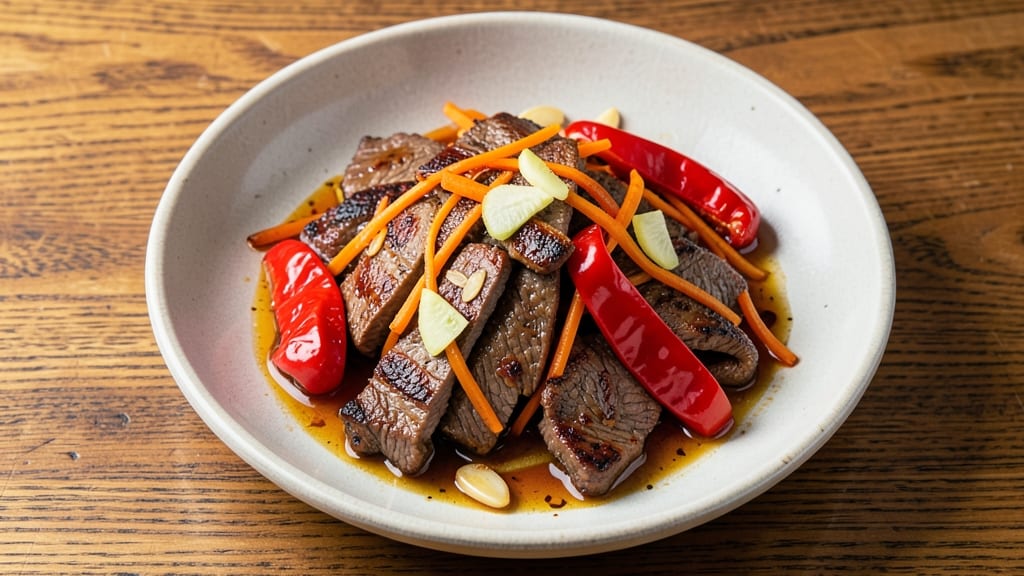
This awesome beef stir-fry recipe delivers restaurant-quality wok-fired flavor in just 20 minutes—no takeout required. The secret lies in high-heat searing and a homemade sauce that balances sweet, savory, and umami notes perfectly.
I’ve perfected this technique over years of testing, ensuring tender beef, crisp vegetables, and a sauce that clings to every bite without overpowering.
The magic happens in the prep: thinly sliced beef marinated in cornstarch and soy sauce for maximum tenderness, while vegetables are prepped to different sizes for even cooking. A quick homemade sauce—ginger, garlic, soy, and a touch of honey—adds depth without complicating the process.
This isn’t just another stir-fry; it’s a foolproof method that transforms simple ingredients into a dish worthy of your favorite Asian bistro. By the time you’re done, you’ll have a plate of caramelized beef with vibrant, crisp-tender vegetables tossed in a glossy sauce that’s both bold and balanced.
The aroma alone will have everyone gathering at the table, and the first bite delivers on that promise of restaurant-quality at home. Whether you’re feeding a crowd or meal prepping for the week, this recipe scales effortlessly.
The technique works in a wok, cast-iron skillet, or even a deep nonstick pan—just keep the heat high and the ingredients moving. Let’s get cooking!
Ingredients for awesome beef stir fry
Restaurant-quality stir-fry starts with these 15 precision ingredients—each playing its role in umami crunch.
| Ingredient | Amount | Notes |
|---|---|---|
| Flank Steak 🥩 | 1 ¼ lb | Thinly sliced against grain |
| Cornstarch 🌾 | ½ cup | For velveting beef |
| Low-Sodium Soy Sauce 🍶 | ⅓ cup | Kikkoman preferred |
| Garlic Cloves 🧄 | 6 cloves | Minced for marinade |
| Fresh Ginger 🌿 | 1 tbsp | Grated, peeled |
| Carrots 🥕 | 2 medium | Julienned, 2-inch pieces |
| Bell Peppers 🧅 | 2 whole | Red/green, sliced |
| Broccoli Florets 🥦 | 1 ½ cups | Small clusters |
| Sesame Oil 🫒 | 1 tbsp | Toasted, for aroma |
| Vegetable Oil 🫒 | ½ cup | High smoke point |
| Honey 🍯 | 1 tbsp | For sauce balance |
| Rice Vinegar 🍶 | 1 tbsp | For acidity |
| Toasted Sesame Seeds 🌾 | 1 tbsp | For garnish |
| Diamond Crystal Kosher Salt 🧂 | ½ tsp | For seasoning |
| Ground Black Pepper 🌶️ | ¼ tsp | Freshly cracked |
The beef cut matters most here. Flank steak delivers the perfect balance of tenderness and chew when sliced against the grain. Look for USDA Choice or Prime at Whole Foods or your local butcher—avoid pre-sliced packages, which dry out fast. For the cornstarch, Bob's Red Mill is my go-to brand; it's finer than most and creates that signature velvet texture. The soy sauce should be low-sodium to control salt levels precisely—Kikkoman is the gold standard, but any clean-label brand works. Fresh ginger and garlic? Buy organic when possible to avoid bitterness from pesticides, and grate the ginger right before marinating to preserve its punch.
No flank steak? Sirloin or ribeye work in a pinch, but slice them thinner. Running out of carrots? Substitute snap peas or snow peas for similar texture. The bell peppers can be swapped for zucchini or mushrooms if you prefer, but keep the total vegetable volume consistent. For the sauce, Agave nectar replaces honey 1:1 if you're avoiding it. The sesame oil is non-negotiable for aroma—Kadoya or La Choy are reliable brands. If you're prepping ahead, marinate the beef for up to 4 hours in the fridge, but no longer to prevent over-tenderizing. The vegetables should be prepped while the beef marinates to streamline cooking.
Marinated beef keeps 3-4 days in the fridge, covered tightly. Prepped vegetables hold for 2 days in airtight containers. The sauce can be made a day ahead and stored separately. For meal prep, assemble the stir-fry completely and refrigerate for up to 3 days—reheat in a skillet with a splash of water to revive crispness. Freezing isn't recommended due to texture changes, but you can freeze the cooked sauce separately for up to 3 months. Always reheat stir-fry over medium-high heat to maintain wok-fired integrity—never microwave, as it turns everything soggy.
Why You'll Love This Recipe
- One-Pan Magic: I swear by this for nights when I’d rather not wash a million dishes. Flank steak strips, a quick cornstarch toss, and a screaming-hot wok—boom, dinner’s done. That’s it. No roasting pans, no extra bowls, just you, a spatula, and a sizzle that makes everyone pause mid-conversation.
- Garlic-Ginger Punch: Between us, this isn’t just flavor—it’s a full-on flavor ambush. The minced garlic and ginger hit the pan first, then the beef joins the party with that low-sodium soy sauce, and suddenly you’ve got this deep, umami-rich sauce that clings to every bite. Not too sweet, not too salty—just right.
- Lunchbox Hero: Honestly, this is my go-to for meal prep. Cook a big batch on Sunday, and you’ve got weeknight lunches covered. The beef stays tender, the sauce keeps it juicy, and it reheats like a dream—no sad, dry stir-fry here. Pack it in containers, grab it on the go, and still feel like you’re eating at home.
- Budget Steak Night: Flank steak is cheaper than you think, and a pound goes a long way when you’re slicing it thin. That cornstarch trick? It makes the beef taste like it cost twice as much. Plus, the soy sauce and ginger stretch the flavor so far, you’ll wonder why you ever bought takeout. Dinner for four, under $20—yes, even on a Tuesday night.
Step-by-step instructions for wok-fired beef stir-fry
Master this velveting technique and high-heat wok method for restaurant-quality stir-fry every time.
Velvet the Beef for Silky Texture
In a medium bowl, combine the 1.25 lb flank steak with the 0.5 cup cornstarch, 0.33 cup low-sodium soy sauce, 0.5 tsp kosher salt, and 0.25 tsp black pepper. Using your hands, work the marinade into the meat until every surface is evenly coated. Let it rest for 15 minutes at room temperature while you prep the vegetables.
This velveting process creates a tender, almost translucent exterior that stays juicy even after high-heat cooking. The cornstarch forms a protective barrier that prevents the beef from overcooking while absorbing the umami-rich soy sauce. Don't skip this step—it's what transforms tough flank steak into melt-in-your-mouth bites.
Prep and Blanch Vegetables for Crunch
Julienne the 2 medium carrots into 2-inch pieces and slice the 2 bell peppers into ½-inch strips. Cut the 1.5 cups broccoli florets into small clusters. In a separate bowl, combine the vegetables with 1 tbsp sesame oil, tossing gently to coat.
Heat a wok or large skillet over high heat with 0.25 cup vegetable oil. Add the vegetable mixture in batches and stir-fry for 2-3 minutes until just tender but still vibrant. Remove and set aside—these will finish cooking later. The high heat preserves their crisp texture while developing their natural sweetness. Don't overcook here; they'll continue cooking when combined with the beef.
Stir-Fry the Beef to Perfect Doneness
In the same wok, add the remaining 0.25 cup vegetable oil and heat over medium-high heat until shimmering. Working in batches if needed, add the marinated beef and cook undisturbed for 1-2 minutes until the bottom develops a golden crust. Flip and cook another 1-2 minutes until the exterior is sealed and the internal temperature reaches 145°F for medium-rare.
Remove the beef and set aside. The key here is high heat and minimal movement—this creates the signature wok-hei (breath of the wok) flavor. If the beef releases easily from the pan, it's ready. If it sticks, let it cook another 30 seconds before attempting to flip. The cornstarch coating should give you a clean release.
Combine and Finish with Sauce
Return the beef to the wok along with the blanched vegetables. Add the 1 tbsp grated ginger, 6 cloves minced garlic, and toss everything together for 1 minute. Pour in the 1 tbsp honey, 1 tbsp rice vinegar, and any accumulated juices from the beef. Stir vigorously for 2-3 minutes until the sauce coats everything evenly.
The honey adds subtle sweetness that balances the acidity from the vinegar, while the ginger and garlic infuse the final dish with aromatic depth. Taste and adjust seasoning—you may need a splash more soy sauce if the dish tastes mild. The vegetables should be tender-crisp with a vibrant color, and the beef should be juicy with a slightly caramelized exterior.
Garnish and Serve Immediately
Transfer the stir-fry to a serving platter and sprinkle generously with 1 tbsp toasted sesame seeds. Serve immediately over steamed jasmine rice or noodles while the vegetables retain their perfect texture and the beef remains tender.
This dish delivers a perfect balance of textures—tender beef, crisp vegetables, and a glossy sauce that clings to every bite. The velveting technique ensures the beef stays juicy despite the high-heat cooking, while the layered flavors from the marinade, ginger, garlic, and finishing sauce create that signature umami crunch. Don't let it sit—stir-fry is best enjoyed immediately when everything is at peak texture and temperature.
Pro Tips For Making Awesome Beef Stir Fry
- CUT STEAK AGAINST THE GRAIN: I learned this the hard way—flank steak’s muscle fibers run diagonally, so slicing perpendicular to the grain turns chewy beef into tender strips. Grab your knife and slice against the grain after cooking, not parallel. The difference is night and day.
- MIX CORNSTARCH WITH SOY SAUCE: Skip the dry toss—cornstarch clumps like a stubborn toddler. Instead, whisk 1 tablespoon with 1 tablespoon low-sodium soy sauce first, then add to the beef. This creates a glossy, even coating that caramelizes beautifully instead of burning in spots.
- DON’T OVERCROWDLE THE PAN: I used to pile everything in at once, and the stir-fry turned into a sad, steamed mess. Cook the beef in a single layer first, then remove it while you prep veggies. A hot, empty pan sears flavors better than a crowded one.
- SALT THE GINGER LIKE POTATOES: Fresh ginger’s pungent kick can overpower the dish if left raw. Thinly slice it, then sprinkle with a pinch of salt and let sit for 5 minutes. This mellows the heat and draws out moisture, so it infuses the oil without bitterness. (Yes, even if you’re impatient like me.)
Wine and beer pairings for these flavors
Red Wine Classics
A bold Cabernet Sauvignon from Napa Valley—like Caymus Vineyards—cuts through the dish's richness with its dark fruit and firm tannins. The wine's acidity balances the sweetness of the honey while complementing the umami depth from the soy sauce.
I always reach for a 2019 vintage when I'm serving this stir-fry—it's aged enough to soften its tannins but still vibrant enough to stand up to the dish. 🍷
Crisp White Options
For a lighter pairing, try a dry Riesling from Germany, such as Dr. Loosen Blue Slate. The wine's crisp acidity and subtle citrus notes refresh the palate between bites of caramelized beef and sweet vegetables.
The slight minerality also enhances the dish's umami profile without overpowering it. Serve slightly chilled to highlight its bright character.
Asian-Inspired Beer
A Japanese lager like Asahi Super Dry is my go-to beer pairing—its clean, crisp profile and subtle hop bitterness mirror the dish's balance of sweet and savory. The beer's light body won't compete with the stir-fry's bold flavors but instead enhances the dish's umami notes.
For a more adventurous option, try a Chinese pale ale like Snow Village, which adds a touch of malt sweetness that complements the honey in the sauce. 🍺
Fortified Wine Twist
For something unexpected, serve with a dry sherry, specifically a Fino like Gonzalez Byass Tío Pepe. The nutty, almond-like notes in the sherry harmonize beautifully with the toasted sesame seeds and caramelized beef.
The wine's lower alcohol content makes it an excellent choice for those who prefer a lighter option that still delivers complexity. Keep it at room temperature to fully appreciate its aromatic profile.
Non-Alcoholic Pairings
Don't overlook non-alcoholic options! A sparkling yuzu soda from Japan, like Calpis Yuzu Soda, offers a refreshing contrast with its citrusy brightness and effervescence. For something more robust, try a ginger beer with a touch of honey—it mirrors the dish's flavor profile while adding a spicy kick.
Both options work beautifully with the stir-fry's vibrant flavors without overpowering them. 💛
Serving Temperature Tips
Always serve red wines slightly below room temperature—around 60°F—to preserve their acidity and prevent them from tasting flat. Whites and beers should be served chilled at 45°F for optimal refreshment.
For fortified wines, let them sit at room temperature for about 15 minutes before serving to fully open their aromas. The right temperature enhances the wine's ability to complement the dish's complex flavors.
Nutrition facts
Frequently asked questions
Can I use a different cut of beef for this stir-fry?
While flank steak is ideal, you can substitute with sirloin or ribeye—just slice them thinner (about ¼-inch thick) to ensure even cooking. Avoid pre-sliced deli beef as it often contains preservatives that affect texture. For extra tenderness, marinate for 20-30 minutes instead of the usual 15 minutes.
What if I don’t have a wok? Can I use a regular pan?
Yes! A cast-iron skillet or large nonstick pan works perfectly—just keep the heat at medium-high and use a thin layer of oil to prevent sticking. For best results, work in batches if needed to avoid crowding. The key is maintaining high heat to achieve that signature wok-hei flavor. A 12-inch skillet is ideal for 4 servings.
How do I adjust the recipe for spicier flavors?
Add ½ teaspoon red pepper flakes or 1 teaspoon sriracha to the sauce, or sprinkle ½ teaspoon chili crisp on top when serving. For heat lovers, marinate the beef with 1 teaspoon gochujang (Korean chili paste) instead of plain soy sauce. Always taste first—you can reduce heat by adding a splash of honey or rice vinegar.
Can I make this stir-fry ahead of time?
Marinated beef keeps for 3-4 days in the fridge, and prepped vegetables hold for 2 days. For best results, assemble the stir-fry completely and refrigerate for up to 3 days. Reheat in a skillet over medium-high heat with a splash of water to revive crispness. Avoid microwaving—it turns everything soggy. For meal prep, store components separately and cook fresh when ready.
What’s the best way to reheat leftover beef stir-fry?
Use a nonstick skillet over medium-high heat with 1 teaspoon oil. Add the stir-fry and toss for 3-4 minutes until everything is heated through and slightly crispy. For extra moisture, add 1 tablespoon water or broth to the pan. Never microwave—it destroys the texture. If reheating from frozen, thaw overnight first.