
Main Courses
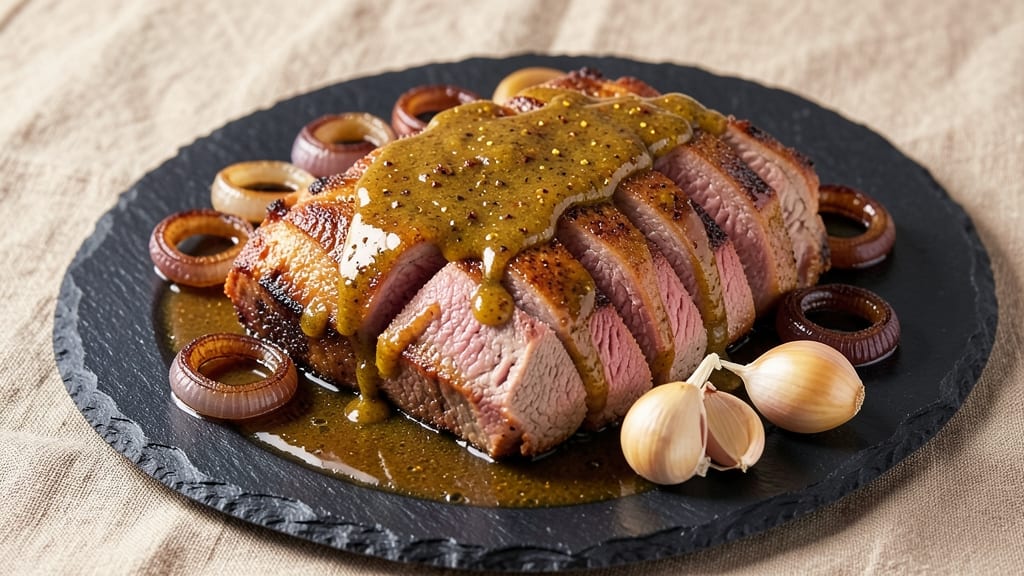
This baked corned beef recipe with mustard delivers the perfect balance of crispy edges and juicy meat, elevated by a tangy glaze that transforms a classic dish into something extraordinary.
The secret lies in a simple yet effective technique: basting the beef with mustard during the final hour of baking, which creates a caramelized crust while keeping the interior tender and flavorful.
I've perfected this method over years of holiday cooking, ensuring every bite is packed with rich, savory goodness that pairs beautifully with traditional sides.
The process begins with a foolproof approach that minimizes effort while maximizing flavor. You'll start with a well-seasoned corned beef brisket, then bake it low and slow until the meat is fork-tender.
The mustard glaze isn't just for flavor—it acts as a moisture barrier, locking in juices while creating that coveted crispy top. This method works whether you're cooking for a holiday feast or a weeknight dinner that feels special. The result?
A centerpiece dish that commands attention and delivers satisfaction with every slice.
What makes this recipe stand out is its versatility. You can adjust the cooking time based on your preferred tenderness, and the mustard glaze can be customized with honey or brown sugar for added depth.
Serve it with classic sides like braised red cabbage, buttered carrots, or creamy mashed potatoes to complete the meal. The aroma alone will fill your kitchen with warmth, making it impossible to resist digging in. This isn't just corned beef—it's a showstopper.
The beauty of this dish lies in its simplicity. With just a few key ingredients and a little patience, you'll achieve restaurant-quality results at home. The mustard glaze adds a tangy brightness that cuts through the richness of the beef, creating a harmonious balance of flavors.
Whether you're a seasoned cook or a beginner, this recipe is designed to impress without stress. Let's get started on creating a dish that will become a family favorite.
Ingredients for baked corned beef recipe with mustard
Six key ingredients transform simple corned beef into a crispy, juicy showstopper with mustard magic.
| Ingredient | Amount | Notes |
|---|---|---|
| Corned Beef Brisket 🥩 | 4 lb | Pre-seasoned, whole brisket preferred |
| Yellow Mustard 🍯 | ½ cup | Dijon or whole-grain for depth |
| Honey 🍯 | ¼ cup | Wildflower for floral notes |
| Brown Sugar 🍚 | ¼ cup | Light or dark, packed |
| Beef Broth 💧 | 1 ½ cups | Low-sodium preferred |
| Garlic Cloves 🧄 | 6 cloves | Minced, for glaze |
| Onion 🧅 | 1 whole | Yellow, diced |
| Fresh Thyme 🌿 | 2 sprigs | Or 1 tbsp dried |
| Olive Oil 🫒 | 2 tbsp | Extra-virgin for richness |
| Black Peppercorns 🌶️ | 1 tsp | Freshly cracked |
| Bay Leaves 🌿 | 2 whole | For deep flavor |
| Salt 🧂 | 1 tsp | Kosher or sea salt |
| Red Wine Vinegar 🍷 | 1 tbsp | For tangy brightness |
| Fresh Parsley 🌿 | ¼ cup | Chopped, for garnish |
The corned beef brisket is the star—4 lbs gives you generous portions for a crowd. Kosher delis or the meat department at Whole Foods carry pre-seasoned briskets, but if you're feeling ambitious, a whole brisket lets you trim excess fat for a leaner cut. Look for good marbling and ask the butcher to tie it if it's loose. The mustard glaze is where the magic happens: Dijon adds depth, while honey and brown sugar create that perfect caramelized crust. I always grab Wildflower honey from Trader Joe's—it's floral and not too cloying.
No Dijon mustard? Yellow mustard plus 1 tsp of sugar works in a pinch. Short on honey? Maple syrup or agave keeps things vegan-friendly. The beef broth can be swapped for water plus 1 tsp soy sauce if you're watching sodium. Fresh thyme is ideal, but dried at one-third the amount gets you close. For the glaze, I like toasting the garlic and onion in olive oil first—3 minutes in a pan until fragrant—before mixing with the mustard. That little step makes all the difference.
Prep the glaze ingredients ahead and store them in a jar in the fridge for up to 3 days. The brisket itself keeps 3-4 days in the fridge once cooked, but it reheats beautifully—just cover with foil and warm in the oven at 300°F for 30 minutes. For make-ahead convenience, I often slice and freeze portions in airtight containers with a little extra broth. Thaw overnight in the fridge before reheating.
Why You'll Love This Recipe
- One-Pan Magic: I swear by this—just toss the corned beef in a dish with mustard, honey, and brown sugar, then let the oven do the work. No pots, no pans, no stress. That sticky glaze? It practically caramelizes itself while you’re folding laundry.
- Sweet-Savory Balance: Between the tangy mustard and the honeyed brown sugar glaze, every bite has this perfect contrast—rich, salty beef with a touch of warmth. Honestly, the first time I tried it, I nearly licked the pan clean.
- Weeknight Crowd-Pleaser: This feeds six with minimal effort, and the leftovers? Even better cold in sandwiches the next day. My book club requests it every month—no fuss, just deliciousness that doesn’t require a five-course menu.
- Budget-Friendly Feast: A whole brisket for under $20? Yes, please. The broth keeps it juicy, and the mustard-honey glaze stretches the flavor so everyone feels like they’re getting a restaurant-worthy meal. (Yes, even on a Tuesday night.)
Step-by-step instructions for baked corned beef with mustard glaze
Here's how to transform corned beef into a showstopper with crispy edges and tender, flavor-packed meat.
🍳 Step 1: Prep the Corned Beef and Glaze Ingredients
Remove the corned beef brisket from its packaging and pat it dry thoroughly with paper towels. This step is crucial—the drier the surface, the better the crust will form. Place the brisket in a large roasting pan, fat-side up, and set it aside.
In a small bowl, whisk together the 0.5 cup yellow mustard, 0.25 cup honey, 0.25 cup brown sugar, 1 tbsp red wine vinegar, and 1 tsp salt. This glaze will give your corned beef that signature tangy-sweet flavor. Set it aside while you prep the aromatics.
👨🍳 Step 2: Build the Flavor Base with Aromatics
In a small skillet, heat 2 tbsp olive oil over medium heat. Add the 1 whole diced onion and cook for 5 minutes until softened. Add the 6 minced garlic cloves and cook for another 30 seconds until fragrant—this prevents the garlic from burning later.
Transfer the onion and garlic mixture to the roasting pan with the corned beef. Add the 2 sprigs fresh thyme, 2 whole bay leaves, and 1 tsp freshly cracked black peppercorns. Pour 1.5 cups beef broth into the pan, making sure the liquid reaches about halfway up the sides of the brisket.
🔥 Step 3: Bake to Juicy Perfection
Preheat your oven to 325°F. Place the roasting pan in the oven and bake for 3 hours. After 2 hours, carefully pour the mustard glaze mixture over the corned beef, coating it evenly. This is when the magic happens—the glaze caramelizes and creates that beautiful crust.
Check the internal temperature with a meat thermometer—it should reach 203°F for fork-tender meat. If the liquid hasn't reduced enough, cover the pan loosely with foil and bake for another 30 minutes. The glaze should be thick and sticky, clinging to the meat.
⏰ Step 4: Rest and Slice for Maximum Juiciness
Remove the corned beef from the oven and transfer it to a cutting board. Tent it loosely with aluminum foil and let it rest for 15-20 minutes. This resting period allows the juices to redistribute, ensuring every slice is moist and flavorful.
While it rests, skim any excess fat from the pan juices. Strain the pan juices into a saucepan and simmer over medium heat for 5-7 minutes until slightly thickened. This makes a perfect gravy to serve alongside your corned beef.
🔪 Step 5: Slice and Garnish
Slice the corned beef against the grain into ¼-inch thick slices. The grain runs horizontally across the brisket, so cutting perpendicular to it ensures tender bites. Arrange the slices on a platter and drizzle with the reduced pan juices.
Garnish with 0.25 cup chopped fresh parsley for a pop of color and freshness. Serve immediately with the pan gravy, coleslaw, and crusty bread. The contrast of crispy edges, juicy meat, and tangy glaze makes this corned beef unforgettable.
Pro Tips For Making Baked Corned Beef Recipe With Mustard
- Pat the meat dry: I learned this the hard way—wet corned beef steams instead of browns. Grab paper towels and wipe it down thoroughly before searing, even if it feels like overkill. That crust is what holds the mustard glaze properly.
- Use a mix of mustards: Plain yellow mustard alone can taste flat. I now split the recipe—half yellow, half whole-grain or Dijon—for depth. The whole-grain adds texture, while Dijon brings a tangy punch that cuts through the sweetness.
- Don’t skip the foil tent: After 2 hours of baking, cover the pan with foil for the last 30 minutes. The corned beef will finish cooking without drying out, and the mustard glaze won’t burn while you’re distracted. Trust me, it’s worth the extra step.
- Sear it hot and fast: High heat for 5–7 minutes on each side before adding the mustard mix—this isn’t the time to be gentle. The Maillard reaction happens fast, and that deep flavor is the foundation of the dish. A cold pan = bland corned beef.
Troubleshooting great baked corned beef recipe with mustard
Glaze Too Thin?
If your mustard glaze isn’t thickening enough during baking, try this trick: After adding the glaze at the 2-hour mark, tent the pan with heavy-duty aluminum foil (not touching the meat) for the final 30 minutes.
This traps steam, accelerating caramelization. For extra thickness, reduce the pan juices longer—simmer uncovered for 10-12 minutes until syrupy. A splash of cornstarch slurry (1 tsp cornstarch + 1 tbsp water) works in a pinch too. 🌡️
Meat Still Tough?
Corned beef can turn out chewy if overcooked or under-brined. First, check the internal temperature—it should hit 203°F (not 165°F!). If it’s done but still firm, slice thinly against the grain and serve with extra pan gravy to tenderize.
For future cooks, soak the brisket in water for 12 hours before baking to remove excess salt, which can toughen the meat.
Mustard Burnt or Bitter?
Mustard glaze burns easily when exposed to high heat. To prevent this, add the glaze only after 2 hours of baking (when the oven is stable at 325°F). If it darkens too quickly, brush on a thin layer of olive oil first to create a protective barrier.
For a sweeter balance, increase the honey to 0.375 cup—this mellows the tang and prevents bitterness.
Dry or Stringy Texture?
Dry corned beef usually means the pan wasn’t basted enough or the oven temperature fluctuated. Next time, baste the beef every 30 minutes with its own juices (plus extra broth if needed).
Wrap the brisket in butcher paper during the last hour of cooking to lock in moisture—this mimics the "Texas crutch" technique. For extra insurance, add 1 cup of water to the pan halfway through baking.
Glaze Too Sweet?
If the honey or brown sugar overpowers the mustard, adjust the ratio next time: reduce honey to 0.125 cup and add 1 tbsp Dijon mustard for depth. A splash of red wine vinegar (1 tbsp) brightens the flavor without cloying sweetness.
For a smoky twist, add ½ tsp smoked paprika to the glaze before baking—it balances sweetness beautifully. 💫
Pan Juices Too Watery?
Watery pan juices happen when the beef releases too much liquid. Skim excess fat first, then simmer the juices uncovered on the stovetop until reduced by half. For extra richness, whisk in 1 tbsp cold butter at the end.
If the juices are still thin, strain them through a fine-mesh sieve to remove impurities, then reduce further. A 1-minute egg wash (1 egg yolk + 1 tbsp water) brushed on the meat before baking can also help thicken the glaze.
Nutrition facts
Frequently asked questions
Why does the recipe call for adding mustard only after 2 hours of baking?
The mustard glaze needs a stable oven temperature to caramelize properly without burning. Adding it too early (when the oven is preheating) can cause it to darken unevenly. The 2-hour mark ensures the oven is fully regulated at 325°F, giving the glaze time to develop that perfect balance of tangy sweetness and crispy texture.
Can I substitute Dijon mustard for regular yellow mustard?
Yes! While regular yellow mustard works, Dijon adds depth and a smoother texture. For a 1:1 swap, use the same amount, but add 1 tsp sugar to compensate for Dijon's natural sharpness. The honey and brown sugar in the recipe already balance flavors, so no extra adjustments are needed.
How do I know when the corned beef is fully cooked?
Use a meat thermometer to check the internal temperature—it should reach 203°F (not 165°F like chicken). The meat will pull away from the bone slightly, and a fork should slide in easily. If the juices run clear when pierced, it's done. For extra tenderness, let it rest 15-20 minutes before slicing.
What sides pair best with this mustard-glazed corned beef?
Classic options include braised red cabbage, buttery mashed potatoes, and crusty rye bread. For a modern twist, try roasted root vegetables (carrots, parsnips) or a tangy coleslaw. The mustard glaze's tang cuts through rich sides beautifully, balancing the meal.
Can I make this recipe in a slow cooker instead of the oven?
Sear the beef first, then transfer it to a slow cooker with the glaze and broth. Cook on low for 8-10 hours, adding the glaze in the last 2 hours. The texture will be more tender than oven-baked, but the flavor remains rich. For crispy edges, broil for 5 minutes at the end.