
Main Courses
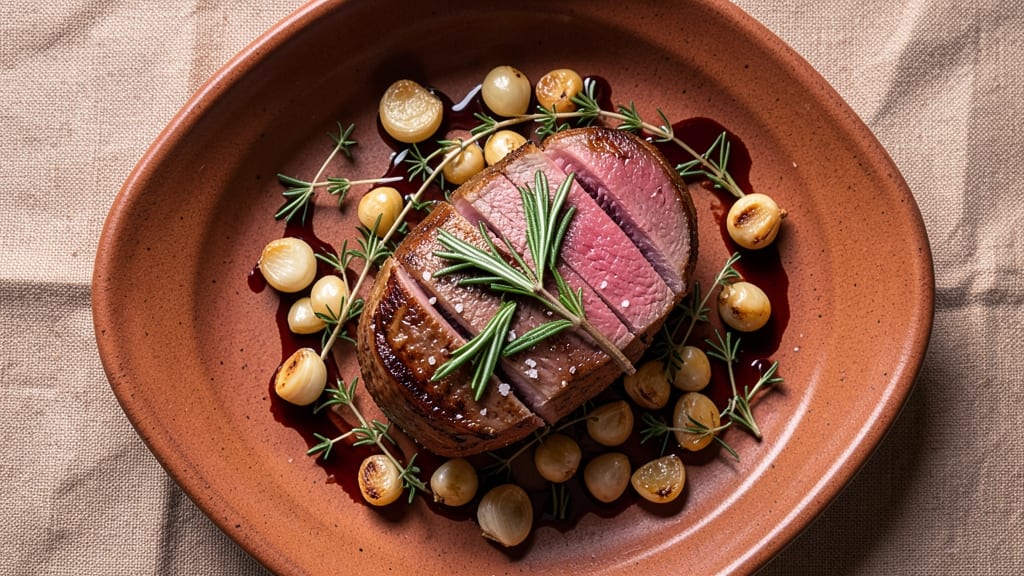
Barefoot Contessa's slow-roasted beef tenderloin delivers restaurant-quality results with minimal fuss—juicy, perfectly medium-rare, and infused with aromatic herbs. The secret lies in slow roasting at a precise temperature, ensuring even cooking without overcooking the center. This technique transforms a simple cut into an elegant centerpiece that feels effortless yet impressive.
Unlike traditional high-heat searing, this method relies on steady, low-and-slow cooking to develop deep flavor while maintaining tenderness. A simple herb blend—rosemary, thyme, and garlic—creates subtle, sophisticated notes that enhance the beef's natural richness.
The result is a roast with a beautifully caramelized crust and a core that stays perfectly pink.
What makes this recipe truly special is its versatility. Serve it with roasted root vegetables, creamy mashed potatoes, or a crisp green salad for a complete meal.
The presentation is just as important as the cooking—sliced against the grain for maximum tenderness, garnished with fresh herbs, and served with a drizzle of red wine reduction if desired.
Perfect for special occasions or a luxurious weeknight dinner, this tenderloin requires only a few ingredients and about 2.5 hours of hands-off cooking time. With precise timing and careful resting, you'll achieve a result that rivals the best steakhouses—without the fuss. Let's get started on creating your perfect roast.
Ingredients for barefoot contessa slow roasted beef tenderloin
Six ingredients transform a simple beef tenderloin into restaurant-worthy perfection with minimal effort.
| Ingredient | Amount | Notes |
|---|---|---|
| Beef Tenderloin 🥩 | 4 lb | Center-cut, trimmed of silver skin |
| Extra-Virgin Olive Oil 🫒 | ½ cup | High-quality, fruity variety |
| Fresh Rosemary 🌿 | ⅓ cup | Finely chopped stems included |
| Fresh Thyme 🌿 | ¼ cup | Leaves only, stems removed |
| Garlic Cloves 🧄 | 8 cloves | Smashed but not minced |
| Kosher Salt 🧂 | 1 ½ tbsp | Diamond Crystal preferred |
| Freshly Ground Black Pepper 🌶️ | 1 tbsp | Coarsely cracked peppercorns |
| Yellow Onion 🧅 | 1 whole | Thinly sliced for garnish |
| Medium Carrots 🥕 | 4 pieces | Whole, peeled, for roasting |
| Red Wine 🍷 | ½ cup | Bold dry variety like Cabernet |
| Fresh Parsley 🌿 | ¼ cup | Chopped, for garnish |
| Unsalted Butter 🧈 | ¼ cup | Cold, cubed for basting |
The beef tenderloin is the star—center-cut ensures maximum tenderness, while 4 pounds serves a crowd elegantly. For the best quality, Whole Foods or local butcher shops carry premium cuts, but even the grocery store's pre-trimmed tenderloin works if you're short on time. Look for vibrant red color and good marbling. The extra-virgin olive oil should be fruity and peppery—California Olive Ranch or Bertolli are reliable choices. Fresh herbs make all the difference: Trader Joe's has excellent organic rosemary and thyme that hold up beautifully during cooking.
No fresh rosemary? Dried works at one-third the amount, but the texture won't be as elegant. Swap the red wine for beef broth plus 1 tbsp balsamic vinegar if needed—just don't skip the acid. The butter should be cold and cubed for basting; Plugrá is my go-to for its high butterfat content. For the carrots, baby carrots or whole parsnips work just as well. The key is keeping everything simple: no pre-made seasonings, just the fresh herbs and bold flavors. If you're worried about the beef drying out, brine it overnight—just 1/4 cup salt per gallon of water does the trick.
This roast tastes even better the next day—plan ahead. Store leftovers in the fridge for 4-5 days or freeze for up to 3 months (wrap tightly in butcher paper first). The herbs can be prepped a day ahead and stored in the fridge. For serving, slice against the grain for maximum tenderness. Garnish with the sliced onion and parsley right before serving—the colors pop against the golden crust. Leftovers reheat beautifully in a 350°F oven for 15 minutes with a splash of beef broth to keep them moist.
Why You'll Love This Recipe
- One-Pan Magic: I swear by this recipe because it’s that simple—just rub the tenderloin with olive oil, garlic, rosemary, and thyme, then let the oven do the rest. No flipping, no fussing, no stress.
- Herb-Crusted Perfection: The rosemary and thyme cling to the beef like a cozy blanket, while the garlic infuses every bite with warmth. It’s rich but not heavy—just pure, melt-in-your-mouth satisfaction.
- Weeknight or Weekend Star: This cuts prep time in half compared to my old method, and the leftovers? Chef’s kiss. Slice it for sandwiches, toss it into salads, or reheat it for a lazy Sunday lunch.
- Budget-Friendly Luxury: You’re paying for quality beef, but the rest? Olive oil, fresh herbs, and garlic—stuff I always have on hand. It feels like a fancy dinner without the grocery-shocking price tag.
Step-by-step instructions for herb-infused beef tenderloin
Here's how to achieve a perfectly tender, medium-rare center with a fragrant herb crust that will impress any dinner guest.
Prepare the Herb Rub and Season the Beef
In a small bowl, combine the 0.33 cup fresh rosemary, 0.25 cup fresh thyme, 1.5 tbsp kosher salt, and 1 tbsp freshly ground black pepper. I like to use my fingers to gently crush the herb stems slightly—this releases more flavor without turning it to paste. Add the 8 smashed garlic cloves and mix well with your fingers until everything is thoroughly coated and fragrant.
Pat the 4 lb beef tenderloin completely dry with paper towels—this is crucial for that perfect crust. Then, generously coat the entire surface with the herb mixture, pressing it firmly into the meat. The rub should stick to the beef rather than fall off. Place the seasoned tenderloin on a plate and let it sit at room temperature for 30 minutes before roasting. This allows the meat to come to room temperature, ensuring even cooking throughout.
Create the Herb-Infused Oil and Set Up the Roasting Pan
In a small saucepan, gently warm the 0.5 cup extra-virgin olive oil over low heat until it just begins to shimmer. Remove it from heat and stir in the 0.25 cup unsalted butter until melted. Let this mixture cool slightly, then pour it into a shallow dish. Submerge the seasoned beef in the oil mixture, turning it to coat all sides completely. This creates an aromatic barrier that keeps the meat moist during roasting.
While the beef marinates in the oil, preheat your oven to 400°F. Place the 4 medium carrots and 1 whole yellow onion in a roasting pan and drizzle with any remaining oil mixture. These vegetables will roast alongside the beef, adding natural sweetness to the pan juices. Position a meat thermometer in the thickest part of the tenderloin if you have one—this ensures perfect doneness without overcooking.
Roast to Perfect Medium-Rare
Place the beef on top of the vegetables in the roasting pan, fat-side up. Roast for 20 minutes at 400°F to render some fat and create a head start on the crust. Then, reduce the oven temperature to 325°F and continue roasting. Here's where the magic happens: cook until the internal temperature reaches 125°F for medium-rare—this typically takes 25-35 minutes depending on your oven.
I always check the temperature in two places—both ends of the tenderloin can cook at slightly different rates. The moment it hits 125°F, remove the beef from the oven and tent it loosely with aluminum foil. Let it rest for 15-20 minutes before slicing. This resting period is absolutely critical—it allows the juices to redistribute throughout the meat, ensuring each slice remains moist and tender.
Prepare the Red Wine Pan Sauce
While the beef rests, place the roasting pan on the stovetop over medium heat. Add the 0.5 cup red wine to the pan and scrape up all the browned bits from the bottom with a wooden spoon. This deglazing step captures all the rich beefy flavors. Let the wine simmer for 3-4 minutes until reduced by half, then remove from heat and stir in the 0.25 cup fresh parsley.
For a final touch, you can strain the sauce through a fine-mesh sieve if you prefer a smoother texture. The sauce should coat the back of a spoon and have a beautiful deep red color. This sauce pairs perfectly with the tenderloin and adds an elegant finishing touch to your presentation.
Slice and Serve with Confidence
After resting, use a sharp carving knife to slice the tenderloin into 1-inch thick medallions against the grain. The meat should be perfectly pink in the center with a beautiful herb-infused crust. Arrange the slices on a warm platter and spoon the red wine sauce generously over the top. Garnish with additional fresh parsley for a pop of color and freshness.
Serve immediately with roasted vegetables and your choice of sides. The contrast between the tender, juicy beef and the rich, slightly tangy red wine sauce will make this the centerpiece of any meal. Each bite should deliver that perfect balance of herbaceous flavor, buttery richness, and succulent texture that makes this dish truly unforgettable.
Pro Tips For Making Barefoot Contessa Slow Roasted Beef Tenderloin
- Trim That Fat Cap: The Barefoot Contessa recipe calls for a thick fat cap on the tenderloin, but if yours is uneven, trim it down to about ¼-inch—just enough for flavor without turning your pan into a grease fire. I learned this the hard way when I left a thick cap on and ended up with a charred mess instead of a golden crust.
- Roast at 325°F (No Higher): This isn’t a sear-and-speed-up job—stick to 325°F for even cooking. I was in a rush once and bumped it to 375°F, and the outside overcooked while the inside stayed cold. Slow and steady wins with tenderloin; trust the timer.
- Stuff Herbs Loosely: Don’t pack those rosemary sprigs and thyme stems into the tenderloin like you’re overstuffing a sausage. Tuck them in gently—just enough to infuse flavor without making the meat tough. Overstuffing is how you end up with a dry, herb-laden brick instead of juicy perfection.
- Rest Under Foil (Not Air): After roasting, tent the tenderloin with foil and let it rest for 15 minutes. I used to skip this, and the juices would pool on the cutting board instead of redistributing. Foil keeps it warm and locks in moisture—your knife will thank you.
Serving suggestions for this barefoot contessa slow roasted beef tenderloin
Classic Elegant Plating
Serve the beef tenderloin on a large wooden board or slate platter for rustic elegance—Barefoot Contessa's signature style. Slice into 1-inch medallions against the grain and arrange in a loose circle, leaving space between slices.
Spoon the red wine reduction generously over the top, then scatter with thinly sliced yellow onion rings and fresh parsley for vibrant color contrast. The natural golden crust will shine beautifully against the dark platter. 🍽️
Roasted Root Vegetables
Use the same roasting pan where the beef cooked for carrots and parsnips—toss them with 1 tbsp olive oil, 1 tsp kosher salt, and ½ tsp black pepper before roasting at 400°F for 30 minutes.
Their natural sweetness complements the beef perfectly. For extra flavor, sprinkle with crispy fried shallots or toasted pine nuts right before serving. I like to arrange them in a fan shape around the beef for visual appeal.
Creamy Garlic Mashed Potatoes
For a rich contrast, make smooth garlic mashed potatoes using 2 lbs Yukon Gold potatoes, ½ cup unsalted butter, ½ cup whole milk, 4 cloves roasted garlic, and 1 tsp salt.
Mash until silky smooth and pipe onto plates using a star-tip pastry bag for an elegant touch. The creamy texture balances the beef's herbaceous crust beautifully. Keep them warm in a double boiler while the beef rests.
Simple Green Salad
A light arugula salad with lemon vinaigrette cuts through the richness of the beef. Toss 5 oz baby arugula with 2 tbsp extra-virgin olive oil, 1 tbsp fresh lemon juice, 1 tsp honey, and pinch of flaky sea salt.
Top with thinly sliced radishes and toasted walnuts for crunch. Serve on the side or create a two-tiered platter with the beef on top and salad below for a complete presentation.
Wine and Beverage Pairings
Pair this dish with a bold Cabernet Sauvignon or Syrah—their tannins complement the beef's richness. For non-alcoholic options, try sparkling apple cider or iced hibiscus tea with lemon slices. The acidity in both drinks helps cleanse the palate between rich bites.
I always serve chilled white wine (like Sauvignon Blanc) for guests who prefer lighter options—it contrasts beautifully with the herb crust. 🍷
Make-Ahead Garnishes
Prep garnishes ahead to streamline serving: chop parsley and slice onions the night before and store in airtight containers. For extra flair, make crispy fried shallots by thinly slicing shallots, frying in neutral oil until golden, and draining on paper towels.
Keep them in a small jar at room temperature—they'll stay crisp for up to 3 days. These final touches elevate the dish without extra effort during service. ✨
Nutrition facts
Frequently asked questions
Why does the recipe call for resting the beef after roasting?
Resting the beef for 15-20 minutes after roasting is crucial to prevent juices from leaking out when sliced. When you cut into meat immediately, the hot center pushes those precious juices to the surface, making each slice dry. This pause allows the meat fibers to relax and redistribute the juices evenly throughout, ensuring each bite stays tender and moist. Pro tip: Tent the beef loosely with foil to keep it warm while resting.
Can I use a smaller cut of beef tenderloin?
Yes, but adjust your cooking time accordingly. A 2-pound tenderloin will cook about 15-20 minutes faster than the 4-pound version. Use a meat thermometer to check for 125°F internal temperature for medium-rare, regardless of size. The herb rub and oil bath work perfectly for smaller cuts too—just scale down the seasoning by half and reduce roasting vegetables proportionally.
What if I don't have fresh rosemary or thyme?
No problem! Use 1 tbsp dried rosemary and 1 tbsp dried thyme (about one-third the amount of fresh). For extra depth, add 1 tsp dried oregano or ½ tsp smoked paprika. The flavor won't be identical, but it still delivers that aromatic herbaceous note. If you're completely without herbs, a blend of 1 tsp each of garlic powder, onion powder, and black pepper works in a pinch.
How do I know when the beef is perfectly medium-rare?
Use a meat thermometer for precision: 125°F for medium-rare (slightly pink center). If you don't have one, cut into the thickest part—medium-rare should have a warm red center with a slightly cooler outer edge. For visual cues, the crust should be golden brown, and the juices running clear (not red or pink). Remember, the temperature will rise 5°F while resting, so pull it out slightly early.
Can I make this recipe ahead of time?
Roast the beef up to 2 days ahead and refrigerate it wrapped tightly in butcher paper. Reheat in a 325°F oven for 15-20 minutes with a splash of beef broth to keep it moist. The flavors actually improve over time as the meat rests. For the red wine sauce, make it fresh before serving or store it separately (it reheats beautifully). Garnishes like parsley and onions can be prepped 1 day ahead and stored in the fridge.