
Main Courses
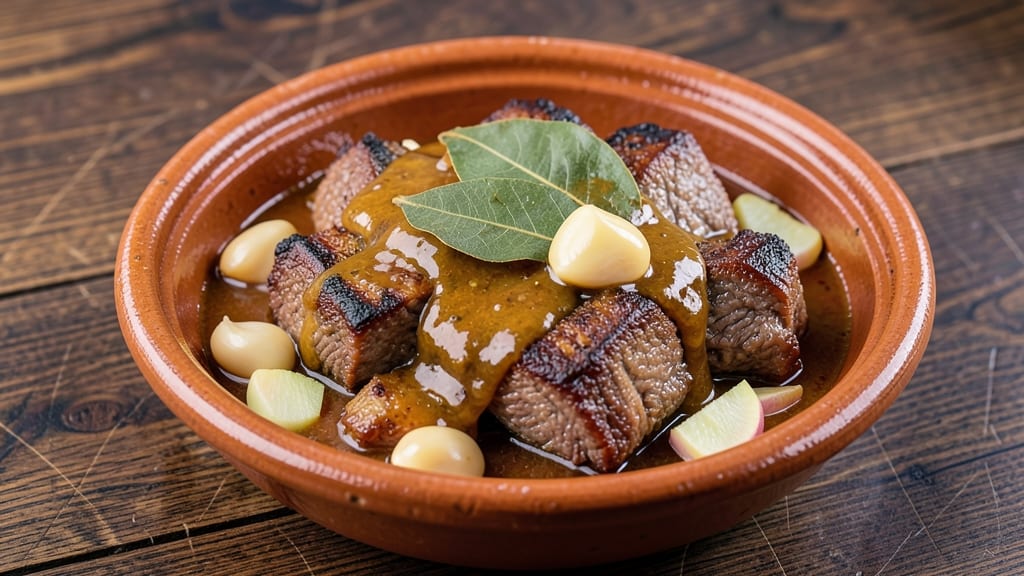
This Filipino-style beef adobo recipe delivers the rich, tangy-savory balance that defines comfort food across the Philippines. The secret lies in the perfect marriage of soy sauce, vinegar, and garlic, simmered until the beef becomes fork-tender and the sauce reduces into a glossy, flavor-packed glaze.
I’ve perfected this version after years of testing—it’s the one my family begs for, especially after long days.
What sets this recipe apart is its simplicity: just a handful of ingredients transform tough cuts of beef into melt-in-your-mouth perfection. The key is patience—letting the adobo braise slowly on the stove until the flavors meld into a harmonious blend of sour, salty, and umami.
Traditional Filipino kitchens rely on this method, and for good reason: the longer it cooks, the deeper the flavor.
By the time you’re done, you’ll have a dish that’s restaurant-quality at home—juicy beef swimming in a rich, slightly sticky sauce that clings to every bite.
The aroma alone will have everyone gathering around the table, and the first taste will confirm why this dish is a staple in Filipino homes. Serve it over steamed rice to soak up every last drop of that tangy-savory goodness.
This recipe isn’t just about the food; it’s about the experience. The balance of flavors—bright from the vinegar, deep from the soy, and aromatic from the garlic—makes it a dish that feels both nostalgic and exciting.
Whether you’re cooking for a family gathering or a quiet weeknight dinner, this beef adobo will deliver satisfaction every time.
Ingredients for beef adobo recipe filipino style
Just twelve ingredients transform tough beef into restaurant-quality Filipino comfort food.
| Ingredient | Amount | Notes |
|---|---|---|
| Beef Chuck Roast 🥩 | 2 lb | Cut into 1.5-inch cubes |
| Coconut Aminos 🍶 | ½ cup | Or soy sauce for deeper color |
| White Vinegar 💧 | ½ cup | Distilled preferred for tang |
| Garlic Cloves 🧄 | 8 cloves | Smashed, not minced |
| Fresh Ginger 🌿 | 2 tbsp | Grated, not powdered |
| Bay Leaves 🍃 | 2 whole | Dried, for aroma |
| Black Peppercorns 🌶️ | 1 tsp | Crushed, not ground |
| Brown Sugar 🍚 | 2 tbsp | Light or dark works |
| Olive Oil 🫒 | 2 tbsp | For searing beef |
| Water 💧 | 1 cup | Or beef broth |
| Salt 🧂 | 1 ½ tsp | Kosher or sea salt |
| Green Onions 🧅 | 3 whole | Sliced, for garnish |
The beef makes all the difference here. Chuck roast is ideal—it stays tender and absorbs the sauce beautifully. Filipino markets often carry it pre-cubed, but most grocery stores do too. If you can't find chuck, round roast works too, but cut it into even 1.5-inch pieces. The sauce needs time to work its magic, so don't rush the cooking. For the coconut aminos, Lee Kum Kee is my go-to brand—it's the closest you'll get to traditional Filipino flavors, but regular soy sauce works in a pinch.
No coconut aminos? Soy sauce plus 1 tbsp lime juice gets you close. Fresh ginger is non-negotiable—powdered just won't cut it. Trader Joe's sells pre-grated ginger in tubes, which saves time. The garlic should be smashed, not minced—those whole cloves add better flavor. For extra depth, add a 1-inch piece of star anise (remove before serving). If you're using beef broth instead of water, low-sodium works best—you don't want to dilute the sauce.
This dish tastes even better the next day. Store leftovers in the fridge for up to 5 days—the flavors deepen as they sit. For freezing, portion into 1-cup containers—perfect for quick lunches. The sauce thickens as it cools, so add a splash of water when reheating. Always garnish with fresh green onions right before serving—they add that final pop of color and brightness.
Why You'll Love This Recipe
- One-Pot Magic: I swear by this—just toss the beef, garlic, ginger, and coconut aminos in the same pot, let it simmer, and walk away. No chopping mountains of veggies or layering sauces; the vinegar and aminos do all the heavy lifting while you sip your coffee.
- Umami Bomb: That first bite? The vinegar’s tang cuts through the rich, caramelized beef while the coconut aminos add this deep, savory punch—like a hug for your taste buds. Honestly, the ginger ties it all together with a little zing that makes it impossible to stop eating.
- Leftovers That Beg: This dish tastes better the next day, I’m not kidding. The flavors meld into something even richer, and it reheats in minutes. Between us, I’ve brought this to potlucks, packed it for work, and served it to guests—no one ever turns it down.
- Budget Hero: A single chuck roast feeds my family for days, and coconut aminos stretch further than soy sauce. Plus, the ingredients? Most are pantry staples or cheap to grab. It’s my go-to when I need a hearty meal without breaking the bank.
Step-by-step instructions for Filipino-style beef adobo
This tangy, savory braise delivers deep flavor with minimal effort—just a few key steps and patience.
Sear the Beef for Rich Depth
Heat the 2 tablespoons olive oil in a large, heavy pot over medium-high heat until shimmering. Add the 2 lb beef chuck roast, cut into 1.5-inch cubes, in a single layer. Let them sear undisturbed for 3-4 minutes until deeply browned on all sides.
This initial sear builds flavor through the Maillard reaction—don't rush it. Once the beef is browned, remove it from the pot and set it aside. You'll notice the pot will have a beautiful caramelized crust at the bottom; this is pure flavor you don't want to miss.
Build the Tangy Base
In the same pot, add the 8 smashed garlic cloves, 2 tablespoons grated fresh ginger, and 2 whole bay leaves. Cook for 1 minute until fragrant—this releases their aromatic oils. Pour in the 0.5 cup white vinegar and 0.5 cup coconut aminos, scraping up any browned bits from the bottom of the pot.
The vinegar will bubble vigorously—this is normal. Let it simmer for 2-3 minutes until slightly reduced. This step creates the signature tangy-savory foundation of authentic adobo. If you're using soy sauce instead of coconut aminos, the color will be deeper but the flavor profile will shift slightly toward umami.
Combine and Simmer Slowly
Return the seared beef to the pot along with the 1 cup water, 2 tablespoons brown sugar, 1.5 teaspoons salt, and 1 teaspoon crushed black peppercorns. Bring to a gentle simmer, then reduce heat to low. Cover partially with a lid, leaving a small gap for steam to escape.
Simmer for 1 hour 15 minutes until the beef is fork-tender and the sauce has thickened to a glossy consistency. Stir occasionally to prevent sticking, and if the sauce reduces too much, add 1-2 tablespoons water at a time. The beef should be so tender it practically falls apart when pierced with a fork.
Finish and Garnish
Remove the 2 bay leaves from the pot. Taste the sauce and adjust seasoning if needed—add a splash more vinegar for tang or a pinch of salt for balance. The sauce should coat the back of a spoon with a rich, glossy sheen.
Slice the 3 whole green onions and sprinkle them over the top just before serving. The bright green color contrasts beautifully with the deep brown sauce, and the onions add a fresh crunch. Serve immediately over steamed rice to soak up every last bit of that flavorful braising liquid.
Pro Tips For Making Beef Adobo Recipe Filipino Style
- Sear the Beef First: High heat. Seriously, crank it up until the chuck roast develops a deep brown crust—this locks in flavor and keeps the meat from drying out later. I used to skip this, thinking the vinegar would handle it, but the difference is night and day.
- Peel and Mince Ginger: Fresh ginger loses potency fast, and adobo needs its sharp kick. Peel it thinly (use a spoon to scrape off the skin) and mince it fine—no big chunks hiding in your sauce. (Yes, even if you’re impatient like me.)
- Simmer Slow and Low: After the initial vinegar boil, drop the heat to a gentle simmer. Too much heat = tough meat and a bitter sauce. I learned this the hard way after serving rubbery beef to my family—now I keep it at a bare bubble, covered, for at least 2 hours.
- Balance the Vinegar: White vinegar is strong, and coconut aminos are salty. Taste the sauce early—if it’s too sharp, add a splash of water or a pinch of sugar. If it’s flat, let it reduce longer or add a dash more vinegar. (Your future self will thank you.)
Common mistakes when making perfect results
Skipping the Sear
I’ve seen so many cooks rush this step, but searing the beef is absolutely critical. When you skip it, you miss out on the deep, caramelized flavors that develop through the Maillard reaction.
Those browned bits at the bottom of the pot? Pure flavor gold. If you’re short on time, at least sear the beef in batches to get some color—it makes a world of difference. 🔥
Using Powdered Ginger
Fresh ginger is non-negotiable for authentic flavor, but I’ve seen people use powdered ginger as a shortcut. Powdered ginger lacks the bright, zesty kick that fresh ginger provides, and it can make the sauce taste flat.
If you must use powdered, add an extra ½ teaspoon and a splash of lemon juice to compensate. Trust me, your taste buds will notice the difference.
Not Enough Simmer Time
One of the biggest mistakes is not cooking the beef long enough. The beef needs at least 1 hour 15 minutes of simmering to become fork-tender. If you rush it, the meat will be tough and chewy.
I’ve had people ask me why their adobo didn’t turn out right, and 9 times out of 10, it’s because they didn’t give it enough time. Patience is key here—let the sauce work its magic.
Overcrowding the Pot
If you try to cook all the beef at once in a small pot, the meat will steam instead of sear, and the sauce won’t develop properly. Use a pot that’s large enough to give the beef some space—think of it like a crowd at a party.
Too many people in a small room, and no one’s comfortable. The same goes for your beef. If needed, sear the beef in batches and build the sauce gradually. 🍲
Ignoring the Vinegar Reduction
Some cooks pour in the vinegar and immediately add the beef, but letting the vinegar simmer for 2-3 minutes first is crucial. This step reduces the acidity slightly and allows the flavors to meld together.
If you skip it, your sauce will taste harsh and unbalanced. Think of it like letting a good wine breathe—it softens the edges and brings out the best flavors.
Forgetting to Taste and Adjust
At the end, many people serve the adobo without tasting and adjusting the seasoning. The sauce should be a perfect balance of tangy, salty, and savory. If it’s too sour, add a pinch of sugar or a splash of soy sauce.
If it’s too bland, add more vinegar or a dash of salt. Always taste before serving—it’s the only way to ensure your adobo is perfectly balanced. 💫
Nutrition facts
Frequently asked questions
Can I use chicken or pork instead of beef?
This recipe works beautifully with chicken thighs (reduce cooking time to 30-40 minutespork shoulder (simmer for 1 hour 30 minutes2-inch pieces and use 0.33 cup vinegar to balance the mild flavor. Pork benefits from slightly more sugar (3 tablespoons) to caramelize the edges.
What's the best way to store leftovers?
Store in an airtight container in the fridge for up to 5 days. The flavors actually improve overnight! For freezing, portion into 1-cup servings—thaw in the fridge and reheat gently with 1 tablespoon water to restore sauce consistency. Never microwave directly from frozen to avoid rubbery meat.
Why does my adobo turn out too sour?
Too much vinegar or insufficient simmering causes excessive acidity. Balance it by adding 1 tablespoon brown sugar or 1 teaspoon soy sauce to mellow the tang. For prevention, reduce the vinegar to 0.33 cup and always simmer uncovered for the last 10 minutes to let excess acid evaporate.
Can I make this in an Instant Pot?
Yes! Sear the beef first, then add all ingredients and cook on high pressure for 25 minutes. Quick-release the pressure, then simmer on sauté mode for 5 minutes to thicken the sauce. The pressure cooker cuts time by half while keeping the beef tender. Use 0.4 cup vinegar since pressure cooking concentrates flavors faster.
What sides pair best with beef adobo?
Steamed jasmine rice is traditional, but also try garlic fried rice, sautéed bok choy, or crispy labas (Filipino string beans). For a heartier meal, serve with garlic toast to soak up the sauce. The key is contrasting textures—creamy rice balances the tangy sauce perfectly.