
Main Courses
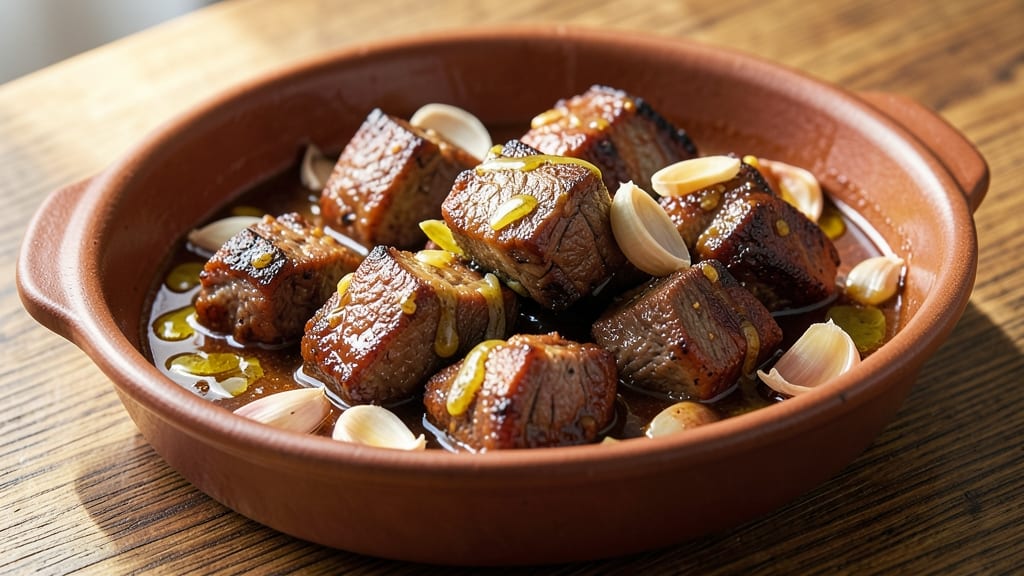
This slow cooker beef adobo transforms tough beef into fork-tender perfection with minimal effort. The vinegar-soy sauce marinade works its magic while you're out, creating a rich, savory depth that defines Filipino comfort food. I've perfected this adaptation for busy weeknights—no stovetop babysitting required.
The secret lies in balancing the acidity of vinegar with the umami of soy sauce, garlic, and ginger—all simmered low and slow until the beef practically melts.
What starts as a simple marinade becomes a deeply flavorful sauce that coats every bite, delivering that signature tangy-savory adobo profile without the fuss of traditional braising.
By the time you serve it, you'll have perfectly tender beef that falls apart at the touch of a fork, swimming in a glossy sauce that's equally delicious spooned over rice or drizzled over steamed vegetables.
The slow cooker does all the heavy lifting while you focus on preparing the sides.
This method preserves all the authentic flavors of beef adobo while making it accessible for weeknight dinners. Let's get started—your taste buds will thank you for the shortcut to restaurant-quality results.
Ingredients for beef adobo recipe slow cooker
Nine essential ingredients transform simple beef into restaurant-worthy slow cooker adobo.
| Ingredient | Amount | Notes |
|---|---|---|
| Chuck Roast 🥩 | 2 lb | Cut into 2-inch cubes |
| White Vinegar 💧 | 1 cup | Distilled preferred |
| Soy Sauce 🥄 | ½ cup | Kikkoman preferred |
| Garlic Cloves 🧄 | 8 cloves | Peeled, smashed |
| Fresh Ginger 🌿 | 2 tbsp | Grated, finely |
| Olive Oil 🫒 | 2 tbsp | Extra-virgin for richness |
| Brown Sugar 🍯 | 2 tbsp | Light or dark |
| Black Peppercorns 🌶️ | 1 tsp | Crushed |
| Bay Leaves 🌿 | 2 whole | Dried, standard size |
| Long-Grain White Rice 🍚 | 1 ½ cups | Uncooked, long grain |
| Water 💧 | 3 cups | For rice cooking |
| Salt 🧂 | 1 tsp | Kosher or sea salt |
The chuck roast is non-negotiable here—its marbling melts into the sauce for that signature adobo richness. Costco or Walmart sell it pre-cubed, saving you chopping time. Look for cuts with good fat distribution; the more marbling, the more flavor. Fresh ginger and garlic are worth the extra minute to grate and smash—they're the flavor anchors. For vinegar, distilled white gives the cleanest tang without overpowering. If you can't find Kikkoman soy sauce, any high-quality brand works, but avoid reduced-sodium versions—they lack depth.
No fresh ginger? Ground ginger at half the amount works in a pinch, but it won't have that same bright punch. Substituting apple cider vinegar for white? Use the same amount, but add an extra pinch of sugar to balance the fruitiness. The brown sugar isn't just for sweetness—it helps caramelize the sauce slightly in the slow cooker. If you're short on time, pre-cook the rice separately and add it to the slow cooker at the end for easier cleanup. The bay leaves? Don't skip them—they add that subtle herbal depth that separates homemade from store-bought.
This sauce gets better the next day—honestly, it's worth making extra. Store leftovers in the fridge for up to 5 days, or freeze portions for 3 months. The rice reheats beautifully with a splash of water or sauce. For serving, I like to drizzle the sauce over steamed greens or serve it alongside the rice—double the satisfaction. If you've got leftover sauce, freeze it in ice cube trays for easy portioning later. The beef stays tender for days, so don't hesitate to make this for meal prep.
Why You'll Love This Recipe
- Dump-and-Go Magic: Honestly, I swear by this—just toss the chuck roast, garlic, ginger, and a splash of vinegar into the slow cooker, then walk away. The soy sauce does all the heavy lifting while you’re busy with whatever (laundry, scrolling, pretending to work).
- Tangy-Savory Balance: That first bite? The vinegar’s sharp kick mellows into something rich and umami from the soy, while the ginger lingers like a warm hug. It’s the kind of flavor that makes you pause mid-bite—no fancy plating needed.
- Leftovers That Beg for More: Between us, the second day is often better. The beef gets even more tender, and the sauce thickens into a glossy, clingy glaze. I’ll pack it for lunch or reheat a portion with rice—it’s my go-to for lazy days.
- Budget-Friendly Crowd-Pleaser: A chuck roast stretches for a family of four (or two very hungry people), and the ingredients? Basic pantry staples. It’s the kind of meal that makes you feel like you’re feeding a house without breaking the bank—or your sanity.
Step-by-step instructions for slow cooker beef adobo
Here's how to transform tough chuck roast into melt-in-your-mouth beef with rich, tangy depth.
Sear the Chuck Roast for Maximum Flavor
Heat a large skillet over medium-high heat and add the 2 tablespoons olive oil. Once shimmering, add the 2 lb chuck roast cut into 2-inch cubes in a single layer. Let them sear undisturbed for 3-4 minutes per side until developing a deep golden-brown crust. This step creates the Maillard reaction that builds complex flavors.
As the meat browns, you'll notice it releases juices and develops a caramelized exterior. Don't crowd the pan—work in batches if needed. Transfer the seared beef to your slow cooker and set aside. The crust we just created will become the flavor foundation for our adobo sauce.
Build the Adobo Marinade in the Slow Cooker
In the same skillet (no need to clean it), add the 8 smashed garlic cloves and 2 tablespoons finely grated ginger over medium heat. Cook for 30 seconds until fragrant but not browned. Immediately transfer these aromatics to the slow cooker with the beef.
Add the 1 cup white vinegar, 0.5 cup soy sauce, 2 tablespoons brown sugar, 1 teaspoon crushed black peppercorns, and 2 whole bay leaves to the slow cooker. Stir gently to combine, being careful not to break up the beef pieces too much. This marinade will tenderize the meat while infusing it with tangy, umami-rich flavors.
Cook Until Fork-Tender
Place the lid on the slow cooker and cook on low heat for 8-10 hours. The long cooking time is crucial—it breaks down the connective tissue in the chuck roast, transforming it into melt-in-your-mouth beef. The vinegar and soy sauce will create a rich, glossy sauce that coats every bite.
About 1 hour before serving, check the beef's tenderness by piercing it with a fork. It should slide in easily with no resistance. If it's not quite tender enough, continue cooking for another 30-60 minutes. The sauce should be thick and syrupy, clinging beautifully to the beef.
Prepare the Perfect Rice
While the beef cooks, prepare the rice. In a medium saucepan, combine 1.5 cups long-grain white rice, 3 cups water, and 1 teaspoon salt. Bring to a boil, then reduce heat to low, cover, and simmer for 15-18 minutes until the liquid is absorbed and the rice is tender. Fluff with a fork and let it sit covered for 5 minutes before serving.
For extra flavor, you can stir 1 tablespoon of the beef adobo sauce into the cooked rice before serving. This simple step elevates the rice from ordinary to extraordinary, tying all the flavors together in each bite.
Serve with Confidence
Remove the bay leaves from the slow cooker and discard them. Taste the sauce and adjust seasoning if needed—add more soy sauce for saltiness or vinegar for tang. Spoon the beef and sauce over the rice, ensuring each serving gets plenty of that rich, flavorful adobo.
This dish serves 4 generous portions, perfect for a family dinner or meal prep. The leftovers actually improve overnight as the flavors meld further. Serve with steamed vegetables or a simple green salad to complete the meal, but trust me, the beef and rice will be the stars of the show.
Pro Tips For Making Beef Adobo Recipe Slow Cooker
- SEAR THE ROAST FIRST: I learned this the hard way—skipping the sear means flavor hiding in the sauce instead of clinging to the meat. Pat the chuck roast dry, then hit it with high heat in a skillet for 3-4 minutes per side until deep brown. The crust locks in juices and makes the slow cooker version taste like a restaurant dish.
- PEEL AND SLICE THE GINGER: Sounds weird, but it works: peel the ginger before slicing it thinly (about 1/8-inch). Unpeeled ginger sits like a rock in the slow cooker, refusing to soften. Peeling first ensures it melts into the sauce smoothly—no chewing on tough bits.
- DILUTE THE VINEGAR: Straight vinegar in a slow cooker turns the beef into a science experiment. Mix equal parts white vinegar and water (or broth) before adding it to the pot. This keeps the meat tender instead of rubbery while still giving that classic tang.
- CHECK THE SOY SAUCE FIRST: Not all soy sauce is created equal—some brands are thin and watery, others thick and syrupy. Use about 1/3 cup of the thicker kind (like Kikkoman) instead of the runny stuff. Thinner sauce means a watery adobo, and no one wants that. Taste as you go.
Storing and reheating this recipe
Refrigerator Storage
Let your beef adobo cool completely before transferring to airtight containers—I use glass Pyrex with snap-on lids for best results. Store in the fridge at 40°F or below for up to 5 days.
The sauce will thicken further overnight, intensifying those tangy-savory flavors. Always leave ½ inch headspace to prevent spills when the sauce reduces. 💫
Freezer Preparation
For longer storage, freeze beef adobo in quart-sized freezer bags or airtight containers. Portion into 2-cup servings for easy reheating. Press out excess air and label with the date—this dish stays delicious for 3 months.
The beef remains fork-tender when thawed properly, though the sauce may separate slightly. Just stir before reheating. ❄️
Reheating Methods
For stovetop reheating, transfer beef and sauce to a skillet over medium-low heat. Add 2 tablespoons water to prevent sticking and simmer for 5-7 minutes, stirring occasionally. The slow heat preserves the sauce's richness without breaking the beef apart.
For microwave reheating, cover with a damp paper towel and heat in 1-minute intervals on 70% power until reaching 165°F. 🔥
Rice Handling
Reheat rice separately in a steamer basket over boiling water for 3-5 minutes or microwave with a splash of water for 1-2 minutes. For extra flavor, stir in 1 tablespoon of the reheated adobo sauce before serving.
The rice absorbs the sauce beautifully, creating a cohesive meal every time. This method keeps your rice from becoming dry or gluey. 🍚
Sauce Preservation
If you want to save just the sauce, strain it through a fine-mesh sieve after cooling to remove any solids. Store in ice cube trays for easy portioning—perfect for drizzling over rice or noodles later.
The concentrated sauce freezes well for 3 months and adds instant Filipino flavor to any dish. Just thaw overnight in the fridge before using. 💡
Meal Prep Tips
Double the recipe and freeze half for future meals. When ready to eat, thaw overnight in the fridge, then reheat as directed. I like to prep 2 servings on Sundays for quick weeknight dinners.
The slow cooker method makes this perfect for batch cooking—just adjust the rice quantity accordingly. Your future self will thank you for this time-saving strategy! ✨
Nutrition facts
Frequently asked questions
Can I use a different cut of beef for slow cooker adobo?
Chuck roast is ideal because its fat content creates rich sauce, but you can substitute with brisket or stew beef. Avoid lean cuts like sirloin—they won't tenderize properly. If using brisket, cut into 1.5-inch cubes and adjust cooking time to 9-11 hours on low. The fat content is key for that signature adobo depth!
Why does my slow cooker beef adobo taste too vinegary?
This happens when the acidity overpowers the umami. Balance it by adding 1 tablespoon soy sauce and ½ teaspoon brown sugar per cup of sauce. For future batches, reduce vinegar by ¼ cup and increase soy sauce by 2 tablespoons. The key is patience—let the flavors meld for 10+ hours before tasting.
Can I make this in an Instant Pot instead?
Yes! Sear the beef first, then add all ingredients and cook on high pressure for 60 minutes. Release pressure naturally, then stir in 2 tablespoons cornstarch mixed with 2 tablespoons water to thicken the sauce. The Instant Pot version cooks 3-4 hours faster but requires more monitoring to prevent overcooking.
What can I do with leftover adobo sauce?
Use it to glaze roasted vegetables, stir into fried rice, or drizzle over noodles! For extra richness, reduce leftover sauce by simmering 10 minutes uncovered. Store in ice cube trays for easy portioning. The sauce freezes well for 3 months—perfect for future quick meals!
How do I prevent the beef from becoming mushy?
Never overcook! Remove the beef when it reaches 195°F internal temp (fork-tender but not falling apart). For extra insurance, use chuck roast with good marbling and cook on low heat for 8 hours max. If using a 6-quart slow cooker, reduce cooking time by 1 hour—smaller batches cook faster.