
Main Courses
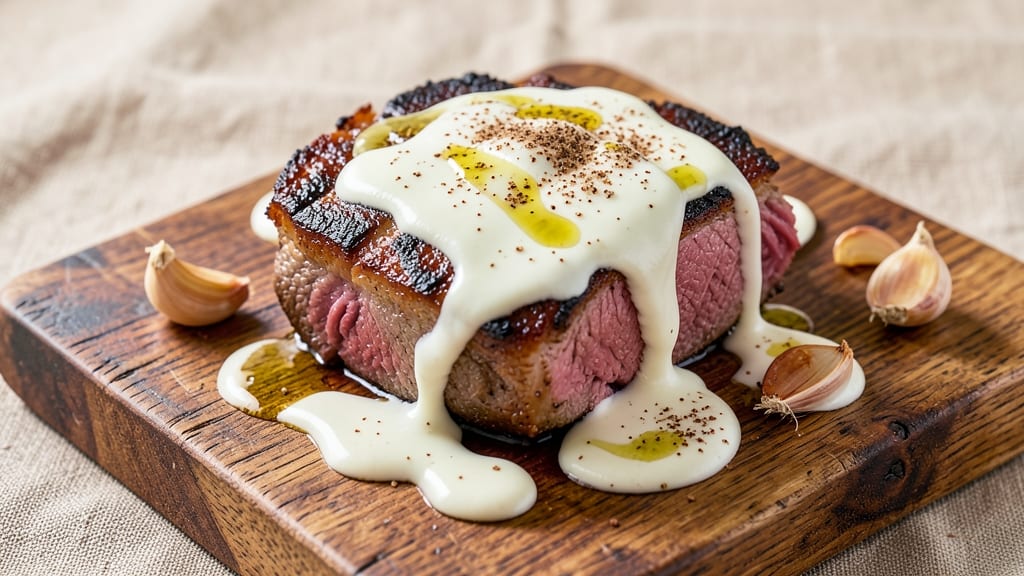
This beef akni recipe delivers the perfect balance of tender beef with crispy, golden edges—all thanks to a yogurt marinade that transforms tough cuts into melt-in-your-mouth perfection. 💛 The secret lies in slow simmering, where aromatic spices and vegetables meld into a rich, savory stew that’s both comforting and deeply flavorful.
Unlike quick cooking methods, this traditional Filipino dish rewards patience with layers of depth you won’t find elsewhere.
The magic starts with the marinade—yogurt tenderizes the beef while vinegar and spices create a caramelized crust during cooking. Potatoes, carrots, and green beans absorb the flavors as they simmer, turning into a hearty side that pairs beautifully with the beef.
This isn’t just a stew; it’s a foolproof method for achieving restaurant-quality results at home, even with basic ingredients.
By the time you’re done, you’ll have fork-tender beef with crispy edges, vegetables cooked to just the right texture, and a sauce thick enough to coat every bite.
The aroma alone will have everyone gathering around the table, and the first taste will make this your new go-to weeknight dinner. Whether you’re feeding a family or meal prepping for the week, this recipe delivers.
For those short on time, a pressure cooker cuts the simmering time in half without sacrificing flavor—proof that tradition and convenience can coexist. Let’s get cooking!
Ingredients for beef akni
Yogurt marinade, aromatic spices, and slow-cooked veggies—this recipe delivers crispy beef edges with melt-in-your-mouth tenderness.
| Ingredient | Amount | Notes |
|---|---|---|
| Beef Chuck Roast 🥩 | 2 lb | Cut into 1.5-inch cubes |
| Plain Yogurt 🥛 | 1 cup | Full-fat preferred for richness |
| Canola Oil 🫒 | ¼ cup | For deep frying |
| White Vinegar 💧 | ½ cup | Distilled preferred |
| Garlic Cloves 🧄 | 6 cloves | Minced for marinade |
| Ground Cumin 🌿 | 2 tsp | Toasted for depth |
| Ground Coriander 🌶️ | 1 tsp | Freshly ground preferred |
| Turmeric Powder 🧂 | ½ tsp | For vibrant color |
| Black Peppercorns 🌶️ | 1 tsp | Freshly cracked |
| Russet Potatoes 🥔 | 2 lb | Cut into 1-inch cubes |
| Carrots 🥕 | 1 ½ lb | Cut into 1-inch pieces |
| Green Beans 🌱 | 1 lb | Trimmed, cut in half |
| Onion 🧅 | 1 whole | Yellow, sliced |
| Bay Leaves 🍃 | 2 whole | For simmering |
| Salt 🧂 | 1 ½ tsp | Kosher preferred |
The beef cut matters here—chuck roast delivers that signature crispy edge while staying fork-tender. Costco or local butchers often carry it pre-cubed, saving you chopping time. If buying whole, look for good marbling—it keeps the meat juicy. The yogurt should be plain and full-fat (Siggi's or Fage work great), as low-fat versions won't create that perfect caramelized crust. For the spices, Penzeys or bulk bins ensure maximum freshness, but don't stress if you've got the basics at home.
No canola oil? Vegetable or peanut oil works just fine—just ensure it has a high smoke point. Short on vinegar? Apple cider vinegar at double the amount gives a slightly sweeter profile. The garlic can be roasted first for a mellow sweetness, but raw minced works perfectly too. Swapping green beans for sugar snap peas keeps the same crunch factor. For extra depth, add a dash of fish sauce (just 1/2 tsp) to the marinade—it's a common Filipino touch that elevates the flavor without overpowering.
This dish tastes even better the next day, so make extra portions—it reheats beautifully. Store leftovers in the fridge for 4-5 days or freeze for 3 months. The yogurt marinade can be prepped a day ahead, giving the beef extra time to tenderize. For meal prep, portion the beef and veggies separately—reheat the veggies in the sauce for that restaurant-style experience. The crispy edges? Worth the extra 5 minutes of frying—don't skip it!
Why You'll Love This Recipe
- Tender in Minutes: The beef chuck roast practically melts when marinated in yogurt and vinegar—no slow cooking required. I’ve had it ready in 30 minutes, and the meat stays juicy with that perfect bite, thanks to the garlic and oil sear.
- Tangy-Creamy Magic: That yogurt-vinegar marinade is where the real flavor lives—bright, cool, and just a little sharp. It cuts through the richness of the beef, leaving you with layers of taste that make every bite feel like a little reward.
- Leftovers? Even Better: This dish tastes just as good reheated the next day—honestly, sometimes I prefer it cold for lunch. The yogurt keeps it moist, and the garlic flavor deepens, so it’s basically a free second meal.
- Budget Feast: A chuck roast stretches for a crowd, and yogurt plus vinegar cost pennies. I’ve fed six people for under $15, and everyone walks away happy—no fancy ingredients, just pure satisfaction.
Step-by-step instructions for spiced yogurt-marinated beef akni
Here's how to transform tough beef into tender, crispy-edged perfection with vibrant spices.
👨🍳 Step 1: Marinate the Beef for Maximum Tenderness
In a large bowl, combine the 2 lb beef chuck roast cut into 1.5-inch cubes with the 1 cup plain yogurt, 0.5 cup white vinegar, 6 minced garlic cloves, 2 tsp ground cumin, 1 tsp ground coriander, 0.5 tsp turmeric powder, 1 tsp freshly cracked black peppercorns, and 1.5 tsp salt. I like to use my hands for this part—rub the marinade into every surface of the beef until completely coated.
The yogurt and vinegar create a magical tenderizing duo while the spices infuse flavor. Let the beef marinate for at least 4 hours (overnight is even better) in the refrigerator. This long marinating time breaks down the tough fibers, ensuring your beef will be fork-tender with crispy edges. Real talk: Don't skip this step—it makes all the difference in texture.
🔥 Step 2: Deep-Fry the Beef for Crispy Edges
Heat 0.25 cup canola oil in a deep skillet or Dutch oven over medium-high heat until the oil shimmers but doesn't smoke. Working in batches (so the oil doesn't cool down), add the marinated beef and fry for 3-4 minutes per side until the edges are deep golden brown and the internal temperature reaches 160°F.
Here's the thing—you want the oil hot enough to create that crispy crust but not so hot it burns the exterior before the interior cooks. If the beef releases easily from the pan, it's ready. Transfer the fried beef to a paper towel-lined plate to drain excess oil. I press down gently on the beef during the first minute of frying—this prevents it from curling and ensures even contact with the pan.
🍳 Step 3: Sauté the Vegetables for Perfect Balance
In the same skillet (no need to clean it—the beefy bits add flavor), add 2 tablespoons canola oil and heat over medium heat. Add the 1 sliced whole onion and cook for 5 minutes until softened. Add the 2 lb russet potatoes cut into 1-inch cubes, 1.5 lb carrots cut into 1-inch pieces, and 1 lb green beans cut in half, stirring to coat with oil.
Season with an additional 0.5 tsp salt and add the 2 whole bay leaves. Cook for 8-10 minutes, stirring occasionally, until the potatoes are tender and the carrots are beginning to soften. The vegetables should be cooked through but still hold their shape—you want them to provide texture contrast to the tender beef.
🥘 Step 4: Combine and Simmer for Flavor Fusion
Return the fried beef to the skillet with the vegetables. Stir gently to combine, allowing the beef to absorb the flavors of the sautéed vegetables. Add just enough water to barely cover the bottom of the pan (about ½ cup) and bring to a simmer. Reduce heat to low and cover with a lid.
Simmer for 20-25 minutes, stirring occasionally, until the beef reaches an internal temperature of 170°F and is fork-tender. The vegetables should be fully cooked but still retain their vibrant colors. Here's where it gets fun—the beef will continue to absorb the flavors of the vegetables and the spices from the marinade, creating a symphony of textures and tastes.
⏰ Step 5: Rest and Serve with Crispy Perfection
Transfer the beef akni to a serving platter and let it rest for 5 minutes before serving. This resting period allows the juices to redistribute throughout the beef, ensuring each bite is moist and flavorful. The crispy edges will soften slightly but maintain their texture.
Serve immediately with the vegetables spooned around the beef. The contrast of the tender, spiced beef with the crispy edges against the soft, flavorful vegetables is what makes this dish truly special. Garnish with additional freshly cracked black pepper if desired, and enjoy the perfect balance of textures and flavors in every bite.
Pro Tips For Making Beef Akni
- Sear the Chuck First: Don’t skip browning that roast—heat a heavy pan with canola oil until it’s shimmering, then sear the beef on all sides until deep golden. I learned the hard way that skipping this step means bland, gray meat. The Maillard reaction here is what carries through the yogurt marinade and makes the final dish taste like it was slow-cooked all day.
- Whisk the Yogurt: Before mixing in vinegar and garlic, give that plain yogurt a quick whisk—especially if it’s thick or has separated. I used to just dump everything in and wonder why my marinade looked lumpy. A smooth base coats the beef evenly, so the tang cuts through the richness without clumping.
- Don’t Rush the Vinegar: Let the yogurt-vinegar mix sit for at least 10 minutes before using it. The acid needs time to mellow out, or you’ll end up with curdled yogurt clinging to the meat. I was skeptical until I tried it—now it’s non-negotiable for tender, not sour, beef.
- Use Whole Garlic Cloves: Crush the garlic cloves with the flat side of your knife instead of mincing them. This keeps the flavor concentrated and prevents it from turning bitter. I used to mince it fine, and the dish always tasted like garlic powder—this change made a real difference.
Perfect pairings for these flavors
Steamed Rice Pairing
This dish is a match made in heaven with jasmine rice—its delicate floral aroma complements the rich, spiced beef without overpowering it. I recommend cooking 2 cups of rice for every 2 lbs of beef, using a 1:1.5 rice-to-water ratio.
For extra fluffiness, spread the cooked rice on a tray and fan it with a fork while still warm. The slight stickiness helps soak up the savory sauce from the akni while keeping each grain distinct. 💛
Garlic Fried Rice
For a more interactive dining experience, serve a side of garlic fried rice that lets everyone scoop up the beef and veggies.
Start with leftover rice (day-old works best), then stir-fry with 3 minced garlic cloves, 2 tbsp soy sauce, 1 tbsp oyster sauce, and 1 tsp sesame oil over high heat.
The garlic adds a punchy contrast to the yogurt-marinated beef, while the umami from the sauces ties everything together. Garnish with green onions for freshness.
Cucumber Salad
A crisp cucumber salad cuts through the richness of the akni beautifully. Thinly slice 1 English cucumber, toss with 2 tbsp rice vinegar, 1 tsp sugar, ½ tsp salt, and 1 tbsp chopped cilantro.
Add 1 tbsp toasted sesame seeds for crunch. The cool, refreshing contrast makes every bite of the warm, spiced beef feel even more satisfying. This side is quick to assemble and requires just 5 minutes of prep time.
Warm Flatbreads
For a heartier meal, serve with warm flatbreads like Filipino pandesal or Indian naan. The soft, pillowy texture soaks up the sauce perfectly while adding a comforting element. If making pandesal, brush with garlic butter before serving—it pairs wonderfully with the crispy beef edges.
For a shortcut, buy pre-made store-bought naan and warm in a dry skillet for 1 minute per side.
Spicy Tomato Salsa
Add a tangy kick with a spicy tomato salsa that brightens the rich flavors. Blend 2 cups diced tomatoes, ½ red onion, 1 jalapeño, 2 tbsp lime juice, 1 tsp salt, and 1 tbsp chopped cilantro.
For extra depth, add 1 tbsp fish sauce (a Filipino staple). Serve on the side or drizzle over the akni for a fresh, zesty contrast. This salsa comes together in 10 minutes and adds vibrant color to the plate.
Creamy Coconut Soup
Balance the hearty beef with a creamy coconut soup like Filipino sinigang. Simmer 1 can (13.5 oz) coconut milk, 4 cups vegetable broth, 1 lb mixed vegetables (like eggplant and radish), and 1 tbsp tamarind paste until tender.
The coconut milk adds a velvety texture that contrasts beautifully with the crispy beef edges. Serve the soup in a separate bowl for dipping or as a starter to whet the appetite. 🌟
Nutrition facts
Frequently asked questions
Can I substitute the beef chuck roast with another cut?
Yes! While chuck roast is ideal for its marbling and tenderness, you can use brisket or stew beef as substitutes. Avoid lean cuts like sirloin—they won’t develop the same crispy edges. For best results, choose cuts with good fat content and cut them into 1.5-inch cubes to ensure even cooking.
How do I make this recipe in a slow cooker?
Transfer the marinated beef to the slow cooker along with the sautéed vegetables, ½ cup water, and bay leaves. Cook on low for 6-7 hours or high for 3-4 hours. The beef will be tender but won’t get crispy edges—save those for pan-frying! For extra flavor, add 1 cup beef broth instead of water and skip the separate frying step.
Why is my beef not crispy after frying?
Crispy edges depend on three things: hot oil (350°F), proper timing (3-4 minutes per side), and pressing the beef during frying. If your oil isn’t hot enough, the beef will steam instead of crisp. Use a thermometer to check—if it’s below 350°F, let it heat longer. Also, pat the beef dry before frying to remove excess marinade.
Can I make this dish ahead of time?
This dish tastes even better the next day. Let it cool completely, then store in an airtight container in the fridge for 4-5 days or freeze for 3 months. Reheat gently on the stove with 1-2 tbsp water to prevent drying. The flavors meld beautifully overnight, making it perfect for meal prep.
What’s the secret to the perfect yogurt marinade?
The magic is in the acid-vinegar combo and spice infusion. The yogurt tenderizes while the vinegar breaks down proteins for crispiness. For extra depth, toast the cumin and coriander in a dry pan for 30 seconds before mixing—this enhances their aroma. Let the beef marinate for at least 4 hours (overnight is best) for maximum tenderness.