
Main Courses
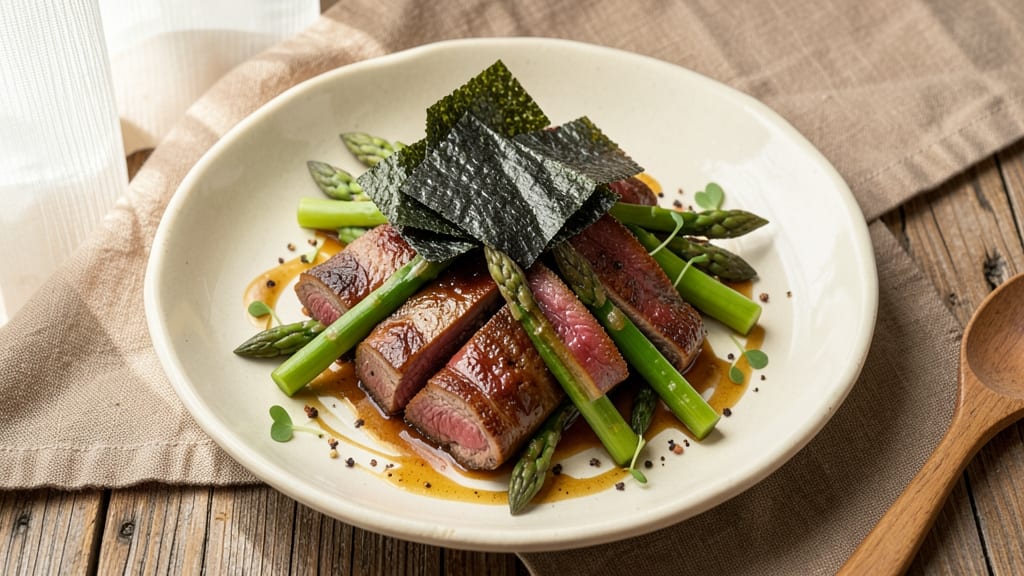
This beef and asparagus negimaki recipe delivers restaurant-quality Japanese skewers with crispy nori edges and tender beef—perfect for weeknight dinners or special occasions. The secret lies in marinating the beef just right and blanching the asparagus to maintain its vibrant green color.
I’ve adapted the traditional technique for home kitchens, ensuring you get that signature sweet-savory balance without requiring specialized tools.
The process starts with a simple yet flavorful marinade that tenderizes the beef while infusing it with umami. Asparagus spears are blanched briefly to soften them slightly, then rolled with nori sheets for that signature crispy texture.
The key to success is searing the skewers in a hot wok or skillet, creating a caramelized crust that locks in all the flavors. This method transforms a simple protein and vegetable into a dish that feels gourmet and impressive.
What makes these skewers truly special is the contrast of textures—tender beef, crisp asparagus, and perfectly seared nori. Serve them with a drizzle of ponzu or a light soy glaze for an extra layer of brightness.
The result is a dish that’s elegant enough for guests but simple enough to make on a busy weeknight. Each bite delivers a harmonious blend of sweet, savory, and slightly smoky notes, making it a standout addition to any meal.
Whether you're hosting a dinner party or just craving something different, these negimaki skewers are a game-changer. The recipe scales easily, so you can make a few for a light snack or double the batch for a full appetizer platter.
With just a few ingredients and straightforward steps, you’ll have a dish that’s sure to impress—without the fuss of traditional Japanese cooking techniques.
Ingredients for beef and asparagus negimaki
Restaurant-quality Japanese skewers start with just 14 ingredients—no shortcuts, all flavor.
| Ingredient | Amount | Notes |
|---|---|---|
| Ribeye Steak 🥩 | 1 ¼ lb | Thinly sliced against grain |
| Fresh Asparagus 🌱 | 1 lb | Thick spears, trimmed ends |
| Nori Sheets 🍣 | 4 whole | High-quality, 8-inch size |
| Soy Sauce 🍶 | ½ cup | Japanese-style preferred |
| Mirin 🍶 | ¼ cup | Sweet rice wine |
| Sake 🍶 | ¼ cup | Dry variety preferred |
| Sesame Oil 🫒 | 1 tbsp | Toasted sesame oil |
| White Sesame Seeds 🌰 | 1 tbsp | Toasted for garnish |
| Garlic Cloves 🧄 | 4 cloves | Minced for marinade |
| Ginger 🌿 | 1 tbsp | Fresh, grated |
| Neutral Oil 🫒 | 2 tbsp | Avocado or vegetable oil |
| Salt 🧂 | ½ tsp | Diamond Crystal preferred |
| Black Pepper 🌶️ | ¼ tsp | Freshly ground |
| Ponzu Sauce 🍋 | ¼ cup | For serving, optional |
The ribeye is non-negotiable for this dish—marbled fat ensures tenderness while keeping the texture firm enough to hold its shape on skewers. Look for cuts labeled 'negimaki-grade' at Whole Foods or specialty Asian markets; otherwise, ask your butcher to slice against the grain for even cooking. Fresh asparagus is essential—thick spears hold up better to rolling, and their vibrant green color indicates peak freshness. For nori sheets, RoKku brand is my go-to; avoid pre-cut or thin sheets, as they won’t crisp properly. Slice the beef into 1/4-inch strips and trim asparagus to 4-inch lengths before blanching.
No mirin? Substitute equal parts rice vinegar and sugar, though the sweetness won’t be identical. Sake can be swapped for dry white wine, but reduce to 2 tbsp to avoid overpowering the dish. For sesame oil, toasted variety adds depth—skip the untoasted if that’s all you have. The ponzu is optional but recommended; Kikkoman makes a reliable bottled version, or blend citrus, soy, and dashi for homemade. If you’re short on time, blanched asparagus can be prepped ahead and stored in ice water for up to 2 hours before rolling.
Marinated beef keeps 24 hours in the fridge, making this a perfect make-ahead dish. Nori sheets should be stored in a cool, dry place and used within 3 months of purchase. Once assembled, skewers can be refrigerated for 4 hours before cooking—no longer, as the nori loses crispness. For leftovers, store seared skewers separately from sauce in airtight containers for 2 days. Reheat gently in a skillet with a splash of water to restore moisture, then drizzle with fresh ponzu for serving.
Why You'll Love This Recipe
- No-Chop Required: I swear by this trick—just slice the ribeye thinly (a meat slicer helps, but a sharp knife works) and the asparagus into bite-sized pieces. No dicing, no mincing, no mess. The nori sheets do all the heavy lifting—just roll, seal, and bake.
- Umami Bomb: That combo of soy sauce, mirin, and ribeye? It’s like a flavor grenade. The mirin sweetens the edges while the soy keeps it rich, and the asparagus adds a fresh crunch that cuts through the richness. Honestly, I’ve made this for people who “don’t like fish,” and they still finish their plate.
- Weeknight to Date Night: Same recipe, totally different vibes. Throw it together for a lazy Tuesday dinner (it’s ready in 25 minutes) or dress it up with a drizzle of sesame oil and pickled ginger for a fancy-ish weeknight date. The nori gives it that instant “restaurant plate” look without the fuss.
- Leftovers That Don’t Suck: Most rolled recipes turn sad the next day, but not this one. The beef stays tender, the asparagus holds its bite, and the nori keeps everything from drying out. Reheat in a pan with a splash of mirin, and it’s just as good cold in salads or over rice. My secret weapon for “I don’t wanna cook” days.
Step-by-step instructions for beef and asparagus negimaki skewers
Master this Japanese technique for perfectly balanced sweet-savory skewers with caramelized beef and tender asparagus.
Marinate the Beef for Maximum Flavor
Slice the 1.25 lb ribeye steak thinly against the grain into ¼-inch thick strips. In a bowl, combine 0.5 cup soy sauce, 0.25 cup mirin, 0.25 cup sake, 4 cloves minced garlic, and 1 tbsp grated ginger. Whisk until fully dissolved, then add the beef strips and toss to coat completely. Let marinate for at least 30 minutes (up to 2 hours) at room temperature. This ensures deep flavor penetration and tender texture.
Here's the thing—I always marinate at room temperature rather than refrigerated. The beef absorbs the marinade more efficiently, and the acidity in the mirin and sake works faster to break down fibers. Don't skip this step, even if you're short on time. The flavor difference is noticeable.
Prepare the Asparagus and Wrap the Negimaki
Trim the ends from the 1 lb fresh asparagus, leaving 5-inch thick spears. Blanch them in boiling water for 2 minutes, then immediately plunge into ice water to stop cooking. This preserves their vibrant green color and crisp texture. Pat them dry thoroughly with paper towels.
Lay out each 8-inch nori sheet shiny-side down. Place 3-4 asparagus spears in a line about 2 inches from the bottom edge. Top with 2-3 beef strips, slightly overlapping. Drizzle lightly with 1 tbsp sesame oil—this helps the nori stick better. Fold the bottom edge up over the filling, then fold the sides in, and finally roll tightly from the bottom up like a sushi roll. Seal each negimaki with a dab of water if needed.
Wok-Sear for Perfect Caramelization
Heat a wok or large skillet over high heat until smoking hot. Add 2 tbsp neutral oil and swirl to coat. Working in batches (don't overcrowd), sear the negimaki for 2-3 minutes per side until they develop deep golden-brown caramelization and crispy edges. The high heat creates that signature wok-hei flavor while keeping the beef juicy.
Real talk: Don't walk away during this step. You want those skewers to develop a beautiful crust, but they'll burn if you're not paying attention. Turn them gently with tongs and watch for the edges to crisp—that's your signal they're ready. If the oil starts smoking excessively, reduce heat slightly but maintain high temperature.
Finish with Sesame and Ponzu
Transfer the seared negimaki to a serving platter. Immediately drizzle with 1 tbsp sesame oil and sprinkle evenly with 1 tbsp white sesame seeds. Toss gently to coat, then arrange on plates. Serve with 0.25 cup ponzu sauce on the side for dipping. The ponzu adds a bright citrus contrast that cuts through the richness of the beef and nori.
Each skewer should have perfectly caramelized beef with tender asparagus peeking through, wrapped in crispy nori. The sesame seeds add a nutty crunch that balances the dish. Serve immediately while the sear is still vibrant—these skewers are best enjoyed fresh from the wok.
Pro Tips For Making Beef And Asparagus Negimaki
- SEAR STEAK FIRST: Cook the ribeye slices in a screaming-hot pan for 30 seconds per side before assembling the rolls—this locks in flavor and prevents the beef from turning into shoe leather when the rolls hit the steamer. I learned this the hard way after serving dry, overcooked beef that had absorbed too much sauce.
- TRIM ASPARAGUS STRAIGHT: Use kitchen shears to snip the tough ends off asparagus at a 45-degree angle—this keeps the spears from rolling out of the nori while steaming and makes them look intentional. No need for perfect precision, but avoid jagged cuts that’ll unravel the roll.
- KEEP NORI MOIST: Brush the nori lightly with water or a splash of mirin before rolling—it prevents cracking and helps the edges stick together without turning brittle. Dry nori is a nightmare; this small step makes assembly smoother and the final roll look polished.
- SAUCE AFTER STEAMING: Toss the finished rolls in the soy-mirin sauce right after they come out of the steamer, not before—this keeps the nori from getting soggy and the beef from absorbing too much liquid prematurely. Warm sauce clings better and tastes fresher.
Common mistakes when making perfect results
Over-Marinating Beef
Leaving beef in marinade for more than 2 hours can turn it mushy, especially with acidic ingredients like mirin and sake. I’ve ruined perfectly good beef by letting it sit overnight—don’t make my mistake! The ideal window is 30 minutes to 2 hours at room temperature.
If you’re prepping ahead, marinate in the fridge for up to 12 hours, but bring it to room temp before cooking. 🌡️
Under-Blanching Asparagus
Skipping the ice bath after blanching asparagus for just 2 minutes results in limp, overcooked spears. The shock stops cooking instantly, preserving that vibrant green color and crisp bite. I’ve seen home cooks skip this step and end up with sad, mushy asparagus—don’t let that be you.
Pat them thoroughly dry before rolling, or your nori won’t stick properly.
Skipping the Oil Coat
Drizzling sesame oil on the filling before rolling is non-negotiable for crispy nori edges. Without it, your negimaki will unravel during searing. Use just 1 tbsp per sheet—too much makes the nori soggy.
I learned this the hard way when my first batch fell apart in the wok. Trust me, this tiny step makes all the difference. 🍣
Overcrowding the Wok
Searing negimaki in batches is crucial—overcrowding steams instead of sears, leading to soggy nori and uneven cooking. Work with 2-3 skewers at a time in a hot wok. If you’re short on time, use two separate pans.
I’ve seen home cooks rush this and end up with sad, greasy skewers. Patience here pays off with that perfect caramelized crust.
Using Low Heat
High heat is your friend for crispy nori and caramelized beef. If your wok isn’t smoking hot, you’ll end up with bland, rubbery skewers. I recommend heating until oil shimmers before adding the negimaki.
Keep heat at high throughout—this is where the magic happens. A thermometer reading of 400°F+ is ideal for that signature wok-hei flavor. ⚡
Skipping the Ponzu
While ponzu is optional, serving negimaki without it means missing the bright citrus contrast that balances the dish. The acidity cuts through the richness of the beef and nori. I like to serve it on the side so guests can dip—it’s that good.
For a shortcut, mix 2 tbsp soy sauce, 1 tbsp rice vinegar, and 1 tsp grated ginger for a quick homemade version.
Nutrition facts
Frequently asked questions
Can I use chicken instead of beef for negimaki?
Yes, but the texture will differ! Chicken breast works best if sliced ¼-inch thick and marinated for at least 1 hour (not overnight). For juicier results, use thigh meat instead. The cooking time will be slightly shorter—1-2 minutes per side—since chicken cooks faster than beef. The nori wrapping technique remains the same, but chicken negimaki pairs beautifully with a yuzu kosho glaze for extra zing.
Why does my nori keep unrolling during cooking?
This usually happens when the filling isn't properly sealed or the nori is too dry. First, ensure you're using 1 tbsp sesame oil on the filling before rolling—this acts as a glue. Second, roll tightly from the bottom up, sealing the edges with a dab of water if needed. If your nori feels brittle, lightly toast it in the oven for 10 seconds before using to restore flexibility. The key is patience—don't rush the wrapping!
How do I make negimaki without a wok?
No wok? No problem! Use a cast-iron skillet or even a grill pan for that same searing power. Heat it over medium-high heat until smoking hot, then add 2 tbsp neutral oil. Work with 2 skewers at a time to avoid crowding. For extra crispiness, finish under a broiler for 30 seconds per side—just watch closely to prevent burning. The high heat is what creates that signature caramelization!
What's the best way to serve these skewers?
Negimaki shine as an appetizer or light main course. For presentation, arrange them on a platter with white sesame seeds scattered around, and serve with ponzu sauce for dipping. Pair with steamed jasmine rice and miso soup for a complete meal. For a modern twist, serve on toasted buns with pickled vegetables—this transforms them into gourmet sliders! The key is keeping everything fresh and vibrant.
Can I make negimaki ahead of time?
You can prep components ahead, but not the finished skewers. Marinate the beef for up to 12 hours (fridge) and blanch asparagus in advance, storing in ice water for 2 hours max. Assemble the negimaki 1-2 hours before cooking—the nori stays fresh this long. For leftovers, store seared skewers separately from sauce for 2 days. Reheat gently in a skillet with 1 tsp sesame oil to restore crispness. Never reheat nori in the microwave!