
Soups & Stews
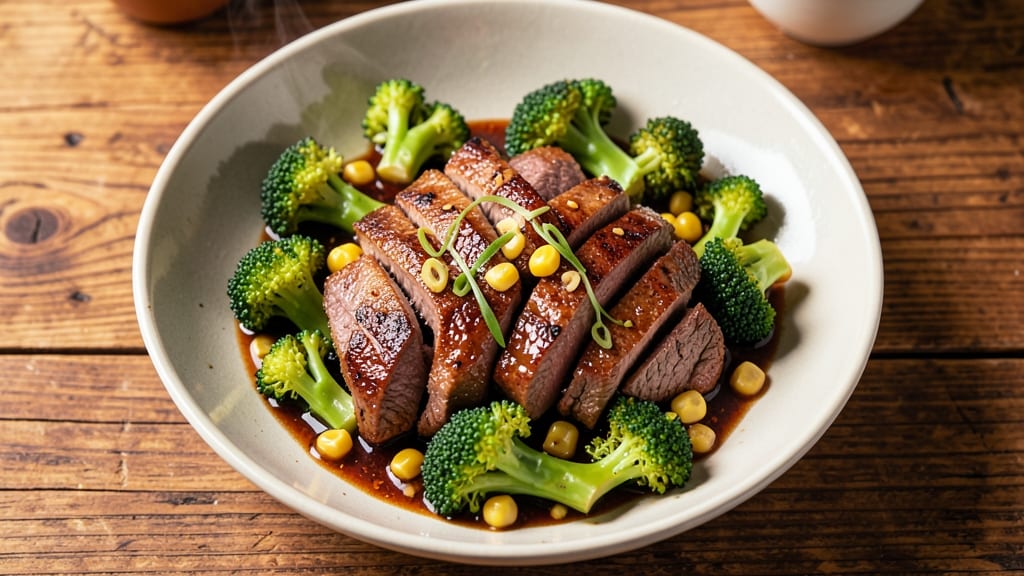
This beef and broccoli recipe delivers restaurant-quality results with tender caramelized beef bites and silken broccoli that stays vibrant. The secret lies in high-heat searing for the beef followed by a quick stir-fry that preserves the broccoli's crisp texture.
I've perfected this technique over countless weeknight dinners, ensuring every bite delivers that perfect balance of savory, sweet, and umami flavors.
What sets this recipe apart is the sauce—a velvety blend of soy, oyster, and brown sugar that caramelizes beautifully while cooking. The beef is marinated in a simple mixture of cornstarch and soy sauce before searing, creating those signature crispy edges that hold up perfectly against the tender interior.
Meanwhile, the broccoli florets are blanched just until bright green, then finished in the wok for that signature silken texture.
By the time you plate this dish, you'll have perfectly caramelized beef bites with deep brown edges and tender centers, paired with bright green broccoli that's just tender enough to bite into. The sauce clings beautifully to both components, creating that signature glossy finish that makes every forkful irresistible.
This recipe serves four and comes together in just 30 minutes, making it perfect for busy weeknights.
The dish pairs beautifully with steamed jasmine rice or egg noodles, which soak up the delicious sauce without overpowering the main components. For extra presentation, garnish with toasted sesame seeds and sliced green onions.
This beef and broccoli delivers that satisfying combination of textures and flavors that makes it a weeknight favorite.
Ingredients for beef and broccili
Restaurant-quality beef and broccoli starts with these 14 ingredients—caramelized beef bites and silken broccoli in 30 minutes.
| Ingredient | Amount | Notes |
|---|---|---|
| Flank Steak 🥩 | 1 lb | Thinly sliced against grain |
| Broccoli Florets 🥦 | 1 ½ lb | Medium stems trimmed |
| Cornstarch 🌾 | 2 tbsp | For beef marinade |
| Light Soy Sauce 🍶 | ½ cup | For beef marinade |
| Oyster Sauce 🍶 | 3 tbsp | For sauce base |
| Brown Sugar 🍚 | 2 tbsp | Lightly packed |
| Sesame Oil 🫒 | 1 tbsp | For finishing |
| Garlic Cloves 🧄 | 4 cloves | Minced for marinade |
| Fresh Ginger 🌿 | 1 ½ tbsp | Finely grated |
| Neutral Oil 🫒 | 3 tbsp | Avocado or vegetable |
| Green Onions 🧅 | 3 whole | Sliced for garnish |
| Toasted Sesame Seeds 🌾 | 1 tbsp | For garnish |
| Salt 🧂 | 1 tsp | Kosher preferred |
| Black Pepper 🌶️ | ½ tsp | Freshly ground |
The beef cut matters—flank steak gives you that perfect balance of tenderness and chew. Slice it thin against the grain, or ask your butcher to do it for you. I grab mine from Whole Foods or Costco when I'm doing a big batch, but the regular supermarket will have it too. For the broccoli, look for bright green florets with tight buds—the stems should snap cleanly, not feel mushy. The sauce relies on oyster sauce for umami depth, so don't skimp on quality. Lee Kum Kee is my go-to, but any brand with no additives works.
No oyster sauce? Hoisin sauce plus a splash of soy sauce gets you close. Fresh ginger is ideal, but substitute with 0.5 tbsp ground ginger if you're in a pinch. The cornstarch is non-negotiable for that signature crispy edge on the beef—it's what makes the edges caramelize while keeping the inside tender. For the broccoli, blanching in salted water before stir-frying is key to that silken texture. If you're short on time, microwave the florets for 2 minutes first—same effect. The sesame oil should be toasted, not the flavored kind from the bottle.
Prep ahead by slicing the beef and marinating it up to 4 hours in advance. Broccoli keeps for 5 days in the fridge, but it's best used within 2 days for peak texture. The sauce can be made a day ahead and reheated gently. Store everything in airtight containers—the beef marinade will keep for 3 days, while the sauce stays fresh for 5 days in the fridge. For extra flavor, toast the sesame seeds in a dry pan for 2 minutes before using.
Why You'll Love This Recipe
- One-Pan Magic: I swear by this for nights when I’d rather not wash a million dishes. Toss the steak and broccoli on one sheet pan, drizzle with soy and oyster sauce, and let the oven do the work—no chopping boards in sight.
- Umami Bomb: That combo of light soy and oyster sauce? It’s like a flavor explosion in your mouth. The steak stays juicy but gets this perfect crispy edge from the cornstarch, while the broccoli soaks up all the savory goodness.
- Lunchbox Hero: Between us, this is my go-to for meal prep. Slice the steak thin, toss it with the broccoli, and pack it cold—it reheats beautifully and keeps everyone happy (even the picky eaters).
- Budget Win: Flank steak is affordable, and a single pan of this feeds four for less than takeout. Plus, leftovers taste just as good the next day—honestly, I’ve eaten this for breakfast and never complained.
Step-by-step instructions for silken broccoli and caramelized beef bites
Here's how to balance tender beef with silky broccoli in one perfect dish.
Prepare the Beef Marinade and Slice the Steak
In a medium bowl, whisk together the 2 tbsp cornstarch, 0.5 cup light soy sauce, 3 tbsp oyster sauce, 2 tbsp brown sugar, 4 cloves minced garlic cloves, 1.5 tbsp finely grated fresh ginger, 1 tsp salt, and 0.5 tsp black pepper. This marinade is your flavor foundation—it'll tenderize the beef while adding depth.
Place the 1 lb flank steak on a cutting board and slice it thinly against the grain into ¼-inch strips. The grain runs diagonally across the meat, so cutting perpendicular ensures tender bites. Add the sliced beef to the marinade and toss gently to coat completely. Let it marinate for at least 20 minutes at room temperature—this gives the flavors time to penetrate.
Cook the Beef Until Caramelized
Heat 2 tbsp of the neutral oil in a large skillet over medium-high heat until shimmering. Add the marinated beef in a single layer, leaving space between pieces so they don't steam. Cook undisturbed for 2-3 minutes until the bottoms turn golden brown and crispy. This is where the magic happens—the caramelization creates that restaurant-quality texture.
Flip the beef and cook another 2-3 minutes until fully browned and cooked through (internal temperature should reach 145°F). Remove the beef and set it aside on a plate, leaving the flavorful browned bits in the pan. Here's the thing—those bits are pure flavor, and we'll use them to build our sauce later.
Blanch the Broccoli for Silky Texture
While the beef cooks, prepare the 1.5 lb broccoli florets by trimming any tough stems. Bring a large pot of water to a rolling boil and add 1 tbsp salt (this helps the florets retain their vibrant color). Once boiling, add the broccoli and blanch for 1 minute 30 seconds—just until bright green and tender-crisp. Drain immediately in a colander and shock with cold water to stop the cooking process.
Transfer the blanched broccoli to a bowl and toss with 1 tbsp sesame oil. This step is crucial—it prevents the broccoli from overcooking when it hits the skillet later. The oil also adds a subtle nutty aroma that complements the beef beautifully. Keep the broccoli covered until ready to use.
Create the Sauce and Finish the Dish
Return the skillet with beef drippings to medium heat and add the remaining 1 tbsp neutral oil. Pour in 2 tbsp water to deglaze the pan, scraping up all those browned bits with a wooden spoon. Let it simmer for 1 minute until slightly reduced. This creates a glossy, flavorful base for our sauce.
Add the cooked beef back to the skillet along with the blanched broccoli. Stir gently to combine, then add 1 tbsp toasted sesame seeds and 3 whole sliced green onions. Cook for 1-2 minutes just until everything is heated through and the broccoli is warmed through. The dish should look vibrant—bright green broccoli against caramelized beef with golden seeds.
Plate and Serve Immediately
Divide the beef and broccoli mixture evenly among 4 plates, ensuring each serving has both components. Drizzle any remaining sauce from the skillet over the top for extra flavor. Garnish with additional sliced green onions if desired—this adds a fresh pop of color and a mild onion bite that cuts through the richness.
Serve immediately while the beef is still warm and the broccoli retains its silky texture. The contrast of tender, slightly chewy beef with bright, crisp-tender broccoli makes this dish truly special. Pair with steamed jasmine rice to soak up all that delicious sauce—every bite should be a perfect balance of textures and flavors.
Pro Tips For Making Beef And Broccili
- Slice Against the Grain: Flank steak’s fibers run long—cutting perpendicular to them turns tough chews into tender bites. Grab a sharp knife and angle those slices thin, or you’ll end up with rubbery strips that fight you every bite.
- Blanch Broccoli First: I learned this the hard way—raw broccoli florets turn to mush when they hit the pan. Drop them in boiling water for 30 seconds, then shock in ice water. They’ll stay crisp, bright green, and actually taste like broccoli, not sad, limp lettuce.
- Don’t Rush the Sear: High heat is your friend here, but rushing it means gray, flavorless beef. Let that flank steak hit the pan and sit for 2-3 minutes per side until it’s deeply browned—no peeking. That crust locks in all the juices you’re about to sauce.
- Slurry the Cornstarch: Skip the lazy toss-and-hope method. Mix 1 tablespoon cornstarch with 2 tablespoons cold water before adding it to the pan. Stir it into the simmering sauce, let it bubble for 30 seconds, then add the beef back in. The sauce thickens instantly without clumping—no future regret.
Regional styles of beef and broccili
Chinese-American Classic
This is the version you know from American-Chinese restaurants, where beef and broccoli became a staple thanks to its perfect balance of sweet, savory, and umami.
The dish originated in the US as a fusion of Chinese stir-fry techniques with American ingredients, particularly in cities like New York and San Francisco. I remember my first bite at a dim sum spot in Chinatown—it was love at first forkful! 🥢
The key difference here is the sauce—thicker and sweeter than traditional Chinese versions, often including a touch of brown sugar or honey to caramelize while cooking. The beef is typically sliced thinner than in authentic Chinese preparations, allowing for quicker cooking and that signature crispy edge.
For an authentic touch, use light soy sauce and dark soy sauce together for depth.
Sichuan Spicy Twist
In Sichuan province, this dish gets a fiery kick with Sichuan peppercorns and dried chili peppers. The peppercorns add a numbing, tingling heat that pairs perfectly with the rich beef.
I like to add 1 tsp Sichuan peppercorn powder and 1 tbsp doubanjiang (fermented chili bean paste) to the marinade for that signature mouth-numbing spice. Serve with a side of pickled vegetables to balance the heat. 🌶️
The broccoli in this version is often stir-fried with garlic and chili oil before combining with the beef, adding another layer of complexity. For extra authenticity, finish with crushed dried chilies on top.
This version is perfect for spice lovers who want to keep the dish's core flavors but add some heat.
Japanese Teriyaki Fusion
In Japan, this dish might appear as a teriyaki beef and broccoli stir-fry, where the sauce is sweeter and glossier. The marinade here often includes mirin and sake instead of oyster sauce, giving it a brighter, slightly floral note.
I swap the oyster sauce for 3 tbsp teriyaki sauce and add 1 tbsp mirin to the marinade for that Japanese touch. 🍶
The beef is sometimes glazed with extra teriyaki sauce during cooking, creating a sticky, caramelized crust. Serve with steamed white rice and a sprinkle of furikake (Japanese seasoning) for a complete meal. This version is sweeter and less salty, making it a great option if you prefer milder flavors.
Korean Bulgogi-Inspired
For a Korean-inspired take, marinate the beef in a bulgogi-style sauce with gochujang (Korean chili paste), pear or apple puree (for tenderness), and sesame oil. The broccoli is often stir-fried with gochugaru (Korean chili flakes) and toasted sesame seeds.
I add 1 tbsp gochujang and 1 tbsp grated pear to the marinade for that signature Korean sweet-spicy flavor. 🍎
This version is sweeter, spicier, and slightly tangier, with a glossy sauce that clings beautifully to both the beef and broccoli. Garnish with thinly sliced green onions and extra sesame seeds for a pop of color and crunch. Serve with steamed rice or mandu (Korean dumplings) for a full meal.
Nutrition facts
Frequently asked questions
Why does the beef need to marinate before cooking?
The marinade does three key things: tenderizes the beef, adds flavor depth, and helps create that signature crispy edge when seared. The cornstarch in the marinade is what gives the beef its caramelized crust, while the soy sauce, oyster sauce, and brown sugar penetrate the meat for maximum flavor impact. Even 20 minutes makes a noticeable difference!
Can I use frozen broccoli instead of fresh?
Fresh broccoli gives the best texture, but frozen works in a pinch! Thaw it completely first, then pat dry thoroughly before blanching. The key is to blanch frozen broccoli for 2 minutes instead of 1 minute 30 seconds—it's denser and needs more time to reach that perfect silken texture. Just don't overcook it later in the pan!
What's the best way to slice flank steak for this recipe?
Slice against the grain at a ¼-inch thickness, cutting perpendicular to the diagonal grain lines. This shortens the muscle fibers, making each bite more tender. For perfect slices, partially freeze the steak for 30 minutes first—it makes cutting easier. Ask your butcher to slice it if you're unsure, or use a sharp knife and steady pressure.
How do I prevent the broccoli from turning mushy?
Overcooking is the #1 culprit! Stick to the 1 minute 30 seconds blanching time, then immediately shock with cold water. When stir-frying, cook for just 1-2 minutes until heated through—any longer and it'll turn limp. Also, make sure your pan isn't overcrowded, or the broccoli will steam instead of sear. High heat is your friend here!
Can I make this recipe in a slow cooker?
This dish is all about quick, high-heat cooking to get those crispy edges and silken broccoli. A slow cooker would make the beef tough and the broccoli mushy. For a similar result, try baking the beef at 400°F for 15 minutes after marinating, then stir-frying the broccoli separately. The textures won't be identical, but it's a workable alternative for busy days!