
Soups & Stews
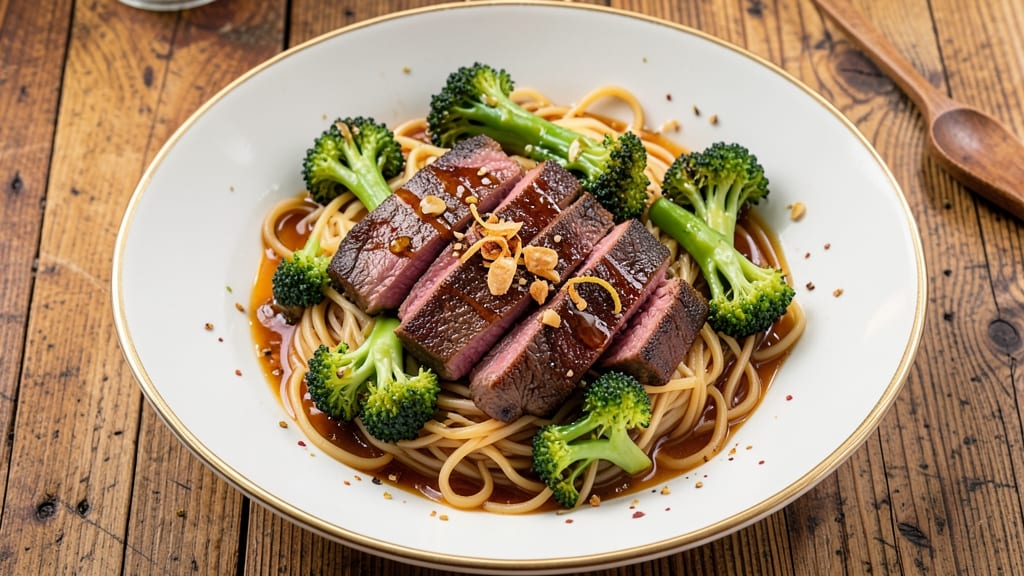
This beef and broccoli over noodles recipe delivers the perfect balance of wok-tossed umami crunch and silky sauce in every bite. The secret lies in high-heat searing of the beef followed by a quick stir-fry that keeps the broccoli vibrant and crisp-tender.
I developed this version after realizing traditional beef and broccoli needed that extra texture contrast from fresh noodles underneath—it transforms a classic dish into something restaurant-worthy.
The process is straightforward but packed with flavor: tender slices of beef marinated in soy and ginger, broccoli cut into thick florets to maintain crunch, and wide rice noodles that soak up the rich sauce.
What sets this apart is the sauce—a velvety blend of oyster sauce, brown sugar, and a touch of cornstarch that thickens beautifully without losing its glossy sheen. The key is cooking everything in stages to preserve textures while building layers of flavor.
By the time you plate it, you'll have perfectly seared beef strips with caramelized edges, bright green broccoli that stays crisp, and noodles coated in that glossy sauce. The combination of textures—crunchy broccoli, tender beef, and silky noodles—makes each bite satisfying.
This dish comes together in under 30 minutes and serves four, making it ideal for weeknight dinners or meal prep.
For extra depth, I recommend finishing with toasted sesame seeds and sliced green onions. Serve with a side of steamed bok choy or a simple cucumber salad to balance the richness. The leftovers reheat beautifully, maintaining that perfect texture contrast. Let's get cooking!
Ingredients for beef and broccoli over noodles
Pantry staples meet wok-tossed perfection—this beef and broccoli delivers restaurant-style texture contrast in every bite.
| Ingredient | Amount | Notes |
|---|---|---|
| Flank Steak 🥩 | 1 lb | Thinly sliced against grain |
| Fresh Broccoli 🥦 | 1 lb | Cut into thick florets |
| Wide Rice Noodles 🍜 | 8 oz | Uncooked, soaked in warm water |
| Low-Sodium Soy Sauce 🍶 | ⅓ cup | For marinade and sauce |
| Oyster Sauce 🍲 | ¼ cup | High-quality, not powdered |
| Brown Sugar 🍯 | 2 tbsp | Light or dark variety |
| Cornstarch 🌾 | 1 tbsp | For sauce thickening |
| Fresh Ginger 🧄 | 1 tbsp | Finely grated, peeled |
| Garlic Cloves 🧄 | 4 cloves | Minced, fresh preferred |
| Sesame Oil 🫒 | 1 tbsp | Toasted, for aroma |
| Vegetable Oil 🫒 | 2 tbsp | High smoke point |
| Toasted Sesame Seeds 🌰 | 1 tbsp | For garnish |
| Green Onions 🧅 | 3 whole | Sliced, white and green parts |
| Red Pepper Flakes 🌶️ | ½ tsp | Optional, for heat |
| Salt 🧂 | 1 tsp | Kosher or sea salt |
The flank steak is non-negotiable for this dish—it stays tender when sliced thin against the grain. Grab the thickest cut you can find at Whole Foods or your local butcher shop for the best marbling. If you're prepping ahead, slice it and marinate for up to 4 hours—the soy and ginger work their magic. For broccoli, look for heads with tight florets and vibrant green stems; Trader Joe's usually has great organic options. The wide rice noodles? Avoid the pre-cooked kind—they're mushy. Soak them in warm water until pliable, about 10-15 minutes.
No oyster sauce? Hoisin sauce or a mix of soy sauce and a splash of fish sauce works in a pinch, though the umami depth won't be identical. The brown sugar adds just enough caramelization to balance the savory notes—light brown sugar dissolves more smoothly than dark. For extra depth, toast the sesame seeds in a dry pan until fragrant (about 2 minutes) before adding them to the dish. The green onions add freshness, so don't skip them—even the white parts contribute to the flavor. If you're sensitive to heat, omit the red pepper flakes entirely; the dish still packs serious flavor without them.
This dish reheats beautifully—just toss with a splash of water and stir-fry again over high heat. Keeps for 3-4 days in the fridge, though the noodles get softer with time. For meal prep, store components separately: sauce, beef, broccoli, and noodles. Reassemble and wok-toss just before serving to maintain that crisp-tender texture. The sauce thickens as it cools, so you might need to thin it slightly with water when reheating. Portion into containers with the sauce on top to keep everything cohesive.
Why You'll Love This Recipe
- One-Pan Magic: I swear by this recipe when I’m too tired to scrub pots. Just sear the flank steak in the same pan where you’ll toss the broccoli and noodles—no extra dishes, no stress. The soy and oyster sauce cling to everything, turning that one pan into a flavor factory.
- Umami Bomb: That combo of low-sodium soy and oyster sauce? It’s the secret weapon. The broccoli stays crisp, the beef gets tender with a glossy sheen, and the rice noodles soak up all the savory goodness—like a hug for your taste buds.
- Lunchbox Hero: Between us, this is my go-to for meal prep. Double the batch, let it cool, and pack it in containers for the week. The noodles hold up surprisingly well, and the beef stays juicy—no sad, dry leftovers here.
- Budget Flex: Flank steak stretches further than you’d think, especially when sliced thin. Fresh broccoli’s cheap in season, and rice noodles cost pennies compared to fancier pasta. It’s restaurant-quality without the restaurant price tag.
Step-by-step instructions for beef and broccoli over noodles
Here's how to create a restaurant-quality wok-tossed dish with tender beef, crisp broccoli, and a velvety sauce.
Prepare the Marinade and Slice the Flank Steak
In a small bowl, whisk together the 0.33 cup low-sodium soy sauce, 0.25 cup oyster sauce, 2 tablespoons brown sugar, 1 tablespoon sesame oil, 1 tablespoon finely grated fresh ginger, 4 minced garlic cloves, and 1 teaspoon salt. This marinade will tenderize the beef and infuse it with deep umami flavor.
Place the 1 pound flank steak in a resealable plastic bag and pour the marinade over it. Seal the bag and massage the marinade into the steak, coating it evenly. Refrigerate for at least 30 minutes (or up to 4 hours for maximum flavor). While it marinates, slice the steak thinly against the grain into ¼-inch thick strips. This ensures each bite will be tender and easy to chew.
Soak and Prepare the Wide Rice Noodles
Fill a large bowl with warm water and add the 8 ounces wide rice noodles. Let them soak for 15-20 minutes until they're pliable but still slightly firm to the touch. Drain the noodles and rinse them under cold water to stop the cooking process. Toss them gently with 1 tablespoon toasted sesame oil to prevent sticking and add a nutty aroma.
Set the noodles aside while you prepare the remaining ingredients. The key here is to work efficiently—everything should be ready to cook simultaneously. If the noodles begin to dry out while you're cooking, simply toss them with a splash of warm water to restore their moisture.
Cook the Broccoli and Build the Sauce
Heat a large wok or skillet over high heat until it's smoking hot. Add 2 tablespoons vegetable oil and swirl to coat the bottom evenly. Add the 1 pound fresh broccoli florets and stir-fry for 3-4 minutes until they're bright green and just beginning to blister at the edges. Remove the broccoli and set it aside.
In the same wok, add the 1 tablespoon cornstarch and stir for 30 seconds to toast it lightly. Pour in ½ cup water and stir vigorously until the mixture thickens into a glossy paste. Add the 0.33 cup low-sodium soy sauce, 0.25 cup oyster sauce, and 2 tablespoons brown sugar, stirring constantly until fully combined. This sauce will coat the beef and noodles beautifully, creating that signature silky texture.
Stir-Fry the Beef and Combine Everything
Return the wok to high heat and add the marinated beef strips in a single layer. Let them sear undisturbed for 1-2 minutes until they develop a deep golden crust. Stir-fry for another 2-3 minutes until the beef is cooked through but still tender. Add the cooked broccoli back to the wok and toss everything together for 1 minute to blend the flavors.
Push the beef and broccoli to one side of the wok and add the prepared noodles to the empty space. Pour the sauce over the noodles and toss vigorously with tongs for 1-2 minutes until the noodles are evenly coated and heated through. The high heat ensures the noodles absorb the sauce without becoming mushy, while the beef and broccoli retain their texture.
Garnish and Serve Immediately
Transfer the beef and broccoli mixture to serving plates and top each portion with the wide rice noodles. Garnish with 1 tablespoon toasted sesame seeds and 3 sliced green onions, dividing them evenly among the servings. Sprinkle with 0.5 teaspoon red pepper flakes for a subtle kick if desired.
Serve immediately while everything is hot and the sauce is still glossy. The contrast of tender beef, crisp broccoli, and silky noodles creates a perfect balance of textures and flavors. Each bite delivers a harmonious blend of savory, slightly sweet, and umami-rich elements that make this dish irresistibly satisfying.
Pro Tips For Making Beef And Broccoli Over Noodles
- STEAM BROCCOLI FIRST: I used to toss it in raw and wonder why it stayed crunchy like a sad salad. Steam the florets for 2-3 minutes until just tender—bright green and still holding shape—then shock in ice water. This keeps them vibrant and prevents them from turning into mush when they hit the hot wok later.
- SLICE AGAINST THE GRAIN: Flank steak’s fibers run long, so cutting perpendicular to them makes each bite tender. For ½-inch slices, angle your knife at 45 degrees and slice against the grain—yes, it takes longer, but you’ll actually chew this dish instead of fighting it.
- SAUCE IN STAGES: Dump all the sauce at once and you’ll end up with a gloppy mess. Start with 1 tablespoon of oyster sauce and ½ tablespoon of soy, toss the beef, then add the rest after the noodles hit the pan. This keeps the sauce from turning into a thin, flavorless pool.
- DON’T BOIL THE NOODLES: Wide rice noodles cook in seconds—1-2 minutes in hot (not boiling) water, then drain and rinse with cold water to stop cooking. Overcooking turns them gummy, and undercooking makes them chewy. Test one: if it’s tender but still has a tiny bite, you’re golden.
Dietary considerations for beef and broccoli over noodles
Gluten-Free Swaps
For gluten-free diners, swap the wide rice noodles for shirataki noodles (made from konjac) or gluten-free tamari noodles like those from Taste of Home. Both options absorb sauce beautifully while keeping the dish gluten-free.
I've tested Lotus Foods shirataki noodles—they're neutral in flavor and hold up well to stir-frying. Just rinse them thoroughly before cooking to remove any funky odors. 🌱
Low-Carb Adaptations
Skip the noodles entirely and serve the beef and broccoli over a bed of cauliflower rice or zucchini noodles for a low-carb twist. I like to sauté 2 cups riced cauliflower in 1 tbsp sesame oil for 3-4 minutes until tender.
The texture contrasts nicely with the crisp broccoli and tender beef while cutting carbs dramatically. For extra flavor, toss the cauliflower rice with 1 tsp soy sauce before mixing.
Dairy-Free Considerations
This dish is naturally dairy-free, but always double-check your oyster sauce label—some brands contain hidden dairy. I recommend Lee Kum Kee brand, which is consistently dairy-free. For extra richness, stir 1 tbsp coconut aminos into the sauce—it adds depth without dairy.
The sesame oil and soy sauce provide plenty of umami, so no dairy substitutes are needed. 🥛
Allergen-Friendly Tips
For nut allergies, omit the sesame oil and seeds entirely. Replace with avocado oil (neutral flavor) and garnish with cilantro instead. For soy allergies, substitute coconut aminos for soy sauce and use fish sauce (if tolerated) for umami depth.
I've found Red Boat Fish Sauce works beautifully in a 1:1 ratio replacement. Always check labels on all sauces and oils for cross-contamination warnings.
Protein Alternatives
Swap the beef for shiitake mushrooms (sliced thin) or extra-firm tofu (pressed and cubed) for a vegetarian version. For mushrooms, marinate them in the same sauce for 20 minutes before stir-frying.
For tofu, press for 30 minutes and pan-fry until crispy before adding to the wok. Both alternatives soak up the sauce wonderfully while providing satisfying texture. 🍄
Nutrition facts
Frequently asked questions
Why do you slice the beef against the grain?
Slicing flank steak against the grain cuts through the muscle fibers, creating tender strips that cook quickly and stay juicy. The grain runs diagonally across the cut—look for the direction of the muscle fibers when you buy the steak. This technique ensures each bite has that melt-in-your-mouth texture instead of chewy strands.
Can I use pre-cooked noodles instead of soaking fresh ones?
Pre-cooked noodles will work, but they'll be softer and absorb too much sauce, making the dish mushy. For best results, always use uncooked wide rice noodles and soak them just until pliable (15-20 minutes). If you're short on time, try rice vermicelli—they're faster to cook and hold up better to stir-frying.
How do I prevent the broccoli from turning mushy?
High heat and quick cooking are key! Stir-fry the broccoli for only 3-4 minutes until bright green with just a few blistered edges. Overcooking releases moisture that turns it soggy. Also, cut florets thick enough (about 1-inch) so they cook evenly. Remove them from the wok immediately after cooking and set aside before adding back to the beef.
What's the best way to reheat leftovers?
Reheat in a wok or skillet over medium-high heat with a splash of water to restore moisture. Toss for 2-3 minutes until everything is hot through. The sauce will thicken slightly when cold, so add 1 teaspoon water per serving if it seems too stiff. For extra crispness, add fresh broccoli and quickly stir-fry with the reheated dish.
Can I make this dish without a wok?
Use a large skillet or even a cast-iron pan. The key is maintaining high heat and working in batches if needed. For even cooking, don't overcrowd the pan—cook the beef in one layer first, then add broccoli and noodles separately. A nonstick pan works well too, just add a little more oil to prevent sticking.