
Soups & Stews
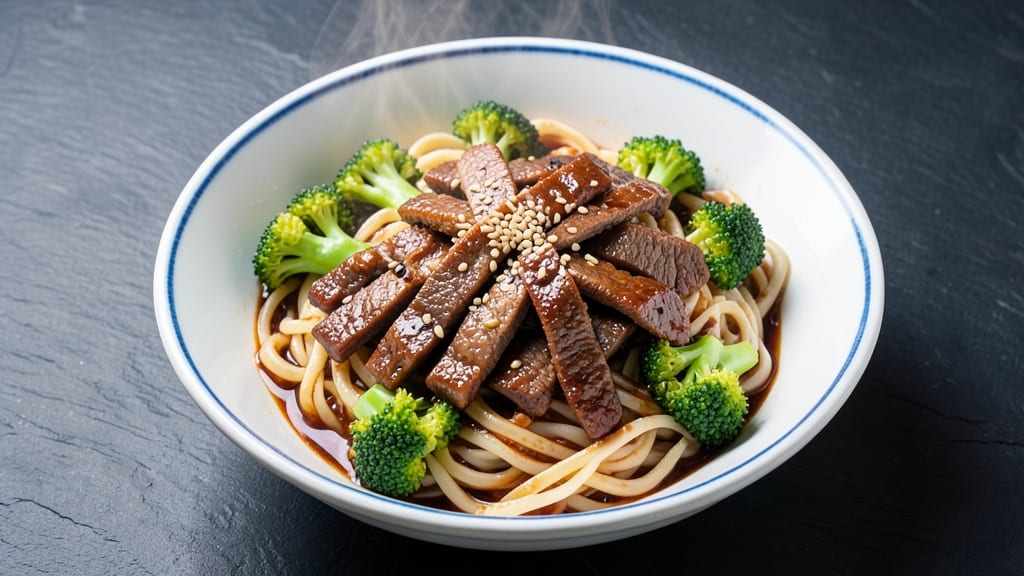
This beef and broccoli ramen stir fry delivers restaurant-quality umami crunch with silky noodles in under 30 minutes. The secret lies in high-heat wok tossing that creates crisp-tender beef and vibrant broccoli while keeping the noodles perfectly al dente.
I developed this recipe after years of perfecting stir-fry techniques, and it's now my go-to weeknight dinner that tastes like a night out.
The magic happens in the sauce—a balanced blend of soy sauce, oyster sauce, and a touch of sesame oil that coats every ingredient without overpowering.
We'll use dry ramen noodles for their chewy texture and quick cooking time, paired with thinly sliced flank steak that develops a caramelized crust while staying tender inside. The broccoli gets just enough char to add texture without sacrificing crispness.
What you'll end up with is a perfectly balanced bowl where each component shines: tender beef with crisp edges, vibrant green broccoli florets, and silky noodles all coated in that rich, savory sauce.
The dish maintains its integrity even when reheated, making it ideal for meal prep. The aroma alone will have everyone gathering at the table.
This recipe serves 4 hungry people and comes together using simple pantry staples you likely already have. We'll guide you through precise timing and stir-frying techniques to ensure that wok-tossed perfection every time. Let's get started on creating this satisfying, umami-packed meal.
Ingredients for beef and broccoli ramen stir fry
Pantry staples meet restaurant-quality stir-fry magic in this beef and broccoli ramen bowl.
| Ingredient | Amount | Notes |
|---|---|---|
| Flank Steak 🥩 | 1 lb | Thinly sliced against grain |
| Dry Ramen Noodles 🍜 | 2 packages | Discard seasoning packets |
| Broccoli Florets 🥦 | 4 cups | Cut into bite-sized pieces |
| Soy Sauce 🍶 | ⅓ cup | Low-sodium preferred |
| Oyster Sauce 🍶 | 2 tbsp | Kikkoman brand recommended |
| Sesame Oil 🫒 | 1 tbsp | Toasted sesame oil only |
| Garlic Cloves 🧄 | 4 cloves | Minced finely |
| Ginger Root 🌿 | 1 tbsp | Freshly grated |
| Vegetable Oil 🫒 | 2 tbsp | High smoke point |
| Green Onions 🧅 | 3 whole | Sliced thinly |
| Sesame Seeds 🌾 | 1 tbsp | Toasted lightly |
| Salt 🧂 | ½ tsp | Kosher or sea salt |
| Black Pepper 🌶️ | ¼ tsp | Freshly ground |
| Cornstarch 🌾 | 1 tbsp | For beef coating |
The flank steak is your secret weapon—look for cuts with good marbling at Costco or your local butcher (they'll slice it thin for you). If you're slicing yourself, freeze it 30 minutes first for cleaner cuts. Broccoli? Fresh is best, but frozen florets work in a pinch—just thaw and pat dry. The ramen noodles should be the dry variety (not instant), and I always grab the extra-firm kind for that chewy texture. For the sauce, Kikkoman oyster sauce is my go-to, but any quality brand will do.
No flank steak? Flank or sirloin steak works just as well—just slice against the grain. Short on sesame oil? Toasted sesame seeds work too (just grind them lightly). The cornstarch coating on the beef is non-negotiable—it creates that perfect crisp-tender texture. Fresh ginger and garlic? Fresh is ideal, but if you're in a bind, use double the powdered amounts. The green onions add freshness, but if you're out, cilantro or chives will do in a pinch. And trust me, the sesame seeds at the end? Worth the extra minute to toast them lightly in a dry pan.
This dish reheats beautifully—just add a splash of water or broth to loosen it up. Keeps for 3-4 days in the fridge, or freeze portions for up to 2 months. I always make double batches because it's that good. Store the sauce separately if you're prepping ahead—just toss it all together when ready to eat. The noodles will soften if stored too long, so reheat them separately and combine with the rest when serving.
Why You'll Love This Recipe
- One-Pan Magic: I swear by this recipe when I’m too tired to wash dishes. The flank steak slices and broccoli florets all go in one pan—no chopping boards, no mess—just a quick sear, a splash of soy and oyster sauce, and boom. The ramen noodles cook right in the residual heat while everything else finishes. It’s the kind of meal that feels like a hug for my lazy days.
- Umami Bomb: That combo of soy and oyster sauce? Chef’s kiss. The oyster sauce adds this deep, savory richness that makes the beef taste like it’s been slow-cooked, even though it’s stir-fried in 15 minutes. And the broccoli? It gets that perfect crisp-tender bite—bright and fresh against the salty-sweet sauce. Honestly, I’ve made this for people who “don’t like beef and broccoli,” and they still ask for seconds.
- Lunchbox Hero: Between us, this is my go-to for meal prep. I’ll cook a big batch on Sunday, portion the noodles and beef separately, and toss them together with a little extra sauce when I’m ready to eat. The broccoli stays crisp if you blanch it first and store it dry—just reheat everything in a pan or microwave, and it’s like you’re eating fresh. My kids grab it for school lunches, and my husband takes it to work. It’s that reliable.
- Budget Power Move: Flank steak is affordable, ramen noodles are a pantry staple, and a head of broccoli stretches forever. I can feed four people for under $15 with this recipe, and it’s still way more satisfying than takeout. Plus, the leftovers? They’re even better the next day—all that sauce soaks into the noodles, making every bite richer. It’s my secret weapon for stretching groceries without sacrificing flavor.
Step-by-step instructions for beef and broccoli ramen stir fry
Here's how to transform simple ingredients into a restaurant-quality stir fry with perfect texture and bold flavors.
Prep the Beef for Maximum Tenderness
Slice the 1 lb flank steak thinly against the grain into ¼-inch thick strips. This is crucial—thin slices cook faster and stay tender. Place the sliced beef in a bowl and add 1 tablespoon cornstarch, 0.5 teaspoon salt, and 0.25 teaspoon black pepper. Toss gently to coat evenly, but don't overmix or the beef will toughen. Let it sit for 10 minutes while you prep the rest.
Here's the thing—this cornstarch coating creates a silky texture when seared, preventing the beef from drying out during the quick stir-fry. If you skip this step, you'll end up with chewy beef instead of tender, bite-sized pieces that melt in your mouth.
Cook the Beef Until Caramelized
Heat 2 tablespoons vegetable oil in a large wok or skillet over high heat until shimmering. Add the beef in a single layer and let it sear undisturbed for 1-2 minutes until the edges turn deep golden brown. This is where the magic happens—the beef develops that beautiful caramelized crust while staying juicy inside.
Don't walk away. Beef burns fast at high heat. Once the first side is browned, use tongs to stir and cook for another 1-2 minutes until the beef is 80% cooked. Remove it from the wok and set aside—it'll finish cooking when everything comes back together. If your wok isn't large enough, work in batches but keep the beef warm between cookings.
Stir-Fry the Broccoli and Aromatics
In the same wok, add 4 cups broccoli florets and stir-fry for 2-3 minutes until they turn bright green and just begin to soften. You want them to stay crisp-tender, not mushy. Add the 4 cloves minced garlic and 1 tablespoon freshly grated ginger root, cooking for 30 seconds until fragrant—this releases their oils and deepens the flavor.
Here's where it gets fun—toss in the 3 whole green onions, sliced thinly. They'll cook in just 30 seconds, adding a fresh finish to the dish. If your broccoli starts to steam instead of sizzle, your heat isn't high enough. Crank it up—this stir fry needs that wok-hei (breath of the wok) for authentic flavor.
Combine Everything with Sauce
Return the beef to the wok and add 0.33 cup soy sauce, 2 tablespoons oyster sauce, and 1 tablespoon sesame oil. Stir everything together for 1-2 minutes until the beef is fully cooked and the sauce coats everything evenly. The beef should reach an internal temperature of 145°F—it'll finish cooking from residual heat.
I know it seems like too much sauce, but trust me. The noodles will absorb the excess, creating a perfect balance of silky and saucy. If you're worried about the texture, add the noodles now and toss everything together—this is the moment that matters. The high heat will cook the noodles perfectly while keeping the beef tender.
Finish with Noodles and Garnish
Cook the 2 packages dry ramen noodles according to package instructions (usually 3-4 minutes in boiling water), then drain and rinse briefly under cold water to stop the cooking. Add the noodles to the wok and toss everything together for 1-2 minutes until well combined and heated through.
Garnish with 1 tablespoon toasted sesame seeds and serve immediately while the noodles are still warm and silky. The dish should have a perfect balance of tender beef, crisp broccoli, and silky noodles all coated in that umami-packed sauce. Don't skip the sesame seeds—they add that final textural crunch that makes this dish truly special.
Pro Tips For Making Beef And Broccoli Ramen Stir Fry
- Slice Steak Thin: I learned this the hard way—thin, even slices (about ¼-inch thick) cook faster and stay tender. If you’re using a frozen steak, thaw it first or you’ll end up with chewy, overcooked strips.
- Blanch Broccoli First: Skip the soggy florets by blanching broccoli in boiling water for 30 seconds, then shock in ice water. This keeps it bright green and crisp-tender when stir-frying, so it doesn’t turn into mush from sitting in the sauce.
- Salt the Noodles: Dry ramen noodles are packed with sodium, but the flavor still needs a boost. Rinse them briefly, then toss with ½ teaspoon salt before cooking—it balances the umami from soy and oyster sauce without overpowering.
- Deglaze with a Splash: After searing the beef, don’t just pour in the sauces—add 2 tablespoons of water or broth first. The sizzling liquid lifts up all those browned bits (the fond), which pack deep flavor into the stir-fry. (Yes, even if you’re impatient like me.)
Troubleshooting this recipe
Beef Overcooked
If your beef ends up tough or rubbery, it likely wasn't sliced thin enough or cooked at the wrong temperature. Always slice ¼-inch thick strips against the grain—this shortens muscle fibers for tenderness.
For extra insurance, sear the beef over high heat for just 1-2 minutes total (it'll finish cooking when combined with everything else). I've found that using a meat thermometer helps—remove beef at 135°F internal temp, then it'll reach 145°F when reheated.
Broccoli Too Soft
Broccoli that turns mushy means it cooked too long. Stir-fry for exactly 2-3 minutes over high heat—it should stay bright green with just a slight softening. If your wok isn't hot enough, the broccoli will steam instead of char.
I keep a small bowl of ice water nearby to immediately plunge overcooked broccoli if needed, but prevention is better. Also, cut florets into even-sized pieces so they cook uniformly.
Sauce Too Thin
The sauce may seem thin when added, but it thickens dramatically when combined with noodles and beef. If it's still too runny, reduce it first by simmering ¼ cup of the sauce mixture in a small pan for 2-3 minutes until slightly thickened, then mix back in.
Another trick: add ½ teaspoon cornstarch mixed with 1 teaspoon water to the wok during the final toss—it'll create a glossy, clinging sauce without altering flavors.
Noodles Mushy
Overcooked noodles happen when you don't rinse them after boiling or leave them sitting in the wok too long. Always drain noodles and immediately rinse under cold water for 10 seconds to stop cooking.
When tossing with other ingredients, work quickly—just 1-2 minutes over medium heat is all they need to absorb flavor. For extra insurance, cook noodles 1 minute less than package instructions suggest, then finish in the wok.
Uneven Cooking
If some ingredients finish before others, your heat distribution is off. Use a wok with a flat bottom on your stovetop (or a heavy skillet) to ensure even heat. Work in small batches if needed—cook half the beef first, remove, then cook the rest while keeping the first batch warm.
I also recommend using tongs and a spatula to constantly stir and rearrange ingredients for even cooking. A wok with high sides helps contain heat better than a shallow pan.
Lacking Flavor
Flat flavors usually mean the aromatics didn't cook long enough or the sauce needs depth. Always cook garlic and ginger for 30 seconds after adding broccoli to release their oils. For extra umami, add 1 teaspoon fish sauce or ½ teaspoon MSG to the sauce.
I also like finishing with a squeeze of lime juice (just ½ teaspoon) to brighten all the rich flavors—it cuts through the heaviness beautifully.
Nutrition facts
Frequently asked questions
Can I use regular ramen noodles instead of dry?
No, this recipe specifically calls for dry ramen noodles (like Maruchan or Nissin) because they hold up better to stir-frying. Instant noodles with seasoning packets are too soft and will turn mushy. If you only have instant, cook them 1 minute less than package instructions and finish in the wok for 30 seconds to firm them up.
What if I don't have a wok?
A heavy-bottomed skillet or cast-iron pan works perfectly—just make sure it's large enough to fit all ingredients without crowding. The key is high heat and constant stirring to mimic wok-hei (breath of the wok). If your pan isn't wide enough, cook the beef in batches and keep it warm while finishing the rest.
Can I make this gluten-free?
Yes! Swap the soy sauce for tamari or coconut aminos (use ⅓ cup total) and check your oyster sauce label—some brands are gluten-free. For extra flavor, add 1 teaspoon gluten-free fish sauce or ½ teaspoon gluten-free Worcestershire sauce to the sauce mixture. The cornstarch coating on beef is naturally gluten-free.
How do I prevent the beef from drying out?
The cornstarch coating is your secret weapon—it creates a silky crust that locks in moisture. Slice beef ¼-inch thick against the grain and sear over high heat for just 1-2 minutes total. Remove beef when it reaches 135°F internal temp (it'll finish cooking when combined with everything else). Never overcrowd the pan—cook in batches if needed.
Can I prep this ahead of time?
Prep all ingredients except the noodles and store separately in airtight containers for up to 2 days. For the sauce, mix all components except sesame oil (add it fresh before serving). When ready to cook, assemble everything except noodles, then finish with freshly cooked noodles and sesame seeds. The flavors actually improve overnight!