
Soups & Stews
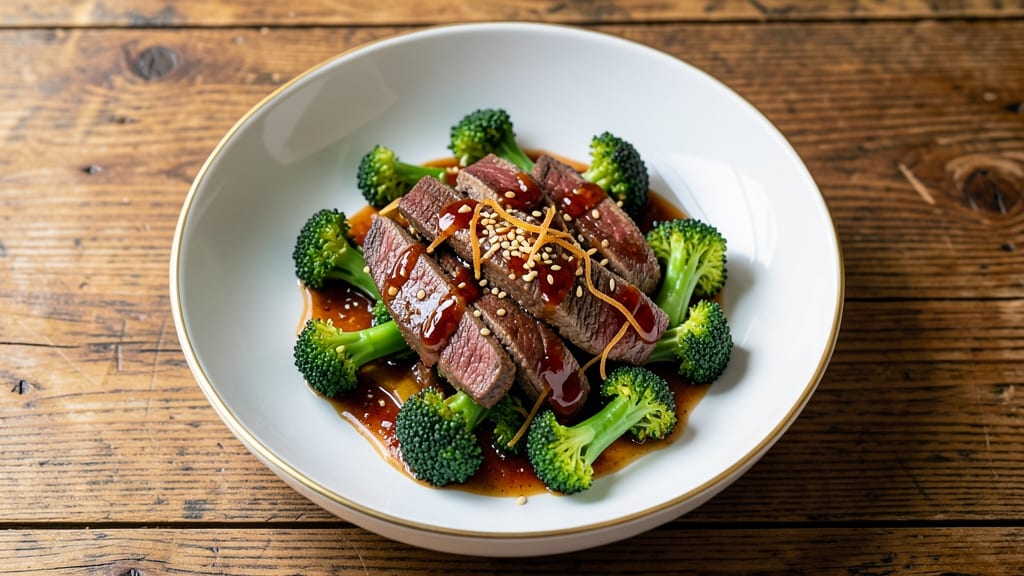
This beef and broccoli recipe made with lau delivers the bold, silky flavors of Sichuan cuisine right to your home wok. The fermented chili bean paste creates a deep, umami-rich sauce that perfectly complements tender beef and crisp-tender broccoli, all achieved through quick, high-heat stir-frying.
What sets this dish apart is the balance of spicy, sweet, and savory notes that linger with every bite.
The secret lies in proper preparation: thinly sliced beef marinated briefly in cornstarch and soy sauce for maximum tenderness, while the broccoli is blanched just enough to preserve its vibrant green color.
The lau sauce, combined with ginger, garlic, and a touch of sugar, creates a velvety coating that clings beautifully to both ingredients. This method ensures restaurant-quality results without requiring specialized equipment.
By the time you plate this dish, you'll have perfectly seared beef with caramelized edges, bright green broccoli florets, and a glossy, aromatic sauce that ties everything together.
The combination of textures—tender beef, crisp broccoli, and silky sauce—makes this dish incredibly satisfying. It's the kind of meal that feels special yet remains approachable for home cooks.
This recipe works equally well as a weeknight dinner or special occasion dish, and the flavors only improve when served fresh. The balance of heat and sweetness can be easily adjusted to suit your preference, making it versatile for different palates.
Let's get started on creating this authentic taste of Sichuan at home.
Ingredients for beef and broccoli recipe made with lau
Authentic Sichuan flavors start with these carefully selected ingredients for velvety beef and vibrant broccoli.
| Ingredient | Amount | Notes |
|---|---|---|
| Flank Steak 🥩 | 1 ½ lb | Thinly sliced against grain |
| Lau (Fermented Chili Bean Paste) 🌶️ | 2 tbsp | Authentic Sichuan variety preferred |
| Fresh Broccoli 🥦 | 1 ½ lb | Cut into 2-inch florets |
| Cornstarch 🌾 | 2 tbsp | For velveting beef |
| Light Soy Sauce 🍶 | ½ cup | For marinade |
| Sesame Oil 🫒 | 1 tbsp | Toasted for aroma |
| Fresh Ginger 🧄 | 2 tbsp | Finely minced |
| Garlic Cloves 🧄 | 6 cloves | Minced for sauce |
| Sugar 🍚 | 1 tbsp | Balances heat |
| Vegetable Oil 🫒 | ½ cup | High smoke point |
| Green Onions 🧅 | 4 whole | Sliced for garnish |
| White Wine 🍷 | ¼ cup | Dry variety preferred |
| Salt 🧂 | 1 tsp | Diamond Crystal preferred |
| Black Pepper 🌶️ | ½ tsp | Freshly ground |
The lau is non-negotiable for authentic flavor—Asian markets carry the best fermented chili bean paste, though Amazon will deliver if you're in a pinch. Look for deep red, chunky paste with visible chili flakes. For the beef, flank steak is ideal—lean but tender when sliced thin. Costco often has it pre-sliced for stir-fry, saving you time. Fresh broccoli should be bright green with tight florets; Trader Joe's consistently carries excellent quality. The ginger and garlic should be fresh—no powdered substitutes here. If you can't find authentic lau, substitute 1 tbsp gochujang plus 1 tsp soy sauce, though the flavor won't be identical.
No sesame oil? Toasted peanut oil works in a bind, though it lacks the nutty depth. The white wine can be swapped for extra chicken broth if you're avoiding alcohol. For the cornstarch marinade, arrowroot powder is a 1:1 substitute. If your broccoli is particularly fibrous, blanch it for 30 seconds before stir-frying to maintain crispness. The sugar in the sauce balances the heat—reduce to 1 tsp if you prefer less sweetness. For extra umami, add 1 tsp fish sauce (ensure it's gluten-free if needed), though this makes it non-vegetarian. The green onions should be cut on the bias for maximum surface area when garnishing.
The lau and sesame oil should be stored in airtight containers in a cool, dark place—lau lasts 6-12 months, while sesame oil keeps indefinitely. Fresh ginger and garlic can be refrigerated for 2 weeks or frozen for 3 months in sealed bags. Prep the marinade and sauce ingredients ahead—they'll keep in the fridge for 3 days. For best texture, blanch the broccoli immediately before cooking and keep it submerged in ice water until ready to use. The beef marinade can be refrigerated for 4 hours but works best fresh. This dish reheats beautifully—microwave for 1 minute with a splash of water to revive the sauce's gloss.
Why You'll Love This Recipe
- One-Pot Magic: I swear by this—just sear the steak, toss in the broccoli, and let that lau paste work its deep, smoky charm. No extra pans, no extra stress, and honestly? The cleanup is just rinsing a sheet pan.
- Umami Bomb: That lau paste—it’s the star. One spoonful of it frying in oil gives you this rich, funky depth that cuts through the steak’s richness and makes every bite taste like a tiny explosion of flavor. (Yes, even on a Tuesday night.)
- Leftover Hero: This dish actually improves the next day. The broccoli stays crisp-tender, the sauce thickens just right, and I’ve reheated it three times for lunch without a single complaint. My freezer’s full of it.
- Budget Power Move: Flank steak on sale? Lau paste lasts for months? This recipe stretches every ingredient without sacrificing taste. I feed my family four servings for the cost of takeout, and they never know the difference.
Step-by-step instructions for beef and broccoli with lau
Master this Sichuan-inspired technique for tender beef and vibrant broccoli in a velvety ginger-soy sauce.
Velvet the Beef for Silky Texture
In a medium bowl, combine the 1.5 lb Flank Steak, 2 tbsp Cornstarch, 1 tbsp Sugar, 1 tsp Salt, and 0.5 tsp Black Pepper. Mix gently until the cornstarch evenly coats the beef—this creates the velvety texture that defines authentic Sichuan beef dishes. Let the mixture marinate for 15 minutes at room temperature while you prepare the remaining ingredients.
The cornstarch acts as a natural tenderizer, preventing the beef from drying out during the high-heat wok sear. Don't skip this step—it's what transforms tough flank steak into melt-in-your-mouth bites. Keep the beef in a single layer in the bowl for even coating.
Wok-Sear the Beef in Stages
Heat 0.25 cup Vegetable Oil in a wok or large skillet over high heat until shimmering. Working in two batches (to avoid overcrowding), add the marinated beef and sear for 1-2 minutes per side until the edges develop a deep golden-brown crust. Remove the beef and set aside on a plate.
Searing in batches ensures each piece gets proper contact with the hot oil, creating that signature caramelized exterior. The beef should release easily from the pan—if it sticks, your pan isn't hot enough. Keep the rendered beef fat in the wok; it's essential for building flavor in the sauce.
Build the Ginger-Soy Sauce Foundation
In the same wok, add 2 tbsp Fresh Ginger and 6 cloves Garlic Cloves minced, cooking for 30 seconds until fragrant. Pour in 0.25 cup White Wine and scrape up any browned bits from the bottom with a wooden spoon. This deglazing captures all the beefy flavor that would otherwise burn.
Next, add 2 tbsp Lau (Fermented Chili Bean Paste) and stir vigorously for 1 minute until the paste dissolves completely. The lau adds that signature Sichuan depth—don't let it sit too long or it'll burn. Add 0.5 cup Light Soy Sauce and bring to a gentle simmer over medium-high heat. This forms the aromatic base for your sauce.
Finish the Sauce and Toss with Broccoli
Return the seared beef to the wok along with any accumulated juices. Add 1.5 lb Fresh Broccoli cut into 2-inch florets and toss everything together. Cook for 3-4 minutes until the broccoli reaches bright green and slightly tender-crisp. The residual heat from the beef will finish cooking the vegetables perfectly.
Remove from heat and stir in 1 tbsp Sesame Oil and 4 whole Green Onions sliced. The sesame oil adds nutty aroma while the green onions provide fresh contrast. Taste and adjust seasoning—you may need a touch more soy sauce if the flavors seem muted. The sauce should coat the back of a spoon with a glossy sheen.
Plate and Serve Immediately
Transfer the beef and broccoli to serving plates, spooning the sauce generously over the top. Garnish with additional green onions if desired. Serve immediately while the beef remains tender and the broccoli retains its vibrant color. The dish should have a perfect balance of silky beef, crisp-tender broccoli, and that complex umami-sweet-spicy sauce.
For best results, serve over steamed jasmine rice to soak up every last drop of that luxurious sauce. The contrast of the rice's mild flavor against the bold beef and broccoli makes each bite even more satisfying. Leftovers can be refrigerated for up to 2 days, but the texture suffers after the first day.
Pro Tips For Making Beef And Broccoli Recipe Made With Lau
- Slice Against the Grain: Flank steak’s fibers run long—cutting perpendicular to them makes each bite tender. I used to ignore this and ended up with chewy, stringy results. Grab a sharp knife and angle those slices diagonally for the cleanest texture.
- Toast the Lau First: That fermented chili paste needs to sing. Heat it in the wok or pan for 30 seconds before adding anything else—this deepens its flavor and cuts through the funk. Skip this, and you’ll just be tasting raw bean paste instead of rich, caramelized depth.
- Slurry the Broccoli: Dredge broccoli florets in cornstarch before tossing them in the pan. A quick shake in a bag or bowl coats them evenly, so they crisp up fast and don’t turn to mush. I learned this after watching my broccoli turn into sad, soggy blobs mid-stir.
- Finish with a Splash: After everything’s cooked, add a teaspoon of light soy sauce and a splash of water (or stock) to the pan. Let it bubble for 10 seconds—this steams the dish slightly, balancing the heat of the lau and keeping the broccoli vibrant. Sounds small, but it makes a real difference in the final harmony.
Essential equipment for great beef and broccoli recipe made with lau
Wok Essentials
A carbon steel wok is my top recommendation for authentic results—it heats evenly and develops a natural non-stick patina over time. I use a 14-inch wok from Made In for its balance of affordability and performance.
If you don't have a wok, a heavy-bottomed cast iron skillet (like Lodge) works well, though it requires slightly lower heat. Preheat your wok over high heat for 5 minutes before adding oil to create that signature sear. 🔥
Heat Control Tools
Invest in a thermometer with a clip (I love the ThermoWorks One) to monitor your wok's temperature—ideal range is 450-500°F. A long-handled wok spatula (like KitchenCraft's bamboo model) gives you better control for tossing ingredients.
For extra safety, wear heat-resistant gloves when handling the wok after searing. The key is maintaining that high heat throughout the cooking process to achieve proper browning.
Sauce Thickening Gear
Keep a small bowl of cornstarch slurry (1 tbsp cornstarch + 2 tbsp water) ready to thicken the sauce if needed. I also recommend having a fine-mesh strainer for rinsing broccoli and a wooden spoon for deglazing the wok.
A small saucepan for pre-blending the lau sauce ingredients saves time during the stir-fry. The cornstarch slurry should be your last resort—proper timing with the beef and broccoli usually gives perfect sauce consistency.
Prep Station Setup
Organize three separate bowls: one for the beef marinade (cornstarch, soy sauce, sugar), one for the sauce ingredients (lau, ginger, garlic), and one for the broccoli (pre-cut florets). Use a sharp chef's knife (I prefer Shun Premier) for quick, even slicing of beef and chopping of aromatics.
A cutting board with non-slip feet prevents accidents when handling wet ingredients. This setup keeps your workflow efficient during the fast-paced stir-fry process.
Optional Upgrades
For extra authenticity, a gas stove provides more precise heat control than electric. If you're committed to Sichuan cuisine, a small mortar and pestle lets you grind fresh spices for the lau sauce. I also keep tongs (like OXO Good Grips) handy for tossing ingredients without breaking them apart.
These extras aren't essential, but they elevate the final dish to restaurant quality. The most important upgrade is simply patience—rushing this dish ruins the texture and flavor balance. 💡
Nutrition facts
Frequently asked questions
What exactly is lau and where can I find it?
Lau is fermented chili bean paste, a key ingredient in Sichuan cuisine that delivers deep umami and subtle heat. You'll find it in the international aisle of most Asian grocery stores or online from retailers like Amazon or AsianFoodGrocery.com. Look for the deep red, chunky paste with visible chili flakes—avoid smooth, oil-based versions that lack authentic flavor.
Can I substitute lau if I can't find it?
Yes! For a gochujang-based substitute, mix 1 tbsp gochujang with 1 tsp soy sauce and ½ tsp sugar. Another option is 1 tbsp miso paste plus ½ tsp chili flakes for umami depth. Just know these won't perfectly replicate lau's complex fermented flavor—it's worth seeking out the real ingredient for authentic results.
Why does the beef need cornstarch? Can I use flour?
The cornstarch creates a velveting effect, giving the beef that signature silky texture. Flour won't work—it burns easily and creates a paste rather than a tenderizing coating. For gluten-free, use arrowroot powder in a 1:1 ratio. The key is coating the beef evenly and marinating for at least 15 minutes before cooking.
How do I adjust the heat level in this recipe?
Reduce the heat by using less lau (start with 1 tbsp) or omitting the chili flakes if present. For extra spice, add ½ tsp chili crisp or 1 tsp sriracha at the end. The sugar in the recipe naturally balances heat—reduce it to ½ tbsp if you prefer less sweetness. Taste as you go!
Can I make this dish ahead of time?
While fresh is best, you can prep components ahead: marinate the beef (up to 4 hours), blend the sauce ingredients (up to 3 days), and cut broccoli (store in ice water). Reheat gently in a skillet with a splash of water to restore sauce gloss. The texture suffers after 2 days of refrigeration, so it's best served fresh for optimal results.