
Soups & Stews
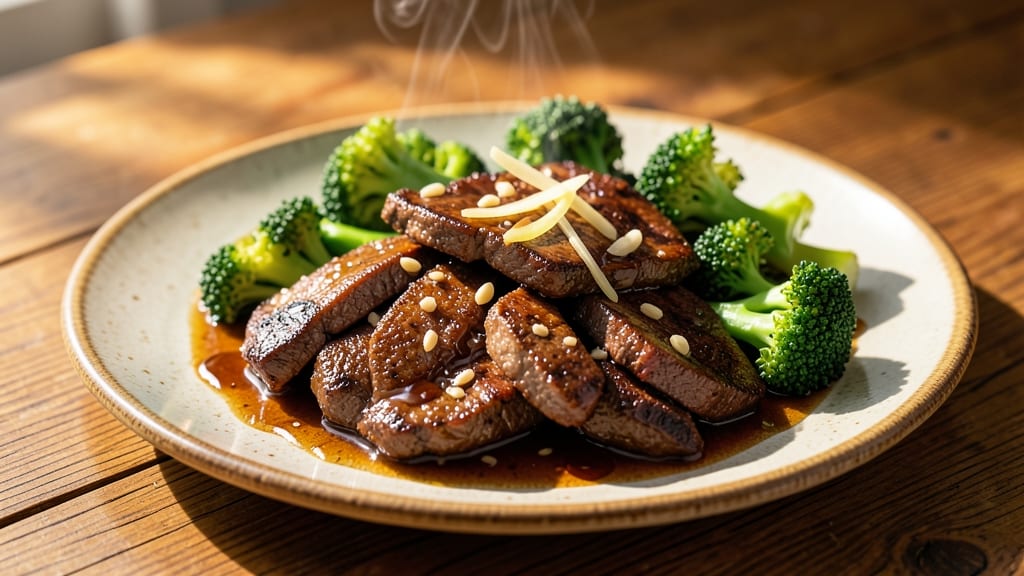
This Pinoy beef and broccoli recipe delivers tender beef bites coated in a sweet soy-ginger sauce that balances umami and bright citrus notes. The secret lies in marinating the beef for at least 30 minutes—this ensures maximum flavor absorption and fork-tender results.
I developed this version after years of testing, perfecting the sauce's harmony between salty soy, aromatic ginger, and a touch of vinegar for balance.
The beauty of this dish is its simplicity: just a handful of ingredients, but each plays a crucial role. Fresh ginger and garlic form the aromatic base, while soy sauce and a splash of vinegar create that signature Filipino tang.
The broccoli gets just enough time in the pan to stay vibrant and crisp-tender, not mushy. This recipe transforms a simple stir-fry into a restaurant-worthy meal that's ready in under 40 minutes.
What you'll end up with is perfectly seared beef with a caramelized exterior, coated in a glossy sauce that clings beautifully. The broccoli florets maintain their bright green color and satisfying crunch, while the sauce delivers layers of sweet, savory, and slightly tangy flavors.
The aroma alone will have everyone gathering around the table—it's the kind of dish that tastes even better the second time around.
Serve this over steamed jasmine rice to soak up every last drop of that flavorful sauce. The combination of tender beef, crisp broccoli, and aromatic sauce makes this a weeknight favorite that's equally impressive for dinner guests. Let's get cooking!
Ingredients for beef and broccoli recipe pinoy
Sweet soy-ginger sauce meets tender beef and crisp broccoli in this Filipino-inspired stir-fry.
| Ingredient | Amount | Notes |
|---|---|---|
| Flank Steak 🥩 | 1 ½ lb | Thinly sliced against grain |
| Broccoli Florets 🥦 | 1 ½ lb | Medium size, stems trimmed |
| Fresh Ginger 🌿 | 2 tbsp | Grated, finely minced |
| Garlic Cloves 🧄 | 6 cloves | Minced, aromatic |
| Soy Sauce 🍶 | ½ cup | High-quality, dark soy preferred |
| Rice Vinegar 🍶 | 2 tbsp | White or seasoned |
| Brown Sugar 🍯 | 2 tbsp | Packed, light brown |
| Sesame Oil 🫒 | 1 tbsp | Toasted, for aroma |
| Vegetable Oil 🫒 | 2 tbsp | High smoke point |
| Cornstarch 🌾 | 1 tbsp | For sauce thickening |
| Green Onions 🧅 | 4 whole | Sliced, for garnish |
| Salt 🧂 | 1 tsp | Kosher or sea salt |
| Black Pepper 🌶️ | ½ tsp | Freshly ground |
| Jasmine Rice 🍚 | 2 cups | Uncooked, for serving |
The flank steak is your secret weapon here—thinly sliced against the grain for maximum tenderness. Ask your butcher to slice it if you're not comfortable doing it yourself, or freeze it for 30 minutes to make slicing easier. Look for well-marbled cuts, and avoid any with excessive fat. For the broccoli, freshness matters most—bright green florets with tight buds will stay vibrant in the pan. If you're short on time, frozen broccoli works in a pinch, but thaw and pat it dry thoroughly before cooking to prevent excess moisture. The ginger and garlic are non-negotiable for that authentic Filipino flavor—fresh is always better than powdered, but if you're in a bind, jarred minced garlic will do.
No dark soy sauce? Regular soy sauce plus a pinch of sugar works, though the color won't be as rich. Substitute the rice vinegar with apple cider vinegar if needed, but the flavor will be slightly less delicate. For the sugar, white sugar works fine, but brown sugar adds subtle caramel notes that complement the soy. If you're watching calories, reduce the sesame oil to 1 teaspoon and increase the vegetable oil slightly. The cornstarch is key for that glossy sauce—don't skip it, but if you're gluten-free, swap for tapioca starch. For extra depth, a splash of oyster sauce (vegetarian version if needed) can be added with the soy sauce, but it's optional.
Prep the beef and sauce ingredients ahead—the marinade can sit for up to 4 hours in the fridge, though 30 minutes is ideal. Broccoli should be washed and dried just before cooking to maintain its crisp texture. Leftovers keep for 3-4 days in the fridge, but the sauce thickens as it cools, so reheat with a splash of water or broth. For meal prep, store components separately and combine when reheating. This dish reheats beautifully, making it perfect for lunches—just add fresh green onions and a drizzle of sesame oil when serving. The rice should be cooked separately and kept warm until ready to serve.
Why You'll Love This Recipe
- One-Pan Magic: I swear by this—just sear the flank steak, toss in the broccoli, and let the soy-ginger-garlic sauce work its magic. No extra pots, no extra stress, and honestly? That crispy steak with tender broccoli? It’s the kind of meal that makes you question why you ever cooked any other way.
- Umami Bomb: The moment that ginger and garlic hit the hot pan? Pure flavor payoff. That deep, savory punch from the soy sauce and charred edges on the beef—it’s not just tasty, it’s ridiculously satisfying. The kind of taste that lingers long after you finish.
- Leftover Hero: Between us, this dish begs to be made extra. The steak stays juicy for days, the broccoli holds its crunch, and reheating? Just a quick stir-fry in the pan. My freezer’s full of it—work lunches, last-minute dinners, or whenever I’m too tired to think.
- Budget Win: Flank steak stretches far, broccoli’s cheap, and you’re not drowning in specialty ingredients. Honestly, I make this when I’m pinching pennies, and no one ever complains. Plus, the leftovers mean I’m not ordering takeout when I’m broke. Solid move.
Step-by-step instructions for beef and broccoli recipe Pinoy
Master this Filipino-inspired dish with perfectly tender beef and sweet soy-ginger sauce.
Prepare the Flank Steak
Slice the 1.5 lb flank steak thinly against the grain into ¼-inch thick strips. This cutting technique ensures maximum tenderness by shortening the muscle fibers. Pat the beef dry with paper towels—removing excess moisture prevents steaming instead of searing.
In a small bowl, combine the 1.5 lb broccoli florets, 1 tsp salt, and 0.5 tsp black pepper. Toss gently to coat evenly. Set aside—you'll add these to the pan later. The seasoning here ensures the broccoli absorbs flavor without overpowering the beef's taste.
Sear the Beef in Stages
Heat 2 tbsp vegetable oil in a large wok or skillet over medium-high heat until shimmering. Add half of the beef strips in a single layer—crowding the pan steams the meat instead of searing. Cook undisturbed for 1-2 minutes until deep golden brown forms on the bottom. Flip and cook another 1-2 minutes until just cooked through.
Transfer the seared beef to a plate and repeat with the remaining strips. The beef should be tender but still slightly firm—it'll finish cooking in the sauce. Don't overcook here; you want it to remain juicy and fork-tender when served.
Build the Sweet Soy-Ginger Sauce
Reduce heat to medium and add 2 tbsp vegetable oil to the same pan. Stir in the 2 tbsp finely minced fresh ginger and 6 cloves minced garlic, cooking for 30 seconds until fragrant but not browned. Add the 0.5 cup soy sauce, 2 tbsp rice vinegar, and 2 tbsp brown sugar, stirring constantly for 1 minute to combine.
Pour in 1 tbsp sesame oil and bring to a gentle simmer. This is where the magic happens—the sauce should reduce slightly while developing depth of flavor. Let it cook for 2-3 minutes until slightly thickened. The aroma should be rich and complex, with notes of ginger, garlic, and umami.
Thicken and Finish the Sauce
Sprinkle the 1 tbsp cornstarch over the sauce and stir vigorously for 1 minute until fully dissolved. Add the 1.5 lb broccoli florets and toss to coat evenly in the sauce. Cover and cook for 3-4 minutes until the broccoli is bright green and tender-crisp—it should still offer a slight bite.
Return the beef to the pan, tossing everything together for 1-2 minutes until the beef absorbs the sauce. The sauce should coat the beef and broccoli uniformly, creating a glossy, sticky finish. If the sauce is too thick, add 1-2 tablespoons of water to reach your desired consistency.
Garnish and Serve
Transfer the beef and broccoli to a serving platter. Drizzle with any remaining sauce from the pan. Slice the 4 whole green onions into ¼-inch pieces and sprinkle evenly over the top for freshness and color contrast.
Serve immediately over 2 cups cooked jasmine rice to soak up the delicious sauce. Each bite should deliver perfectly tender beef, crisp-tender broccoli, and a perfectly balanced sweet-savory sauce. The rice acts as a neutral base that lets the flavors of the beef and broccoli truly shine.
Pro Tips For Making Beef And Broccoli Recipe Pinoy
- SLICE THIN, COOK FAST: Flank steak’s got that stubborn chew if you overcook it, so slice against the grain into ¼-inch strips—thin enough to sear in 90 seconds max on high heat. I learned this the hard way after serving rubbery beef that had me questioning my life choices.
- GINGER: GRATE, DON’T CHOP: Fresh ginger loses its punch when you dice it—grate it fine (like you’re mad at it) for that bright, zesty kick in the sauce. Skip the mincer unless you’re in a rush; your taste buds will notice the difference.
- BROCCOLI: BLANCH FIRST: Toss florets in boiling water for 30 seconds, then ice bath—this stops them from turning mushy when they hit the wok later. Yes, it’s an extra step, but your broccoli will stay crisp-tender, not sad and limp.
- SOY SAUCE: DARK + LIGHT TRICK: Mix 2 tablespoons dark soy (for color) with 1 tablespoon light (for depth) in the sauce. Dark alone makes it look like you’re cooking in molasses; light alone makes it taste flat. Balance is everything.
Storing and reheating this recipe
Fridge Storage Tips
Store leftovers in an airtight container for up to 4 days in the refrigerator. The sauce thickens slightly when chilled, so I recommend adding 1-2 tablespoons of water or beef broth when reheating to restore its glossy texture.
Always let the dish cool completely before refrigerating to prevent condensation, which can make the rice soggy. 💡
Freezer-Friendly Prep
For longer storage, freeze the beef and broccoli mixture (without rice) in single-serving portions using quart-sized freezer bags. Leave ½-inch headspace for expansion and label with the date—this dish keeps for 2-3 months without losing flavor.
Thaw overnight in the fridge before reheating for best results. Never refreeze once thawed. ❄️
Reheating Methods
For stovetop reheating, use medium-low heat with a splash of water or broth to prevent drying. Cover the pan and cook for 3-4 minutes, stirring occasionally, until everything reaches 165°F internal temperature.
The beef should be warmed through while the broccoli stays tender-crisp. I avoid microwaving because it can make the broccoli mushy. 🔥
Reviving Sauce Texture
If the sauce appears too thick after reheating, thin it with 1 teaspoon of water or broth at a time until it reaches your preferred consistency. The cornstarch thickening works best when fresh, so for maximum glossiness, consider making a small batch of fresh sauce when reheating.
A drizzle of sesame oil before serving adds back that restaurant-quality aroma. 💫
Rice Handling Tips
Cook rice fresh for serving to maintain its ideal texture. If reheating the entire meal, store the rice separately in a microwave-safe container and warm it on its own for 1-2 minutes before combining with the beef and broccoli.
This prevents the rice from absorbing all the moisture from the sauce, keeping every component perfect. 🍚
Garnish Refresh
Always add fresh green onions and a drizzle of sesame oil when serving reheated beef and broccoli. These final touches brighten the dish and make it taste almost as good as fresh.
For extra flavor, squeeze a drop of calamansi juice (or lemon) over the top—it cuts through the richness beautifully. 🌿
Nutrition facts
Frequently asked questions
Can I substitute flank steak with another cut of beef?
Yes, but choose tender cuts that slice thinly. Sirloin or ribeye work well—just slice against the grain for tenderness. Avoid tough cuts like chuck or round, as they won't become fork-tender. For extra flavor, marinate the beef for 30-60 minutes in soy sauce, garlic, and ginger before cooking.
How do I adjust the sweetness level in the sauce?
Reduce the brown sugar to 1 tablespoon for less sweetness or increase to 3 tablespoons for more caramel notes. For a tangier profile, add 1 extra teaspoon of rice vinegar. If you prefer umami depth, swap 1 tablespoon of soy sauce for oyster sauce (or vegetarian alternative). Taste as you go—Filipino-style sauces balance sweet, salty, and tangy flavors.
Why did my broccoli turn mushy?
Overcooking or adding broccoli too early causes mushiness. Cook it for only 3-4 minutes after adding to the pan—it should stay bright green and crisp-tender. Also, ensure broccoli is dry before cooking (pat with a paper towel). For extra crunch, add broccoli in the final 2 minutes of cooking.
Can I make this dish spicier?
Add ½ teaspoon of chili flakes or 1 teaspoon of sriracha to the sauce. For heat, stir in 1 minced chili pepper (like siling labuyo) with the garlic and ginger. Adjust to taste—Filipino cuisine often balances heat with sweetness, so the sugar in the sauce will mellow the spice.
What’s the best rice to serve with this?
Jasmine rice is ideal—its fragrant, slightly sticky texture soaks up the sauce beautifully. For extra fluffiness, rinse rice before cooking. Long-grain white rice also works, but avoid short-grain varieties like sushi rice, which can become too sticky. Cook rice separately to prevent sogginess when reheating.