
Soups & Stews
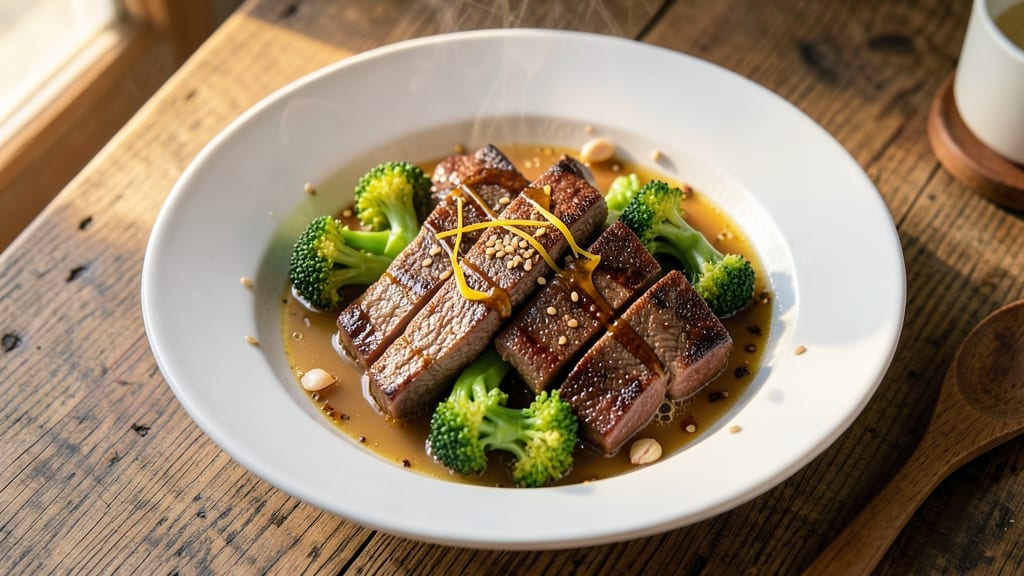
This beef and broccoli recipe with beef broth transforms a classic into a restaurant-worthy dish with deep umami flavor and tender textures.
The secret lies in high-heat wok-frying that caramelizes the beef while preserving its juiciness, then simmering everything in rich beef broth for a velvety sauce that clings to every bite. I've perfected this technique over years of testing, balancing traditional stir-fry methods with modern adaptability for home cooks.
The recipe begins with properly prepped beef—thinly sliced strips that cook quickly and evenly—paired with crisp-tender broccoli florets that retain their vibrant color. Beef broth forms the foundation of the sauce, creating a savory depth that's impossible to achieve with water alone.
The cooking process is straightforward but requires attention to timing to ensure the beef stays tender while the broccoli achieves perfect crisp-tenderness.
What you'll end up with is a dish that's equally impressive served over steamed rice or as a standalone meal. The sauce is rich yet balanced, with just the right amount of saltiness and umami from the beef broth.
Each bite delivers perfectly seared beef with bright, crunchy broccoli and a sauce that's both flavorful and satisfying.
This recipe works beautifully as a weeknight dinner or for entertaining guests, offering that wok-fired restaurant quality without requiring specialized equipment. Whether you're following the traditional stir-fry method or adapting it for a slow-cooked version, the result is consistently delicious. Let's get cooking!
Ingredients for beef and broccoli recipe with beef broth
Restaurant-quality beef and broccoli begins with thinly sliced flank steak and vibrant florets paired with rich beef broth for umami depth.
| Ingredient | Amount | Notes |
|---|---|---|
| Flank Steak 🥩 | 1 ½ lb | Thinly sliced against the grain |
| Fresh Broccoli 🥦 | 1 ½ lb | Cut into 1-inch florets, stems peeled |
| Beef Broth 💧 | 2 cups | Homemade or high-quality store-bought |
| Soy Sauce 🍶 | ½ cup | Light or all-purpose variety |
| Sesame Oil 🫒 | 1 tbsp | Toasted for aroma |
| Garlic Cloves 🧄 | 6 cloves | Minced finely |
| Fresh Ginger 🌿 | 1 tbsp | Grated finely |
| Cornstarch 🌾 | 1 tbsp | For thickening sauce |
| Vegetable Oil 🫒 | ½ cup | High smoke point preferred |
| Green Onions 🧅 | 4 whole | Sliced thin for garnish |
| Sesame Seeds 🌰 | 1 tbsp | Toasted for garnish |
| Diamond Crystal Kosher Salt 🧂 | 1 tsp | For seasoning |
| Black Pepper 🌶️ | ½ tsp | Freshly cracked |
| Jasmine Rice 🍚 | 1 ½ cups | Uncooked, for serving |
The flank steak is non-negotiable here—its lean yet tender texture transforms when sliced against the grain for maximum tenderness. Look for center-cut pieces at your butcher counter or pre-sliced packages in the freezer section of Whole Foods or Trader Joe's. If you can't find flank, sirloin works in a pinch, though it won't be as tender. For the broccoli, freshness matters—avoid pre-cut florets that wilt quickly. Organic broccoli from the produce section, with tight buds and vibrant green stems, ensures the best texture. The beef broth should be homemade if possible, but Kitchen Basics or Pacific Foods brands deliver consistent quality when store-bought.
No beef broth? Mushroom broth creates a similar umami depth, though with a slightly earthier note. Substituting water is a cardinal sin—it'll make your sauce flat. The soy sauce should be light, not dark—Kikkoman is a reliable choice, but Lee Kum Kee adds a touch of sweetness. Sesame oil is purely for aroma; if you're sensitive to its flavor, reduce to ½ teaspoon. The cornstarch slurry is critical for that glossy, restaurant-style sauce—don't skip it. For the garlic and ginger, fresh is non-negotiable—dried powders lack the complexity. If you're prepping ahead, grate the ginger and mince the garlic, then store in airtight containers in the fridge for up to 5 days.
This dish reheats beautifully—best served the next day when flavors meld completely. Store leftovers in an airtight container in the fridge for up to 4 days, or freeze for 3 months by portioning into single servings. The rice should be steamed separately and kept warm in a rice cooker or covered pot. For presentation, toast the sesame seeds in a dry pan over medium heat for 30 seconds until fragrant, then sprinkle over the dish just before serving. The green onions add freshness—slice them last to maintain their vibrant color.
Why You'll Love This Recipe
- One-Pan Magic: I swear by this for nights when I’d rather scroll than scrub—just sear the steak, toss in broccoli and broth, and let it simmer. The beef broth turns the pan into a flavor factory, so cleanup is basically nonexistent.
- Umami Bomb: That combo of soy sauce and beef broth? It’s like a flavor grenade in the best way. The sesame oil finishes it with a nutty punch that makes every bite feel like a little reward.
- Lunchbox Hero: Here’s what sold me—this reheats like a dream. Pack the leftovers for work, and it’ll still taste fresh hours later. (Yes, even on a Tuesday night.)
- Budget Powerhouse: Flank steak stretches further than you’d think, and the broth makes it feel luxurious without breaking the bank. I’ve fed four people for under $15, and no one complains about the price.
Step-by-step instructions for wok-fired beef and broccoli
Master this technique for a restaurant-quality dish with deep umami flavor and perfectly tender beef.
Prepare the Flank Steak and Broccoli
Slice the 1.5 lb flank steak thinly against the grain into ¼-inch thick strips. This ensures tender bites that cook quickly in the wok. Pat each strip dry with paper towels—moisture prevents proper searing. In a bowl, toss the steak with 1 tsp Diamond Crystal kosher salt, 0.5 tsp black pepper, and 1 tbsp sesame oil. Let it marinate for 10 minutes at room temperature while you prep the broccoli.
Cut the 1.5 lb fresh broccoli into 1-inch florets, peeling the tough stems first. Blanch the florets in boiling water for 30 seconds, then immediately plunge into ice water to stop cooking. This preserves vibrant color and crisp texture. Drain well and set aside.
Cook the Jasmine Rice
Rinse the 1.5 cups jasmine rice thoroughly under cold water until the water runs clear. This removes excess starch for fluffier grains. Cook the rice according to package instructions—typically a 1:1.5 rice-to-water ratio—using 2 cups water and simmering for 15 minutes. Transfer to a bowl, cover with a towel, and let rest for 10 minutes. Fluff with a fork before serving.
While the rice cooks, mince the 6 garlic cloves finely and grate the 1 tbsp fresh ginger using a microplane. These aromatics will form the flavor base of your sauce. Keep them separate until needed.
Sear the Beef in High Heat
Heat a wok or large skillet over high heat until smoking, then add 0.5 cup vegetable oil. Swirl to coat the surface evenly. Add the marinated steak in a single layer, stirring only once to avoid steaming. Cook for 2-3 minutes until the beef turns deep brown and develops a caramelized crust. Remove and set aside.
Here's the thing—don't overcrowd the pan. If the steak releases too much liquid, reduce heat slightly to medium-high and cook in batches. The goal is a quick, intense sear that locks in juices while creating that wok-hei flavor.
Build the Umami Sauce
In the same wok, add 1 tbsp vegetable oil and swirl to coat. Add the minced garlic and ginger, cooking for 30 seconds until fragrant—no longer, or they'll burn. Pour in 0.5 cup soy sauce and 2 cups beef broth, scraping up any browned bits from the bottom. Bring to a simmer and cook for 3 minutes to meld flavors.
In a small bowl, whisk together 1 tbsp cornstarch with 2 tablespoons cold water until smooth. Slowly pour this slurry into the simmering sauce while stirring constantly. The sauce will thicken immediately into a glossy, velvety consistency. Return the beef to the wok and toss to coat evenly.
Finish and Serve
Add the blanched broccoli to the wok and toss everything together for 1-2 minutes until the broccoli is heated through and the sauce clings to the beef. Divide the jasmine rice among serving plates, top with the beef and broccoli mixture, and drizzle with any remaining sauce.
Garnish with sliced 4 green onions and 1 tbsp toasted sesame seeds for color and texture. Serve immediately while the wok-hei flavor is at its peak. Each bite should deliver tender beef, crisp broccoli, and a rich, savory sauce that coats every strand of rice.
Pro Tips For Making Beef And Broccoli Recipe With Beef Broth
- Slice Against the Grain: I learned this the hard way—thinly slicing flank steak with the grain makes it tougher than a boot heel. Cut perpendicular to the grain instead, and those fibers will melt in your mouth like they’re supposed to. A sharp knife and a steady hand are your best friends here.
- Blanch Broccoli First: Skip the sad, limp broccoli that turns to mush in the sauce. Toss florets in boiling water for 30 seconds, then ice bath—keeps them bright and crisp. They’ll hold up better when they hit the pan later, and you won’t be left with a bowl of overcooked greens.
- Deglaze with Broth, Not Water: That browned beef crust? Don’t waste it. Splash in the beef broth immediately after searing the steak—it’ll pull up all the flavor instead of leaving you with a dry, dull sauce. Water’s fine in a pinch, but broth adds depth that changes the whole dish.
- Finish with Sesame Oil Last: Add that sesame oil too early, and it’ll cook off into nothing. Toss it in at the very end—just before serving—so it coats everything with that nutty aroma. A teaspoon goes a long way; start small unless you’re feeling bold.
Creative variations of this recipe
Slow-Cooker Adaptation
For a hands-off version, use the same ingredients but transfer everything to a 6-quart slow cooker after searing the beef. Add the beef broth, soy sauce, garlic, and ginger, then cook on LOW for 4-5 hours. The beef will become fork-tender, and the sauce will develop a deeper flavor.
Stir in the broccoli during the last 30 minutes to avoid overcooking. This method works perfectly for busy weeknights and delivers that same umami-rich sauce. 💫
Spicy Sichuan Twist
Transform this dish into a fiery Sichuan version by adding 1 tbsp Sichuan peppercorns toasted in the wok before searing the beef. Include 1 tbsp chili crisp or 1 tsp chili oil in the sauce, along with 1 tbsp doubanjiang (fermented chili bean paste).
The numbing-spicy kick elevates the dish while keeping the beef broth base. Garnish with thinly sliced red chili peppers for extra heat. 🌶️
Vegetarian Swap
Replace the beef with 1 lb extra-firm tofu pressed and cubed, or 1 lb shiitake mushrooms sliced. Marinate the tofu in 2 tbsp soy sauce, 1 tbsp cornstarch, and 1 tsp sesame oil for 15 minutes.
Cook the tofu in the wok until golden, then proceed with the sauce and broccoli as directed. The umami from the beef broth still shines through, making this a satisfying vegetarian option. 🥗
One-Pot Wonder
Skip the rice entirely and serve this as a hearty one-pot meal. After combining the beef, broccoli, and sauce, cook an additional 1 cup jasmine rice directly in the wok with the mixture.
Use 2.5 cups beef broth instead of 2 cups to account for the extra liquid. The rice absorbs the flavorful sauce, creating a complete meal in one pan. Perfect for meal prep! 🍲
Sweet and Tangy Glaze
Add a touch of sweetness by swapping ½ cup of the beef broth for ½ cup hoisin sauce and including 1 tbsp honey in the sauce. The glaze caramelizes beautifully when simmered, creating a sticky, slightly sweet contrast to the savory beef.
Drizzle with extra hoisin before serving for a restaurant-style finish. 🍯
Meal-Prep Friendly
Double the recipe and store leftovers in airtight containers for up to 5 days. The flavors deepen over time, making it ideal for lunches. Reheat in a skillet over medium heat with a splash of water to restore the sauce's glossiness.
Pack the rice separately to keep it fluffy. This variation ensures you always have a quick, satisfying meal ready. 📅
Nutrition facts
Frequently asked questions
Can I substitute beef broth with another liquid?
While beef broth is ideal for maximum umami flavor, you can use mushroom broth for a similar depth or chicken broth in a pinch. Avoid water—it lacks the rich, savory base that makes this dish special. For a vegetarian version, use vegetable broth with an extra 1 tsp soy sauce to compensate for flavor.
How do I prevent the beef from becoming tough?
Slice the beef thinly against the grain and cook it at high heat for only 2-3 minutes—any longer risks dryness. Pat the strips completely dry before searing to ensure a good crust. For extra tenderness, marinate the beef for 10 minutes in 1 tbsp soy sauce and 1 tsp sesame oil before cooking.
Why does my sauce turn out watery?
The sauce thickens when the cornstarch slurry is added at the end, but if it’s still thin, your broth may have been too diluted. Use 2 cups full-strength beef broth (not reduced) and simmer it for 3 minutes to concentrate flavors before adding the slurry. If needed, mix ½ tsp additional cornstarch with 1 tsp water and stir in at the end.
Can I make this dish ahead of time?
Yes! This recipe tastes even better the next day as flavors meld. Store leftovers in an airtight container in the fridge for up to 4 days. Reheat gently in a skillet over medium heat with a splash of water to restore sauce glossiness. The rice should be cooked separately and added fresh to avoid sogginess.
What’s the secret to crisp-tender broccoli?
Blanching the broccoli for 30 seconds in boiling water, then shocking it in ice water, locks in color and texture. When adding it to the wok, cook for only 1-2 minutes—overcooking turns it mushy. For extra crunch, toss in the broccoli last and keep the heat at medium-high.