
Soups & Stews
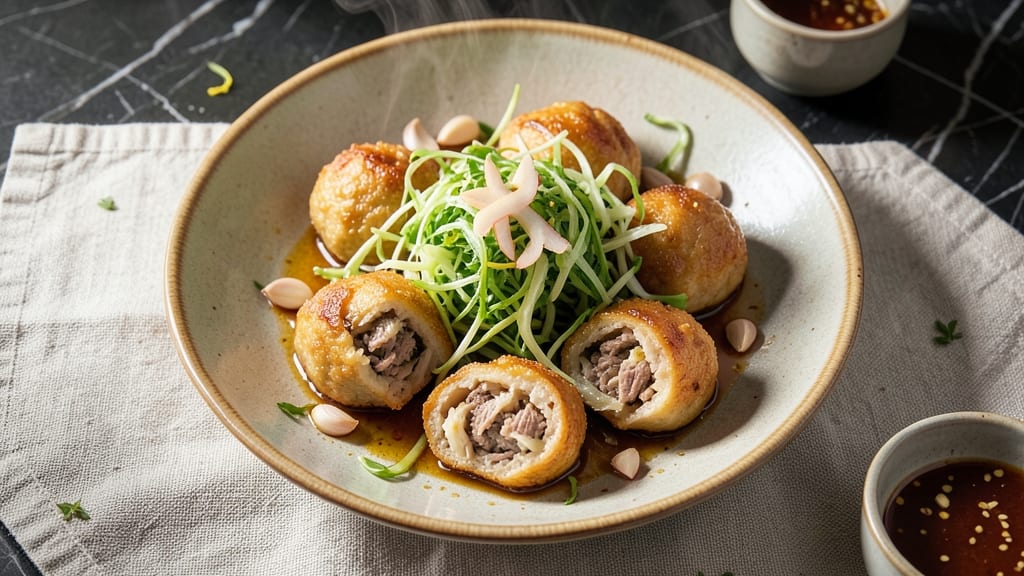
This beef and cabbage dumpling recipe delivers the ultimate comfort food experience—steamed clouds of tender dough wrapped around savory beef and cabbage filling. The secret lies in the delicate balance of a light, airy dough that yields to a fork while encasing perfectly seasoned beef and finely chopped cabbage.
I've perfected this recipe over years of testing, ensuring each dumpling achieves that signature melt-in-your-mouth texture with just the right crispness at the edges.
The beauty of these dumplings is in their simplicity—just a handful of ingredients transform into a dish that feels both rustic and refined. Ground beef provides hearty flavor, while cabbage adds freshness and texture, all bound together by aromatic garlic, ginger, and soy sauce.
The dough itself is a foolproof combination of flour, water, and a touch of oil that comes together in minutes without fuss.
What makes this recipe truly special is how it transforms basic ingredients into something extraordinary. Steaming the dumplings creates that signature tender yet slightly crisp exterior, while the filling remains juicy and flavorful.
The aroma alone—warm, savory, and slightly herby—will fill your kitchen and have everyone at the table anticipating that first bite.
Perfect for family dinners, potlucks, or cozy weeknight meals, these dumplings are versatile enough to pair with any sauce or broth. The recipe scales beautifully, making it ideal for feeding a crowd or prepping ahead for meal prep. Let's get started on creating your own steamed clouds of comfort.
Ingredients for beef and cabbage dumpling
Foolproof dough and savory filling transform simple ingredients into steamed comfort clouds.
| Ingredient | Amount | Notes |
|---|---|---|
| Ground Beef 🥩 | 1 lb | 80/20 fat ratio preferred |
| Green Cabbage 🥬 | 3 cups | Finely chopped, core removed |
| Garlic Cloves 🧄 | 3 cloves | Minced, fresh preferred |
| Fresh Ginger 🌿 | 1 tbsp | Grated, aromatic variety |
| Soy Sauce 🍶 | 2 tbsp | Light or regular preferred |
| Sesame Oil 🫒 | 1 tsp | Toasted, for aroma |
| All-Purpose Flour 🌾 | 2 cups | Plus 1 tbsp for dusting |
| Water 💧 | 1 ¼ cups | Cold, for dough |
| Vegetable Oil 🫒 | 1 tbsp | Light, for dough |
| Salt 🧂 | 1 tsp | Kosher or sea salt |
| Black Pepper 🌶️ | ½ tsp | Freshly ground |
| Green Onions 🧅 | 2 whole | Sliced, for garnish |
The ground beef makes all the difference—80/20 fat ratio ensures juicy filling. Look for grass-fed options at Whole Foods or your local butcher for richer flavor. Fresh ginger and garlic should smell vibrant, not musty. The cabbage? Green, not yellowing—finely chop it so it blends seamlessly into the filling. For soy sauce, Kikkoman is reliable, but any light soy works. Sesame oil adds depth, so grab the toasted kind at Asian markets if you can—it's worth the extra aroma.
No sesame oil? Toasted peanut oil at half the amount works in a pinch. Short on green onions? Fresh cilantro or chives add a similar brightness. The dough is foolproof, but if you're nervous, use King Arthur flour—it's more forgiving. For the filling, pre-cooking the cabbage slightly (2 minutes in a pan) prevents soggy dumplings. The beef can be swapped for ground pork or turkey, but the flavor profile shifts slightly. Always measure the flour by weight if possible—1 cup flour varies by brand.
Store dough scraps wrapped in plastic for 2 days—it's perfect for quick dumpling fixes. The filling keeps 3 days in the fridge, but assemble dumplings fresh for best texture. For meal prep, freeze uncooked dumplings on a tray first, then transfer to a bag—steam from frozen, adding 2 extra minutes. Leftover filling? Toss it into fried rice or noodles for a quick meal. The aroma alone will have your kitchen smelling like a home-cooked feast.
Why You'll Love This Recipe
- No-Chop Nightmare: I swear by this—just shred that cabbage roughly, no knife skills required. The ginger and garlic get minced in seconds, and the beef? One pan, one bowl, done. My lazy nights thank me every time.
- Umami Bomb: That soy sauce and ginger combo? It’s the secret weapon here. The cabbage softens into something almost sweet, while the beef stays juicy and packed with deep, savory punch. Honestly, it’s the kind of flavor that makes you pause mid-bite.
- Lunchbox Hero: These dumplings reheat like a dream—steamed or pan-fried, they’re perfect for packing. I make a double batch on Sundays, and by Wednesday, I’m still eating them cold with a squeeze of lime. My kids’ favorite, and zero fuss.
- Pantry Staple: Ground beef, cabbage, soy sauce—you’re probably already stocked. No specialty ingredients, no last-minute grocery runs. Between us, this is my go-to when I’m broke or busy, and somehow it never feels like I’m settling.
Step-by-step instructions for beef and cabbage dumplings
Here's how to create tender, flavorful dumplings that steam into perfect clouds of comfort.
Prepare the Filling with Ground Beef
In a medium skillet, heat the 1 tablespoon vegetable oil over medium-high heat. Add the 1 lb ground beef and cook, breaking it apart with a wooden spoon, until it loses its raw color and begins to brown—about 5-7 minutes. This should yield a nicely browned, crumbly texture.
Add the 3 cloves minced garlic and 1 tablespoon grated fresh ginger to the skillet, stirring constantly for 30 seconds until fragrant. The garlic should sizzle slightly but not burn. Immediately add the 3 cups finely chopped green cabbage, stirring to wilt the leaves and distribute the seasonings evenly.
Pour in the 2 tablespoons soy sauce and continue cooking for another 3-4 minutes until the cabbage softens and the mixture reduces slightly. Remove from heat and let cool for 5 minutes—this prevents the filling from steaming when wrapped. Season with 1 teaspoon salt and ½ teaspoon black pepper, then stir in the 1 teaspoon sesame oil for depth of flavor.
Make the Dumpling Wrappers
In a large bowl, combine the 2 cups all-purpose flour and 1 teaspoon salt. Add the 1.25 cups cold water and the 1 tablespoon vegetable oil, then mix with a fork until a shaggy dough forms. Turn onto a lightly floured surface and knead gently for 2-3 minutes until smooth and elastic.
Divide the dough into 4 equal portions (about 8 ounces each) and roll each portion into a ⅛-inch thick rectangle on a floured surface. Use a 3-inch round cutter to cut out circles—you should get about 16 circles total. Keep unused dough covered with a damp towel to prevent drying.
Assemble and Steam the Dumplings
Place 1 tablespoon of beef and cabbage filling in the center of each dumpling wrapper. Fold the wrapper in half, then pinch the edges firmly to seal, creating a half-moon shape. Arrange the sealed dumplings in a steamer basket lined with cabbage leaves or parchment paper, leaving ½-inch gaps between each for even steaming.
Bring 2 inches of water to a boil in a pot, then place the steamer basket inside. Cover and steam over medium-high heat for 12-15 minutes until the dumplings are plump and tender. You'll know they're done when the wrappers turn translucent and the filling is fully cooked through.
Finish and Serve with Garnish
Remove the dumplings from the steamer and transfer them to a serving platter. Drizzle with any remaining steaming liquid from the pot for extra flavor. Garnish with 2 whole sliced green onions for a fresh contrast to the rich filling.
Serve immediately with a side of soy sauce for dipping or a sprinkle of toasted sesame seeds for added texture. These dumplings are best enjoyed fresh while still steaming hot, with their delicate wrappers holding just enough filling to burst with each bite.
Pro Tips For Making Beef And Cabbage Dumpling
- Salt the Cabbage First: I learned this the hard way—raw cabbage releases water like a faucet when cooked. Toss the shredded cabbage with 1 teaspoon of salt and let it sit for 10 minutes before cooking. This draws out moisture, so your dumpling filling stays firm and doesn’t turn into a soggy mess. Rinse and drain well afterward.
- Pre-Cook the Garlic: Raw garlic burns fast and adds bitterness to the beef. Sauté 3 minced cloves in a dry pan over medium heat until golden and fragrant—just until they smell like heaven, not smoke. Then add them to the beef mixture. This step guarantees flavor without overpowering the dish.
- Don’t Overwork the Filling: Mixing the beef, cabbage, and aromatics until it’s too smooth makes for dense, chewy dumplings. Stir just until combined—lumpy is fine. The texture should hold together when shaped but still have pockets of flavor. Overmixing turns them into meatballs, not dumplings.
- Use Cold Cabbage for Tighter Wraps: Chilled cabbage shrinks less when cooked, so your dumplings stay plump. Before wrapping, store the shredded cabbage in the fridge for 30 minutes or run it under cold water. This small step keeps your dumplings from bursting open during cooking.
Flavor customization for these flavors
Spice Level Control
Adjust the heat to your taste by adding ½ teaspoon red pepper flakes or a pinch of Sichuan peppercorns to the filling for a subtle kick. For a milder version, skip the sesame oil and replace it with 1 teaspoon toasted peanut oil—it adds nuttiness without heat.
I find the ginger already provides warmth, so I keep the spice minimal unless I'm serving it with a spicy dipping sauce. 🌶️
Umami Boost Options
For deeper savory notes, stir 1 teaspoon fish sauce or 1 tablespoon oyster sauce into the filling before wrapping. I love using Kikkoman oyster sauce for its rich, slightly sweet depth.
Another trick? Add 1 tablespoon finely chopped dried shiitake mushrooms (rehydrated) to the filling—they dissolve into the beef and add an earthy umami punch.
Sweet-Savory Balance
Add a touch of sweetness by mixing ½ teaspoon honey or 1 teaspoon hoisin sauce into the filling. This works beautifully with the cabbage's natural bitterness. I've also experimented with 1 teaspoon grated apple mixed into the filling for a bright, crisp contrast.
The key is balance—start with just ¼ teaspoon and adjust to taste.
Herb Variations
Swap or add fresh herbs to brighten the filling. I often mix in 1 tablespoon chopped cilantro or 1 teaspoon chopped Thai basil for a fragrant twist. For a more robust flavor, try 1 tablespoon chopped parsley or ½ teaspoon dried thyme.
Fresh herbs should be added after cooking the filling to preserve their vibrant color and aroma.
Texture Adjustments
For extra crunch, fold 1 tablespoon crushed roasted peanuts or 1 teaspoon fried shallots into the filling before wrapping. I also like adding 1 tablespoon finely chopped water chestnuts for a subtle crunch that holds up during steaming. These additions add visual appeal and contrast to the tender filling. 💡
Dough Customizations
Make the dough gluten-free by replacing the all-purpose flour with a 1:1 gluten-free flour blend like Bob's Red Mill. For a lighter texture, add 1 tablespoon cornstarch to the dough.
I've also experimented with a whole wheat flour substitution, but reduce the water by 1 tablespoon—whole wheat absorbs moisture differently. The dough should remain pliable but not sticky.
Nutrition facts
Frequently asked questions
Can I make these dumplings ahead of time?
Prepare the filling and dough up to 2 days ahead, storing them separately in the fridge. For best results, assemble the dumplings 4 hours before cooking—this gives the filling time to chill and prevents leaks during steaming. To freeze, shape the dumplings on a tray, freeze solid, then transfer to a bag. Steam from frozen, adding 3-4 extra minutes of cooking time.
What if my dumpling wrappers tear when sealing?
This usually happens when the dough is too dry or the filling is too wet. First, ensure your dough is slightly tacky but not sticky—add 1 teaspoon water at a time if needed. For the filling, press out excess moisture with a paper towel before wrapping. Also, use a light touch when pinching the edges—overworking the dough can make it brittle. If it happens, just patch with extra dough and steam as usual.
Can I use pre-made dumpling wrappers instead of homemade dough?
Yes! Store-bought wrappers work perfectly—just follow the package instructions for size. For a 3-inch cutter, use 4-inch round wrappers and trim the excess. The texture will be slightly different (often a bit thicker), but the flavor remains delicious. I recommend wonton wrappers or gyoza skins for the best results. Just reduce steaming time by 2-3 minutes since they're pre-cooked.
How do I know when the dumplings are fully cooked?
They're done when the wrappers turn translucent and slightly crisp at the edges, and the filling is piping hot. Cut one open—if the beef is fully browned and the cabbage tender (no crunch), they're ready. Overcooking can make them rubbery, so keep an eye on them after 12 minutes of steaming. The steaming liquid should be clear, not cloudy—this indicates the filling is cooked through.
What's the best way to serve these dumplings?
These dumplings shine as a main dish with a side of soy-ginger dipping sauce (mix 2 tbsp soy sauce, 1 tbsp honey, and 1 tsp grated ginger). For extra flair, serve with steamed bok choy or a simple cucumber salad. They also make a fantastic soup addition—simmer a few in chicken broth with shitake mushrooms and green onions.