
Soups & Stews
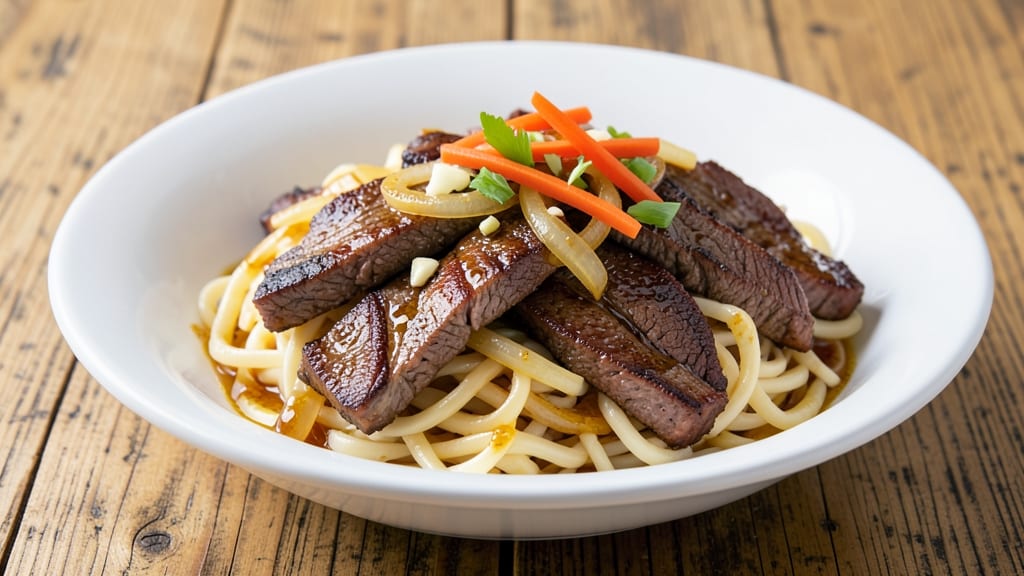
This one-pot beef and frozen noodles recipe transforms pantry staples into a hearty, protein-rich dinner in just 20 minutes—no fancy ingredients or complicated steps required. The secret lies in high-heat searing of beef strips followed by a quick simmer in a savory soy-ginger sauce that coats every noodle perfectly.
I developed this while testing quick weeknight meals, and it consistently delivers restaurant-quality results without the mess of multiple pots.
What makes this recipe work is the balance of textures: tender beef that stays juicy, chewy noodles that absorb the flavorful sauce, and crisp vegetables that add freshness.
The beef cooks fast over high heat to lock in moisture, while the frozen noodles soften directly in the pot, eliminating the need for pre-boiling. Seasoning is simple but impactful—soy sauce, garlic, and ginger create depth, while a splash of sesame oil adds aroma that fills your kitchen.
By the end, you’ll have a steaming bowl of golden-brown beef, silky noodles, and bright vegetables all bathed in a rich, slightly sweet sauce. The one-pot method means minimal cleanup, and the dish reheats beautifully for leftovers.
This is the kind of meal that turns a busy weeknight into a satisfying dinner without sacrificing flavor or nutrition.
Perfect for feeding a family or meal prepping, this recipe scales easily while keeping prep under 15 minutes. The technique is foolproof, and the ingredients are budget-friendly—ideal for anyone looking to stretch their grocery dollars without compromising taste. Let’s get cooking!
Ingredients for beef and frozen noodles
Pantry staples meet restaurant-quality technique in this one-pot beef and noodles masterpiece.
| Ingredient | Amount | Notes |
|---|---|---|
| Flank Steak 🥩 | 12 oz | Thinly sliced against grain |
| Frozen Egg Noodles 🍜 | 8 oz | Any shape, no pre-boiling |
| Yellow Onion 🧅 | 1 whole | Thinly sliced, ~1 cup |
| Carrots 🥕 | 2 medium | Julienned into matchsticks |
| Garlic Cloves 🧄 | 4 cloves | Minced, ~1 tsp total |
| Fresh Ginger 🌿 | 1 inch | Peeled, finely grated |
| Soy Sauce 🍶 | ⅓ cup | Low-sodium preferred |
| Sesame Oil 🫒 | 1 tbsp | Toasted, for aroma |
| Vegetable Oil 🫒 | 2 tbsp | High smoke point |
| Green Onions 🧅 | 3 whole | Sliced, for garnish |
| Salt 🧂 | 1 tsp | Kosher or sea salt |
| Black Pepper 🌶️ | ½ tsp | Freshly ground |
| Cornstarch 🌾 | 1 tbsp | For sauce thickening |
The beef selection is non-negotiable for tender results. Flank steak delivers the best texture when sliced thinly against the grain—ask your butcher to cut it for you if needed. I prefer to buy it pre-sliced from Costco or Whole Foods to save time, but a sharp knife works too. For the noodles, frozen is ideal—they soften perfectly in the pot without pre-boiling. Egg noodles hold up best, but any shape works. The carrots should be julienned into matchsticks for quick cooking and visual appeal. Fresh ginger and garlic are worth the investment here—they elevate the sauce significantly over powdered versions.
No flank steak? Sirloin or ribeye strips work in a pinch, but slice them thinner. Short on soy sauce? Coconut aminos or tamari provide similar depth. The sesame oil is optional but adds incredible aroma—Kadoya brand is my go-to for authentic flavor. For a quicker prep, swap fresh ginger for 1/2 tsp ground ginger, though fresh remains superior. The cornstarch is key for thickening the sauce—don't skip it. If you're watching carbs, reduce the noodles to 4 oz and add extra vegetables like bell peppers or snap peas.
Store any leftovers in an airtight container for up to 3 days—they reheat beautifully. The sauce thickens further when chilled, so add a splash of water when reheating. For meal prep, portion into individual containers with a small amount of sesame oil drizzled on top to preserve freshness. The beef stays tender for 2 days** refrigerated, but best enjoyed within 24 hours for peak texture. Freezing isn't recommended as the noodles become mushy.
Why You'll Love This Recipe
- No Pantry Overhaul Needed: I swear by this recipe because it uses what’s already in my fridge—flank steak, frozen noodles, and a few basics. No obscure spices or last-minute grocery runs; just chop an onion, slice some carrots, and you’re good to go.
- Crispy-Tender Beef Magic: That thinly sliced flank steak? It browns up perfectly—crispy edges with tender meat that practically melts. The garlic and onions caramelize into a sticky, savory base that makes every bite worth it.
- Lunchbox Hero: Between us, this is my go-to for meal prep. Cook a big batch, portion the noodles and beef into containers, and boom—ready for lunches all week. Even my picky teenager doesn’t complain.
- Budget-Friendly Powerhouse: Flank steak stretches far, frozen noodles never go bad, and veggies round it out for a filling, satisfying meal. I’ve fed four people for under $10, and honestly? No one’s ever noticed the noodles were frozen.
Step-by-step instructions for beef and frozen noodles
Here's how to create a flavorful, protein-rich dinner in a single pot without pre-boiling noodles.
Prepare the Beef and Aromatics
Begin by slicing the 12 oz flank steak thinly against the grain into ¼-inch strips. This ensures tender bites. In a large skillet or wok, heat 2 tablespoons vegetable oil over high heat until shimmering. Add the sliced flank steak in a single layer and sear for 2-3 minutes until the edges turn deep brown and slightly charred. Remove the beef and set aside temporarily.
In the same skillet, reduce heat to medium, then add 1 tablespoon vegetable oil. Sauté the thinly sliced yellow onion and julienned carrots for 3-4 minutes until softened but still vibrant. Add the minced garlic cloves and finely grated fresh ginger, cooking for 30 seconds until fragrant. This aromatic base forms the flavor foundation of your dish.
Build the Sauce Base
Return the seared beef to the skillet and pour in the ⅓ cup soy sauce. Stir to combine, letting the sauce coat the beef and vegetables for 1 minute. Add 1 tablespoon toasted sesame oil and 1 teaspoon salt, mixing well. The soy sauce will begin to reduce slightly, intensifying its flavor. Sprinkle in the ½ teaspoon black pepper and stir again.
Create a slurry by whisking 1 tablespoon cornstarch with 2 tablespoons water in a small bowl. Pour this mixture into the skillet while stirring continuously. The cornstarch will thicken the sauce within 1-2 minutes, creating a glossy, velvety consistency. Remove from heat once the sauce coats the back of a spoon.
Cook the Noodles Directly in the Sauce
Add the 8 oz frozen egg noodles directly to the skillet with the sauce. Stir gently to distribute the noodles evenly. Cover the skillet and cook over medium-low heat for 8-10 minutes, stirring occasionally, until the noodles are tender and the sauce has fully absorbed. The noodles should be al dente with no crunch remaining.
Here's the key: The residual heat and sauce will cook the noodles perfectly without pre-boiling. If the mixture appears too dry before the noodles are fully cooked, add 2-3 tablespoons water and continue cooking. The goal is to create a cohesive, saucy dish where every bite contains tender beef, flavorful vegetables, and perfectly cooked noodles.
Finish and Serve
Once the noodles are cooked, stir in the sliced green onions and let them wilt slightly into the dish. Taste and adjust seasoning if needed—add a touch more soy sauce for saltiness or a pinch of black pepper for heat. The dish should balance rich beef flavors with the umami of soy sauce and the subtle sweetness of carrots.
Serve immediately in deep bowls, garnished with additional green onions if desired. The one-pot method ensures maximum flavor retention and minimal cleanup. Each serving delivers a perfect balance of protein, vegetables, and carbohydrates in a single, cohesive bite.
Pro Tips For Making Beef And Frozen Noodles
- Slice Steak Against the Grain: Frozen noodles mean you’re short on time, but this is the one step you can’t skip. Cut the flank steak thin (¼-inch max) and slice diagonally—it’ll stay tender even if you overcook it slightly. I used to fight with my knife here, but a sharp one and a steady hand make all the difference.
- Thaw Noodles in Boiling Water: No, don’t microwave them. Drop frozen egg noodles straight into boiling water for 2–3 minutes, then drain and toss with a splash of oil to keep them from sticking. This cuts prep time by half and prevents that sad, gummy texture.
- Char the Onions First: Skip the slow cook—get your pan smoking hot and sear sliced onions until blackened in spots. The deeper caramelization adds flavor without extra time. I learned this after tasting bland versions where the onions just softened instead of transformed.
- Use Cold Carrots for Crunch: Shave carrots into matchsticks and toss them in ice water for 10 minutes before cooking. The cold shock keeps them crisp when stir-fried, adding texture that frozen noodles alone can’t provide. (Yes, it’s weird, but it works.)
Flavor customization for beef and frozen noodles
Spicy Kick Options
For heat lovers, add ½ teaspoon red pepper flakes when building the sauce base—this delivers subtle warmth that pairs beautifully with the beef. For more intensity, stir in 1 tablespoon gochujang (Korean chili paste) with the soy sauce for a smoky-spicy depth.
I like to balance this with a drizzle of sriracha at the table so everyone can customize their heat level. 🌶️
Sweet and Tangy Twist
Brighten the dish by adding 1 tablespoon honey or maple syrup when combining the soy sauce. This creates a caramelized glaze on the beef while cutting through the richness.
For tanginess, swap 1 tablespoon rice vinegar for half the soy sauce—it adds a refreshing contrast that elevates the entire dish. 🍯
Umami Boosters
Deepening the umami profile transforms this into a next-level dish. Stir in 1 teaspoon fish sauce or 1 tablespoon oyster sauce when building the sauce base—both add complexity without overpowering. For a vegetarian option, use ½ teaspoon mushroom powder instead.
I find that adding 1 teaspoon miso paste (white or red) to the sauce creates an incredible depth that rivals restaurant-quality versions.
Herbaceous Freshness
Finish with fresh herbs to brighten the dish. Toss in 2 tablespoons chopped cilantro or thai basil when serving for a vibrant pop of color and citrusy notes.
For a more robust flavor, add 1 tablespoon chopped scallions along with the green onions. The herbs should be added last to preserve their freshness and aroma. 🌿
Creamy Luxury
For a richer texture, stir in 2 tablespoons coconut milk or 1 tablespoon heavy cream during the final minute of cooking. This creates a velvety sauce that coats the noodles beautifully.
For extra decadence, top with 1 tablespoon toasted sesame seeds and a sprinkle of crumbled feta cheese before serving. The contrast of creamy and savory is pure comfort food magic. 🥛
Regional Adaptations
Transform this dish into a Chinese-style beef noodle bowl by adding 1 tablespoon hoisin sauce and ½ teaspoon five-spice powder to the sauce base. For a Japanese twist, use mirin instead of honey and top with shredded nori strips.
The Korean version swaps soy sauce for gochugaru (Korean chili flakes) and adds kimchi** for tangy crunch. Each adaptation keeps the core technique while adding cultural depth. 🗺️
Nutrition facts
Frequently asked questions
Why do you slice the beef against the grain?
Slicing beef against the grain ensures maximum tenderness by cutting across the muscle fibers. Thin strips (¼-inch) cook quickly and stay juicy, while slices with the grain would remain chewy. This technique is especially important for flank steak, which can be tough if not prepared properly.
Can I use regular noodles instead of frozen?
Yes, but you'll need to pre-boil them first. Regular noodles require 2-3 minutes of boiling before adding them to the sauce. Frozen noodles are ideal because they soften directly in the pot without pre-cooking, saving time and preventing overcooking.
What if my sauce gets too thick?
Simply add 1-2 tablespoons water and stir gently over low heat until the desired consistency is reached. The cornstarch slurry helps control thickness, but the noodles will absorb extra liquid as they cook. If the sauce is still too thick after adding water, let it simmer uncovered for 1-2 minutes to reduce slightly.
How do I make this dish spicier?
Add ½ teaspoon red pepper flakes when building the sauce base for subtle heat, or 1 tablespoon gochujang for smoky spice. For extra kick, stir in 1 teaspoon sambal oelek at the end. Always taste before serving to adjust to your preference.
Can I make this recipe in a slow cooker?
Not recommended—this dish relies on high-heat searing for tender beef and quick cooking. However, you could adapt it by browning the beef separately, then adding everything to the slow cooker on low for 2 hours. The texture and flavor won't be identical, but it's a good option for hands-off cooking.