
Soups & Stews
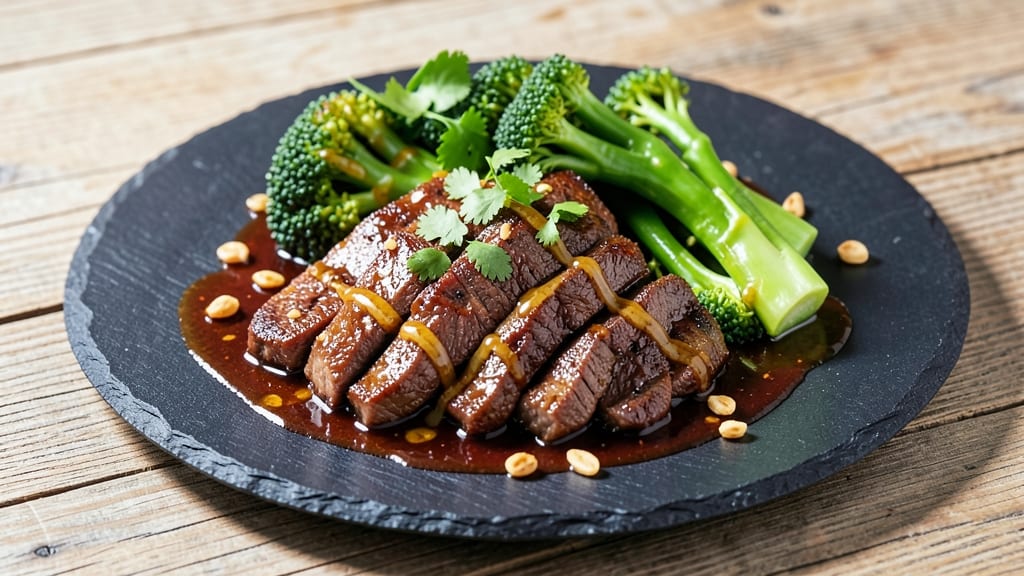
This beef and gai lan recipe delivers the perfect balance of wok-seared umami richness and silky stir-fry sauce, transforming simple ingredients into a restaurant-quality dish in under 30 minutes.
The secret lies in high-heat searing of beef strips followed by a velvety sauce that coats every bite, while gai lan's crisp-tender texture provides the ideal contrast. I've perfected this technique after countless wok tests, ensuring the beef stays juicy while developing a caramelized crust that's impossible to resist.
The foundation of this dish is a simple yet powerful sauce made with soy sauce, oyster sauce, and a touch of honey, creating that signature sticky-silky texture that Chinese stir-fries are famous for.
Garlic and ginger infuse the sauce with aromatic depth, while a splash of Shaoxing wine adds complexity that elevates the dish from ordinary to extraordinary. The gai lan, blanched just until vibrant green, retains its natural crunch while absorbing the sauce's flavors perfectly.
What you'll end up with is a plate of golden-brown beef strips with crisp edges, nestled alongside bright green gai lan that's tender yet still holds its shape. The sauce clings to every component, creating a harmonious blend of textures and flavors in each bite.
This dish is equally at home as a weeknight dinner or special occasion meal—its versatility makes it a staple in my rotation.
The beauty of this recipe is its adaptability. Serve it over steamed jasmine rice to soak up every last drop of sauce, or pair it with egg noodles for a heartier meal. For an extra kick, finish with crushed Sichuan peppercorns or a sprinkle of chili flakes.
The possibilities are endless, but the foundation remains the same: perfectly seared beef and silky gai lan in a sauce that's impossible to stop eating.
Ingredients for beef and gai lan
Restaurant-quality flavors start with these 15 simple yet powerful ingredients—perfectly balanced for wok-seared beef and silky gai lan.
| Ingredient | Amount | Notes |
|---|---|---|
| Flank Steak 🥩 | 1 lb | Thinly sliced against grain |
| Gai Lan (Chinese Broccoli) 🥬 | 1 lb | Stems trimmed, cut into 2-inch pieces |
| Light Soy Sauce 🥄 | 3 tbsp | Kikkoman preferred for balance |
| Oyster Sauce 🍲 | 2 tbsp | Lee Kum Kee brand recommended |
| Honey 🍯 | 1 tbsp | Pure, no additives |
| Shaoxing Wine 🍷 | 1 tbsp | Substitute dry sherry if unavailable |
| Garlic Cloves 🧄 | 4 cloves | Minced finely for aroma |
| Fresh Ginger 🌿 | 1 tbsp | Grated, no need to peel |
| Sesame Oil 🫒 | 1 tsp | Toasted for nutty flavor |
| Neutral Oil 🫐 | 2 tbsp | Peanut or vegetable oil |
| Jasmine Rice 🍚 | 1 cup | Uncooked, for serving |
| Sesame Seeds 🌰 | 1 tsp | Toasted for garnish |
| Green Onions 🧅 | 2 whole | Sliced thin for garnish |
| Cornstarch 🌾 | 1 tbsp | For tenderizing beef |
| Salt 🧂 | 1 tsp | Kosher salt for seasoning |
The beef is everything here. Flank steak delivers that signature wok-seared texture when sliced thin against the grain. Most grocery stores carry it pre-sliced, but if you're buying a whole cut, ask the butcher to slice it paper-thin. For gai lan, look for bright green stalks with firm leaves—avoid any with yellowing or wilted ends. I always grab mine from the Asian markets, where they keep it fresher than the regular produce section. The soy sauce and oyster sauce combo is non-negotiable—Kikkoman and Lee Kum Kee are the gold standards, though any quality brands work. Shaoxing wine adds depth, but dry sherry is a perfect substitute if you can't find it.
No Shaoxing wine? Dry white wine or even rice vinegar in a pinch will work, though the flavor profile shifts slightly. Fresh ginger and garlic are ideal, but jarred minced ginger is fine if you're short on time. The sesame oil is purely for aroma—use the toasted variety for that nutty punch. For the cornstarch, arrowroot powder works just as well if you're out. The gai lan stems are edible but tougher—trim them down to about 1 inch if you're feeling adventurous, or discard them entirely. Pro tip: Blanch the gai lan first in boiling water for 30 seconds before stir-frying to lock in that vibrant green color.
This dish reheats beautifully—best served the next day when flavors meld even more. Store leftovers in an airtight container in the fridge for up to 4 days, or freeze for 3 months if you're planning ahead. I always make a double batch because it disappears fast. For extra crispiness, reheat in a wok or skillet rather than the microwave. The sesame seeds and green onions are purely for garnish, so add them last—just before serving. And trust me, toasted sesame seeds make all the difference in that final presentation.
Why You'll Love This Recipe
- One-Pan Magic: I swear by this—just slice the steak, blanch the gai lan, toss everything in one pan with the soy and oyster sauce, and walk away. The honey caramelizes the edges while the broccoli stays crisp-tender. No chopping, no fuss, no extra dishes.
- Sweet-Savory Balance: That honey-soy glaze? It’s the star. The light soy gives it depth, the oyster sauce adds umami richness, and the honey cuts through the beef’s richness with just enough sweetness. My picky-eating husband actually licks his plate clean.
- Lunchbox Hero: Between us, this is my go-to for meal prep. Slice the cooled beef thin, pack it with steamed gai lan, and you’ve got a protein-packed lunch that tastes like a restaurant dish. (Yes, even on a Tuesday night.)
- Budget Powerhouse: Flank steak stretches far, and gai lan is cheaper than most greens. A single pound of beef feeds four, and the veggie’s tough stems make it budget-friendly without sacrificing flavor. My wallet and my family thank me every time.
Step-by-step instructions for wok-seared beef and gai lan
Here's how to achieve perfect wok-seared texture with tender beef and crisp gai lan every time.
Prep the Beef for Maximum Tenderization
Slice the 1 lb flank steak thinly against the grain into ¼-inch thick strips. Lay each strip flat on a cutting board and sprinkle evenly with the 1 tablespoon cornstarch and 1 teaspoon salt. Use your hands to gently coat both sides of the beef, pressing lightly to help the cornstarch adhere. This creates a protective barrier that keeps the beef tender and prevents it from drying out during the high-heat searing.
Let the coated beef rest for 15 minutes at room temperature while you prepare the remaining ingredients. This resting period ensures even cooking throughout each slice. I like to arrange the beef strips in a single layer on a plate and cover loosely with plastic wrap to prevent drying.
Build the Stir-Fry Sauce with Balanced Flavors
In a small bowl, whisk together the 3 tablespoons light soy sauce, 2 tablespoons oyster sauce, 1 tablespoon honey, 1 tablespoon Shaoxing wine, 1 tablespoon grated fresh ginger, and 4 cloves minced garlic. The sauce should be smooth with no visible graininess. Taste and adjust seasoning if needed—this is your flavor foundation.
Set the sauce aside while you prepare the vegetables. The ginger and garlic will infuse the sauce with aromatic depth, while the honey adds a subtle sweetness that balances the umami from the soy and oyster sauces. I always recommend using fresh ginger over powdered for that bright, zesty kick that makes this dish truly sing.
Cook the Gai Lan for Crisp-Tender Texture
Heat 1 tablespoon neutral oil in a wok or large skillet over high heat until shimmering. Add the 1 lb gai lan cut into 2-inch pieces and stir-fry for 2-3 minutes until the stems turn bright green and slightly blistered. Remove the gai lan and set aside—it should be crisp-tender with a slight crunch.
This quick cooking time is crucial—overcooking turns gai lan mushy. The high heat also helps develop that signature wok-hei (breath of the wok) flavor. Keep the heat high throughout this process to maintain the vegetable's natural crunch while ensuring the stems are tender enough to eat.
Wok-Sear the Beef to Perfection
In the same wok, add the remaining 1 tablespoon neutral oil and increase heat to maximum. Working in batches if needed, add the cornstarch-coated beef strips and sear for 30-45 seconds per batch until the edges turn golden brown and the beef releases easily from the pan. The cornstarch creates a beautiful crust while keeping the interior silky tender.
Don't overcrowd the pan—this drops the temperature and steams instead of sears. You want to see those edges develop a rich caramelization while the center remains juicy. If the beef releases too easily before browning, it needs another 10-15 seconds of cooking time.
Combine and Finish with Sesame Oil
Return the gai lan to the wok with the seared beef. Pour in the prepared sauce and toss everything together for 1-2 minutes until the beef is fully coated and heated through. The sauce should glaze the beef and vegetables evenly, creating that signature silky sheen.
Drizzle with 1 teaspoon toasted sesame oil and toss once more. Garnish with 1 teaspoon toasted sesame seeds and 2 whole green onions sliced thin. Serve immediately over 1 cup cooked jasmine rice while the beef is still sizzling hot.
Pro Tips For Making Beef And Gai Lan
- SEAR THE STEAK FIRST: Flank steak loves high heat—get that pan screaming hot before adding oil, then sear the beef in a single layer for 2-3 minutes per side. I used to rush this, and the meat turned out chewy instead of tender. A quick 30-second rest after searing keeps it from shrinking into a tough slab when you add the sauce.
- TRIM GAI LAN LIKE A PRO: Gai lan’s thick stems are tough—slice them lengthwise into ¼-inch strips, then trim the ends. The leaves? Leave them whole or cut into 2-inch pieces. I learned this the hard way: overcrowding the pan steams the stems instead of crisps them.
- SAUCE IN STAGES: Don’t dump all the sauce at once. Start with 1 tablespoon of light soy and oyster sauce, let it reduce by half, then add the honey and remaining sauce. This keeps the gai lan from turning mushy—it absorbs flavor gradually, not all at once.
- SALT THE STEAK TWICE: Season the flank steak generously before searing, then hit it again after adding the sauce. The first salt draws out moisture (which you’ll sear off), and the second locks in flavor as it cooks. Yes, it sounds redundant, but it makes a real difference when you’re dealing with lean meat.
Regional styles of these flavors
Cantonese Stir-Fry
The classic Cantonese approach focuses on quick, high-heat cooking to preserve the natural flavors of both beef and gai lan. This version uses less sauce (just 2 tbsp soy sauce and 1 tbsp oyster sauce) to let the ingredients shine.
I like to add 1 tsp Shaoxing wine and a pinch of white pepper for that signature Cantonese kick. The beef is seared until deeply browned, while the gai lan gets just a 1-minute blanch before the final stir-fry to maintain its vibrant green color.
Serve with steamed jasmine rice and a side of pickled vegetables for balance. 🌟
Sichuan Peppercorn Spice
For a fiery Sichuan twist, add ½ tsp Sichuan peppercorns (lightly toasted and crushed) to the wok before searing the beef. The peppercorns release their signature numbing heat when toasted, creating a complex flavor profile.
I also swap 1 tbsp of the soy sauce for chili bean paste to deepen the umami. The gai lan gets a quick toss with the beef and sauce, but I recommend adding 1 tsp chili oil at the end for extra heat.
Pair with sour rice noodles to soak up the bold flavors. 🔥
Hong Kong-Style Sweet & Tangy
This Hong Kong variation sweetens the sauce with 2 tbsp honey and adds a splash of 1 tbsp lime juice for tanginess. The beef is marinated for 15 minutes in a mix of 1 tbsp soy sauce, 1 tbsp Shaoxing wine, and ½ tsp five-spice powder before searing.
The gai lan is stir-fried separately with 1 tsp sesame oil and a pinch of sugar to caramelize the edges slightly. Serve over buttered rice with a side of steamed bok choy. 💛
Modern Fusion Twist
For a contemporary take, I blend the stir-fry sauce with 1 tbsp hoisin sauce and a dash of sriracha for a sweet-spicy kick. The beef is seared as usual, but the gai lan gets tossed with ½ cup shredded purple cabbage and 1 tbsp toasted peanuts for crunch.
Garnish with cilantro and lime wedges for brightness. This version works perfectly as a bowl meal with rice noodles or as a taco filling with tortillas. ✨
Taiwanese Braised Version
If you prefer a slower-cooked approach, try this Taiwanese-style braise. Sear the beef first, then simmer it in a 1 cup beef broth with 2 tbsp soy sauce, 1 tbsp Shaoxing wine, and 1 tsp rock sugar for 20 minutes.
Add the gai lan in the last 5 minutes, stirring gently to wilt it just enough. Serve over congee or steamed buns for a comforting twist. The sauce thickens beautifully, creating a rich, velvety coating on every bite. 💫
Nutrition facts
Frequently asked questions
What's the best cut of beef for this gai lan stir-fry?
Flank steak is ideal—it's lean, flavorful, and slices beautifully against the grain for that signature tender texture. If you can't find it, sirloin or ribeye work too, but avoid tougher cuts like chuck. Always slice ¼-inch thick strips for perfect doneness.
Can I substitute gai lan with regular broccoli?
While regular broccoli works in a pinch, gai lan's thinner stems and more tender leaves create a better texture contrast. If substituting, trim the broccoli stems more aggressively and blanch for 1 minute before stir-frying to prevent toughness. The flavor won't be identical, but it'll still taste delicious.
How do I prevent the beef from drying out?
Three key steps:
- Slice against the grain for shorter muscle fibers,
- Marinate briefly in cornstarch (it creates a moisture barrier), and
- Cook at high heat for 30-45 seconds max. Overcrowding the pan causes steaming instead of searing—work in batches for perfect results.
What if I don't have Shaoxing wine?
Dry sherry is the best substitute, but you can also use dry white wine or even rice vinegar in a 1:1 ratio. The flavor will be slightly different (more acidic with vinegar), but the dish will still taste amazing. Just reduce other liquids slightly to maintain balance.
Can I make this ahead of time?
Yes! This dish actually tastes better the next day as flavors meld. Store leftovers in an airtight container for up to 4 days. To reheat, warm in a skillet with a splash of water to restore moisture—never microwave. The sauce will thicken slightly, which is perfect for soaking up rice.