
Side Dishes
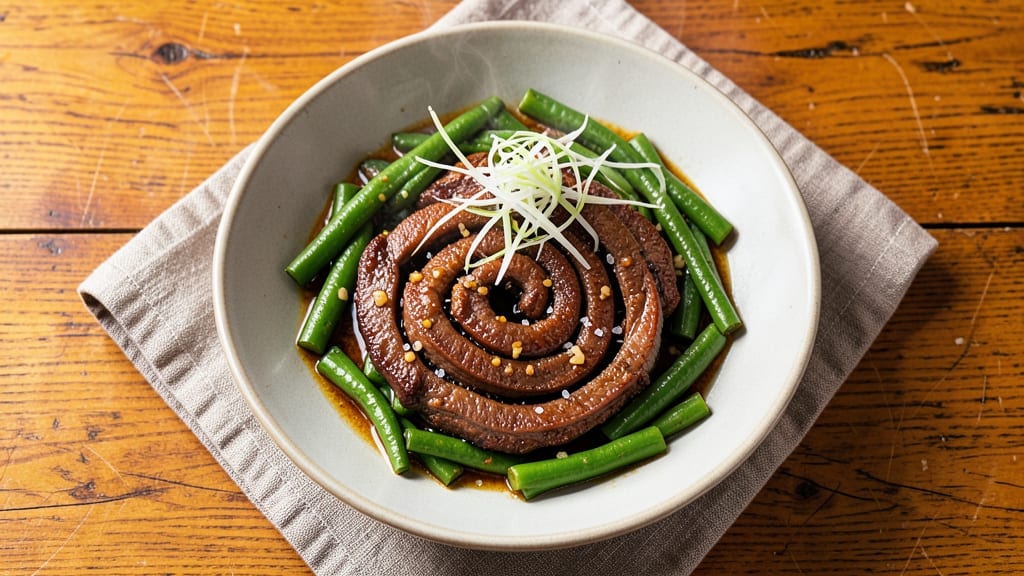
This Filipino beef and green beans dish transforms humble ingredients into a symphony of soy-ginger crunch and silky sweetness—a perfect balance of savory, tangy, and slightly sweet flavors.
The secret lies in stir-frying tender beef strips with crisp-tender green beans until they develop a caramelized edge, then finishing with a bright, aromatic sauce that clings to every bite.
I first tasted this dish at a family gathering in Manila, where it became an instant favorite for its ability to turn simple ingredients into something extraordinary.
The magic happens in the sauce—a blend of soy sauce, ginger, garlic, and a touch of sugar that creates depth without overpowering the natural flavors. Filipino cooking often relies on these simple yet powerful combinations, and this dish is no exception.
The beef cooks just until tender, while the green beans maintain their crisp bite, creating a satisfying contrast in every mouthful. This recipe delivers restaurant-quality results with minimal effort, making it ideal for weeknight dinners or special occasions.
What you’ll end up with is a dish that’s rich in flavor but light enough to serve as a side or even a main course. The aroma alone—warm soy, fresh ginger, and the faintest hint of garlic—will fill your kitchen and have everyone anticipating the first bite.
The sauce is sticky yet not overly sweet, with just enough tang to keep things interesting. Serve it over steamed rice to soak up every last drop of that delicious sauce, or pair it with garlic fried rice for a heartier meal.
This recipe is a celebration of Filipino home cooking, where bold flavors come together in harmony. The technique is straightforward, but the result is anything but basic—it’s the kind of dish that makes you feel like you’ve traveled to the Philippines without leaving your kitchen. Let’s get cooking!
Ingredients for beef and green beans filipino
Simple ingredients that pack a punch—Filipino flavors you’ll crave again and again.
| Ingredient | Amount | Notes |
|---|---|---|
| Flank Steak 🥩 | 1 lb | Thinly sliced against grain |
| Green Beans 🥬 | 1 ½ lbs | Trimmed, cut into 2-inch pieces |
| Fresh Ginger 🧄 | 2 tbsp | Grated, finely chopped |
| Garlic Cloves 🧄 | 6 cloves | Minced, aromatic |
| Soy Sauce 🥄 | ½ cup | Dark or light preferred |
| Brown Sugar 🍯 | 2 tbsp | Packed, for caramelization |
| Rice Vinegar 🍶 | 2 tbsp | White or seasoned |
| Sesame Oil 🫒 | 1 tbsp | Toasted, for aroma |
| Vegetable Oil 🫒 | 2 tbsp | High smoke point |
| Salt 🧂 | 1 ½ tsp | Kosher or sea salt |
| Black Pepper 🌶️ | ½ tsp | Freshly ground |
| Green Onions 🧅 | 3 whole | Sliced, for garnish |
| Toasted Sesame Seeds 🌾 | 1 tbsp | Optional, for crunch |
The beef is everything here. Flank steak is my go-to because it’s lean, affordable, and slices beautifully when cut against the grain. Asian markets usually carry it pre-sliced, but if you’re at a regular grocery store, grab a whole cut and ask the butcher to slice it thin. Green beans? Fresh is best, but frozen works in a pinch—just don’t thaw them first. For the ginger, buy a small knob (about 2 inches) and grate it fresh—pre-grated loses its zing fast. Garlic? Six cloves might sound like a lot, but trust me on the full amount—it’s the backbone of that bright, aromatic sauce.
No flank steak? Sirloin or ribeye work too, but slice them extra thin. Short on green beans? Substitute snap peas or broccoli florets—they hold up well to stir-frying. The soy sauce matters—Kikkoman or Lee Kum Kee are reliable, but anything with a bold, slightly sweet profile works. No rice vinegar? Apple cider vinegar or white vinegar will do, though it’ll be less nuanced. The brown sugar is key for that caramelized edge—don’t skip it, even if you’re watching sugar. And if you’re feeling fancy, toast your sesame seeds in a dry pan for 30 seconds before adding them—game-changer for crunch.
This dish tastes even better the next day, so make extra. Store leftovers in an airtight container in the fridge for 4-5 days, or freeze for 3 months in portions. The sauce thickens as it cools, so add a splash of water when reheating. For meal prep, portion the sauce separately—drizzle it over rice or noodles later for instant flavor. And if you’re serving it to guests? Garnish with sesame seeds and green onions right before eating—the contrast of fresh and toasted makes it look (and taste) restaurant-worthy.
Why You'll Love This Recipe
- One-Pan Magic: I swear by this—just sear the flank steak, toss in the green beans and ginger-garlic paste, and let it all caramelize together. No chopping, no fuss, no extra pots. That soy sauce ties it all into one sticky, savory hug.
- Ginger-Garlic Bomb: Honestly, the moment those garlic cloves hit the pan with fresh ginger? My kitchen smells like a Filipino comfort food dream. The green beans stay crisp while soaking up that aromatic punch, and the beef? It melts in your mouth with just the right chew.
- Lunchbox Hero: Between us, this is my go-to for packed lunches. The flavors only get better the next day—perfect for work or school. (Yes, even on a Tuesday night when I’m too tired to think.)
- Budget Stretch: Flank steak is affordable, green beans are cheap, and a little soy sauce goes a long way. I stretch this into three meals: one night fresh, one reheated, and one as a quick stir-fry the next day. No waste, all flavor.
Step-by-step instructions for soy-ginger beef and green beans
Transform simple ingredients into a restaurant-worthy Filipino dish with perfect balance and texture.
Prep Ingredients for Maximum Flavor
Start by slicing the 1 lb flank steak thinly against the grain into ¼-inch strips. This ensures tender bites that cook quickly and evenly. While you work, trim the 1.5 lbs green beans and cut them into 2-inch pieces—keeping them uniform helps them cook at the same rate.
Grate the 2 tbsp fresh ginger using a microplane or fine grater, then mince the 6 cloves garlic as finely as possible. The finer the texture, the more evenly the flavors will distribute throughout the dish. Slice the 3 whole green onions into ¼-inch rounds, separating the whites and greens for garnish later.
Marinate the Beef for Tender Results
In a large bowl, combine the sliced flank steak with 0.5 cup soy sauce, 2 tbsp brown sugar, 2 tbsp rice vinegar, 1 tbsp sesame oil, 1.5 tsp salt, and 0.5 tsp black pepper. Mix well to coat the beef completely—this marinade will tenderize the meat and infuse it with flavor. Let it sit for at least 15 minutes (up to 30 minutes for deeper flavor), stirring once halfway through.
Here's the thing—don't skip the marinating. The acidity from the rice vinegar and the salt in the soy sauce break down the meat fibers, ensuring each bite is silky rather than chewy. If you're short on time, even 10 minutes makes a difference.
Sear the Beef for Deep Flavor
Heat 2 tbsp vegetable oil in a large skillet over medium-high heat until shimmering. Add the marinated beef in a single layer, spreading it out so it doesn't steam. Cook undisturbed for 2-3 minutes until the edges turn deep golden brown—this creates that beautiful caramelized crust we're after.
Once the beef is browned on one side, flip it all at once and cook for another 2-3 minutes. The beef should be 80% cooked at this point but still slightly pink in the center—it'll finish cooking when combined with the green beans. Transfer the beef to a plate and set aside.
Cook the Green Beans with Aromatics
In the same skillet (no need to clean it—the fond adds flavor), add the 2 tbsp vegetable oil if needed and increase the heat to medium-high. Add the 2 tbsp grated ginger and 6 cloves minced garlic, cooking for 30 seconds until fragrant.
Add the 1.5 lbs green beans and stir to coat in the oil and aromatics. Cook for 4-5 minutes, stirring occasionally, until the green beans are bright green and slightly blistered but still crisp. The key here is to avoid overcooking—they should retain their crunch. Season with an extra pinch of salt if needed.
Combine and Finish with Perfect Balance
Return the beef to the skillet and stir everything together. Add 1 tbsp toasted sesame seeds and cook for 1-2 minutes until the beef is fully heated through and the flavors meld. Taste and adjust seasoning—you might need a splash more soy sauce or a pinch of salt to balance the sweetness and acidity.
Remove from heat and garnish with the sliced green onions. Serve immediately over steamed rice to soak up every last bit of that soy-ginger sauce. The contrast of tender beef, crisp green beans, and silky sauce makes this dish unforgettable.
Pro Tips For Making Beef And Green Beans Filipino
- SEAR THE STEAK FIRST: High heat for 2-3 minutes per side—don’t rush this. I used to skip it, thinking the soy sauce would add flavor, but a proper crust locks in the juices and makes the beef sing when everything simmers together.
- SLICE GINGER THINLY: Use a mandoline or sharp knife—no bigger than 1/8-inch slices. Thick chunks turn to mush; thin slices melt into the sauce without overpowering the green beans or beef.
- DON’T OVERCOOK THE BEANS: Add them to the pan after the beef starts cooking, and keep the heat medium-high. They’ll blister in 3-4 minutes—any longer, and they’ll turn rubbery. Toss them in the last 5 minutes of cooking to crisp the edges.
- USE LESS SOY SAUCE: Start with 2 tablespoons, not the full ¼ cup most recipes call for. You can always add more later, but you can’t undo salted beef. Taste as you go—Filipino dishes balance soy with acid (like vinegar or tomatoes), so don’t drown it.
Troubleshooting your beef and green beans filipino
Beef Too Tough
If your beef turns out chewy rather than tender, it likely didn’t marinate long enough or wasn’t sliced thinly enough. Always slice flank steak against the grain into ¼-inch strips—this is non-negotiable for tenderness.
For extra insurance, let the marinade work for the full 30 minutes (or even overnight in the fridge). If you’re in a rush, a 10-minute marinade helps, but don’t skip it entirely. 💡
Green Beans Overcooked
Mushy green beans are a common mistake—these veggies should stay crisp-tender, not soft. Cook them for only 4-5 minutes over medium-high heat, stirring constantly. If your skillet isn’t hot enough, the beans will steam instead of sear.
A quick test: Slice one bean in half—if the center is still bright green, they’re perfect. If you overcook them, toss them back in the pan with a splash of rice vinegar and 1 tsp soy sauce to revive their flavor.
Sauce Too Sweet or Salty
The balance of flavors in the sauce is delicate—too much sugar makes it cloying, while excess salt overpowers the dish. Start by tasting the sauce before combining it with the beef. If it’s too sweet, add ½ tsp rice vinegar to cut through.
If it’s too salty, dilute with 1 tbsp water and adjust with a pinch of brown sugar. Remember, you can always add more sauce later, but you can’t take it away once it’s in there.
Beef Not Cooked Through
If your beef feels raw in the center, it likely didn’t finish cooking when combined with the green beans. The stir-fry method relies on residual heat, but beef needs to reach 160°F internal temperature for safety.
To fix this, either sear the beef longer (up to 4 minutes per side) or finish it in a 350°F oven for 3-5 minutes after combining with the green beans. A meat thermometer is your best friend here—no guessing!
Skillet Not Hot Enough
A cold skillet leads to steamed (not seared) beef and soggy green beans. Always heat your skillet over medium-high heat until a drop of water sizzles instantly. If your pan isn’t hot enough, the beef will release moisture and steam instead of developing that golden-brown crust.
For extra control, use a cast-iron skillet—it retains heat better than nonstick and gives you that perfect sear. 🔥
Sauce Too Thin or Too Thick
The sauce should coat the back of a spoon but not be gluey. If it’s too thin, simmer it uncovered for 1-2 minutes to reduce. If it’s too thick, add 1 tsp water or rice vinegar at a time until it reaches the right consistency.
Pro tip: If you’re making this ahead, the sauce will thicken as it cools—just add a splash of water when reheating. The goal is a silky, clingy sauce that enhances, not overpowers, the beef and green beans.
Nutrition facts
Frequently asked questions
Can I use frozen green beans instead of fresh?
Yes, but with one key adjustment: do not thaw them first. Simply add frozen green beans directly to the hot skillet with the fresh ones. They’ll cook slightly faster, so watch them closely and remove them as soon as they’re bright green and crisp (about 3-4 minutes). The texture difference is minimal if cooked properly.
What’s the best cut of beef for this recipe?
Flank steak is ideal because it’s lean, affordable, and slices beautifully when cut against the grain. Other good options include sirloin or ribeye, but slice them extra thin (⅛-inch) for tenderness. Avoid tougher cuts like chuck—they won’t become tender enough in this quick-cooking method.
How do I make this dish spicier?
Add ½ tsp siling labuyo (Filipino chili) or ¼ tsp cayenne pepper to the marinade, and another ¼ tsp when combining everything at the end. For heat control, toast the chili seeds first to mellow the flavor slightly. If you prefer a smoky kick, add ½ tsp smoked paprika to the sauce.
Can I prepare this ahead of time?
Store the cooked beef and green beans separately in an airtight container for up to 4 days. Reheat in a skillet over medium heat with a splash of water or rice vinegar to revive the sauce. For the sauce alone, it keeps for 5 days in the fridge—just reheat and toss with the beef and beans when ready to serve.
What’s the secret to balancing the soy-ginger flavors?
The magic is in the three-part harmony: sweetness (brown sugar), acidity (rice vinegar), and umami (soy sauce). Taste the sauce before combining with the beef—if it’s too sweet, add ½ tsp vinegar; if too salty, dilute with 1 tsp water. The ginger and garlic should shine through without overpowering.