
Side Dishes
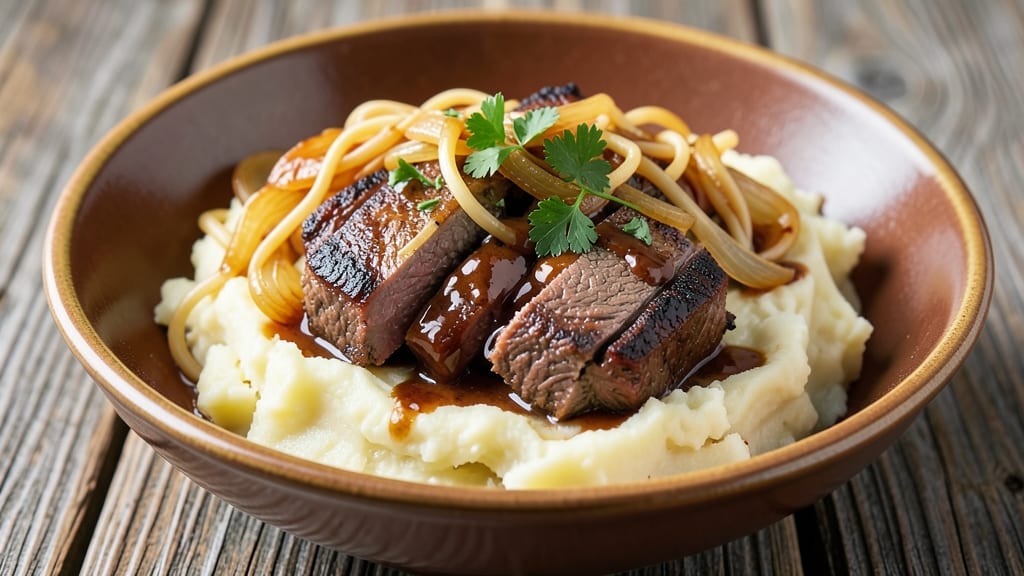
This beef and noodles over mashed potatoes recipe delivers a comforting, hearty one-pan dinner that transforms simple ingredients into a restaurant-worthy meal. The secret lies in perfectly seared beef bites that stay tender, chewy noodles with just the right bite, and velvety mashed potatoes that serve as the ideal base.
I developed this recipe during a particularly chilly evening when I needed a dish that felt indulgent yet required minimal effort—no takeout containers or complicated techniques required.
The magic happens when you braise the beef until fork-tender while the noodles cook in the same pot, absorbing all the rich flavors. A simple garlic-infused mashed potato base provides the creamy foundation that makes this dish feel extra special.
What sets this apart is how the textures and flavors work together: crispy beef edges, al dente noodles, and smooth potatoes create every bite into a satisfying experience.
By the time you serve this dish, you'll have a foolproof one-pan meal that's perfect for family dinners or cozy weeknights. The beef remains juicy and flavorful, the noodles hold their shape without being mushy, and the mashed potatoes provide that comforting, creamy contrast.
It's the kind of meal that feels like a hug on a plate—warm, satisfying, and impossible to resist.
This recipe scales beautifully for leftovers, making it ideal for meal prep. The flavors only deepen as the dish sits, and the components reheat perfectly. Garnish with fresh green onions or a sprinkle of sesame seeds for added freshness and visual appeal.
Let's get started on this comforting classic that's sure to become a staple in your rotation.
Ingredients for beef and noodles over mashed potatoes
Simple ingredients that deliver restaurant-quality comfort in one pan—no shortcuts needed.
| Ingredient | Amount | Notes |
|---|---|---|
| Chuck Roast 🥩 | 1 ½ lb | Pre-cubed for even cooking |
| Egg Noodles 🍝 | 12 oz | Medium width, uncooked |
| Russet Potatoes 🥔 | 2 lb | Yukon Gold or similar |
| Yellow Onion 🧅 | 1 whole | Diced, medium size |
| Garlic Cloves 🧄 | 6 cloves | Minced, fresh preferred |
| Beef Broth 💧 | 2 cups | Low-sodium preferred |
| Tomato Paste 🍅 | ½ cup | Smooth, no sugar added |
| Dry Red Wine 🍷 | ½ cup | Bold variety like Cabernet |
| Unsalted Butter 🧈 | 4 tbsp | Cold, cut into pieces |
| Heavy Cream 🥛 | ½ cup | Full-fat for richness |
| Fresh Thyme 🌿 | ¼ cup | Leaves only, chopped |
| Ground Black Pepper 🌶️ | 1 ½ tsp | Freshly cracked preferred |
| Kosher Salt 🧂 | 1 ½ tsp | Diamond Crystal preferred |
| Fresh Green Onions 🌱 | ¼ cup | Sliced, for garnish |
The chuck roast is where this dish shines. Costco or Whole Foods have great pre-cubed options, but if you're cutting your own, look for pieces with good marbling—they stay juicier. Egg noodles are non-negotiable here; Barilla or De Cecco are my go-tos for that perfect al dente bite. The potatoes should be waxy (Yukon Gold) for creamy mash, not starchy (Russet) which gets gluey. Fresh thyme is ideal, but dried works at one-third the amount if you're in a pinch—just make sure it's labeled 'culinary' not 'ornamental'.
No red wine? Beef broth with a splash of balsamic vinegar works perfectly—just add an extra tablespoon of tomato paste for depth. The tomato paste can be the squeeze-tube kind from Trader Joe's if you hate measuring; it keeps for months and cuts down on waste. For the mashed potatoes, butter and cream ratio matters—skip the milk, it makes them watery. If you're prepping ahead, cook the beef and noodles separately, then reheat them together in the sauce. The potatoes can be mashed and reheated with extra butter if needed.
This dish tastes even better the next day—3-4 days in the fridge, no problem. For leftovers, store components separately: beef/nodles in one container, mashed potatoes in another. Reheat the beef and noodles in the sauce over medium heat, then stir in the potatoes at the end to keep them creamy. Freezes beautifully for up to 3 months—just thaw overnight in the fridge. Garnish with green onions right before serving, or save them for topping individual portions.
Why You'll Love This Recipe
- One-Pot Magic: I swear by this for lazy nights—the chuck roast slows down in the same pot where the onions caramelize, then the noodles and potatoes soak up all that rich beefy broth. Minimal cleanup, maximum flavor.
- Creamy Crispy Contrast: That buttery egg noodle pile over velvety mashed potatoes? It’s the best of both worlds—soft, starchy comfort with a crispy edge from the seared onions and garlic. Honestly, I’ll take this over any fancy pasta dish.
- Leftovers That Beg for More: Between us, this recipe actually improves the next day. The flavors meld even better, and reheating turns the potatoes into a dreamy mash while the beef stays tender. Packs lunches for days—no sad desk meals here.
- Budget-Friendly Feast: Chuck roast stretches to feed four (or five if you’re generous), and russet potatoes are the cheapest carb around. I’ve made this on grocery-store garlic and basic spices, and it’s still dangerously addictive.
Step-by-step instructions for beef and noodles over mashed potatoes
This hearty one-pan dinner comes together with rich beef flavors and velvety mashed potatoes.
Sear the Chuck Roast for Maximum Flavor
Heat a large Dutch oven over medium-high heat until hot. Add the 1.5 lb chuck roast in a single layer and sear undisturbed for 3-4 minutes per side until deeply browned. This step develops the Maillard reaction, creating that irresistible crust and deep flavor.
Once browned, remove the beef and set aside on a plate. You'll notice the meat releases easily when properly seared. If any pieces stick, don't force them—just let them cook a bit longer. The beef will finish cooking later, but this initial sear builds the foundation for your dish.
Build the Rich Beef Sauce Base
In the same Dutch oven, add the 4 tbsp unsalted butter and let it melt completely over medium heat. Add the diced yellow onion and cook for 5 minutes until softened and translucent. Stir in the 6 cloves minced garlic and cook for another 30 seconds until fragrant.
Pour in the 0.5 cup dry red wine and scrape up any browned bits from the bottom of the pan. This deglazing step captures all the flavor you've built. Let the wine simmer for 2-3 minutes until reduced by half. Add the 0.5 cup tomato paste and stir to combine, creating a thick, flavorful base for your sauce.
Simmer the Beef and Add Noodles
Return the seared beef to the Dutch oven. Add the 2 cups beef broth and bring to a gentle simmer. Cover and cook for 1 hour on low heat, stirring occasionally, until the beef is tender and easily shreds with a fork. This slow cooking ensures the meat becomes fork-tender while staying moist.
While the beef simmers, add the 12 oz egg noodles to the pot. Stir gently to coat them in the sauce and simmer uncovered for an additional 10-12 minutes until the noodles are al dente. You want them tender but still with a slight bite. The noodles will continue cooking slightly as they absorb the remaining sauce.
Prepare the Creamy Mashed Potatoes
While the beef and noodles cook, peel and chop the 2 lb russet potatoes into even chunks. Place them in a large pot of salted water and bring to a boil. Cook for 15-20 minutes until fork-tender. Drain well and return to the pot.
Add the 4 tbsp unsalted butter and 0.5 cup heavy cream to the potatoes. Mash until smooth and creamy, adding more cream if needed for your preferred consistency. Season with 1.5 tsp kosher salt and 1.5 tsp ground black pepper. The potatoes should be light and fluffy, with just enough cream to create a velvety texture.
Combine and Finish with Fresh Herbs
Transfer the beef and noodles to a serving platter. Spoon the creamy mashed potatoes underneath, creating a beautiful presentation with the beef and noodles on top. Ladle any remaining sauce from the Dutch oven over the top to ensure everything is well-coated.
Sprinkle with the 0.25 cup chopped fresh thyme and 0.25 cup sliced fresh green onions for a pop of color and freshness. Serve immediately while the beef is still tender and the noodles are warm. This dish tastes even better the next day as the flavors meld together, but it's best enjoyed fresh from the oven.
Pro Tips For Making Beef And Noodles Over Mashed Potatoes
- SEAR THE CHUCK ROAST: After burning three batches of beef, I finally learned—high heat is non-negotiable. Get that chuck roast screaming hot in a dry skillet for 3-4 minutes per side until it’s deep brown, not just pink. The crust locks in flavor and makes the whole dish taste like it simmered all day (even if it didn’t).
- PEEL AND CUBE POTATOES UNIFORMLY: Russets cook unevenly if they’re lumpy. Cut them into 1.5-inch cubes—no smaller, no larger—and soak them in cold water for 10 minutes first to rinse off excess starch. Your mash will be silky, not gluey, and the cubes will absorb the beef broth like a dream.
- DON’T BOIL THE NOODLES TO MUSH: Egg noodles turn to paste if you overcook them. Test for doneness 2 minutes early—they’ll finish cooking in the hot beef sauce. Undercooked noodles taste bland; mushy ones are a crime. A quick stir-fry in the pan with the beef at the end plumps them up perfectly.
- SAVE THE BEEF BROTH: Strain the beef juices after shredding the roast and set them aside. Mix ½ cup of that golden liquid into your mashed potatoes—it cuts the richness and adds depth. (Yes, even if you’re using butter and milk.) The flavor difference is the thing that matters most.
Essential equipment for perfect results
Dutch Oven Essentials
The Dutch oven is your secret weapon for this recipe—it sears, braises, and simmers all in one pot. I recommend a 5-6 quart enameled cast iron like the Lodge 5.5-Quart or Le Creuset Stoneware for even heat distribution and durability.
The deep sides prevent spills when adding noodles, and the heavy base maintains steady temperatures. If you don’t own one, a heavy-bottomed stainless steel pot with a tight-fitting lid works in a pinch. Just avoid nonstick—it can’t handle the high heat needed for searing. 🔥
Measuring Tools
Precision matters when balancing flavors. A stainless steel measuring cup set (like OXO Good Grips) ensures accurate liquid measurements for broth, wine, and cream. For dry ingredients, I use a scale for the beef and potatoes—1.5 lb and 2 lb respectively—to guarantee consistency.
A microplane for garlic and sharp chef’s knife (I love Mercer Culinary Genesis) make prep faster. Don’t skimp on the garlic mincer either—freshly minced cloves add depth that jarred garlic can’t match. 🧄
Potato Tools
Peeling and mashing potatoes smoothly requires the right tools. A Y-peeler (like OXO Good Grips) removes skins efficiently, and a potato ricer (not a masher!) creates ultra-smooth mash without lumps.
If you’re short on time, a handheld immersion blender works for the potatoes, but I prefer the ricer for that restaurant-quality texture. For storage, glass Pyrex bowls keep leftovers fresh longer than plastic. 🥔
Thermometer for Beef
A meat thermometer is non-negotiable for perfect beef. I use the ThermoWorks Smoke to monitor internal temps—160°F for medium-rare chuck roast. The probe stays in the thickest piece while it braises, ensuring tender results every time.
If you’re new to thermometers, the Taylor Precision Digital is budget-friendly but just as accurate. Pro tip: Let the beef rest 10 minutes after reaching temp—juices redistribute for a juicier bite. 🌡️
Garnish Essentials
Fresh herbs and aromatics elevate the dish. A pair of kitchen shears makes quick work of green onions, and a small sharp knife trims thyme stems cleanly. For extra flair, keep toasted sesame seeds or crushed black pepper on hand—just ½ tsp adds a sophisticated touch.
A fine-mesh strainer helps drain noodles perfectly if you rinse them post-cooking (optional for texture). 🌱
Storage Containers
Leftovers deserve proper storage. Glass airtight containers (like Rubbermaid Brilliance) keep components separate—beef/nodles in one, potatoes in another—to prevent sogginess. For freezing, quart-sized silicone bags save space and thaw faster than rigid containers.
Label with dates to track freshness—this dish stays delicious for 3-4 days refrigerated or 3 months frozen. ❄️
Nutrition facts
Frequently asked questions
Can I make this dish ahead of time?
This recipe actually tastes even better when prepped in advance! Cook the beef and noodles separately, then store them together in the sauce for up to 3-4 days in the fridge. Reheat gently on the stove with a splash of broth to revive the flavors. The mashed potatoes can be made a day ahead too—just reheat with extra butter to restore creaminess before serving.
What if I don't have red wine?
No problem! Replace the 0.5 cup red wine with 0.5 cup beef broth plus 1 tablespoon balsamic vinegar for depth. For extra richness, add ½ teaspoon Worcestershire sauce—it mimics the umami complexity of wine. The tomato paste will still provide the necessary acidity to balance the dish.
How do I prevent the mashed potatoes from getting watery?
Use only heavy cream (no milk) and cold butter for the potatoes—they create a stable emulsion. Drain the potatoes completely after boiling, and mash them while still hot but not boiling. For extra insurance, press the potatoes through a potato ricer instead of mashing with a fork. If they seem too thick, add just 1 tablespoon cream at a time.
Can I use a different type of beef?
Chuck roast is ideal for its fat content and flavor, but you can substitute with brisket or stew meat. Avoid lean cuts like sirloin—they'll dry out during the long braising. If using pre-cut beef stew meat, sear it first to build flavor, then proceed with the recipe. For extra tenderness, add 1 teaspoon cornstarch mixed with 2 tablespoons water to the sauce at the end.
How should I plate this dish for the best presentation?
Start with a generous scoop of mashed potatoes on each plate to create a stable base. Arrange the beef and noodles artfully on top—some piled high, others cascading over the edges for visual interest. Drizzle any remaining sauce from the pot over the top, then finish with a sprinkle of green onions and fresh thyme. For an elegant touch, add a few toasted sesame seeds or a crack of black pepper.