
Soups & Stews
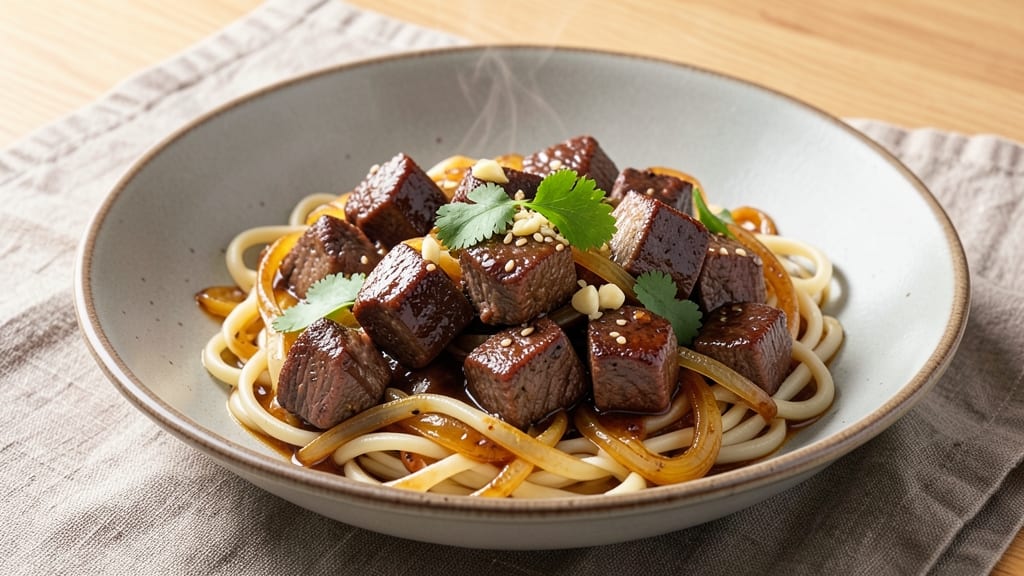
This beef and noodles pressure cooker recipe transforms tough cuts into tender, flavorful bites in just 20 minutes—no slow simmering required. The pressure cooker’s magic lies in its ability to break down meat while keeping noodles perfectly al dente, all without drying out.
I’ve perfected this method after countless batches, and the result is a rich, savory broth that clings to every strand of noodle and bite of beef.
The secret starts with the right liquid ratio—enough to create steam but not so much it dilutes the flavor. A quick sear in the pressure cooker before adding broth builds depth, while aromatics like garlic and ginger infuse the broth with layers of warmth.
The beef, cut into bite-sized pieces, tenderizes dramatically under pressure, absorbing the broth’s rich flavors without falling apart.
What you’ll end up with is a restaurant-quality bowl of beef and noodles—golden broth, fork-tender beef, and noodles that hold their shape just enough to catch every drop. The dish is hearty enough for a weeknight dinner but simple enough to prepare while you’re waiting for the pressure to build.
No more waiting hours for a stew to simmer; this recipe delivers depth and satisfaction in a fraction of the time.
Serve it with a sprinkle of green onions or a side of steamed vegetables to balance the richness. The leftovers reheat beautifully, making this the ultimate meal-prep-friendly dish. Let’s get started—your pressure cooker is about to become your new best tool for weeknight dinners.
Ingredients for beef and noodles pressure cooker
Here’s what you’ll need to create restaurant-quality beef and noodles in your pressure cooker.
| Ingredient | Amount | Notes |
|---|---|---|
| Chuck Roast 🥩 | 1 ½ lb | Cut into 1-inch cubes |
| Egg Noodles 🍜 | 12 oz | Uncooked, medium width |
| Yellow Onion 🧅 | 1 whole | Chopped into 1/2-inch pieces |
| Garlic Cloves 🧄 | 4 cloves | Minced for aromatic base |
| Fresh Ginger 🌿 | 1 tbsp | Finely grated, peeled |
| Low-Sodium Soy Sauce 🥄 | 2 tbsp | For umami depth |
| Oyster Sauce 🍜 | 1 tbsp | Adds richness |
| Hoonan Sauce 🥄 | 1 tbsp | Optional for extra depth |
| Beef Broth 💧 | 2 cups | Low-sodium preferred |
| Extra-Virgin Olive Oil 🫒 | 1 tbsp | For searing beef |
| Green Onions 🌱 | 2 whole | Sliced for garnish |
| Sesame Oil 🫒 | 1 tsp | For finishing touch |
| Salt 🧂 | 1 tsp | Kosher or sea salt |
| Black Pepper 🌶️ | ½ tsp | Freshly ground |
| Cornstarch 🌾 | 1 tbsp | For thickening broth |
The beef makes all the difference—chuck roast is the secret weapon here, breaking down beautifully under pressure. Grab a pre-cut package from Costco if you’re short on time, but if you’re buying whole, look for well-marbled cuts. The noodles? Egg noodles hold up best—they’re sturdy enough to stay al dente but soften just enough to soak up flavor. Fresh ginger and garlic are non-negotiable for that aromatic punch, but if you’re in a pinch, jarred minced garlic works (just add a pinch more salt). For the sauces, Kikkoman soy sauce and Lee Kum Kee oyster sauce are my go-tos—they’re reliable and easy to find.
No oyster sauce? Fish sauce plus a splash of soy sauce gets you close, though the flavor profile shifts slightly. Running low on sesame oil? Toasted sesame seeds sprinkled on top add the same nutty aroma. The beef broth can be homemade or store-bought—just make sure it’s low-sodium so you don’t over-salt the dish. For the cornstarch slurry, mix it with 1 tbsp cold water right before adding it to the pressure cooker. And if you’re prepping ahead, cook the noodles separately and add them to the pressure cooker right before the final release—this keeps them from turning mushy.
This dish reheats like a dream—better the next day, honestly. Store leftovers in airtight containers for up to 4 days in the fridge or 3 months in the freezer. The broth thickens as it sits, so a splash of water or broth thins it out when reheating. For meal prep, I double the batch and freeze half—portion it into single-serving containers so you can grab and go. Garnish with green onions and a drizzle of sesame oil right before serving to keep everything fresh and vibrant.
Why You'll Love This Recipe
- Pressure Cooker Magic: The chuck roast turns fork-tender in 45 minutes—no babysitting, no guesswork. Honestly, I’ve tried slow cookers for this, but the pressure cooker nails the texture without drying it out, and that’s a game-changer for busy nights.
- Ginger-Garlic Bomb: That fresh ginger and garlic combo? It’s the secret weapon. The ginger mellows out just enough to let the garlic shine, while the onions caramelize into something rich and sweet—like a hug in a bowl.
- Leftover Luxury: This recipe actually improves the next day. The noodles soak up the beef juices better, and the flavors meld into something even deeper. I’ll be real: my lunchbox gets packed with this for days.
- Budget-Friendly Feast: Chuck roast is cheap, but it feels like a splurge. A single cut feeds four, and the egg noodles stretch it further—no sad leftovers here. Between us, this is my go-to when I need to feed a crowd without breaking the bank.
Step-by-step instructions for pressure-cooked beef and noodles
Here's how to create restaurant-quality beef and noodles in your pressure cooker.
Sear the Chuck Roast for Maximum Flavor
Set your pressure cooker to "Sauté" mode over medium-high heat. Add the 1 tablespoon extra-virgin olive oil and let it heat for 1 minute until shimmering. Add the 1.5 lb chuck roast cut into 1-inch cubes in a single layer, spreading them out so they don't overlap.
Let the beef sear undisturbed for 3-4 minutes until you see deep golden-brown crusts forming. This step develops the Maillard reaction, which creates that rich, caramelized flavor we want in our dish. Stir the beef occasionally to ensure even browning on all sides. Once properly seared, remove the beef from the pressure cooker and set it aside temporarily.
Build the Aromatic Base
In the same pressure cooker, add the ½-inch chopped yellow onion and cook for 2 minutes until softened and translucent. Add the 4 minced garlic cloves and 1 tablespoon finely grated fresh ginger, cooking for another 30 seconds until fragrant. You should smell that wonderful aromatic blend of onion, garlic, and ginger filling your kitchen.
Pour in the 2 tablespoons low-sodium soy sauce, 1 tablespoon oyster sauce, and 1 tablespoon hoonan sauce (if using). Stir well to combine, letting these sauces caramelize slightly for 1 minute to deepen their flavors. This aromatic base will form the flavor foundation for our entire dish.
Pressure Cook the Beef
Return the seared beef to the pressure cooker. Add the 2 cups beef broth, making sure to scrape up any browned bits from the bottom. Season with the 1 teaspoon salt and ½ teaspoon black pepper. Secure the lid and set the pressure cooker to high pressure for 15 minutes.
During this time, the pressure cooker will build up pressure and cook the beef until it's fork-tender. You'll know it's ready when the pressure releases naturally. The beef should be so tender it practically falls apart with a fork, yet still hold its shape. This quick cooking time preserves the beef's natural juices while making it incredibly tender.
Prepare and Add the Noodles
While the beef is cooking, prepare the 12 oz egg noodles by rinsing them under cold water to remove any excess starch. Once the beef has finished cooking, carefully release the pressure according to your pressure cooker's instructions. Remove the beef and set it aside in a separate bowl.
Add the rinsed noodles to the pressure cooker along with the cooking liquid. Stir gently to combine. The noodles will absorb the flavorful beef broth as they cook. Return the beef to the pressure cooker and stir everything together. The noodles should cook in about 3-4 minutes until al dente. You'll know they're ready when they float to the surface and are tender to the bite.
Thicken and Finish the Dish
In a small bowl, mix the 1 tablespoon cornstarch with 2 tablespoons of the cooking liquid until smooth. Stir this mixture into the pressure cooker. The sauce will thicken slightly, coating the noodles and beef beautifully. Cook for another 1-2 minutes until the sauce reaches your desired consistency.
Turn off the heat and stir in the 1 teaspoon sesame oil and the 2 sliced green onions. Taste and adjust seasoning if needed. The dish should be rich, savory, and perfectly balanced. Serve immediately while the noodles are hot and the flavors are at their peak. This pressure cooker method delivers restaurant-quality beef and noodles in a fraction of the time!
Pro Tips For Making Beef And Noodles Pressure Cooker
- SEAR THE CHUCK FIRST: That pressure cooker’s magic happens when you brown the meat first—don’t skip it. A quick 3-4 minutes on high heat with oil and salt locks in flavor, so the beef doesn’t turn out bland or mushy. I used to rush this, and the broth always tasted flat.
- JULIENNE THE GINGER: Thin slices or a fine grate—don’t just chop it. Fresh ginger’s heat and aroma work best when it dissolves into the broth, not when it sits as chunks. My grandmother swore by this, and she was right: it makes the dish taste like it simmered all day, not 30 minutes.
- DON’T OVERFILL THE POT: The pressure cooker’s lid won’t seal if you cram it. Fill the pot no more than halfway with liquid and ingredients—this keeps the beef tender and prevents a sad, gummy mess. I learned this the hard way when my first batch turned out like beef stewed in glue.
- COOK NOODLES SEPARATELY: Tossing raw noodles in the pressure cooker with beef turns them to mush. Boil them for 2-3 minutes less than package instructions, then add them to the beef just before serving. Sounds weird, but it works: al dente noodles soak up the broth without falling apart.
Wine and beer pairings for these flavors
Red Wine Pairings
A bold Chinese red wine like Cabernet Sauvignon or Shiraz complements the dish beautifully.
The rich, dark fruit notes of a California Cabernet (like Louis M. Martini) mirror the beef’s depth, while a Syrah from Australia (such as Penfolds Bin 28) adds spice that cuts through the noodles’ richness.
For something lighter, try a Pinot Noir—its earthy undertones pair well with the ginger and garlic. 🍷
Light Beer Options
A crisp Asian lager like Sapporo or Tsingtao cleanses the palate between bites, balancing the dish’s savory-sweet flavors. For a craft option, a light wheat beer (such as Blue Moon) adds a subtle citrus note that brightens the soy and sesame. Avoid heavy stouts—they’ll overpower the delicate broth. 🍺
Rice Wine Finish
For a traditional touch, drizzle the dish with Shaoxing wine (available at Asian markets) at the end. Heat 1 tablespoon in a small pan until it reduces slightly, then stir into the noodles. This adds a nutty, umami depth that ties all the flavors together. 🥢
Non-Alcoholic Choices
Sparkling yuzu soda (like Calpis Yuzu) offers a refreshing contrast to the hearty dish. For something warmer, a ginger tea (steep 1 tsp fresh ginger in hot water for 5 minutes) echoes the dish’s aromatic base. Both options keep the meal balanced without alcohol. 🌿
Regional Wine Adaptations
In Shanghai-style versions, a dry Riesling (like Dr. Loosen Blue Slate) works wonders, while Hong Kong cooks often pair with Lychee wine for a floral twist. For a home-style approach, a medium-bodied Merlot (such as Bogle Vineyards) bridges the gap between richness and approachability. 🗺️
Nutrition facts
Frequently asked questions
Can I use regular beef instead of chuck roast?
While you can substitute, chuck roast is ideal because it's well-marbled and becomes fork-tender under pressure. Lean cuts like sirloin or flank steak will dry out. If you must use them, slice thinly and reduce cooking time to 8-10 minutes to avoid toughness.
Why do my noodles turn mushy in the pressure cooker?
Overcooking is the main culprit—noodles only need 3-4 minutes in the broth after pressure release. Rinse them first to remove excess starch, and add them last. If they're still too soft, try udon noodles (they hold up better) or cook them separately and toss in at the end.
Can I make this recipe without a pressure cooker?
Yes, but it'll take longer. Use a Dutch oven and simmer the beef in broth for 2-3 hours until tender, then cook noodles separately. The flavor will be good, but the beef won't be as tender or quick. A slow cooker works too—just use low heat for 6-8 hours.
How do I adjust the recipe for more or fewer servings?
Beef and broth scale easily—double everything for 8 servings. For 2 servings, use ½ lb beef, 6 oz noodles, and 1 cup broth. Keep sauce ratios the same (e.g., 1 tbsp soy sauce per ½ lb beef) to maintain flavor balance. Noodles can be cooked separately if needed.
What if I don't have cornstarch for thickening?
Use 1 tbsp flour or arrowroot powder instead—just mix with 2 tbsp cold water first. For a gluten-free option, try 1 tbsp tapioca starch. If you skip it, the sauce will be thinner but still flavorful. Pro tip: Simmer uncovered for 2-3 minutes longer to reduce naturally.