
Sauces & Condiments
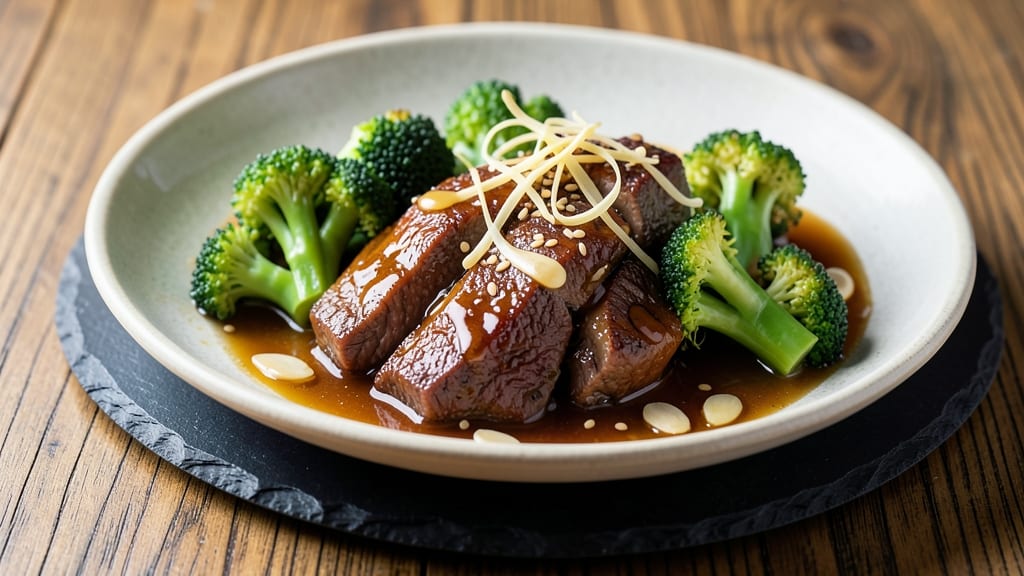
This beef and broccoli recipe proves you don’t need oyster sauce to create restaurant-quality flavor—just bold soy, ginger, and a quick stir-fry technique. I developed this version after years of testing alternatives, and the result is a dish that’s just as satisfying as the classic, with a crisp-tender texture and deep umami punch. The secret lies in balancing salty soy with bright ginger and a touch of sweetness, creating a sauce that clings perfectly to both beef and broccoli.
The beauty of this recipe is its simplicity: 20 minutes from start to finish, using just a few pantry staples and one skillet. We’ll start with thinly sliced beef that cooks quickly over high heat, then add broccoli that stays vibrant and slightly crisp.
The sauce comes together in minutes with soy sauce, ginger, garlic, and a splash of honey, delivering that signature tangy-sweet balance without oyster sauce. It’s the kind of dish that transforms a weeknight dinner into something special with minimal effort.
What you’ll end up with is perfectly seared beef strips—tender on the inside, slightly crisp on the edges—tossed with bright green broccoli florets that hold their texture.
The sauce coats everything in a glossy, savory glaze that’s rich but not heavy, with a hint of ginger’s warmth cutting through the richness. This is the kind of beef and broccoli that makes you want to eat it straight from the wok, sauce dripping down your fingers.
Serve it over steamed rice for a complete meal, or pair it with a side of jasmine rice and quick-pickled cucumbers for extra freshness. The leftovers reheat beautifully, making it perfect for meal prep. Let’s get cooking—this dish is faster than takeout and just as impressive.
Ingredients for beef and broccoli recipe no oyster sauce
Bold soy, fresh ginger, and crisp broccoli—this list delivers restaurant-quality flavor in minutes.
| Ingredient | Amount | Notes |
|---|---|---|
| Flank Steak 🥩 | 1 lb | Thinly sliced against grain |
| Broccoli Florets 🥦 | 4 cups | Medium, cut into bite-sized pieces |
| Low-Sodium Soy Sauce 🍶 | ½ cup | For balanced saltiness |
| Fresh Ginger 🌿 | 2 tbsp | Finely grated, fresh preferred |
| Garlic Cloves 🧄 | 4 cloves | Minced, fresh for best flavor |
| Honey 🍯 | 1 tbsp | Light, for subtle sweetness |
| Sesame Oil 🫒 | 1 tbsp | Toasted, for aroma |
| Neutral Oil 🫒 | 2 tbsp | Vegetable or canola |
| Cornstarch 🌾 | 1 tbsp | For sauce thickening |
| Water 💧 | 2 tbsp | For cornstarch slurry |
| Sesame Seeds 🌰 | 1 tbsp | Toasted, for garnish |
| Red Pepper Flakes 🌶️ | ½ tsp | Optional, for heat |
| Salt 🧂 | ½ tsp | Kosher or sea salt |
| Black Pepper 🌶️ | ¼ tsp | Freshly ground |
The flank steak is your star. Ask the butcher to slice it thinly against the grain—this ensures tender bites. If you can't find pre-sliced, grab a sharp knife and patience—slicing yourself gives you control. Broccoli should be bright green, not yellowing or rubbery. Trader Joe's and Whole Foods usually carry the freshest florets, but any grocery store's produce section works. The soy sauce? Low-sodium is key—we're building layers of flavor, not just salt. I always grab a small bottle of Kikkoman or La Choy for this dish.
No fresh ginger? Powdered works at half the amount, but honestly, fresh makes all the difference. Short on honey? Maple syrup or agave are great swaps—they add depth without overpowering. The sesame oil might be in the Asian aisle, but Walmart or Target usually carry it near the regular cooking oils. If you're avoiding sesame, toasted peanut oil gives a similar nutty aroma. The cornstarch slurry is non-negotiable for that glossy, restaurant-worthy sauce—don't skip it. And if you're feeling spicy, red pepper flakes add just the right kick without overpowering the ginger's brightness.
This dish reheats like a dream—2 minutes in the microwave or 30 seconds in a skillet over medium heat. Store leftovers in an airtight container for 3-4 days, or freeze portions for up to 3 months. I always make extra because it's perfect for lunches. The sauce thickens as it cools, so if it seems too thin when reheating, just add a splash of water and warm it through. Garnish with toasted sesame seeds right before serving—they add that final crunch that makes it feel special.
Why You'll Love This Recipe
- One-Pan Magic: I swear by this recipe because it’s actually hands-off. Slice the flank steak thin, toss it with soy sauce and ginger, and let the pan do the work while you steam the broccoli right beside it—no flipping, no fuss.
- Ginger-Garlic Punch: That fresh ginger and garlic combo? It’s the secret weapon. The ginger mellows into something warm and spicy, while the garlic adds a sharp, bright edge that makes every bite feel like a little flavor explosion.
- Lunchbox Hero: Between us, this is my go-to for meal prep. The steak stays tender when reheated, and the broccoli holds up surprisingly well—just toss it cold or warm it up for a no-stress lunch that still tastes restaurant-worthy.
- Budget Win: Flank steak is affordable, and you’re using all of it—no scraps, no waste. Plus, the soy sauce and ginger stretch the flavor so well that a single panful feeds four for half the cost of takeout. (Yes, even on a Tuesday night.)
Step-by-step instructions for bold soy-ginger beef and broccoli
This dish comes together faster than takeout—crispy beef, tender broccoli, and a glossy sauce that packs all the flavor.
🔪 Step 1: Prep the Flank Steak and Broccoli
First, slice the 1 lb flank steak thinly against the grain into ¼-inch strips. This ensures tender bites every time. While you work, cut the 4 cups broccoli florets into even bite-sized pieces—about 1-inch chunks works perfectly. I like to trim any thick stems before cutting so everything cooks uniformly.
Pat the steak strips dry with paper towels—this helps them sear properly. In a small bowl, mix together the 0.5 tsp salt, 0.25 tsp black pepper, and 0.5 tsp red pepper flakes (if using). Toss the steak strips in this seasoning and let them sit while you prep the rest. The salt will start drawing out moisture, which is exactly what we want for that perfect sear.
🍳 Step 2: Build the Flavor Base
Heat 2 tbsp neutral oil in a large wok or skillet over medium-high heat until shimmering. Add the 4 cloves minced garlic and 2 tbsp finely grated fresh ginger, stirring constantly for 30 seconds—just until fragrant. Don't let them brown or they'll turn bitter. Here's the thing—garlic burns in seconds, so keep your eye on the pan.
Pour in the 0.5 cup low-sodium soy sauce and 1 tbsp honey, stirring to combine. Let this mixture simmer for 1 minute until slightly reduced. The sauce should coat the back of a spoon and smell rich and aromatic. This is your flavor foundation, so don't rush it. If you notice the sauce getting too thick, add 1 tbsp water to loosen it slightly.
🔥 Step 3: Sear the Beef and Broccoli
Working in batches if needed, add the seasoned steak strips to the wok in a single layer. Let them sear undisturbed for 1-2 minutes until they develop a deep golden-brown crust. This is where all the flavor happens—don't move them around too soon. Once the bottoms are browned, stir and cook for another 30 seconds until just cooked through (they'll finish in the sauce).
Remove the beef to a plate and set aside. In the same wok, add the 4 cups broccoli florets in a single layer. Cook for 2-3 minutes, stirring occasionally, until the broccoli turns bright green and just begins to soften. You want it tender-crisp, not mushy. If the broccoli looks like it's getting too dry, add 1 tbsp water to steam it slightly.
🥘 Step 4: Finish with Sauce and Sesame Crunch
Return the beef to the wok and pour in the 1 tbsp sesame oil. Stir everything together and let it cook for 1 minute to combine flavors. In a small bowl, whisk together the 1 tbsp cornstarch and 2 tbsp water to make a slurry. Slowly pour this into the wok while stirring constantly—this will thicken the sauce beautifully.
Cook for another 1-2 minutes until the sauce coats the beef and broccoli evenly and reaches your desired consistency. Taste and adjust seasoning if needed—you might want to add a splash more soy sauce for saltiness or a touch of honey for sweetness. The sauce should be glossy and cling to everything. Stir in the 1 tbsp toasted sesame seeds just before serving for that final crunchy texture.
Pro Tips For Making Beef And Broccoli Recipe No Oyster Sauce
- Slice Against the Grain: I learned this the hard way—cutting flank steak with the grain gives you chewy, tough strips. Instead, angle your knife at 45 degrees and slice perpendicular to the muscle fibers. Thin strips (¼-inch max) cook faster and stay tender, even after stir-frying.
- Blanch Broccoli First: Skip the soggy florets: plunge broccoli in boiling water for 30 seconds, then ice bath. This cuts cooking time later and keeps the color bright. I used to add it raw, and it’d turn into mush by the time the beef was done—now it stays crisp-tender.
- Salt the Steak Early: Pat the flank steak dry, then season generously with salt (and a pinch of pepper) at least 20 minutes before cooking. This breaks down surface fibers for better browning, and the meat stays juicier. I was skeptical until I tried it—now I never skip it.
- Use Two Stages of Heat: Start with a screaming-hot wok or pan to sear the beef, then lower to medium-high for the sauce. High heat first gets that caramelized crust, but too much later and your soy sauce burns. I used to walk away while it cooked, and the sauce would turn bitter—now I watch it like a hawk.
Best sauces and condiments for beef and broccoli recipe no oyster sauce
Soy-Ginger Foundation
This bold sauce starts with low-sodium soy sauce and fresh ginger—the perfect duo for umami depth without oyster sauce. I use Kikkoman soy sauce because it's balanced and widely available, but La Choy works too.
For ginger, fresh is non-negotiable: 2 tablespoons of finely grated ginger gives that bright, zesty punch. If you're short on time, powdered ginger at half the amount works in a pinch, though it lacks complexity. The 1 tablespoon honey adds subtle sweetness that rounds out the flavors beautifully. 🌿
Sesame Oil Secrets
Don't skip the sesame oil—it's what gives this dish its signature aroma and nutty depth. I always use toasted sesame oil (found in the Asian aisle) rather than the lighter, untoasted kind. Just 1 tablespoon adds incredible flavor without overpowering.
If you're avoiding sesame, toasted peanut oil is a great substitute. The key is adding it at the very end, right before serving, to preserve its delicate aroma. Trust me, that final drizzle makes all the difference!
Cornstarch Slurry
The cornstarch slurry is the secret weapon for that glossy, restaurant-quality sauce. Mix 1 tablespoon cornstarch with 2 tablespoons water until smooth, then stir it into the simmering sauce. This thickens beautifully in just 1-2 minutes of cooking.
If your sauce thickens too much, simply add 1 tablespoon water to loosen it. For a smoother texture, I recommend Bob's Red Mill cornstarch—it's my go-to for thickening sauces. 💫
Spice Level Control
Want to add heat? A ½ teaspoon of red pepper flakes gives a subtle kick that complements the ginger perfectly. For more heat, increase to 1 teaspoon, but don't go overboard—ginger is already bold! If you're sensitive to spice, skip it entirely and let the soy and ginger shine.
I also like adding a pinch of white pepper for a smoother heat that doesn't overpower the dish. Adjust to taste, but remember: you can always add more, but you can't take it out!
Sweetness Variations
The 1 tablespoon honey balances the soy's saltiness, but you can swap it for maple syrup or agave if you prefer. For a deeper flavor, try 1 teaspoon of rice vinegar instead—it adds a tangy brightness that pairs wonderfully with the beef.
If you're avoiding sweeteners, a splash of hoisin sauce (about 1 tablespoon) adds natural sweetness and complexity. Each variation changes the sauce's character, so experiment to find your favorite!
Garnish Like a Pro
Finish with toasted sesame seeds for that final crunch—just 1 tablespoon sprinkled on top right before serving. Toast them in a dry skillet over medium heat for 30 seconds until fragrant. For extra flair, add thinly sliced green onions or crushed peanuts.
These garnishes not only add texture but also elevate the dish visually. Presentation matters, especially when you're serving something this flavorful! ✨
Nutrition facts
Frequently asked questions
Can I substitute flank steak with another cut?
For this quick-cooking dish, use sirloin or ribeye steak sliced thinly against the grain. If you prefer leaner options, chuck roast (cut into small cubes) works well—just marinate it for 30 minutes first. Avoid tougher cuts like flank steak's reverse side, as they won't tenderize properly in the 20-minute window.
What if my broccoli turns mushy?
Broccoli cooks fast—watch it like a hawk! For perfect tender-crisp texture, cook florets for only 2-3 minutes over medium-high heat. If yours gets soft, try this fix: Toss overcooked broccoli with 1 tsp lemon juice and ½ tsp cornstarch, then microwave for 20 seconds to restore some crunch. Prevention tip: Cut florets into even sizes so they cook uniformly.
How do I make this vegetarian?
Swap the beef for extra-firm tofu or mushrooms! Press and slice 1 block tofu into strips, then pan-fry until golden. For mushrooms, use shiitake or cremini sliced thinly—cook them for 4-5 minutes until tender. Boost umami with 1 tsp miso paste in the sauce. The same sauce works perfectly with either protein!
Can I make this ahead of time?
Yes! Cook the beef and broccoli separately, then store in an airtight container for 3-4 days in the fridge. Reheat in a skillet with 1 tsp oil over medium heat for 3-4 minutes, adding a splash of water if needed. For freezing, package components separately—beef freezes for 3 months, broccoli for 2 months. Thaw overnight in the fridge before reheating.
What's the best way to serve this?
This dish shines over jasmine rice or steamed white rice. For extra flair, serve with quick-pickled cucumbers (slice cucumbers, toss with 1 tbsp rice vinegar, ½ tsp sugar, and pinch of salt) or steamed bok choy. Garnish with green onions and sesame seeds right before serving—they add freshness and crunch that cuts through the rich sauce.