
Main Courses
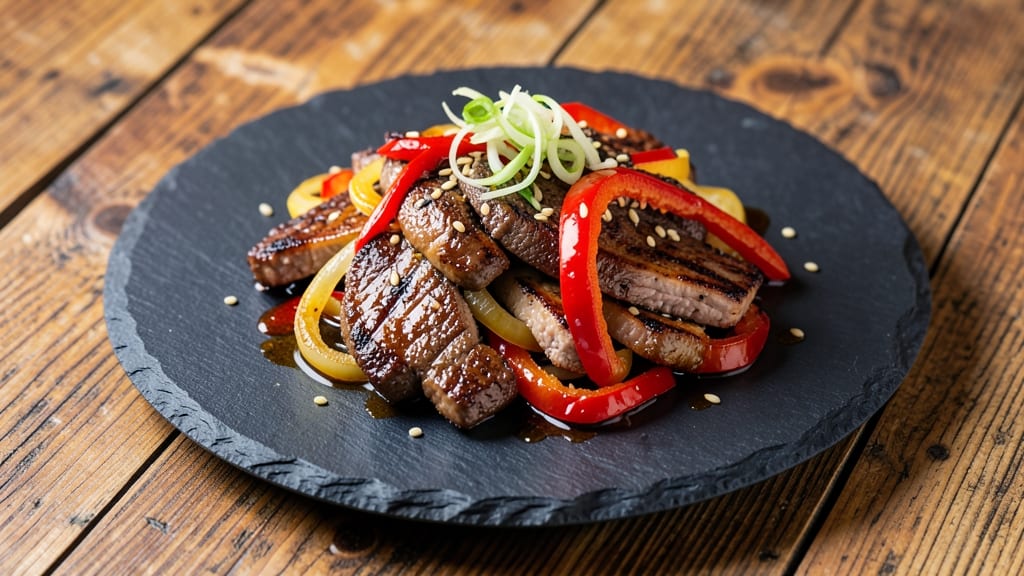
This beef and pork stir-fry recipe delivers the perfect balance of tender meat, caramelized edges, and a velvety sauce that coats every bite. 🔥 After years of perfecting this technique—from my days apprenticing in Charleston—you'll achieve restaurant-quality results at home without the fuss.
The secret lies in high-heat searing followed by a quick sauce deglaze, transforming tough cuts into melt-in-your-mouth perfection.
What sets this recipe apart is the marinade blend—a mix of soy, ginger, and garlic—that tenderizes the meat while building deep flavor. I slice the beef and pork thinly against the grain for maximum tenderness, then stir-fry in batches to ensure even cooking.
The sauce, made from just five pantry staples, reduces quickly to create a glossy, slightly sweet glaze that clings to every piece.
By the time you're done, you'll have a dish that's crispy on the edges, tender in the center, and coated in a sauce that's rich yet balanced.
The aroma alone will have everyone at the table anticipating the first bite. This recipe works equally well over steamed rice or noodles, making it versatile for any meal.
Whether you're cooking for a crowd or a weeknight dinner, this stir-fry comes together in under 30 minutes with minimal cleanup. The technique I've developed ensures you'll never overcook the meat or let the sauce turn gloppy—just foolproof, professional results every time. Let's get started.
Ingredients for beef and pork stir fry
Restaurant-quality stir-fry starts with these 15 ingredients—tender meats, vibrant veggies, and a sauce that clings perfectly.
| Ingredient | Amount | Notes |
|---|---|---|
| Flank Steak (Beef) 🥩 | 1 lb | Thinly sliced against grain |
| Pork Loin 🐷 | 1 lb | Thinly sliced against grain |
| Red Bell Pepper 🌶️ | 1 whole | Sliced into thin strips |
| Yellow Onion 🧅 | 1 whole | Sliced into half-moons |
| Garlic Cloves 🧄 | 6 cloves | Minced for marinade |
| Fresh Ginger 🌿 | 2 tbsp | Finely grated (or 1 tbsp ground) |
| Soy Sauce 🍶 | ½ cup | High-quality, low-sodium preferred |
| Sesame Oil 🫒 | 1 tbsp | For aroma, not cooking |
| Honey 🍯 | 1 tbsp | For sauce sweetness |
| Cornstarch 🌾 | 1 tbsp | For sauce thickening |
| Vegetable Oil 🫒 | ½ cup | High smoke point for stir-fry |
| Green Onions 🧅 | 3 whole | Sliced for garnish |
| Sesame Seeds 🌰 | 1 tbsp | Toasted for garnish |
| Salt 🧂 | 1 tsp | Diamond Crystal preferred |
| Black Pepper 🌶️ | ½ tsp | Freshly ground |
The meat selection matters. Flank steak delivers that signature beef tenderness when sliced thin against the grain, while pork loin stays juicy under high heat. I grab both at Whole Foods or my local butcher—they'll even slice it for you if you ask. Look for good marbling in the beef and firm, pale pork. If you can't find flank steak, sirloin works too—just slice it paper-thin. For the veggies, red bell peppers with thick walls hold up best to stir-frying. Yellow onions should be firm and dry; skip the wilted ones.
No sesame oil? Toasted peanut oil works in a pinch, though it'll have a different aroma. Short on honey? Maple syrup at half the amount keeps the sauce balanced. The cornstarch is non-negotiable for that glossy finish—it's what makes the sauce cling. For the marinade, I like to make it 30 minutes ahead so the meat really absorbs the flavors. If you're using pre-sliced meat (like those vacuum-sealed packages from Costco), skip the marinade and just toss with 1 tbsp soy sauce and 1 tsp cornstarch before cooking. The green onions can be subbed with scallions, but they won't be as vibrant.
This stir-fry reheats beautifully—just add a splash of water and toss in the pan. Keeps for 3-4 days in the fridge, though the sauce gets thicker over time. For leftovers, I like to portion into glass containers with a little extra sauce to keep it moist. Freezes for up to 3 months if you seal it tightly. Pro tip: Make a double batch. The second night tastes even better as the flavors meld. Store the sauce separately if you're not using it all at once—it's perfect over rice or noodles.
Why You'll Love This Recipe
- One-Pan Magic: I swear by this recipe when I’m too tired to scrub pots—just one skillet, a quick sear of the flank steak and pork loin, then toss in the bell peppers and onions. The garlic cloves hit the pan last, and boom, that aroma fills the kitchen like a hug.
- Savory Crunch Combo: That tender beef and pork with the bright, slightly charred bell peppers? It’s the kind of dish where every bite has texture—juicy meat, crisp edges, and the sweetness of the onions caramelizing right in the pan. Honestly, I’ve made stir-fries that cost twice as much but taste half as good.
- Lunchbox Hero: Between us, this is my go-to for meal prep: I double the batch, let it cool, and pack it in containers for the week. The flavors only get better the next day, and my kids actually eat their veggies (yes, even on a Tuesday night). Just reheat and serve—no sad leftovers here.
- Budget Powerhouse: Flank steak and pork loin stretch further than you’d think, and onions, peppers, and garlic are cheap staples. I’ve fed four people for under $15 with this, and it’s still the kind of meal that makes my partner ask, “Why do we eat out?” The secret? Buying in bulk and freezing portions.
Step-by-step instructions for beef and pork stir fry
Here's how to create a restaurant-worthy stir fry with tender meats and a glossy, caramelized sauce.
👨🍳 Step 1: Prep Ingredients and Marinate the Meats
Start by slicing the 1 lb flank steak (beef) and 1 lb pork loin against the grain into thin strips—about ¼-inch thick. Place each in separate bowls and add the 6 cloves minced garlic cloves, 2 tbsp finely grated fresh ginger, 1 tsp salt, and 0.5 tsp black pepper to each. Pour ¼ cup soy sauce over both meats and let them marinate for at least 30 minutes (or up to 2 hours for deeper flavor). This step ensures tender, flavorful meat that won't turn tough during stir-frying.
While the meats marinate, slice the 1 whole red bell pepper into thin strips and the 1 whole yellow onion into half-moons. Finely chop the 3 whole green onions, reserving the tops for garnish. Toast the 1 tbsp sesame seeds in a dry skillet over medium heat for 1-2 minutes until fragrant and golden—this adds nutty depth to your dish.
🔥 Step 2: Stir-Fry the Meats to Perfect Doneness
Heat a large wok or skillet over high heat until it's smoking hot. Add 2 tablespoons of the 0.5 cup vegetable oil and swirl to coat the pan. Working in batches (to avoid overcrowding), add the marinated flank steak (beef) and stir-fry for 2-3 minutes until the edges turn light brown and the meat is just cooked through. Remove and set aside on a plate.
Repeat with the pork loin, cooking for another 2-3 minutes until it reaches 145°F internally. The pork should be slightly pink in the center—it'll continue cooking when combined with the sauce. Keep the meats warm while you prepare the vegetables.
🍳 Step 3: Cook the Vegetables Until Crisp-Tender
Add the remaining 3 tablespoons vegetable oil to the same pan and heat over medium-high heat. Add the sliced red bell pepper and yellow onion, stirring constantly for 3-4 minutes until they soften but still retain a slight crunch. This texture contrast is key—you want them tender enough to eat but still vibrant.
Push the vegetables to one side of the pan and add the 6 cloves minced garlic cloves and 2 tbsp grated fresh ginger to the empty space. Stir for 30 seconds until fragrant—this prevents burning and infuses the oil with flavor. Scrape the garlic and ginger into the vegetables and toss everything together for another 1 minute.
🥘 Step 4: Build the Velvety Sauce
Pour in the 0.5 cup soy sauce, 1 tbsp honey, and 1 tbsp sesame oil, stirring vigorously to combine. Let the sauce simmer for 1-2 minutes until it thickens slightly. In a small bowl, whisk together 1 tbsp cornstarch with 2 tablespoons water to make a slurry. Slowly pour this into the pan while stirring constantly—this creates a glossy, clingy sauce that coats every bite.
Return the cooked flank steak (beef) and pork loin to the pan, along with the reserved green onion bottoms. Toss everything together for 1-2 minutes until the meats are fully coated in the sauce. The sauce should be thick enough to coat a spoon but still silky—if it's too thick, add a splash of water to loosen it.
🍽️ Step 5: Finish and Garnish for Restaurant-Quality Results
Taste and adjust seasoning with more soy sauce if needed or a pinch of salt if the sauce tastes flat. Transfer the stir-fry to a serving platter and garnish with the toasted 1 tbsp sesame seeds and sliced green onion tops. Serve immediately over steamed rice or noodles—this dish is best enjoyed while the sauce is still glossy and the vegetables are crisp.
Here's the thing—this stir fry tastes even better the next day as the flavors meld. Leftovers keep well in the fridge for 3 days, and the sauce only gets more velvety as it sits. The caramelized edges on the meats and vegetables come from high heat and quick cooking, so don't rush this step—patience pays off in texture.
Pro Tips For Making Beef And Pork Stir Fry
- Slice Against the Grain: The flank steak and pork loin will turn tough if you cut them with the grain—it’s that simple. Thin slices cook faster and stay tender, so angle your knife at 45 degrees and slice perpendicular to the muscle fibers. (Yes, it takes a little practice, but your stir-fry will thank you.)
- Salt the Meat First: Don’t skip this step—trust me, I did. Season both the beef and pork with salt and pepper at least 20 minutes before cooking. It helps break down proteins and keeps the meat juicy, especially the leaner pork loin. (Pro move: Pat them dry afterward—wet meat steams instead of sears.)
- Don’t Overcrowd the Pan: I learned this after watching my stir-fry turn into a sad, soggy mess. Cook the beef and pork in batches if needed—overcrowding drops the pan’s temperature and steams the veggies instead of caramelizing them. A hot pan and space between pieces guarantee that crust you crave.
- Char the Onions Low: The onions should be sweet and slightly blackened, not burnt. Once they’re translucent, lower the heat and let them sit undisturbed for 2-3 minutes. This deepens their flavor without turning them bitter. (And skip the garlic until the very end—it burns faster than you think.)
Flavor customization for beef and pork stir fry
Spicy Kick
For a bold flavor twist, add 1 tbsp gochujang (Korean chili paste) or 2 tsp sriracha to the sauce before combining with the meats. I like to balance it with an extra ½ tbsp honey to soften the heat.
If you're feeling adventurous, toss in 1 tsp finely chopped Thai bird’s eye chilies at the end for a smoky, fiery finish. 🌶️
Pro tip: Toast ½ tsp ground Sichuan peppercorns in the oil with the garlic—it adds a numbing, citrusy heat that’s uniquely satisfying. Start with ½ tsp and adjust to taste, as Sichuan peppercorns pack a subtle but persistent kick.
Sweet and Tangy
Swap the honey for 1 tbsp hoisin sauce and add 1 tsp rice vinegar to the sauce for a sweet-tangy balance. This variation works especially well with the pork, which absorbs the flavors beautifully.
For extra depth, stir in 1 tsp grated fresh orange zest just before serving—it brightens the dish without overpowering.
I often make this version for brunch, pairing it with steamed jasmine rice and a side of pickled vegetables to cut through the richness. The tangy notes also make this a great option if you're serving it with cold noodles for a refreshing contrast.
Umami Bomb
Boost the sauce’s depth by adding 1 tbsp fish sauce (like Red Boat) or 1 tsp mushroom powder (rehydrated from dried shiitake). For an extra layer of umami, stir in 1 tbsp oyster sauce after the sauce has thickened.
This variation is a crowd-pleaser, especially when served with black rice or forbidden rice for a visually striking dish.
If you’re using fish sauce, start with ½ tbsp and taste—it’s potent! I also like to add 1 tsp toasted sesame oil at the end for a nutty, aromatic finish. This version pairs perfectly with steamed bok choy on the side to balance the richness.
Herb-Infused Freshness
Add 2 tbsp chopped fresh cilantro or 1 tbsp Thai basil to the stir-fry just before serving for a bright, herbaceous note. For a more complex flavor, mix in 1 tbsp chopped mint or 1 tsp lemongrass paste (if you can find it).
These herbs work especially well with the pork, adding a refreshing contrast to the savory sauce.
I often use this variation for a lighter, summery dish. Serve it over coconut rice or with a side of mango salsa to keep things fresh and vibrant. The herbs also help balance the richness, making this a great option for a weeknight dinner.
Smoky Charcoal
For a smoky twist, add ½ tsp liquid smoke (like La Choya) to the sauce or char the vegetables slightly longer in the pan. I also like to sprinkle ½ tsp smoked paprika into the marinade for the meats.
This version has a deep, campfire-like flavor that’s perfect for fall or winter meals.
Pair this smoky version with charred corn on the cob or grilled zucchini for a full, hearty dish. The charcoal notes also work beautifully with dark beer or red wine, making it a great option for a dinner party. 🔥
Nutrition facts
Frequently asked questions
Can I substitute flank steak with another beef cut?
For this stir-fry, sirloin or ribeye work beautifully—just slice them paper-thin against the grain for maximum tenderness. Avoid tougher cuts like chuck roast, as they won't break down properly in the quick cooking time. If using pre-sliced beef (like those vacuum-sealed packages from Costco), skip the marinade and just toss with 1 tbsp soy sauce + 1 tsp cornstarch before cooking.
What's the best way to slice meat for stir-fry?
Slice the meat against the grain—this means cutting perpendicular to the muscle fibers—for maximum tenderness. For beef, look for the grain direction (it's usually visible as a striped pattern), then slice into ¼-inch thick strips. Use a sharp knife and work quickly to prevent the meat from toughening. Pork loin should be sliced similarly, but it's slightly more forgiving if not perfectly uniform.
Can I make this stir-fry without a wok?
No problem! A large skillet or cast-iron pan works perfectly—just make sure it has high heat retention. The key is getting the pan smoking hot before adding oil. If your pan isn't wide enough, cook in batches (like the recipe suggests) to avoid overcrowding. I use my 12-inch cast iron all the time—it creates that perfect wok hei flavor!
Why did my sauce turn out too thin?
This usually happens when the cornstarch slurry doesn't thicken properly. Make sure you're whisking constantly while adding it to the simmering sauce, and let it cook for 30-60 seconds after adding. If it's still too thin, mix 1 tsp cornstarch with 1 tbsp cold water and stir it in. For next time, try using arrowroot powder instead—it thickens at lower temps and creates a glossier finish.
How do I reheat leftovers without drying out the meat?
Add 1-2 tbsp water or broth to the pan, toss in the stir-fry, and cover with a lid to steam for 2-3 minutes on medium heat. This prevents the meat from drying out. For extra flavor, add a splash of soy sauce. The sauce will thicken further as it reheats, so you might want to loosen it with a little water if it becomes too stiff. Leftovers reheat best within 3 days of cooking.