
Sauces & Condiments
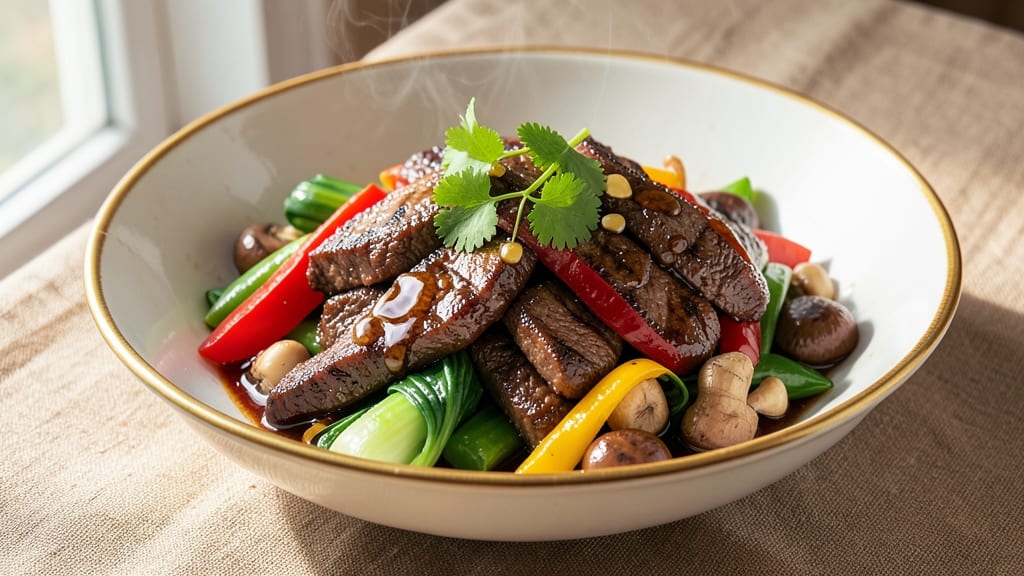
This beef and veggie stir fry sauce recipe delivers restaurant-quality umami balance in just 10 minutes—perfect for transforming simple proteins and vegetables into a flavor-packed wok experience. ✨ The secret lies in the perfect harmony of soy sauce, garlic, ginger, and a touch of sweetness from honey or hoisin, creating a sauce that clings beautifully to beef while enhancing the natural flavors of vegetables.
The beauty of this sauce is its versatility—it works equally well for traditional stir-fries, quick weeknight dinners, or even as a marinade. The ingredients are simple yet powerful, with the option to add a dash of chili flakes or sriracha for heat if you prefer a spicier kick.
It’s also easy to adapt for dietary preferences, like reducing sodium or using gluten-free soy sauce.
What sets this sauce apart is its rich, caramelized depth that develops as it simmers, thanks to the garlic and ginger. The result is a glossy, aromatic sauce that’s sticky enough to coat every bite of beef and vegetable while remaining light enough to let the ingredients shine.
It’s the kind of sauce that elevates ordinary stir-fries into something truly special.
Once made, this sauce keeps well in the refrigerator for up to 5 days, making it a go-to for meal prep. Whether you’re cooking for one or feeding a crowd, this recipe ensures your stir-fry will be packed with bold, balanced flavors that come together effortlessly. Let’s get started!
Ingredients for beef and veggie stir fry sauce
Eleven ingredients deliver restaurant-quality umami balance for your wok experience.
| Ingredient | Amount | Notes |
|---|---|---|
| Soy Sauce 🍶 | ½ cup | Low-sodium preferred for balance |
| Hoisin Sauce 🍶 | 2 tbsp | Adds sweet depth and complexity |
| Garlic Cloves 🧄 | 4 cloves | Minced for caramelized flavor |
| Fresh Ginger 🌿 | 1 tbsp | Finely grated, aromatic base |
| Honey 🍯 | 1 tbsp | Balances savory-sweet profile |
| Sesame Oil 🫒 | 1 tbsp | Toasted for nutty aroma |
| Rice Vinegar 🍶 | 1 tbsp | Brightens and balances flavors |
| Cornstarch 🌾 | 1 tsp | Slurry for thickening |
| Water 💧 | 1 tbsp | For cornstarch slurry |
| Red Chili Flakes 🌶️ | ½ tsp | Optional for heat intensity |
| Sesame Seeds 🌾 | 1 tsp | Garnish for texture and aroma |
The foundation of this sauce lies in the quality of your soy sauce—Kikkoman or Lee Kum Kee are industry standards for their balanced umami profile. For ginger, look for fresh, vibrant roots with no soft spots; Whole Foods or Asian markets often carry the best quality. Garlic should be firm and free of sprouts, with a rich aroma when smashed. Sesame oil is non-negotiable for authentic flavor—Kadoya or La Choy brands deliver the toasted nutty notes this sauce demands. The hoisin sauce adds that signature sweet-savory depth; Hoisin King is a premium choice, but any quality brand will work.
No sesame oil? Toasted peanut oil works in a pinch, though the flavor will differ slightly. Substitute honey with maple syrup or agave for a vegan option, though honey's floral notes are ideal. If you prefer less heat, omit the chili flakes entirely or use sriracha at half the amount. For a gluten-free version, use tamari instead of soy sauce. The cornstarch slurry is crucial for achieving that glossy, clingy texture—don't skip it. And while sesame seeds are traditional, toasted peanuts or crushed cashews make excellent garnishes if you're feeling adventurous.
This sauce develops its richest flavor when made fresh, but it keeps beautifully in the fridge for 5 days when stored in an airtight container. For longer storage, freeze in ice cube trays—thaw and reheat gently to preserve texture. The sauce reheats exceptionally well, making it perfect for meal prep. Garnish with sesame seeds just before serving to maintain their crunch and aroma. Portion into small containers for easy use in future stir-fries, marinades, or even as a dipping sauce.
Why You'll Love This Recipe
- No fancy techniques here: just minced garlic, grated ginger, and a quick simmer. I’ve made this after work with takeout containers still in my bag—it’s that unfussy.
- Five-Ingredient Magic: I swear by this combo—soy and hoisin give that deep umami kick, while honey cuts through the richness. Honestly, the ginger and garlic? They transform something simple into something that tastes like a restaurant dish.
- Weeknight Crutch: No fancy techniques here: just minced garlic, grated ginger, and a quick simmer. I’ve made this after work with takeout containers still in my bag—it’s that unfussy.
- Leftovers That Shine: This sauce keeps perfectly for days, so I double it and freeze half. Toss it with last night’s stir-fry or drizzle it over rice bowls—it never gets boring, and my wallet stays happy.
Step-by-step instructions for beef and veggie stir fry sauce
This sauce delivers restaurant-quality umami depth with perfect balance in minutes.
🍳 Step 1: Prepare the Aromatic Base
In a small bowl, finely mince the 4 cloves garlic cloves and grate the 1 tbsp fresh ginger using a microplane or fine grater. The goal is to create a paste-like consistency that will infuse maximum flavor into the sauce. I press the garlic and ginger through a sieve to remove any fibrous bits—this ensures a silky texture in the finished sauce.
Heat 1 tablespoon sesame oil in a small saucepan over medium heat. Add the garlic-ginger mixture and sauté for 1-2 minutes until fragrant but not browned. Watch carefully—ginger burns quickly, so keep the heat moderate. This step builds the aromatic foundation that carries through the entire dish.
🍳 Step 2: Combine Wet Ingredients
In a measuring cup, whisk together the 0.5 cup soy sauce, 2 tablespoons hoisin sauce, 1 tablespoon honey, and 1 tablespoon rice vinegar. I use a small whisk for this step to ensure everything blends completely. The hoisin adds natural sweetness while balancing the soy's saltiness, and the vinegar brightens the overall flavor profile.
Add the garlic-ginger mixture to the wet ingredients and stir well. The sauce should now have a rich, reddish-brown color with visible flecks of ginger. Taste at this stage—you'll notice the initial umami punch from the soy and hoisin, with a subtle sweetness from the honey. This is where the sauce's character begins to develop.
🥘 Step 3: Create the Cornstarch Slurry
In a separate small bowl, combine the 1 teaspoon cornstarch with the 1 tablespoon water to create a smooth slurry. This mixture will be our thickening agent, giving the sauce that perfect wok-friendly consistency without becoming gluey. Whisk vigorously to eliminate any lumps—even tiny clumps can make the sauce grainy when heated.
Return the sauce mixture to the saucepan and bring to a gentle simmer over medium-low heat. Once simmering, gradually pour in the cornstarch slurry while stirring constantly with a wooden spoon. The sauce will thicken immediately—keep stirring for 1-2 minutes until it reaches a glossy, coatable consistency. It should coat the back of a spoon but still be pourable.
🔥 Step 4: Finish and Season
Remove the sauce from heat and stir in the 0.5 teaspoon red chili flakes (if using) and the 1 tablespoon sesame oil. The chili flakes add subtle heat that lingers on the palate, while the sesame oil contributes nutty depth. Give it one final taste—adjust seasoning if needed by adding a pinch more soy sauce for saltiness or honey for sweetness.
For best results, let the sauce rest for 5 minutes before using. This allows the flavors to meld completely and the thickening to set properly. The sauce should now have a perfect balance of sweet, salty, umami, and aromatic notes—ready to elevate any beef and vegetable stir fry to restaurant quality.
Pro Tips For Making Beef And Veggie Stir Fry Sauce
- Mince Ginger, Don’t Grate: I used to waste ginger by grating it—messy, uneven texture, and it burns faster. Instead, finely chop it with a knife (about 1/4-inch pieces) or pulse it in a food processor for a smoother, more controlled release into the sauce. It’ll dissolve better and won’t turn bitter from overcooking.
- Mix Sauces Last: Combine soy and hoisin after cooking the garlic and ginger. If you add them early, the sauce will darken too soon and lose that bright, balanced flavor. Stir in the sauces right when you toss in the beef and veggies—trust me, the timing matters more than you’d think.
- Balance Sweet and Salty: Taste your sauce before adding honey. If it’s too salty from soy/hoisin, a splash of water or a pinch of sugar (not honey) fixes it faster. Honey’s job is to round out the flavors, not overpower—start with 1 tsp, then adjust. I’ve ruined batches by dumping in too much too soon.
- Use Garlic Paste for Speed: Fresh garlic is ideal, but when I’m in a rush, I use 1 tsp garlic paste (no water added) instead of mincing. It blends instantly and doesn’t burn as easily. Just reduce the minced garlic by half if substituting—no need to overcomplicate it.
Storing and reheating your beef and veggie stir fry sauce
Fridge Storage Tips
Let your sauce cool completely before transferring it to an airtight glass container—I prefer Pyrex with a snap-on lid for easy handling. Store it in the refrigerator at 40°F or below for up to 5 days.
The flavors actually deepen overnight as the ingredients meld together, making it even more delicious for your next stir-fry. 💫
Freezer Prep
For longer storage, freeze the sauce in ice cube trays or small silicone molds. Once frozen, transfer the cubes to a freezer-safe bag, squeezing out excess air to prevent freezer burn.
This method lets you use just what you need—perfect for portion control. Thaw overnight in the fridge before reheating.
Reheating Methods
For stovetop reheating, pour the sauce into a small saucepan and heat over low-medium heat for 2-3 minutes, stirring constantly. Add 1 teaspoon water if it thickens too much.
Microwave reheating works too—just heat in 30-second intervals, stirring between each, until warmed through. Never boil the sauce to preserve its glossy texture.
Garnish Fresh
Always add the sesame seeds right before serving to maintain their crisp texture and aroma. I like to sprinkle them over the stir-fry just as it comes off the wok. If storing with garnishes, keep them separate until ready to use to prevent sogginess.
A pinch of toasted sesame oil drizzled on top right before eating adds that final restaurant-quality touch.
Meal Prep Hack
Make a double batch and store half in the fridge for quick weeknight meals. Portion the sauce into small glass jars with tight-sealing lids—this keeps it fresh and ready to toss with prepped beef and veggies.
Label with the date to track freshness. I keep one jar in my fridge at all times for spontaneous stir-fry nights. ✨
Sauce Safety
Never leave the sauce at room temperature for more than 2 hours—bacteria grow rapidly in the moist environment. If reheating, always bring it to at least 165°F to kill any potential pathogens.
The cornstarch in the sauce makes it thicker when cold, so give it a good stir before reheating to ensure even warming throughout.
Nutrition facts
Frequently asked questions
Can I make this sauce without cornstarch?
Yes, but the texture will be thinner. For a gluten-free alternative, use 1 teaspoon arrowroot powder or tapioca starch mixed with 1 tablespoon water instead. If you prefer no thickener, the sauce will still coat but won't be as clingy—great for tossing with stir-fry ingredients.
How do I adjust this sauce for spicier stir-fries?
Start with 1 teaspoon chili flakes and taste—add more gradually. For serious heat, replace chili flakes with 1 tablespoon sriracha or 1 teaspoon gochujang. For a smoky kick, add ½ teaspoon smoked paprika along with the chili flakes.
Can I use this sauce for other proteins besides beef?
This sauce works beautifully with chicken, shrimp, or tofu. For seafood, reduce the soy sauce slightly (¼ cup) to prevent overpowering delicate flavors. The umami balance makes it versatile—just adjust cooking times for different proteins.
What if my sauce gets too thick when reheating?
Simply add 1 teaspoon water at a time while stirring over low heat. The sauce should return to a glossy, pourable consistency. If it's too thin, simmer for 1-2 extra minutes to thicken naturally. Never boil to preserve the glossy finish.
Is there a quick way to make this sauce even more flavorful?
Yes! Add 1 teaspoon fish sauce for deeper umami, or ½ teaspoon white pepper for warmth. For extra richness, stir in 1 tablespoon oyster sauce during the final step. The key is balancing these additions with the existing ingredients to maintain harmony.