
Soups & Stews
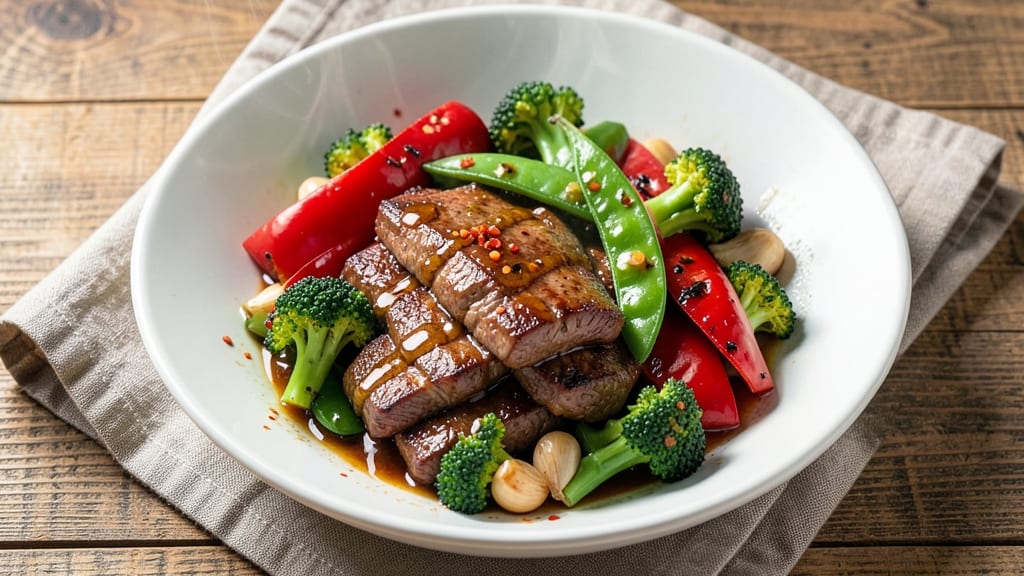
This beef and vegetable Chinese recipe delivers the perfect balance of tender beef, crisp vegetables, and aromatic soy-ginger flavors that define classic Chinese stir-fry.
The secret lies in high-heat wok technique and precise ingredient timing, creating that signature wok hei—the smoky, charred essence that transforms simple ingredients into restaurant-quality harmony. I've refined this recipe over years of testing, ensuring every bite delivers both authenticity and approachability for home cooks.
The foundation begins with properly marinated beef—thinly sliced flank steak or sirloin—coated in a savory blend of soy sauce, ginger, and garlic. Vegetables like bell peppers, broccoli, and snap peas are prepped to different doneness levels, ensuring each component maintains its ideal texture when combined.
The stir-fry process is where the magic happens: quick, continuous motion in a hot wok preserves the vegetables' crispness while rendering the beef perfectly tender.
What you'll achieve is a dish that's both visually striking and deeply flavorful—golden-brown beef slices, vibrant vegetables, and a glossy sauce that coats every bite. The soy-ginger balance creates a perfect harmony of umami and freshness, with just enough heat from chili flakes to elevate the flavors.
This recipe serves as an excellent main dish or hearty side, equally at home on a weeknight table or special occasion spread.
Pair it with steamed jasmine rice to soak up every last drop of that aromatic sauce, or serve with egg noodles for a more substantial meal. The beauty of this stir-fry lies in its versatility—swap vegetables based on seasonality or preference while maintaining the core technique that makes it shine.
Let's create this Chinese culinary masterpiece together.
Ingredients for beef and vegetable chinese
Thinly sliced beef, vibrant vegetables, and aromatic soy-ginger marinade create restaurant-quality stir-fry harmony.
| Ingredient | Amount | Notes |
|---|---|---|
| Flank Steak 🥩 | 1 lb | Thinly sliced against grain |
| Red Bell Pepper 🧅 | 1 whole | Sliced into 1-inch strips |
| Broccoli Florets 🥦 | 1 ½ cups | Cut into bite-sized pieces |
| Snap Peas 🌱 | 1 cup | Trimmed and halved |
| Garlic Cloves 🧄 | 4 cloves | Minced for marinade |
| Fresh Ginger 🌿 | 1 ½ tbsp | Grated, organic preferred |
| Soy Sauce 🍶 | 3 tbsp | Low-sodium preferred |
| Sesame Oil 🫒 | 1 tbsp | Toasted, for finishing |
| Vegetable Oil 🫒 | 2 tbsp | High smoke point |
| Rice Vinegar 🍶 | 1 tbsp | For brightness |
| Honey 🍯 | 1 tbsp | For balance |
| Red Chili Flakes 🌶️ | ½ tsp | Adjust to taste |
| Salt 🧂 | 1 tsp | Diamond Crystal preferred |
| Black Pepper 🌶️ | ½ tsp | Freshly ground |
| Jasmine Rice 🍚 | 1 ½ cups | Uncooked, for serving |
The beef selection is critical—flank steak delivers the ideal texture when sliced thinly against the grain. Look for well-marbled cuts at specialty butchers or the meat department of Whole Foods or Trader Joe's. If using sirloin, trim excess fat to prevent flare-ups during stir-frying. The vegetables should be fresh: crisp snap peas and bright green broccoli hold up best during high-heat cooking. For ginger, opt for organic, knobby roots—they're more flavorful than the pre-peeled versions. Store fresh ginger in the freezer once opened to preserve its potency.
No flank steak? Sirloin or ribeye work equally well, though ribeye may require slightly longer cooking. Substitute bell peppers with green cabbage or bok choy for a different texture profile. The soy sauce can be swapped for tamari for gluten-free, but reduce the honey slightly to maintain balance. For extra umami depth, add 1 tbsp of fish sauce—though omit if you prefer vegetarian. The sesame oil should be toasted, not regular—La Choy or Kikkoman brands are reliable choices. If you can't find jasmine rice, basmati or long-grain white will suffice, though the aroma won't be identical.
Prep all vegetables uniformly to ensure even cooking—1-inch strips for peppers, bite-sized florets for broccoli. The marinade keeps for 3 days in the fridge, though the beef should marinate no longer than 2 hours to prevent over-tenderizing. Cooked rice holds for 3 days in the fridge or 3 months frozen. For meal prep, portion stir-fry into airtight containers with a thin layer of oil on top to maintain moisture. Reheat gently in a skillet to preserve the crisp-tender texture.
Why You'll Love This Recipe
- One-Pan Magic: I swear by this—just toss everything on a hot pan, let the garlic sizzle until it smells like heaven, then walk away. The broccoli and snap peas barely need chopping, and the flank steak? Slices itself if you cut against the grain first.
- Garlic Bomb Flavor: That first bite—chef’s kiss—where the seared steak meets the charred bell peppers and the garlic’s punch lands right in your mouth. Honestly, the snap peas add this weirdly addictive crunch that makes it feel like a restaurant dish, not something I threw together.
- Lunchbox Hero: Between us, this is my go-to for packed lunches. The steak stays tender for days, the veggies hold up, and the sauce? Just drizzle a little soy-ginger mix before storing—no soggy messes. My kid still asks for it after school, and I haven’t bought takeout in weeks.
- Budget Power Move: Flank steak stretches far—I get four meals out of one pound, easy. The bell peppers and broccoli? Cheaper than ordering in, and the garlic? A dollar bag lasts forever. Not the prettiest, but the taste makes up for it every time. (Yes, even on a Tuesday night.)
Step-by-step instructions for beef and vegetable stir-fry
Master this classic Chinese stir-fry technique for perfectly tender beef and crisp-tender vegetables.
Prepare the Marinade and Slice the Beef
In a small bowl, combine the 3 tablespoons soy sauce, 1 tablespoon rice vinegar, 1 tablespoon honey, 1.5 tablespoons grated fresh ginger, 0.5 teaspoon red chili flakes, 1 teaspoon salt, and 0.5 teaspoon black pepper. Whisk until fully dissolved and the ginger is evenly distributed. This marinade creates the perfect balance of savory, sweet, and aromatic notes that will penetrate the beef.
Place the 1 pound flank steak between two sheets of plastic wrap and slice thinly against the grain using a sharp knife. Transfer the sliced beef to a resealable plastic bag and pour the marinade over it. Seal the bag and massage the marinade into the beef, ensuring every slice is evenly coated. Let it marinate for at least 30 minutes at room temperature while you prepare the remaining ingredients. The acidity in the vinegar and the ginger will tenderize the beef, while the soy sauce adds depth of flavor.
Cook the Jasmine Rice
Rinse the 1.5 cups jasmine rice under cold water until the water runs clear, then drain well. In a medium saucepan, combine the rice with 3 cups of water and bring to a boil over high heat. Once boiling, reduce heat to low, cover with a tight-fitting lid, and simmer for 15 minutes. Remove from heat and let it steam, covered, for an additional 10 minutes. This resting period allows the rice to absorb any remaining moisture and develop a fluffy texture.
While the rice cooks, prepare the vegetables. Slice the 1 whole red bell pepper into 1-inch strips and cut the 1.5 cups broccoli florets into bite-sized pieces. Trim and halve the 1 cup snap peas. Keeping the vegetables separate at this stage ensures they cook to their ideal doneness without becoming mushy. The bell pepper should retain its vibrant color, while the broccoli and snap peas should stay crisp-tender.
Stir-Fry the Vegetables
Heat a large wok or skillet over high heat until it's very hot. Add the 2 tablespoons vegetable oil and swirl to coat the bottom evenly. Add the broccoli florets and snap peas first, stirring constantly for 2-3 minutes until they begin to soften slightly but still retain a bright green color. The high heat is crucial here—it prevents the vegetables from steaming and turning limp.
Push the cooked vegetables to one side of the wok and add the sliced red bell pepper. Stir-fry for an additional 1-2 minutes until the peppers begin to soften just at the edges but still hold their shape. Remove the vegetables from the wok and set aside on a plate. This step ensures the vegetables are cooked through but still vibrant and crisp, ready to be combined with the beef in the final step.
Cook the Beef and Combine
Drain the marinated beef, reserving the marinade in the bag. Wipe out the wok with a paper towel to remove any excess oil, then return it to high heat. Add the beef in a single layer and let it sear undisturbed for 1-2 minutes until it develops a deep golden-brown crust on the bottom. This initial sear locks in the juices and adds a rich, caramelized flavor.
Pour the reserved marinade into the wok and stir vigorously to combine with the beef. Cook for an additional 1-2 minutes until the beef is fully cooked through and the sauce has thickened slightly. Return the stir-fried vegetables to the wok and toss everything together for 30 seconds to ensure even coating. The vegetables will reheat quickly, and the beef will absorb the remaining sauce, creating a harmonious balance of flavors and textures.
Finish and Serve
Drizzle the 1 tablespoon toasted sesame oil over the stir-fry and toss gently to distribute evenly. This final step adds a nutty aroma and depth of flavor that complements the savory-sweet profile of the dish. Taste and adjust seasoning if needed—you may want to add a splash of water or a bit more soy sauce to achieve your desired consistency.
Serve the beef and vegetable stir-fry immediately over the cooked jasmine rice. The contrast of the fluffy rice with the vibrant, flavorful stir-fry creates a satisfying meal. Each bite should deliver tender beef, crisp-tender vegetables, and a well-balanced sauce that ties everything together. For an extra touch, garnish with additional sesame seeds or sliced green onions if desired.
Pro Tips For Making Beef And Vegetable Chinese
- Slice Steak Against the Grain: I learned this the hard way—flank steak fights you if you don’t. Cut it thin (¼-inch max) before cooking, and slice against the grain after. The difference between chewy and melt-in-your-mouth is all in the knife work.
- Blanch Broccoli First: Skip the crowding in the pan—blanch broccoli florets in boiling water for 30 seconds first. They’ll stay bright green and crisp-tender instead of turning to mush while the beef cooks. (Yes, even if you’re impatient like me.)
- Use High Heat for Garlic: After searing the beef, add minced garlic to a dry, screaming-hot pan. It’ll brown in 10 seconds—any longer and it burns. Toss the garlic with the veggies immediately to distribute that nutty flavor before it turns bitter.
- Prep Snap Peas Last: Snap peas take forever to cook. Toss them in just before serving—even 30 seconds in a hot pan makes them soft. If you add them early, they’ll turn to mush while the beef rests. (Your future self will thank you.)
Pro cooking tips for great beef and vegetable chinese
Wok Hei Mastery
The secret to authentic stir-fry flavor is achieving wok hei—that smoky, charred essence from high-heat cooking. Preheat your wok on high heat for 3-5 minutes until it's smoking slightly before adding oil. I use a 14-inch carbon steel wok from Made In because it retains heat exceptionally well.
Once hot, add oil and swirl to coat—this creates a protective layer that prevents sticking while building flavor. 🔥
Beef Slicing Technique
Slice your beef thinly against the grain—no thicker than ⅛ inch—for maximum tenderness. I use a sharp chef's knife and slice at a 45-degree angle for uniform pieces.
For extra efficiency, freeze the beef for 20 minutes before slicing—it becomes easier to cut. Always slice perpendicular to the muscle fibers to shorten cooking time and prevent toughness.
Vegetable Timing
Cook vegetables in batches based on their doneness requirements. Start with harder veggies (broccoli, bell peppers) first, then add softer ones (snap peas) last. I recommend cooking broccoli for 2-3 minutes before removing it to a plate—this prevents overcooking while the beef finishes.
The vegetables should be crisp-tender, not mushy, when combined with the beef.
Marinade Balance
The soy-ginger marinade should coat the beef evenly without making it soggy. I recommend marinating for 30-60 minutes max—longer times can break down the beef fibers. For extra flavor, add 1 tsp oyster sauce to the marinade.
Always reserve the marinade when draining the beef—it contains precious flavor that should be incorporated back into the dish.
Sauce Thickening
To create a glossy, well-balanced sauce, reduce the marinade by 1-2 minutes of vigorous stirring after adding the beef. If the sauce is too thin, add ½ tsp cornstarch mixed with 1 tsp water and stir until thickened.
The final sauce should lightly coat the beef and vegetables without being gloppy. Taste as you go—adjust with rice vinegar for brightness or soy sauce for depth.
Final Touches
Finish with toasted sesame oil just before serving—this adds nutty aroma without overpowering. I like to drizzle it in a zigzag pattern over the dish for visual appeal.
For extra presentation, garnish with thinly sliced scallions or toasted sesame seeds. Serve immediately over hot jasmine rice to maintain the perfect texture contrast. 💛
Nutrition facts
Frequently asked questions
Can I substitute flank steak with another cut of beef?
Sirloin or ribeye work well, though ribeye may need slightly longer cooking. For best results, always slice against the grain to ⅛ inch thickness. If using pre-sliced beef from the grocery store, check for thinly cut packages labeled "stir-fry beef" to save time.
What vegetables can I swap in for broccoli and snap peas?
This stir-fry is very adaptable! Try green beans, bok choy, or baby corn for crunch, or mushrooms and zucchini for heartier textures. Keep portions similar to maintain balance—aim for 1.5 cups total of mixed vegetables. The key is using veggies that hold up to high heat without turning mushy.
Why does my stir-fry sauce turn watery?
Watery sauce usually means the beef released too much moisture or the vegetables weren't cooked long enough first. To fix it, remove the beef and veggies, then reduce the sauce by 1-2 minutes of vigorous stirring. For future batches, cook vegetables in batches and remove them from the wok before adding beef—this prevents steam from thinning the sauce.
Can I make this ahead of time for meal prep?
Yes, but with a few adjustments! Cook the beef and vegetables separately, then store in airtight containers with a thin layer of oil on top. Reheat gently in a skillet over medium heat (not microwave) to maintain crisp-tender texture. For best results, assemble fresh and serve immediately for that restaurant-quality wok hei flavor.
How do I make this vegetarian?
Replace the beef with extra-firm tofu or king oyster mushrooms (sliced similarly). For tofu, press and pan-fry until crispy before adding to the stir-fry. Boost umami with 1 tbsp mushroom sauce or ½ tsp MSG in the marinade. The vegetable portion can stay the same, but consider adding water chestnuts for texture.