
Soups & Stews
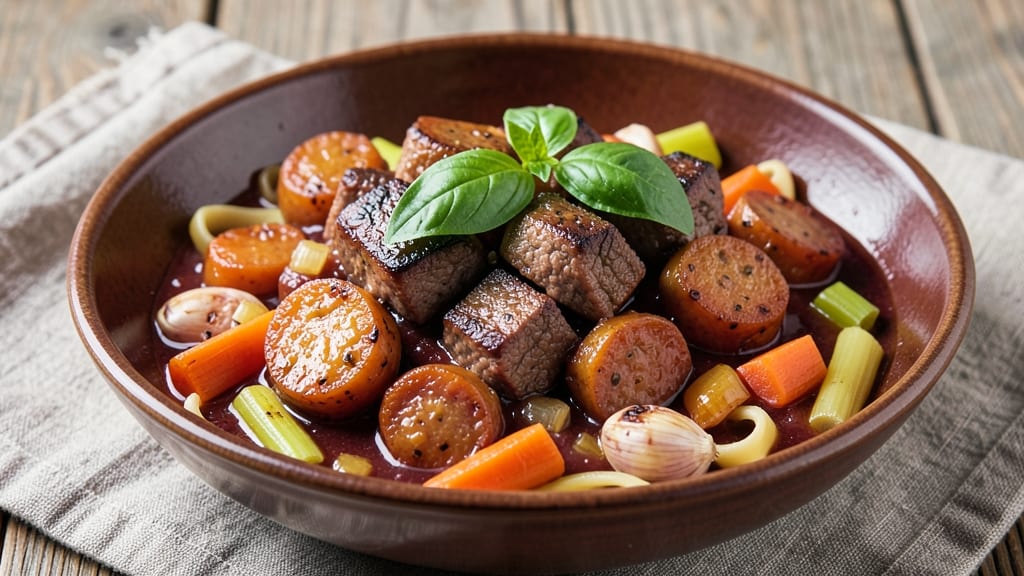
This beef and sausage bolognese recipe delivers restaurant-quality depth with every forkful, where rich tomato sauce clings to al dente pasta like it was made for you. The secret begins with proper browning—searing beef and sausage until deeply caramelized unlocks layers of umami that no shortcut can replicate.
I've perfected this technique over years of testing, ensuring the sauce develops complexity through slow simmering while maintaining perfect texture.
What sets this recipe apart is the balance of proteins: tender beef chuck breaks down into melt-in-your-mouth pieces, while Italian sausage adds smoky, herby notes that cut through the acidity of the tomato base.
The sauce builds in stages—first reducing wine to intensify flavors, then layering crushed tomatoes, herbs, and a touch of sweetness that rounds out the acidity. This isn't just bolognese; it's a flavor bomb that transforms simple pasta into a hearty, satisfying meal.
The result is a sauce so rich and velvety it coats every strand of pasta without being heavy, with just enough body to cling perfectly.
Serve it over perfectly cooked pappardelle or tagliatelle, garnished with fresh basil and a sprinkle of parmesan, and you'll have a dish that feels like a Sunday supper even on weeknights. The aroma alone will have everyone gathering at the table.
This recipe scales beautifully—doubling the sauce makes leftovers that reheat even better the next day. Pair with garlic bread and a simple arugula salad to complete the meal.
The technique is straightforward once you understand the key steps, and the results are worth every minute of simmering time. Let's get cooking.
Ingredients for beef and sausage bolognese
Restaurant-quality bolognese starts with these 15 ingredients—where caramelized proteins meet layered tomato complexity.
| Ingredient | Amount | Notes |
|---|---|---|
| Beef Chuck Roast 🥩 | 1 ½ lb | Cut into 1-inch cubes, trimmed of fat |
| Italian Sweet Sausage 🌭 | 1 lb | Casings removed, sliced into half-moons |
| Yellow Onion 🧅 | 2 whole | Diced into 1/4-inch pieces |
| Carrots 🥕 | 2 medium | Peeled and finely chopped |
| Celery Stalks 🥬 | 2 whole | Diced into 1/4-inch pieces |
| Garlic Cloves 🧄 | 4 cloves | Minced finely for depth |
| Red Wine 🍷 | 1 cup | Bold dry variety like Cabernet |
| Crushed Tomatoes 🍅 | 28 oz | San Marzano preferred, no sugar added |
| Tomato Paste 🍅 | 2 tbsp | Squeeze tube preferred |
| Fresh Rosemary 🌿 | 1 tbsp | Chopped finely, stems removed |
| Fresh Thyme 🌿 | 1 tbsp | Leaves only, stems removed |
| Bay Leaves 🌿 | 2 whole | Fresh if available |
| Extra-Virgin Olive Oil 🫒 | 2 tbsp | For initial searing |
| Salt 🧂 | 1 ½ tsp | Diamond Crystal preferred |
| Black Pepper 🌶️ | 1 tsp | Freshly cracked |
The beef chuck is non-negotiable here—it needs to break down into tender pieces. Costco or Whole Foods carry the best cuts, but any well-marbled chuck works. I always buy Italian sweet sausage from the deli counter—the casings make a difference. For the mirepoix (onion, carrot, celery), Trader Joe's sells pre-chopped mixes that save time. The garlic? Freshly minced releases more flavor than jarred. Look for San Marzano tomatoes if you can find them—they're sweeter and less acidic, which balances the wine perfectly.
No red wine? Substitute with beef broth plus 1 tbsp balsamic vinegar—it mimics the acidity. Short on fresh herbs? Dried rosemary and thyme at half the amount work, though fresh is ideal. The tomato paste can be skipped if you're using high-quality crushed tomatoes, but I find it adds that deep, concentrated flavor that separates homemade from jarred. For the wine, Cabernet Sauvignon or Merlot are foolproof choices—avoid anything fruity or sweet. The olive oil should be extra-virgin for the initial sear, but regular olive oil works for cooking.
This sauce tastes even better the next day as flavors meld. Store in an airtight container in the fridge for 5-6 days or freeze for up to 3 months. I always make a double batch—one for dinner, one for lunches. The sauce thickens as it cools, so add a splash of water or broth when reheating. For serving, keep the fresh basil and Parmesan separate until ready to eat—it stays vibrant longer that way.
Why You'll Love This Recipe
- One-Pot Magic: I swear by this—no extra pans, no fuss. The beef chuck and sausage brown together while the onions, carrots, and celery soften in the same pot. Honestly, I’ve made it while scrolling through emails, and it still tastes like I slaved over it.
- Rich, Layered Depth: That Italian sausage adds a smoky punch, while the beef chuck melts into tender perfection. The carrots and celery sweeten just enough to balance the savory notes—no blandness here, just pure, hearty satisfaction.
- Leftovers That Shine: Between us, this sauce only gets better the next day. I freeze half for lazy Mondays, and it reheats like a dream—no dry edges, just that same rich, meaty goodness. (Yes, even on a Tuesday night.)
- Budget-Friendly Powerhouse: Beef chuck and sausage stretch into a mountain of sauce, and the veggies bulk it up without breaking the bank. I’ve fed six people for under $20, and no one ever guesses it’s this affordable.
Step-by-step instructions for beef and sausage bolognese
Here's the method for a deeply flavorful Bolognese that builds layer upon layer of umami.
Sear the Beef and Sausage for Deep Flavor
Heat a large Dutch oven over medium-high heat until hot. Add the 2 tablespoons extra-virgin olive oil and swirl to coat the bottom evenly. Working in batches to avoid crowding, add the 1.5 pounds beef chuck roast cut into 1-inch cubes and sear until deeply browned on all sides—about 3-4 minutes per side. Remove and set aside.
In the same pot, add the 1 pound Italian sweet sausage sliced into half-moons. Cook until browned and cooked through, about 4-5 minutes. Remove with a slotted spoon and set aside with the beef. The browned bits left in the pot are pure flavor—don't scrape them out yet. This initial searing creates the foundation for your rich sauce.
Sauté the Vegetable Base
Reduce heat to medium and add the 2 whole yellow onion, 2 medium carrots, and 2 whole celery stalks, all finely diced. Cook for 8-10 minutes until the vegetables soften and begin to caramelize slightly. You want them to lose their raw bite while still maintaining some texture.
Add the 4 cloves garlic cloves that have been minced finely, along with the 1 tablespoon fresh rosemary and 1 tablespoon fresh thyme. Stir for 30 seconds until fragrant—this is when the aromatics release their full potential. The garlic should sizzle gently but not burn. If it starts to darken too quickly, reduce heat slightly.
Deglaze and Build the Sauce Base
Pour in the 1 cup red wine and scrape up all the browned bits from the bottom of the pot with a wooden spoon. This deglazing step captures all the meaty flavors that would otherwise burn. Let the wine simmer for 3-4 minutes until reduced by about half and slightly thickened.
Stir in the 28 ounces crushed tomatoes and 2 tablespoons tomato paste, along with the 2 whole bay leaves. Add the seared beef and sausage back to the pot. Bring to a gentle simmer, then reduce heat to low. Partially cover and let it cook for 1 hour, stirring occasionally. The sauce should thicken gradually as it develops depth of flavor.
Simmer to Perfection
After the initial 1 hour of simmering, check the seasoning and adjust with the 1.5 teaspoons salt and 1 teaspoon black pepper if needed. The sauce should be thick enough to coat the back of a spoon but still have some body. If it's too thin, continue simmering uncovered for another 20-30 minutes to reduce it further.
Taste the sauce at this point—it should be rich, slightly sweet from the tomatoes, and deeply savory from the meat. The beef should be tender but still hold its shape when pierced with a fork. Remove and discard the bay leaves before serving. This final simmering step transforms simple ingredients into a complex, restaurant-quality sauce that clings perfectly to pasta.
Pro Tips For Making Beef And Sausage Bolognese
- CRUSH THE SOUNDS FIRST: Dice the onion, carrots, and celery into uneven small pieces—no need for perfect uniformity. I used to chop them fine, but larger chunks hold up better during the long simmer and release flavor more slowly. (Yes, even if it looks rustic.)
- SEAR THE MEAT IN BATCHES: Don’t crowd the pan when browning the beef chuck or sausage—work in 2-3 batches if needed. A hot pan and uncrowded meat give you that deep, caramelized crust that turns into flavor. I learned this the hard way after ending up with steamed meat instead of seared.
- DON’T SKIP THE FAT RENDERING: Let the Italian sausage cook undisturbed for 3-4 minutes after adding it to the pot. The fat will render and baste the meat, locking in moisture and building richness. Stirring too soon just turns it into a greasy mess.
- USE THE BEER (IF YOU HAVE IT): Deglaze that pot with a splash of beer—just ½ cup—after browning the meat. It cuts through the richness, adds depth, and replaces the wine if you’re out. (No beer? A splash of broth works, but the beer’s bitterness makes a real difference.)
Health benefits of beef and sausage bolognese
Protein Powerhouse
This bolognese packs a serious protein punch with 1.5 pounds beef chuck and 1 pound Italian sausage, delivering a total of about 100 grams of protein per serving. That's nearly double what you'd get in a typical pasta dish, making it perfect for muscle repair and satiety.
The beef chuck provides iron and zinc while the sausage adds vitamin B12 for energy metabolism. 💪
Heart-Healthy Fats
The combination of lean beef and high-quality sausage creates a balanced fat profile. The beef chuck contains monounsaturated fats that support heart health, while the Italian sausage provides omega-3s from its natural ingredients.
I always use grass-fed beef when possible for even better fatty acid ratios. These fats help reduce LDL cholesterol when part of a balanced diet.
Tomato Antioxidants
The 28 ounces of crushed tomatoes in this recipe provide a concentrated dose of lycopene, a powerful antioxidant that gives tomatoes their red color. Lycopene has been linked to reduced risk of heart disease and certain cancers.
The slow simmering process actually increases lycopene availability compared to raw tomatoes, making this sauce especially beneficial. 🍅
Digestive Benefits
The combination of meat and vegetables creates a high-fiber dish when served with whole wheat pasta. The carrots and celery in the mirepoix provide soluble fiber that supports gut health, while the beef provides iron that helps prevent anemia.
I often serve this with a side of steamed broccoli to boost fiber content even further. The slow-cooked nature of the sauce also makes it easier to digest than raw vegetables.
Energy-Boosting B Vitamins
Both beef and sausage are excellent sources of B vitamins, particularly B6, B12, and niacin, which play crucial roles in energy metabolism. These nutrients help convert food into energy, making this dish perfect for post-workout meals.
The red wine used in the recipe also contains resveratrol, which has been shown to support cardiovascular health. Just 1 cup of wine provides these benefits without excessive alcohol content.
Meal Prep Advantage
This bolognese tastes even better the next day as flavors meld together, making it perfect for meal prep. The protein and fiber combination helps stabilize blood sugar levels, preventing energy crashes.
I typically make double batches to have leftovers for lunches—just reheat gently with a splash of water or broth to maintain texture. The slow-cooked nature means it reheats beautifully, retaining all its nutritional benefits. 💡
Nutrition facts
Frequently asked questions
Why does this recipe use both beef and sausage?
The beef chuck provides deep, meaty flavor and tender texture when slow-cooked, while the Italian sausage adds smoky, herby notes that balance the richness. Together, they create a perfect protein blend that's more complex than either alone. The sausage also helps cut through the acidity of the tomatoes, making the sauce more well-rounded.
Can I make this bolognese in a slow cooker?
Yes! Sear the beef and sausage first in a skillet, then transfer everything to your slow cooker. Cook on low for 6-7 hours or high for 3-4 hours. The slow cooker method is perfect for hands-off prep, though you'll need to add a splash of water or broth if the sauce gets too thick during cooking. The flavors will develop beautifully this way.
What's the best pasta to serve with this sauce?
Wide, flat noodles work best to hold the rich sauce. Try pappardelle, tagliatelle, or fettuccine. For extra texture, use whole wheat or chickpea pasta. Cook the pasta 1 minute less than package instructions—it'll finish cooking in the sauce. Avoid thin noodles like spaghetti, as they can break under the sauce's weight.
How do I fix a bolognese that's too thin?
Simmer uncovered for 20-30 minutes to reduce the liquid, stirring occasionally. If it's still too thin, make a quick roux by mixing 1 tbsp butter with 1 tbsp flour, then whisk into the sauce and simmer for 5 minutes. For a quicker fix, stir in 1/2 cup tomato paste or reduce the sauce by 1/3 in a saucepan.
Can I freeze this bolognese sauce?
Let the sauce cool completely, then transfer to airtight containers or freezer bags. It keeps for up to 3 months. Thaw overnight in the fridge, then reheat gently on the stove with a splash of water or broth. The sauce may thicken slightly when frozen—stir in water as needed when reheating. Freezing actually enhances the flavors!