
Soups & Stews
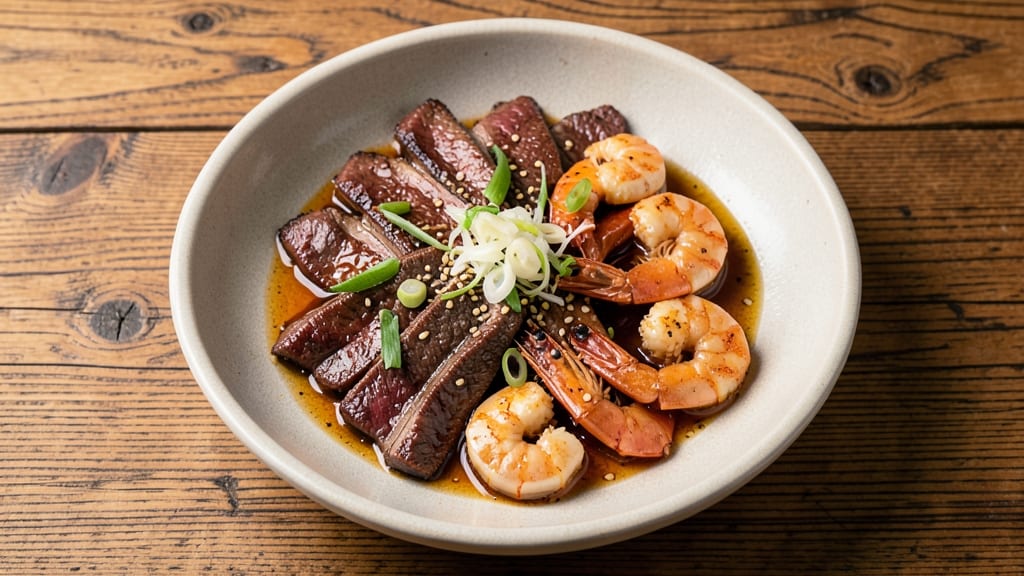
This beef and shrimp recipe delivers a restaurant-worthy stir-fry where tender beef strips and succulent shrimp meet crispy edges and deep umami flavors.
The secret lies in high-heat searing and a bold sauce that balances sweet, savory, and smoky notes—transforming simple ingredients into a dish that feels like a special occasion.
I’ve perfected this technique to ensure the beef reaches 145°F for perfect tenderness while the shrimp stay juicy and just opaque, never rubbery.
What sets this recipe apart is the crispy texture achieved through quick, high-heat cooking—no soggy edges here. The marinade (soy sauce, garlic, ginger, and a touch of honey) infuses the proteins with layers of flavor, while the stir-fry sauce ties everything together with a glossy, slightly sticky finish.
Cross-contamination is handled with care: separate cutting boards for raw beef and shrimp, and thorough rinsing of utensils to keep flavors pure and safe.
By the time you plate this dish, you’ll have golden-brown beef and shrimp with caramelized edges, served over steamed jasmine rice or noodles. Garnish with fresh cilantro and sesame seeds for brightness, and drizzle with extra sauce for that restaurant-quality shine.
This isn’t just a weeknight meal—it’s a flavor-packed experience that impresses without the fuss.
The best part? Leftovers reheat beautifully, making it ideal for meal prep. Pair with steamed broccoli or a simple cucumber salad to round out the meal. Let’s get cooking—your taste buds will thank you.
Ingredients for beef and shrimp
Restaurant-quality stir-fry starts with these bold ingredients—crispy proteins and umami-packed sauces.
| Ingredient | Amount | Notes |
|---|---|---|
| Flank Steak 🥩 | 1 lb | Thinly sliced against grain |
| Large Shrimp 🦐 | 1 lb | Peeled, deveined, tails on |
| Low-Sodium Soy Sauce 🥢 | ½ cup | For marinade and sauce |
| Sesame Oil 🫒 | 1 tbsp | Toasted for aroma |
| Garlic Cloves 🧄 | 6 cloves | Minced for marinade |
| Fresh Ginger 🌿 | 2 tbsp | Grated, for marinade |
| Honey 🍯 | 1 tbsp | For balance in marinade |
| Vegetable Oil 🫒 | ¼ cup | High smoke point for searing |
| Oyster Sauce 🍜 | 2 tbsp | For umami depth |
| Hoisin Sauce 🍶 | 1 tbsp | Sweet and smoky |
| Rice Vinegar 🍶 | 1 tbsp | For brightness |
| Fresh Cilantro 🌿 | ¼ cup | Chopped, for garnish |
| Toasted Sesame Seeds 🌾 | 1 tbsp | For crunchy finish |
| Jasmine Rice 🍚 | 1 ½ cups | Uncooked, for serving |
| Red Bell Pepper 🌶️ | 1 whole | Sliced thin for veggie crunch |
The beef and shrimp are the stars, so quality matters. Flank steak is ideal—lean but tender when sliced thin. Look for USDA Choice or Prime at Whole Foods or your local butcher for the best marbling. Shrimp should be fresh or frozen thawed in cold water—never room temperature. Wild-caught has better flavor than farm-raised. For the marinade, low-sodium soy sauce keeps the dish from tasting salty, while the honey adds just enough sweetness to balance the umami. Toast the sesame oil in a dry pan for 30 seconds before using—this deepens the nutty aroma.
No flank steak? Sirloin or ribeye work too, but slice against the grain for tenderness. Out of shrimp? Scallops or extra beef hold up well. The marinade can be prepped hours ahead—just keep it covered in the fridge. For the sauce, Kikkoman soy sauce and Lee Kum Kee hoisin are my go-tos, but any quality brands work. Need extra heat? Add 1/2 tsp red pepper flakes to the sauce. The bell pepper adds crunch—swap for snap peas or broccoli florets if preferred. Always toast your sesame seeds in a dry skillet for 1-2 minutes until fragrant.
Prep the proteins first—marinate for at least 30 minutes, up to 4 hours. Cook the rice separately and keep warm. This dish reheats best in a skillet over medium heat with a splash of water to prevent drying. Store leftovers in an airtight container for 3 days in the fridge. For freezing, portion into single-serving containers and thaw overnight in the fridge. Garnish with fresh cilantro and sesame seeds right before serving—this adds brightness and texture that gets lost when prepped ahead.
Why You'll Love This Recipe
- One-Pan Magic: I swear by this—just toss everything on a single sheet pan, and you’re done. No chopping boards, no clutter, no stress. The flank steak and shrimp cook side by side while I’m still deciding what to drink with dinner.
- Umami Bomb: That combo of low-sodium soy sauce and sesame oil? It’s like a flavor upgrade on steroids. The garlic cloves sizzle into crispy perfection, and suddenly, even a simple weeknight meal feels like a restaurant dish.
- Weeknight to Weekend: I make this when I’m too tired to plan (flank steak and shrimp are forgiving) and when I’m hosting friends (it looks fancy, but no one knows how easy it was). Honestly, it’s my go-to for any day that ends in “Y.”
- Budget Flex: Flank steak stretches further than you’d think, and shrimp adds luxury without breaking the bank. Leftovers? They reheat like a dream, and I’m always reaching for them midweek when I’m too lazy to cook.
Step-by-step instructions for bold umami stir-fry with crispy edges
Master this technique for restaurant-quality texture and flavor every time.
Marinate and Prep Ingredients for Maximum Flavor
In a large bowl, combine the 1 lb flank steak sliced against the grain with 0.5 cup low-sodium soy sauce, 6 cloves minced garlic, 2 tbsp grated fresh ginger, and 1 tbsp honey. Mix thoroughly and let marinate for at least 30 minutes (up to 2 hours for deeper flavor). While the steak marinates, peel and devein the 1 lb large shrimp, patting them completely dry with paper towels.
Slice the 1 whole red bell pepper into thin strips and chop the 0.25 cup fresh cilantro. Toast the 1 tbsp sesame seeds in a dry skillet over medium heat for 2-3 minutes until fragrant and golden. Keep all prepped ingredients within easy reach for quick assembly—this stir-fry comes together faster than you think.
Cook the Jasmine Rice to Perfect Texture
Rinse the 1.5 cups jasmine rice under cold water until the water runs clear, then combine with 3 cups water in a pot. Bring to a boil, then reduce heat to low, cover, and simmer for 15 minutes. Remove from heat and let sit covered for 10 minutes—this resting period develops the rice's signature floral aroma and prevents mushiness.
While the rice cooks, prepare your sauce by whisking together 0.25 cup vegetable oil, 2 tbsp oyster sauce, 1 tbsp hoisin sauce, 1 tbsp rice vinegar, and 1 tbsp toasted sesame oil in a small bowl. The sauce should be smooth but slightly thick—this consistency ensures it clings beautifully to the stir-fry ingredients without making them soggy.
Sear the Steak and Shrimp for Crispy Edges
Heat a 14-inch wok or large skillet over high heat until a drop of water sizzles violently. Add 0.25 cup vegetable oil and swirl to coat the pan evenly. Working in batches to avoid crowding, add the marinated steak and sear for 1-2 minutes per side until deep golden brown with crispy edges. Remove and set aside on a plate.
In the same pan, add the shrimp and cook for 1-2 minutes per side until they turn opaque and curl slightly—this indicates perfect doneness. The high heat is crucial here; it creates that signature wok hei (breath of the wok) flavor while keeping the shrimp tender. If the shrimp release easily from the pan, they're ready. If not, cook for another 30 seconds.
Stir-Fry All Ingredients Together
Return the steak to the pan and add the sliced red bell pepper. Pour in the sauce and toss everything vigorously with tongs for 2-3 minutes until the peppers soften slightly and the sauce coats all ingredients evenly. The vegetables should retain some crunch—this contrast with the tender shrimp and steak is what makes this dish so satisfying.
Taste and adjust seasoning if needed—you might want to add a splash more soy sauce for saltiness or a touch of honey for sweetness. The key is balance: the umami from the oyster sauce, the sweetness from the honey, and the brightness from the rice vinegar should all harmonize.
Assemble and Garnish for Presentation
Divide the cooked jasmine rice among 4 plates, then spoon the beef and shrimp stir-fry over the top. Garnish each serving with 1 tablespoon toasted sesame seeds and 1 tablespoon chopped fresh cilantro. The sesame seeds add a delightful crunch, while the cilantro brightens the dish with freshness.
Serve immediately while everything is hot and the edges are still crispy. The contrast of textures—tender steak, juicy shrimp, crisp peppers, and crunchy sesame seeds—paired with the aromatic rice creates a truly memorable dining experience. This dish proves that bold flavors and perfect technique go hand in hand.
Pro Tips For Making Beef And Shrimp
- Slice Against the Grain: Flank steak’s tough fibers run diagonally—cutting perpendicular to them makes each bite tender. Grab a sharp knife and angle those slices thinly after cooking, or your guests will chew through tough rubbery strips.
- Peel Shrimp Last: Leave the shells on until the very end—they add flavor and structure to the dish. Toss them in with the shrimp while cooking, then peel and devein right before serving. (Yes, it’s a pain, but the sauce clings better this way.)
- Don’t Rush the Soy Sauce: Low-sodium soy sauce needs time to meld. Add it to the pan after the beef and shrimp have browned, then let it simmer uncovered for 2-3 minutes. Skipping this step leaves the sauce flat and one-dimensional.
- Use Garlic Like a Pro: Minced garlic burns faster than you think. Smash 3-4 cloves with the flat side of your knife instead—it releases flavor without turning bitter. Toss the smashed cloves into the pan after the beef has seared, so they infuse without scorching.
Storing and reheating your beef and shrimp
Fridge Storage Tips
Store leftovers in an airtight container (I love Pyrex glass containers) for up to 3 days in the fridge. The crispy edges will soften slightly, but the flavors stay vibrant.
Always let the dish cool for 15-20 minutes before storing to prevent condensation buildup, which can make the shrimp rubbery. 💛
Freezer-Friendly Prep
For longer storage, portion the stir-fry into single-serving containers and freeze for up to 2 months. Thaw overnight in the fridge—never at room temperature—to preserve texture. When reheating, add 1 tablespoon water or sauce to prevent drying out. The beef and shrimp reheat beautifully this way!
Skillet Reheating
My favorite method is reheating in a nonstick skillet over medium heat with 1 tablespoon vegetable oil. Add the stir-fry and toss for 3-4 minutes until everything is heated through.
The crispy edges won’t return, but the dish stays moist and flavorful. Taste and adjust seasoning—it often needs a splash of soy sauce after reheating. ✨
Microwave Shortcut
For quick meals, cover the stir-fry with a damp paper towel and microwave on 50% power for 1-2 minutes. Stir, then continue in 30-second intervals until heated to 165°F.
Add a splash of water or sauce to restore moisture. This method works best for the rice—it reheats faster than the proteins.
Garnish Freshness
Always add fresh cilantro and toasted sesame seeds after reheating—they brighten the dish and add that restaurant-quality finish. If the sesame seeds lose their crunch, toast them fresh in a dry pan for 30 seconds before sprinkling. The contrast of textures makes all the difference! 🌟
Cross-Contamination Reminder
When reheating, use separate utensils for beef and shrimp to avoid cross-contamination. Wash cutting boards and knives thoroughly after handling raw proteins. I keep a small dish soap and paper towels nearby for quick cleanups—safety first, flavor second! 💪
Nutrition facts
Frequently asked questions
Can I substitute ground beef for flank steak in this recipe?
Yes, but texture will differ! Ground beef works best for a heartier dish—cook it until browned (160°F) and drain excess fat before adding to the stir-fry. For extra flavor, add 1 tsp Worcestershire sauce to the marinade. The crispy edges won't form the same way, but it's a great alternative when flank steak is unavailable.
How do I prevent shrimp from turning rubbery?
Keep cooking times short and heat high! Shrimp should cook for 1-2 minutes per side until just opaque (internal temp 145°F). Overcooking releases moisture, making them tough. Pat them completely dry before cooking and avoid crowding the pan—this ensures proper searing. A meat thermometer helps avoid guesswork.
What's the best way to make this dish spicier?
Add 1/2 tsp chili flakes to the sauce or 1 tbsp sriracha for heat. For deeper spice, marinate the proteins with 1/2 tsp cayenne pepper. Balance with extra honey if needed—spice should enhance, not overpower. Start with 1/4 tsp and adjust to taste.
Can I use frozen shrimp without thawing first?
No—frozen shrimp should always thaw first. Place them in a sealed bag submerged in cold water for 15-20 minutes. Never use room-temperature water or microwave thawing, as this can make the shrimp rubbery. Pat completely dry before cooking to ensure crispy edges.
What's the secret to getting crispy edges on the beef?
High heat and proper slicing are key! Slice the flank steak thinly against the grain (about 1/4-inch thick) and sear over high heat until deep golden brown (1-2 minutes per side). Use enough oil to coat the pan evenly, and avoid stirring too much—let the beef develop a crust.