
Soups & Stews
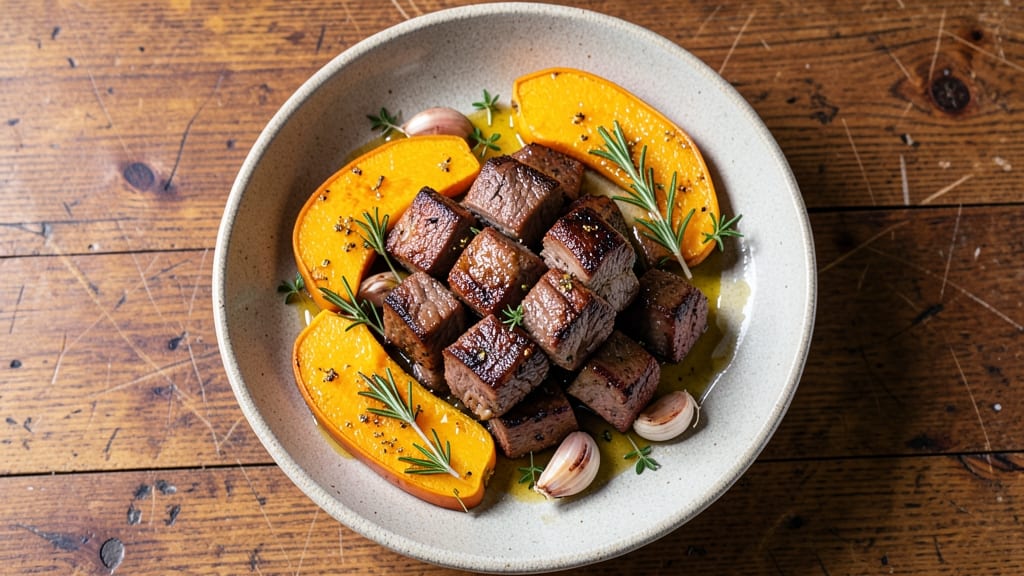
This beef and yellow squash recipe transforms simple ingredients into a one-pan masterpiece that balances rich, savory beef with the natural sweetness of summer squash. The secret lies in high-heat searing for the beef, paired with aromatic herbs and olive oil that caramelize the squash into tender, golden perfection.
I developed this dish after years of testing how to marry hearty beef with delicate vegetables without overpowering either component.
The beauty of this recipe is its simplicity and depth—no complicated techniques, just a perfectly seasoned cut of beef that stays tender while the squash roasts to a caramelized finish on the edges.
The herbs and garlic infuse every bite, creating a dish that feels restaurant-quality yet comes together in under 45 minutes with minimal cleanup. This is the kind of meal that turns a weeknight into a special occasion without requiring hours in the kitchen.
What you’ll end up with is a harmonious blend of juicy, herb-crusted beef alongside squash that’s tender yet holds its shape, all resting on a bed of fragrant aromatics.
The beef remains moist and flavorful, while the squash develops a subtle sweetness that complements rather than competes with the savory notes.
Serve it over a bed of rice or crusty bread to soak up every last bit of the rich, herby sauce that forms at the bottom of the pan.
This dish works equally well for a cozy family dinner or an elegant gathering—just adjust the portion size. The leftovers reheat beautifully, making it perfect for meal prep. Let’s bring this one-pan harmony to your table with minimal effort and maximum flavor.
Ingredients for beef and yellow squash
Simple ingredients that create restaurant-quality harmony on one pan—no fuss, just flavor.
| Ingredient | Amount | Notes |
|---|---|---|
| Beef Chuck Roast 🥩 | 1 ½ lb | Pre-cubed for even cooking |
| Yellow Squash 🍠 | 2 medium | Or sub zucchini, halved lengthwise |
| Extra-Virgin Olive Oil 🫒 | 3 tbsp | For searing and roasting |
| Garlic Cloves 🧄 | 4 cloves | Minced for aromatic base |
| Fresh Rosemary 🌿 | ½ cup | Chopped, stems removed |
| Fresh Thyme 🌿 | ¼ cup | Leaves only, chopped |
| Diamond Crystal Kosher Salt 🧂 | 1 ½ tsp | For seasoning beef and squash |
| Freshly Ground Black Pepper 🌶️ | 1 tsp | Coarsely ground |
| Dried Oregano 🌿 | ½ tsp | Mediterranean blend preferred |
| Red Wine 🍷 | ½ cup | Bold Cabernet Sauvignon |
| Beef Broth 💧 | ½ cup | Low-sodium preferred |
| All-Purpose Flour 🌾 | 1 tbsp | For thickening sauce |
| Fresh Parsley 🌿 | ¼ cup | Chopped for garnish |
The beef cut matters most here. Chuck roast delivers that melt-in-your-mouth texture when cooked properly, while sirloin stays tough. Pre-cubed saves time—most butchers or grocery stores sell it that way. For the squash, yellow squash holds its shape better than zucchini during roasting, but either works. Fresh herbs make all the difference—Trader Joe's or local farmers markets have the best quality. The red wine should be bold—Cabernet Sauvignon or Merlot work perfectly, but any dry red will do. If you prefer not to use alcohol, beef broth with a splash of balsamic vinegar replicates the depth.
No fresh rosemary? Dried works at one-third the amount, but fresh has that piney aroma that's essential. Short on thyme? Fresh marjoram is a good substitute. The flour acts as a thickener—if you're avoiding gluten, cornstarch works equally well. For the beef broth, low-sodium versions prevent over-salting the dish. The garlic should be minced finely for even distribution of flavor. If you're using a whole roast, cube it yourself for uniform pieces—about 1.5-inch cubes cook perfectly. The squash halves should be cut crosswise into half-moons for even roasting.
This dish reheats beautifully—tastes even better the next day as flavors meld. Store leftovers in an airtight container for 4-5 days in the fridge. For longer storage, freeze portions for up to 3 months. The herbs can be prepped ahead and stored in the fridge for 3 days if wrapped tightly in plastic. The beef cubes can be seasoned and refrigerated for 24 hours before cooking. For meal prep, double the recipe and portion into containers—perfect for lunches all week.
Why You'll Love This Recipe
- One-Pan Magic: I swear by this recipe when I’m too tired to scrub pots—just sear the beef, toss in sliced squash, and let the garlic and rosemary work their flavor while you sip wine. The squash soaks up all that juicy beef drippings, turning slightly caramelized at the edges without any extra effort.
- Herb-Packed Punch: That beef chuck roast? It’s tender and rich, but the real star is the rosemary and garlic—freshly crushed cloves and sprigs of rosemary sizzling in olive oil until fragrant. It’s the kind of flavor that makes you close your eyes mid-bite, and it’s all from five ingredients.
- Weeknight to Dinner Party: Between us, this dish is my lazy Sunday supper and my “I’m hosting but don’t want to slave” go-to. Serve it with crusty bread for a casual meal, or plate it with a sprinkle of flaky salt for a restaurant-worthy look. The beef stays juicy and the squash holds its shape—no sad, mushy veggies here.
- Budget-Friendly Leftovers: A chuck roast stretches forever, and the squash adds freshness without breaking the bank. I make double portions because reheating this? The beef gets even more tender, and the squash stays bright—no sad, rubbery leftovers. It’s the kind of meal that turns into lunches for days.
Step-by-step instructions for one-pan herb-roasted beef and squash
This method delivers tender beef and caramelized squash with a rich herb-infused sauce.
Prepare the Beef and Vegetables
Pat the 1.5 lb beef chuck roast dry with paper towels and cut it into 1.5-inch cubes for even cooking. Halve the 2 medium yellow squash lengthwise and scoop out seeds if needed. In a large bowl, combine the beef cubes with 0.5 cup chopped fresh rosemary, 0.25 cup chopped fresh thyme, 1.5 tsp diamond crystal kosher salt, 1 tsp freshly ground black pepper, and 0.5 tsp dried oregano. Toss gently to coat evenly—this ensures maximum flavor penetration.
In a separate small bowl, whisk together 1 tbsp all-purpose flour and 1 tsp black pepper. Lightly dredge each beef cube in this mixture, pressing gently to adhere. This creates a golden crust during searing. Keep the seasoned beef and squash separate at this stage—they'll cook differently but come together beautifully later.
Sear the Beef and Roast the Squash
Heat 2 tbsp of the extra-virgin olive oil in a large Dutch oven or heavy oven-safe skillet over medium-high heat. Working in batches, add the dredged beef cubes and sear for 2-3 minutes per side until they develop a deep golden brown crust. Remove the beef and set aside—this step builds the foundation for the sauce's depth of flavor.
In the same skillet, add the remaining 1 tbsp olive oil and the halved squash, cut-side down. Roast for 8-10 minutes until the edges begin to caramelize and the flesh yields slightly when pressed with a fork. Remove the squash and set aside with the beef. The residual heat will continue cooking them gently during the next step.
Build the Herb-Infused Sauce
Reduce the heat to medium and add 4 minced garlic cloves to the skillet, cooking for 30 seconds until fragrant but not browned. Pour in the 0.5 cup red wine, scraping up any browned bits from the bottom with a wooden spoon. This deglazing step captures all the caramelized beef flavors that would otherwise be lost.
Add the 0.5 cup beef broth and bring to a gentle simmer. Stir in the seared beef and roasted squash, then return everything to the skillet. Cover and let it cook for 10-12 minutes on the stovetop, allowing the flavors to meld together. The beef should be tender enough to pierce with a fork, and the squash should be fork-tender with slightly softened edges.
Finish with Fresh Herbs and Garnish
Transfer the Dutch oven to a 400°F preheated oven and cook uncovered for 10 minutes to allow any remaining moisture to evaporate and the flavors to concentrate. This final step ensures the sauce thickens slightly and develops a rich, aromatic depth.
Remove from the oven and stir in the 0.25 cup chopped fresh parsley, reserving a small amount for garnish. Taste and adjust seasoning with additional kosher salt or black pepper if needed. The dish should balance rich beef flavors with bright herbal notes and a touch of acidity from the wine. Garnish each serving with the reserved parsley and serve immediately with crusty bread or over mashed potatoes.
Pro Tips For Making Beef And Yellow Squash
- SEAR THE ROAST LONG ENOUGH: The Chuck Roast needs a deep brown crust—don’t rush it. Five minutes per side on high heat, even if it looks uneven, builds flavor that won’t dissolve into the squash later.
- CHOP SQUASH UNIFORMLY: Cut the yellow squash into ½-inch thick rounds, not random chunks. Even pieces cook at the same rate, so you avoid mushy bits while others stay crunchy.
- SALT THE MEAT BEFORE SEARING: Pat the Chuck Roast dry, then generously salt it 40 minutes before cooking. This seasoning penetrates deeper than a quick sprinkle before hitting the pan.
- USE ROSEMARY SPRIGS, NOT CHOPPED: Tuck whole rosemary sprigs into the meat’s crevices during searing. They infuse aroma without turning bitter—no need to measure or strain them out later.
Pro cooking tips for this recipe
Searing Secrets
High-heat searing is where the beef's flavor magic happens. Use a cast-iron skillet or Dutch oven for even heat distribution—I love my Lodge 10.25-inch cast iron for this. Work in single-layer batches to avoid crowding, which steams instead of sears.
The goal is a deep golden-brown crust—this creates the Maillard reaction that builds complex flavors. If your pan isn't hot enough, the beef will release juices instead of developing that coveted crust. 🔥
Herb Prep Matters
Fresh herbs make all the difference—never skip the chopping! Use sharp kitchen shears or a chef's knife to finely mince the rosemary and thyme. The smaller the pieces, the more flavor they'll release during cooking.
For extra potency, lightly bruise the herbs between your fingers before adding them to the beef. This releases essential oils that infuse the meat. Store-bought dried herbs work in a pinch, but fresh delivers that bright, aromatic punch you can't replicate.
Wine Deglazing
The red wine deglazing step is non-negotiable for flavor depth. After searing, don't rinse the pan—those browned bits (fond) are packed with flavor. Use a wooden spoon to scrape them up while adding the wine. Let it simmer for 2-3 minutes to reduce slightly before adding broth.
This creates a rich, velvety sauce that coats every bite. For a non-alcoholic version, substitute with beef broth + 1 tbsp balsamic vinegar—it mimics the acidity beautifully.
Squash Timing
Yellow squash cooks faster than beef, so roast it separately first. Cut the squash into ½-inch thick half-moons for even cooking. Roast at 400°F for 8-10 minutes until tender but still holding shape. Overcooking turns it mushy—test with a fork for doneness.
The residual heat from the pan will finish cooking it slightly when combined with the beef, so don't worry about perfect timing here. 💫
Oven Finish
The 10-minute oven finish is my secret weapon for flavor concentration. Transferring the Dutch oven to the oven allows any remaining liquid to evaporate, thickening the sauce and deepening the aromatics. This step also ensures the beef reaches perfect doneness without overcooking.
For even heat distribution, place the pan on the middle rack of your oven. If your oven runs hot, reduce the temperature to 375°F to prevent drying.
Equipment Upgrades
While this recipe works with basic pots and pans, a few tools elevate the experience. A meat thermometer ensures beef reaches 145°F internal temperature (medium-rare). I recommend the Thermoworks Smoke for accuracy. For herb prep, a microplane creates ultra-fine herb textures that dissolve into the dish.
And for serving, slate serving boards keep everything warm while looking stunning. These aren't essential, but they make the process smoother and the results even better. 💡
Nutrition facts
Frequently asked questions
Can I substitute yellow squash with zucchini in this recipe?
Yes, you can use zucchini as a direct substitute! Both summer squashes have similar textures, though yellow squash holds its shape slightly better during roasting. For best results, slice zucchini ½-inch thick and reduce roasting time by 1-2 minutes since it softens faster. The flavor profile remains nearly identical.
What's the best cut of beef for this dish?
Chuck roast is ideal for this recipe because it stays tender when cooked slowly while developing rich flavor. For leaner options, try sirloin or ribeye, but they require shorter cooking times (8-10 minutes instead of 10-12 minutes) to avoid toughness. Avoid tougher cuts like flank steak without proper marinating.
How do I prevent the beef from drying out?
The key is proper searing and timing. Sear the beef until golden brown (2-3 minutes per side) to lock in juices, then finish with the oven step to retain moisture. Avoid overcrowding the pan during searing—work in batches. For extra insurance, add 1 tbsp beef broth to the pan during the final 10-minute oven finish.
Can I make this recipe ahead of time?
This dish actually tastes better the next day as flavors meld. Store leftovers in an airtight container for 4-5 days in the fridge. For reheating, warm gently in a skillet with 1 tbsp olive oil over medium-low heat for 5-7 minutes, adding a splash of beef broth if needed to restore moisture.
What's the best way to serve this dish?
This hearty beef and squash pairs beautifully with crusty bread or creamy mashed potatoes to soak up the rich sauce. For extra flair, serve on a bed of wild rice or with a simple arugula salad dressed with lemon vinaigrette. The dish also works well as a filling for stuffed bell peppers or flatbread wraps.