
Soups & Stews
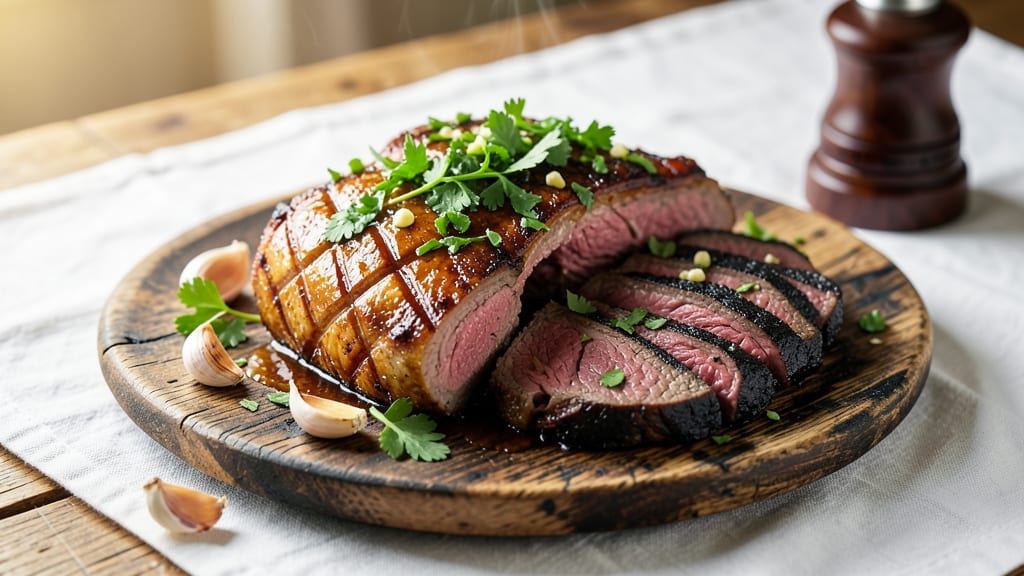
This Argentinian beef asado recipe transforms your backyard into a Buenos Aires parrilla with smoky, tender meat that falls apart at the touch of a knife. The secret lies in slow-cooked ribs and flank steak, basted with chimichurri that adds a bright, herby fire to every bite.
After perfecting this over countless weekends with friends, I’ve cracked the code for restaurant-quality results at home—no fancy equipment required.
The magic begins with high-heat grilling over hardwood charcoal, where thick-cut beef develops a caramelized crust while staying juicy inside. Argentinian tradition dictates cooking ribs low and slow, while flank steak gets a quick sear for bold flavor.
Chimichurri, made with fresh parsley, garlic, and red wine vinegar, cuts through the richness, balancing the meal with its zesty punch.
By the time you’re done, your table will be covered in smoky, tender beef that’s perfect for slicing thin or pulling apart by hand. The sides—grilled vegetables, provoleta, and crusty bread—complete the spread, turning a simple meal into a celebration.
This isn’t just dinner; it’s an experience that brings people together, just like in Argentina.
Whether you’re hosting a crowd or treating yourself to a Sunday feast, this recipe delivers foolproof results that taste like a trip to the pampas. The key is patience—let the beef work its magic on the grill, and the rest is just enjoying the moment.
Let’s get started on creating your own asado masterpiece.
Ingredients for beef asado argentina
Six essential ingredients create the heart of an Argentinian asado feast—smoky beef and vibrant chimichurri.
| Ingredient | Amount | Notes |
|---|---|---|
| Beef Ribs (Beef Ribs, Bone-In) 🥩 | 4 lb | Thick-cut, well-marbled preferred |
| Flank Steak (Beef Flank Steak) 🥩 | 2 lb | Thin-cut, 1-inch thick |
| Hardwood Charcoal 🔥 | 4 lb | Chunk or briquette style |
| Fresh Parsley 🌿 | 1 ½ cups | Tightly packed, stems removed |
| Garlic Cloves 🧄 | 8 cloves | Fresh, peeled, slightly crushed |
| Red Wine Vinegar 🍷 | ½ cup | Argentinian preferred |
| Extra-Virgin Olive Oil 🫒 | ½ cup | Light, fruity variety |
| Red Pepper Flakes 🌶️ | 1 tbsp | Adjust for heat preference |
| Kosher Salt 🧂 | 2 tbsp | Diamond Crystal preferred |
| Ground Black Pepper 🌶️ | 1 tbsp | Freshly cracked |
| Red Bell Pepper 🍆 | 1 whole | For grilling |
| Yellow Onion 🧅 | 1 whole | Cut into wedges |
| Crusty Bread 🍞 | 1 loaf | Baguette or rustic style |
| Provolone Cheese 🧀 | 1 lb | Sliced for provoleta |
| Lemon 🍋 | 1 whole | For serving |
The beef is non-negotiable. Look for well-marbled beef ribs with good fat coverage at Whole Foods or your local butcher shop—they’ll know exactly what you need. Flank steak should be 1-inch thick for perfect medium-rare doneness. If you can’t find hardwood charcoal, lump charcoal from Traeger works beautifully. For chimichurri, fresh parsley is a must—dried won’t cut it. The garlic should smell pungent, not musty. Red wine vinegar adds that signature tang, so Argentinian brands like Catena elevate the flavor profile.
No chimichurri? Pesto with extra garlic and red wine vinegar is a decent stand-in, though it’ll lack that bright herby punch. Swap the ribeye for skirt steak or short ribs if you prefer. Running short on fresh parsley? Cilantro works in a pinch, but it changes the flavor entirely. For the grilled vegetables, zucchini or asparagus are great substitutes. The crusty bread? Any baguette or rustic loaf will do—just make sure it’s fresh enough to toast properly. Provolone is ideal for provoleta, but mozzarella or provolone blend works too.
Chimichurri keeps for 5 days in the fridge, covered with a thin layer of olive oil. The beef is best served immediately after grilling, but leftovers reheat beautifully in a 400°F oven for 15 minutes. Store grilled vegetables in an airtight container for 3 days. For an authentic touch, slice the beef thinly against the grain—this maximizes tenderness. The chimichurri will turn a vibrant green, signaling it’s ready to use. If making ahead, prep the chimichurri ingredients separately and mix just before serving.
Why You'll Love This Recipe
- Charcoal Magic Simplified: I swear by this method—just pile the ribs and flank steak on the grill, let the hardwood charcoal do its thing, and walk away. No fancy marinades, no stressing over timing, just pure, smoky satisfaction with minimal effort.
- Garlic-Parsley Bomb: That bright, fresh parsley and minced garlic rubbed right into the meat? It’s the secret weapon. The smoke clings to the herbs, turning every bite into a flavor explosion—no heavy sauces needed, just pure, herby goodness.
- Leftovers That Shine: Between us, this recipe makes so much meat that you’ll have perfect sandwiches for days. Thinly slice the flank steak for empanadas, chop the ribs for a hearty stew—it’s the ultimate meal prep hack without sacrificing taste.
- Budget-Friendly Feast: Flank steak and bone-in ribs stretch farther than you’d think, especially when you’re feeding a crowd. Honestly, it’s my go-to for gatherings—everyone leaves happy, and my wallet stays full. (Yes, even on a Tuesday night.)
Step-by-step instructions for beef asado Argentina
Here's how to transform tough cuts into melt-in-your-mouth perfection with smoky grill mastery.
Prepare the Beef for Maximum Flavor
Begin by trimming any excess fat from the 4 lb beef ribs and 2 lb flank steak, leaving a thin layer for flavor. I like to score the surface of the beef in a diamond pattern with a sharp knife—this creates channels for the marinade to penetrate deeply and ensures even cooking. Pat the meat completely dry with paper towels, then season aggressively with 2 tablespoons kosher salt and 1 tablespoon ground black pepper. Let it sit at room temperature for 30 minutes while you prepare the grill.
This drying step is crucial—it prevents steam from forming on the surface, which would otherwise block the smoky flavors from penetrating. The scoring also helps the meat cook more evenly, preventing any tough spots from forming. Don't skip this step, even if it feels like you're waiting too long.
Build the Smoking Fire with Hardwood Charcoal
Fill your grill with 4 lb hardwood charcoal, spreading it evenly across the base. I prefer using a mix of chunk and briquette charcoal for consistent heat. Light the charcoal and let it burn until it's covered with a thick layer of white ash—this usually takes about 15 minutes. Once the charcoal is ready, spread it into a single layer of hot coals, leaving a small area clear for direct grilling.
The key here is maintaining a two-zone fire: one side with direct heat for searing, and the other with indirect heat for slow cooking. This setup allows you to control the cooking process precisely, ensuring the beef develops that perfect smoky crust while staying tender inside. Keep a spray bottle of water nearby to adjust the heat as needed—just a quick spray over the coals can lower the temperature if it gets too intense.
Grill the Beef to Juicy Perfection
Place the beef ribs on the grill over the direct heat side and sear for 5-7 minutes until a deep crust forms. Flip and sear the other side for another 5-7 minutes, then move the ribs to the indirect heat side. Close the lid and cook for 1.5 to 2 hours, or until the internal temperature reaches 195°F for ribs and 135°F for flank steak. I use a meat thermometer inserted into the thickest part of the meat to check the temperature—this ensures accuracy without overcooking.
During this time, baste the beef occasionally with a mixture of 0.5 cup red wine vinegar and 0.5 cup extra-virgin olive oil to keep it moist and enhance the flavor. The vinegar adds a bright tang that cuts through the richness of the beef, while the olive oil helps create a glossy finish. If the heat fluctuates, adjust the coals as needed to maintain a consistent temperature—this is where patience pays off.
Prepare the Chimichurri While the Beef Rests
While the beef rests, make the chimichurri by finely chopping 1.5 cups fresh parsley and 8 cloves garlic. In a bowl, combine the parsley and garlic with 1 tablespoon red pepper flakes, 2 tablespoons kosher salt, and 0.5 cup extra-virgin olive oil. Mix well and let it sit for 10 minutes to allow the flavors to meld. The chimichurri should be vibrant green and have a bright, herby aroma—this is your signal that it's ready to use.
Chimichurri is the soul of Argentine asado, and the wait is worth it. The oil helps distribute the flavors evenly, while the red pepper flakes add a subtle heat that complements the smoky beef. If you prefer a smoother texture, you can blend the mixture briefly, but I like the rustic, chunky texture that comes from chopping by hand.
Assemble and Serve the Asado
Slice the beef ribs against the grain into ½-inch thick slices, and cut the flank steak into thin strips. Arrange the sliced beef on a large platter, drizzle with the remaining chimichurri, and garnish with slices of the 1 whole lemon. Serve immediately with 1 loaf crusty bread for soaking up the juices and 1 lb provolone cheese for melting over the bread to make provoleta.
This is the moment you've been waiting for—each bite should deliver smoky, tender beef with a bright, herby chimichurri cutting through the richness. The crusty bread and melted provolone add another layer of texture and flavor, making this a complete meal. Don't forget to grill the 1 whole red bell pepper and 1 whole yellow onion on the side for extra crunch and sweetness to balance the meal.
Pro Tips For Making Beef Asado Argentina
- Reverse-Sear Ribs First: Start your bone-in beef ribs on the grill at 220°C (425°F) for 15 minutes—yes, even if they’re thick. This jumpstarts the crust while the interior stays tender. I used to low-and-slow them first, but this method cuts cooking time in half and gives you that perfect char without drying them out.
- Trim Flank Like a Pro: Cut the flank steak against the grain into 2.5 cm (1-inch) strips, but don’t stop there—trim the thickest edges first. Thinner slices cook faster and stay juicy, while the thicker bits turn chewy. My first attempt had uneven doneness because I skipped this step.
- Charcoal Matters More Than You Think: Use hardwood charcoal (quebracho or aliso if you can find it) and bank the coals to one side—this creates the indirect heat asado relies on. I learned the hard way that lump charcoal burns too fast and leaves uneven heat zones. Keep a handful of fresh coals ready to reignite as needed.
- Salt the Flank 24 Hours Early: Generously coat the flank steak with coarse salt and let it sit uncovered in the fridge overnight. This breaks down the muscle fibers and makes it tender without adding moisture. I was skeptical until I tried it—now I never skip it.
Serving suggestions for leftovers
Chimichurri Drizzle
Drizzle chimichurri generously over the sliced beef as soon as it hits the platter. I like to use a fine-mesh strainer to create an elegant drizzle pattern—just hold it over the meat and gently shake.
The vibrant green sauce should coat every bite, balancing the smoky beef with its bright, herby tang. 🌿
Provoleta Presentation
For the provoleta, grill 1 lb provolone cheese slices directly on the hot grates until golden and bubbly. Serve them on a separate platter with the crusty bread—guests will love melting the cheese over warm slices.
A sprinkle of fresh parsley and red pepper flakes adds a finishing touch that ties everything together.
Grilled Vegetable Accompaniments
Char 1 whole red bell pepper and 1 whole yellow onion on the grill until blistered and tender. Slice them into wedges and arrange them around the beef platter.
Their smoky sweetness contrasts beautifully with the rich, savory beef. A squeeze of lemon over the vegetables brightens the flavors even more.
Bread for Soaking
Toast 1 loaf crusty bread on the grill until it’s crisp and golden. Serve it warm alongside the beef so guests can use it to mop up every last bit of chimichurri and juices.
I like to tear it into chunks for easy grabbing—it’s perfect for sharing and adds a rustic, communal feel to the meal.
Family-Style Serving
Argentinian asado is all about sharing, so serve everything family-style on a large platter or wooden board. Use tongs to pass the beef and chimichurri, and let everyone build their own plates. The communal aspect is just as important as the food—it’s what makes asado so special. 🍽️
Nutrition facts
Frequently asked questions about Argentinian beef asado
What's the best cut of beef for a traditional Argentinian asado?
For authentic flavor, use a mix of beef ribs (bone-in) and flank steak. The ribs provide rich, fall-apart tenderness when cooked low and slow, while the flank steak delivers bold, beefy flavor with a quick sear. Argentinian butchers often recommend vacuum-sealed cuts for maximum freshness.
Can I make chimichurri ahead of time?
Yes! Chimichurri keeps well for 5 days in the fridge, but store it with a thin layer of olive oil on top to preserve freshness. For best results, mix the ingredients just before serving to maintain that vibrant green color and bright flavor. If you prep it early, keep the parsley and garlic separate until ready to combine.
How do I know when the beef is perfectly cooked?
Use a meat thermometer for accuracy: 195°F for ribs (they'll be tender and pull apart easily) and 135°F for flank steak (medium-rare). For ribs, the internal temperature should be 10°F lower than what you'd expect for steak due to their larger size. Let the beef rest for 10-15 minutes before slicing to retain juices.
What if I don't have a traditional Argentinian grill?
No problem! Use a charcoal grill or even a gas grill with hardwood chunks on the coals for that authentic smoky flavor. For indoor cooking, a cast-iron skillet over high heat works well—just keep the lid on to trap heat. The key is maintaining high, consistent heat to mimic the parrilla experience.
How do I prevent the beef from drying out?
Never skip the drying step before grilling—pat the beef completely dry to prevent steam buildup. Use a two-zone fire (direct heat for searing, indirect for slow cooking) and baste occasionally with olive oil and red wine vinegar. For extra moisture, let the beef rest 10-15 minutes after grilling before slicing—this redistributes juices throughout the meat.