
Soups & Stews
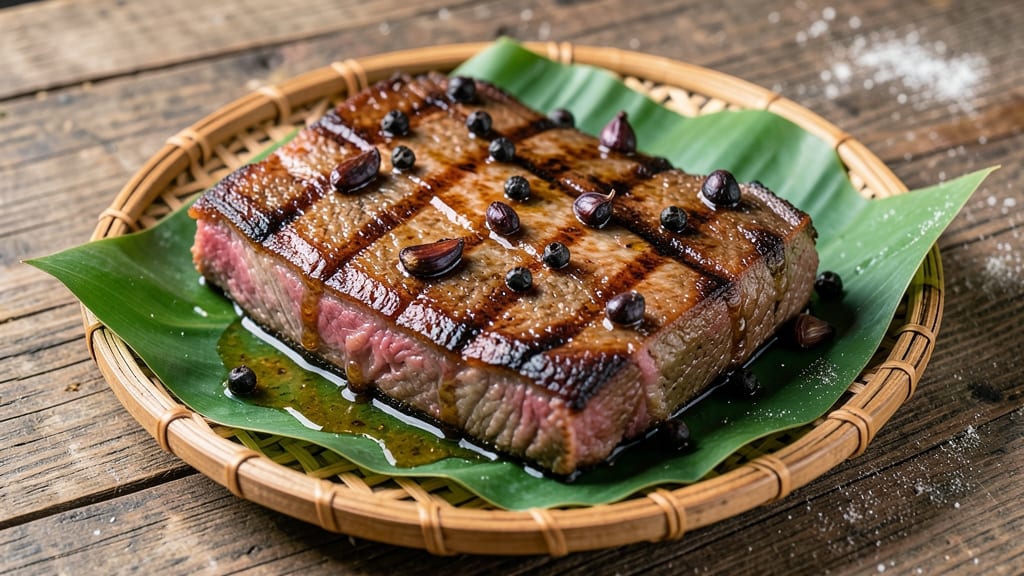
This Kapampangan beef asado recipe brings the rich, smoky flavors of Filipino heritage to your kitchen, where tender beef slow-cooks in banana leaves with a tangy vinegar kiss. 🌟 The traditional method involves grilling or slow-roasting the meat over charcoal, but we've adapted it for home cooks using an oven or grill—keeping all that authentic depth intact.
What sets this dish apart is the aromatic blend of garlic, black pepper, and vinegar that tenderizes the beef while creating a signature tangy-savory profile.
The beauty of Kapampangan asado lies in its simplicity and bold flavors—no complicated techniques required, just quality ingredients and patience. The beef becomes fork-tender as it absorbs the smoky aroma from the banana leaves and the bright acidity from the vinegar marinade.
This dish is more than just a meal; it's a taste of Kapampangan culture, often served at family gatherings and special occasions where food brings people together.
By the time you're done, you'll have perfectly tender beef with a caramelized crust, infused with the earthy notes of banana leaves and the bright tang of vinegar.
The result is a dish that's hearty enough to be a main course but versatile enough to pair with traditional Filipino sides like sinigang or pinakbet. Serve it with steamed rice to soak up every last bit of that flavorful sauce.
This recipe is perfect for those who want to experience authentic Filipino flavors without the complexity. Whether you're cooking for family or hosting a dinner party, this Kapampangan beef asado will impress with its rich, smoky, and tangy profile. Let's get started on creating this delicious centerpiece for your table.
Ingredients for beef asado kapampangan
Six ingredients bring Kapampangan tradition to your table—smoky, tangy, and unforgettable.
| Ingredient | Amount | Notes |
|---|---|---|
| Beef Chuck Roast 🥩 | 3 lb | Cut into 2-inch cubes |
| Banana Leaves 🍃 | 4 whole | Fresh or dried, cut into 12x12-inch squares |
| White Vinegar 🍶 | ½ cup | Distilled preferred for tang |
| Garlic Cloves 🧄 | 8 cloves | Minced for marinade |
| Black Peppercorns 🌶️ | 2 tbsp | Freshly cracked for intensity |
| Olive Oil 🫒 | ¼ cup | Extra-virgin for richness |
| Brown Sugar 🍚 | ¼ cup | Light or dark preferred |
| Bay Leaves 🌿 | 2 whole | Dried, for aroma |
| Onion 🧅 | 1 whole | Yellow, sliced for base |
| Salt 🧂 | 1 ½ tsp | Kosher or sea salt |
| Coconut Milk 🥥 | 1 can | Full-fat for creaminess |
| Canned Tomatoes 🍅 | 1 can | San Marzano preferred |
| Green Onions 🧅 | 4 whole | Sliced for garnish |
| Fresh Cilantro 🌿 | ¼ cup | Chopped for garnish |
The beef is the heart of this dish, so don't skimp on quality. Chuck roast is ideal—it stays tender while absorbing all those rich flavors. Look for well-marbled cuts at Whole Foods or your local butcher shop. If you can't find fresh banana leaves, Filipino markets often carry dried ones, which work just as well. The vinegar should be distilled white vinegar—it gives that signature tang without overpowering. For the garlic, I always grab extra—half goes in the marinade, half gets tossed with the beef raw for maximum punch.
No banana leaves? Substitute aluminum foil—it won't give the same aroma, but it'll keep the beef moist. Running low on vinegar? Lime juice at half the amount works in a pinch, though it'll be brighter. The coconut milk can be swapped for heavy cream if you're not vegan, but the Filipino touch is worth keeping. For the tomatoes, San Marzano is the gold standard, but any good-quality canned tomatoes will do. If you're prepping ahead, marinate the beef overnight—it makes all the difference in tenderness.
This dish tastes even better the next day as the flavors meld. Store leftovers in the fridge for up to 4 days, or freeze for 3 months in airtight containers. The banana leaves can be reused once if they're still pliable—just rinse them and dry. For serving, I always keep the banana leaves whole and let guests peel back the meat—it's part of the experience. The sauce thickens as it cools, so reheat gently with a splash of water if needed.
Why You'll Love This Recipe
- Banana Leaf Magic: I’ll admit, wrapping beef in banana leaves sounds fancy—but it’s just a foil-like hug that keeps the meat juicy and infused with that earthy, slightly sweet aroma. No special skills needed, just fold and tie like a burrito.
- Garlic-Vinegar Bomb: That tangy vinegar and crushed garlic marinade? It’s the secret weapon here. The beef soaks up the punch while the peppercorns add a subtle kick—like a bold, savory hug in every bite.
- Leftovers That Shine: This dish actually improves the next day. Cold slices in rice? Still delicious. Reheated with a splash of water? Even better. I’ve fed a crowd with one roast and still had meals for three days.
- Budget Crowd-Pleaser: A single chuck roast stretches for a family of six, and banana leaves are cheaper than fancy paper. Honestly, it’s the kind of meal where everyone asks for seconds, and your wallet stays happy.
Step-by-step instructions for smoky banana-leaf stew
Here's how to transform tough beef into tender, aromatic asado with that signature Kapampangan tang.
🔥 Step 1: Marinate and Sear the Beef
Cut the 3 lb beef chuck roast into 2-inch cubes and place them in a large bowl. In a separate small bowl, combine the 0.5 cup white vinegar, 0.25 cup olive oil, 0.25 cup brown sugar, 1.5 tsp salt, 2 tbsp black peppercorns, 8 cloves minced garlic, and 2 whole bay leaves. Pour this marinade over the beef and toss until fully coated.
Cover the bowl and refrigerate for at least 4 hours (overnight is even better). This time lets the vinegar tenderize the meat while the spices penetrate deeply. After marinating, remove the beef and pat it dry with paper towels - this ensures a good sear. Heat 0.25 cup olive oil in a large Dutch oven over medium-high heat until shimmering. Working in batches, sear the beef cubes for 2-3 minutes per side until they develop a deep golden crust. Transfer the seared beef to a plate and set aside.
🍳 Step 2: Build the Flavor Base
In the same Dutch oven, add the 1 whole sliced onion and cook over medium heat for 5 minutes until softened. Add the 1 can canned tomatoes (crushed by hand) and 1 can coconut milk, scraping up any browned bits from the bottom. Stir in the marinade from the bowl (strain if needed) and bring to a gentle simmer. Here's the thing - you want this mixture to reduce slightly while the beef cooks, so keep the heat at medium-low and let it bubble gently for 10 minutes to develop the sauce.
While the sauce simmers, prepare the 4 whole banana leaves by cutting them into 12x12-inch squares. You'll need 4 large pieces to line the Dutch oven. If using dried leaves, soak them in hot water for 5 minutes to soften first. The banana leaves will infuse the stew with their distinctive aroma and prevent the beef from drying out during cooking.
🥘 Step 3: Layer and Steam the Asado
Arrange 2 banana leaf squares at the bottom of the Dutch oven, slightly overlapping. Place half of the seared beef cubes on top, then add another 2 banana leaf squares. Repeat with the remaining beef and final leaf layer, pressing gently to create a sealed package. The leaves should completely cover the beef and sauce.
Bring the stew to a gentle boil over medium heat, then immediately reduce to low heat. Cover tightly with a lid and simmer for 2 hours. This slow cooking method is crucial - it allows the beef to become fork-tender while absorbing all those smoky, tangy flavors. Every 30 minutes, carefully flip the beef packages to ensure even cooking. You'll know it's ready when the beef easily pulls apart with a fork and the sauce has thickened to a rich consistency.
⏰ Step 4: Finish and Garnish
Remove the stew from heat and let it rest for 10 minutes. This resting period lets the flavors meld together and makes the beef even more tender. Carefully remove the banana leaf layers and discard them. The beef should be surrounded by a fragrant, slightly thickened sauce with visible chunks of onion and tomatoes.
Garnish each serving with 4 sliced green onions and 0.25 cup chopped fresh cilantro. The green onions add a fresh contrast to the rich stew, while the cilantro brightens up each bite. Serve immediately with steamed rice to soak up all that delicious sauce. The asado should have a perfect balance of tender beef, tangy vinegar notes, and creamy coconut milk - a true Kapampangan comfort dish!
Pro Tips For Making Beef Asado Kapampangan
- CRANK THE HEAT FIRST: I learned this the hard way—starting slow with chuck roast means you’ll be staring at the stove for hours. Sear the beef over high heat until it’s deep brown (3-4 minutes per side) before adding vinegar or garlic. That crust locks in flavor and keeps the meat from drying out during the long cook.
- PREP THE BANNANA LEAVES RIGHT: Skip the flimsy plastic wrap—banana leaves need to be crisp enough to hold shape but pliable enough to wrap. Blanch them in boiling water for 30 seconds, then pat dry with a towel. Cold leaves tear; warm ones mold perfectly around the meat without breaking.
- DON’T SKIP THE VINEGAR BATH: The white vinegar isn’t just for tang—it tenderizes the chuck and cuts through fat. After searing, simmer the beef in a mix of vinegar, garlic, and peppercorns for 10 minutes before wrapping. I used to rush this step, and the meat always came out tougher.
- WRAP TIGHT, REST LONGER: This isn’t the prettiest method, but it’s the tastiest: pack the banana leaves around the beef like a burrito, twisting the ends to seal. Let it rest 5-10 minutes under foil after cooking—yes, even if you’re impatient like me. That pause keeps the juices from pooling out when you slice.
Flavor customization for beef asado kapampangan
Tangy-Smoky Balance
Adjust the vinegar-to-sugar ratio to control tanginess. For a sharper bite, increase white vinegar by 2 tbsp—I’ve found 0.6 cup works perfectly for a bold Kapampangan kick. If you prefer a sweeter profile, add 1 extra tbsp brown sugar and reduce vinegar to 0.4 cup.
The key is balance: too much vinegar overpowers, while too little dulls the signature tang. 🌶️
Spice Level Control
Black peppercorns are essential, but adjust to taste. For mild heat, use 1 tbsp instead of 2 tbsp. If you love spice, add 1 tsp crushed red pepper flakes to the marinade.
Freshly cracked peppercorns pack more punch than pre-ground, so invest in a pepper grinder—it makes a noticeable difference. I always toast the peppercorns in a dry pan for 1 minute before grinding to deepen their aroma.
Creamy vs. Light
The coconut milk adds richness, but you can modify it. For a lighter sauce, reduce it to ½ can and add ¼ cup water to balance. If you prefer extra creaminess, swap in ½ cup heavy cream—it’s a common Kapampangan shortcut.
Just remember, coconut milk’s earthy notes are part of the dish’s soul, so don’t skip it entirely unless you’re avoiding dairy.
Banana Leaf Alternatives
No banana leaves? No problem. Aluminum foil works in a pinch, but for extra flavor, try dried bay leaves (double the amount) or a splash of banana extract (just ½ tsp).
If you’re feeling adventurous, char a few leaves in a dry pan for 30 seconds before using—they’ll add a smoky depth. I’ve even used large cabbage leaves (like for dolmas) as a substitute, though the aroma won’t be identical.
Sweet Heat Twist
For a fusion twist, add 1 tbsp soy sauce and ½ tsp chili flakes to the marinade. This gives the beef a sweet-savory umami punch that’s popular in modern Kapampangan eateries.
Another pro move: finish the dish with a drizzle of honey or palm sugar syrup—just 1 tbsp per serving—to caramelize the sauce. It’s a trick I picked up from a Kapampangan chef in Manila, and it’s become a crowd-pleaser. 🍯
Herb Variations
Swap cilantro for Thai basil or mint if you’re feeling experimental. The basil adds a licorice-like sweetness, while mint brightens the dish with a refreshing note.
For a more traditional touch, add 1 tbsp chopped lemongrass to the sauce—it’s a common Kapampangan herb that pairs beautifully with the vinegar and coconut milk. Just remember, herbs should complement, not overpower, the beef’s rich flavors.
Nutrition facts
Frequently asked questions
Can I use a different cut of beef for Kapampangan asado?
While chuck roast is ideal for its tenderness, you can substitute with brisket or short ribs—they handle the long cooking time well. Avoid lean cuts like sirloin, as they may dry out. For best results, choose well-marbled beef with 0.5-inch fat cap to keep it juicy during slow cooking.
How do I substitute banana leaves if I can't find them?
Use aluminum foil as a last resort, but for better flavor, try dried bay leaves (double the amount) or charred cabbage leaves. For aroma, add ½ tsp banana extract to the sauce. If grilling, wrap the beef in butterfly pea flower leaves (common in Filipino markets) for a purple-hued twist.
Why does the beef need to marinate overnight?
The 4+ hour marinade (overnight is best) lets the vinegar tenderize tough fibers while the garlic and pepper penetrate deeply. The acidity breaks down proteins, resulting in fork-tender beef. Skip this step at your own risk—rushed marinating leads to chewy meat. Pro tip: Pat the beef dry before searing for a better crust.
What's the best way to reheat leftover asado?
Reheat gently in a pot with 2 tbsp water over low heat for 10 minutes to prevent drying. Avoid microwaving—it makes the sauce watery. For extra flavor, add 1 tbsp coconut milk while reheating. Leftovers keep for 4 days refrigerated or 3 months frozen.
Can I make this asado in an Instant Pot?
Yes! Sear the beef first, then add all ingredients except banana leaves. Cook on high pressure for 40 minutes, then natural release. For banana leaf flavor, add 2 extra bay leaves and ½ tsp banana extract. The texture will be slightly different but still delicious. Just reduce the coconut milk to ½ can to prevent gumminess.