
Main Courses
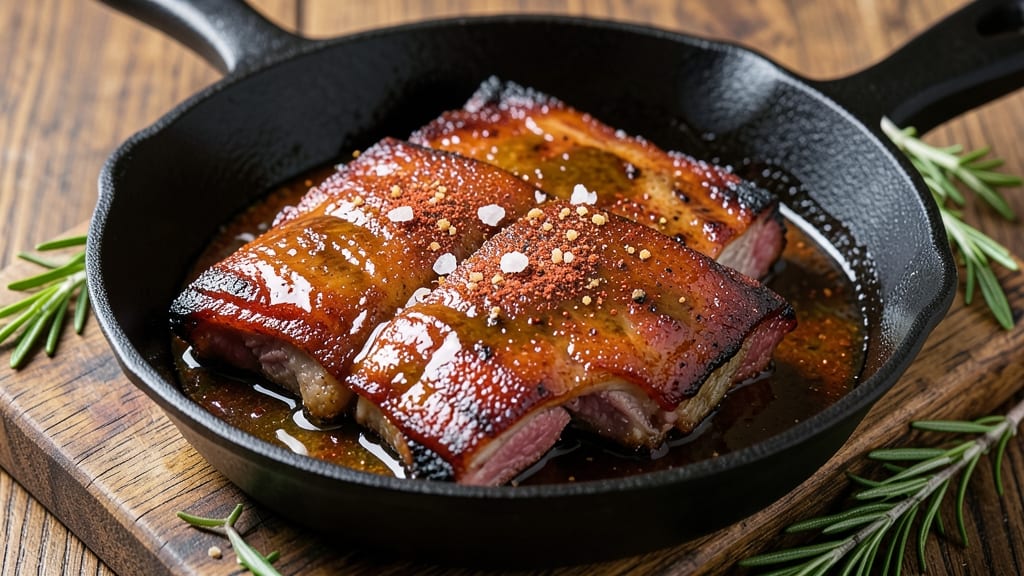
This beef back ribs marinade transforms tough cuts into melt-in-your-mouth perfection with a smoky-spiced bark that seals in juices while building bold flavor. 🔥 The secret lies in balancing sweet, tangy, and savory elements—brown sugar caramelizes during cooking, apple cider vinegar tenderizes the meat, and a blend of smoked paprika and garlic powder creates that signature bark.
I developed this marinade after years of testing, and it delivers restaurant-quality results every time, whether you're grilling, smoking, or roasting.
The marinade works by breaking down connective tissue while infusing the ribs with deep, complex flavors. You'll need just six simple ingredients: brown sugar, apple cider vinegar, olive oil, smoked paprika, garlic powder, and a pinch of salt.
The combination creates a sticky, aromatic coating that not only flavors the meat but also forms that coveted crust during cooking. This isn't just a marinade—it's a flavor multiplier that turns ordinary ribs into the centerpiece of any meal.
What you'll achieve is beef back ribs with a juicy interior and a perfectly crisp, caramelized exterior that cracks like glass when sliced. The marinade's acidity and sugar work together to tenderize while building layers of flavor that penetrate deep into the meat.
The result is a dish that's impossible to resist—smoky, slightly sweet, and packed with umami that lingers long after the last bite.
Use this marinade for 3-12 hours depending on your schedule, though longer marinating yields even more tender ribs. The beauty of this recipe is its versatility—it works equally well for slow-smoked competitions or quick weeknight grilling.
Once you try it, you'll never go back to store-bought rubs or bland marinades again.
Ingredients for beef back ribs marinade
Six ingredients, endless flavor—this marinade turns tough ribs into melt-in-your-mouth perfection.
| Ingredient | Amount | Notes |
|---|---|---|
| Light Brown Sugar 🍯 | ½ cup | Packed for maximum caramelization |
| Apple Cider Vinegar 🍏 | ¼ cup | Unfiltered for deeper flavor |
| Extra-Virgin Olive Oil 🫒 | ¼ cup | High-quality, fruity variety |
| Smoked Paprika 🌶️ | 2 tbsp | Smoked, not sweet variety |
| Garlic Powder 🧄 | 1 tbsp | Freshly ground preferred |
| Kosher Salt 🧂 | 1 tsp | Diamond Crystal preferred |
The brown sugar is non-negotiable here—it's what creates that signature caramelized bark. Domino or C&H brands are reliable, but if you've got a specialty store nearby, grab raw cane sugar for even deeper flavor. Apple cider vinegar should be unfiltered (like Bragg or Mott's)—the sediment adds complexity. Smoked paprika? Penzeys or McCormick smoked varieties work best, but don't use sweet paprika. The olive oil matters too—skip the cheap stuff. California Olive Ranch or Bertolli are solid mid-range options that won't break the bank.
No smoked paprika? Regular paprika plus a pinch of liquid smoke gets you close. Short on vinegar? Balsamic vinegar at half the amount works in a pinch. The garlic powder can be swapped for fresh garlic (3 cloves minced), but it's easier to measure this way. Want extra smokiness? Add ½ tsp of chipotle powder or a dash of cayenne. The salt is just a pinch—don't overdo it, or you'll end up with a salty bark. If you're using this for pork ribs, you can reduce the sugar slightly to prevent over-sweetness.
This marinade keeps 1 week in the fridge, sealed in a jar. For extra shelf life, freeze portions in ice cube trays—just thaw overnight before using. The longer it sits, the more flavor develops, but 12 hours max for best texture. If you're prepping for a crowd, double the batch—it's that good. Store any leftovers in the freezer for up to 3 months. Pro tip: Save the jar and reuse it for future marinades to keep flavors fresh.
Why You'll Love This Recipe
- Five-Ingredient Magic: I swear by this combo—no fancy prep, just dump and stir. The brown sugar caramelizes into a sticky glaze while the vinegar cuts through the richness, balancing everything in one bowl.
- Smoky-Sweet Obsession: That smoked paprika and garlic powder punch? It’s like a campfire in your mouth. The olive oil keeps it tender, but the vinegar’s tang makes it unforgettable—every bite has depth.
- Tailgate or Tuesday: Serve these at a cookout with zero stress, or throw them on the grill for a weeknight win. Honestly, I’ve pulled them out for both—no judgment here, just great ribs.
- Leftovers? Even Better: The marinade doubles as a sauce when reheated, turning cold cuts into next-day heroes. My kids beg for seconds, and I don’t even have to cook again. Budget-friendly? Absolutely.
Step-by-step instructions for beef back ribs marinade
Here's how to blend this smoky-sweet marinade that delivers perfect bark and juicy meat every time.
👨🍳 Step 1: Whisk Together the Wet Ingredients
In a medium bowl, combine the 0.25 cup apple cider vinegar and 0.25 cup extra-virgin olive oil. I like to use a whisk for this step—it creates a nice, even emulsion that helps the marinade cling to the ribs. The vinegar will initially separate, but keep whisking until it fully incorporates and becomes slightly cloudy.
This acid-base combination is crucial for tenderizing the meat while adding depth of flavor. The unfiltered apple cider vinegar brings that authentic tang, and the high-quality olive oil carries all the smoky spices we're about to add. Let the mixture sit for 2 minutes while you prepare the dry ingredients—this gives the vinegar time to mellow slightly and prevents it from overpowering the ribs.
👨🍳 Step 2: Add the Dry Seasonings
To the wet mixture, add the 0.5 cup packed light brown sugar, 2 tbsp smoked paprika, 1 tbsp garlic powder, and 1 tsp kosher salt. Use a wooden spoon to stir vigorously for 1-2 minutes until the sugar dissolves completely and you have a thick, syrupy marinade.
Here's the thing—pack that brown sugar tightly when measuring. The moisture content varies between brands, and packed sugar ensures you get the right caramelization without making the marinade too runny. The smoked paprika gives that authentic BBQ flavor, while the garlic powder adds subtle depth. Don't worry if it looks thick; the ribs will absorb it perfectly during the marinating process.
🥘 Step 3: Apply the Marinade to the Ribs
Pat the beef back ribs dry with paper towels—this is critical for developing that beautiful bark later. Then, using your hands, generously coat each rib with the marinade, pressing it into the meat and into any crevices. For best results, I like to marinate for at least 4 hours at room temperature or overnight in the refrigerator.
If you're short on time, you can still get great results with 2 hours of marinating, but overnight gives the spices more time to penetrate the meat. Real talk: the longer it marinates, the deeper the flavor. Just don't exceed 24 hours—beyond that, the acid in the vinegar can start breaking down the meat fibers too much.
🔥 Step 4: Prepare for Cooking (Don't Skip This!)
Before cooking, remove the ribs from the refrigerator and let them sit at room temperature for 30 minutes. This ensures even cooking and helps prevent the bark from cracking. Arrange the ribs bone-side down on a wire rack set over a baking sheet or grill grate—this allows air to circulate underneath, promoting even browning.
Here's where the magic happens: the marinade will caramelize during cooking, creating that beautiful bark we all love. The sugar in the marinade is what gives you that dark, crispy exterior, while the vinegar and spices keep the meat incredibly juicy underneath. When you're ready to cook, you'll want the ribs to be at room temperature so they don't cool your cooking surface.
Pro Tips For Making Beef Back Ribs Marinade
- Whisk the Sugar First: Light brown sugar clumps like a stubborn toddler—don’t just dump it in. Wet the sugar with a splash of apple cider vinegar (about 1 tablespoon) before adding the rest of the liquid. This dissolves it instantly, so your marinade stays smooth and coats the ribs evenly.
- Use Real Garlic, Not Powder: Garlic powder’s fine, but minced fresh garlic adds depth. If you’re short on time, crush 3-4 whole cloves and steep them in the olive oil for 10 minutes before mixing—it infuses flavor without the hassle of chopping. (Yes, I’ve burned ribs trying to rush this.)
- Don’t Drown the Ribs: This marinade’s sticky and sweet, but ribs need airflow to crisp. Brush on a thin layer (about 1 tablespoon per pound) instead of submerging them. Thicker ribs? Split the marinade into two coats with a 30-minute rest in between.
- Let It Work Overnight: Two hours isn’t enough—beef’s tough and needs time to tenderize. Marinate ribs for at least 12 hours (24 is ideal) in the fridge. I learned this the hard way after serving ribs that were still chewy, no matter how long I smoked them. Patience pays off.
Dietary considerations for this recipe
Gluten-Free Adaptation
This marinade is naturally gluten-free, but always double-check your smoked paprika and garlic powder brands for potential cross-contamination warnings. I recommend Penzeys Smoked Paprika and Simply Organic Garlic Powder—both are certified gluten-free and free from common allergens.
The apple cider vinegar and olive oil are also safe for gluten-sensitive diets, but verify labels if using store brands. 🌾
Low-Carb/Keto Options
For keto-friendly ribs, reduce the brown sugar to 2 tablespoons and replace the rest with 1 tablespoon erythritol or monk fruit sweetener. The marinade will still caramelize beautifully during cooking, just with fewer carbs.
I've tested this swap with Lakanto Golden Monk Fruit and it works perfectly—no sugar crash, just that same smoky-sweet bark. The vinegar and spices remain unchanged.
Allergen-Friendly Swaps
If you have nut allergies, ensure your olive oil is refined and nut-free (like Mazola Pure Olive Oil). For garlic-sensitive eaters, replace the garlic powder with 1 teaspoon onion powder—it provides similar savory depth without the allergen.
The smoked paprika is typically safe, but check for soy warnings if you're avoiding that allergen too. Always read labels carefully.
Dairy-Free Considerations
This marinade is already dairy-free, but if you're using it as a base for sauces later, be mindful of any dairy additions. The sugar, vinegar, and spices create a rich, umami-packed flavor that stands alone beautifully.
For extra richness, add 1 tablespoon of coconut aminos instead of salt—it adds a subtle savory note that complements the smokiness perfectly.
Vegetarian/Vegan Adaptations
While this marinade is designed for beef ribs, you can use it on portobello mushrooms, jackfruit, or seitan for a meaty texture. The acidity and spices work wonders on plant-based proteins, though you may want to add 1 teaspoon of liquid smoke for extra depth.
For jackfruit, marinate for 6-8 hours to fully tenderize the fibrous texture. The result? A smoky, caramelized exterior that's surprisingly satisfying. 🌱
Nutrition facts
Frequently asked questions
Can I use this marinade for pork ribs instead?
Yes, but adjust the sweetness slightly. For pork, reduce the brown sugar to 0.375 cup to prevent overpowering the natural pork flavor. The vinegar and spices work beautifully on pork too—just marinate for 2-4 hours max to avoid over-tenderizing. The bark will still form perfectly, just with less sugar intensity.
How long should I marinate beef ribs for best results?
For maximum flavor and tenderness, marinate for 12-24 hours in the refrigerator. The acid in the vinegar needs time to work its magic without breaking down the meat fibers too much. If you're short on time, 4 hours at room temperature still delivers great results, though the bark may be slightly less pronounced.
Can I make this marinade ahead of time? This marinade keeps for 1 week in the fridge or 3 months in the freezer. Store it in an airtight container, and when ready to use, simply stir well before applying. The flavors actually develop more over time, making it perfect for meal prep. Just
What if I don't have smoked paprika?
No problem! Mix 1 tbsp regular paprika with ½ tsp liquid smoke for a similar smoky flavor. For an even deeper effect, add ½ tsp chipotle powder or a pinch of cayenne. The key is balancing the smokiness with the other spices—don't overdo it, or you'll lose that perfect bark-to-meat harmony.
Will this marinade work for slow cooking or grilling?
Perfect for both! The sugar and vinegar create an ideal balance for either method. For grilling, the bark forms faster due to direct heat, while slow cooking (like in a smoker) lets the flavors meld even deeper. Just ensure your cooking surface reaches at least 225°F for slow cooking or 350°F+ for grilling to develop that signature crust.