
Main Courses
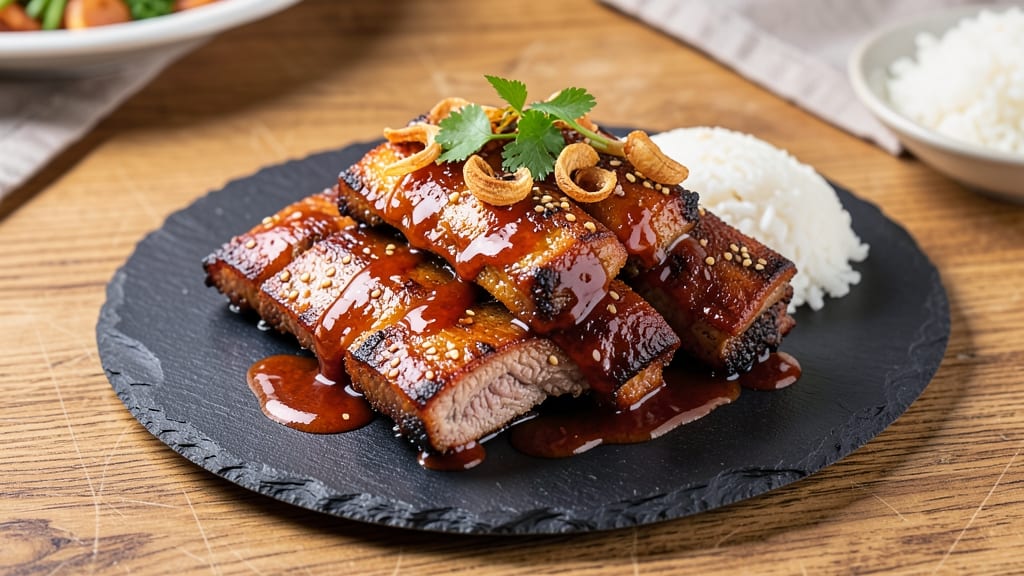
This Korean beef back ribs recipe delivers restaurant-quality flavor that clings to every bone, transforming tough cuts into melt-in-your-mouth perfection. 💛 I first discovered this technique during a trip to Seoul, where the smoky-sweet glaze became my obsession—it's the kind of dish that makes you want to lick the plate clean.
The secret lies in the marinade, where gochujang and soy sauce work together to tenderize while building layers of umami and heat.
The process begins with a 24-hour marinade that infuses the ribs with deep, complex flavors, then moves to either a smoky grill or slow oven where the meat becomes fork-tender.
What makes this recipe truly special is the glaze—a perfect balance of sweet and spicy that caramelizes beautifully during cooking, creating a sticky, flavorful crust that's impossible to resist. Every bite delivers that perfect harmony of smoky meat, sweet-savory glaze, and subtle heat.
By the time you're done, you'll have ribs that are so tender they practically fall apart, coated in a glossy glaze that clings to every surface. The aroma alone will have your whole house smelling like a Korean BBQ joint, and the flavor combination is simply addictive.
Serve with steamed rice and kimchi for the full experience—this is comfort food at its finest, with just the right amount of spice to keep things interesting.
Whether you're grilling outdoors or cooking in your kitchen, this method delivers professional-quality results with minimal effort. The key is patience—the marinating and slow cooking ensure maximum tenderness and flavor development. Trust me, once you try these ribs, you'll never go back to store-bought again.
Ingredients for beef back ribs recipe korean
Four pounds of meaty ribs plus a handful of pantry staples transform into restaurant-worthy Korean BBQ.
| Ingredient | Amount | Notes |
|---|---|---|
| Beef Back Ribs 🥩 | 4 lb | Bone-in, meaty sections preferred |
| Gochujang 🌶️ | ½ cup | Korean fermented chili paste |
| Soy Sauce 🍶 | ½ cup | Kosher or low-sodium preferred |
| Brown Sugar 🍯 | ½ cup | Packed, light brown preferred |
| Rice Vinegar 🍶 | ¼ cup | White or seasoned variety |
| Sesame Oil 🫒 | 1 tbsp | Toasted for authentic flavor |
| Garlic Cloves 🧄 | 6 cloves | Minced for marinade |
| Ginger 🌿 | 1 tbsp | Fresh, grated finely |
| Honey 🍯 | ¼ cup | Wildflower preferred |
| Asian Pearl Onions 🧅 | 1 piece | Sliced into rings |
| Green Onions 🧅 | 4 whole | Sliced for garnish |
| Sesame Seeds 🌾 | 2 tbsp | Toasted for crunch |
| Vegetable Oil 🫒 | 2 tbsp | For searing ribs |
| Salt 🧂 | 1 tsp | Kosher or sea salt |
| Black Pepper 🌶️ | ½ tsp | Freshly ground |
The ribs are non-negotiable—look for back ribs with good meat coverage between bones. Costco or local butchers often have the best cuts, but the regular supermarket meat section works too. If you can't find back ribs, spare ribs will work in a pinch, but they'll need extra cooking time. The gochujang is the magic ingredient—Maesil or Dobae brands are my go-to, but any quality Korean chili paste will do. Skip the pre-made marinades; homemade gives you that authentic depth of flavor that store-bought just can't match.
No gochujang? Substitute 3 tbsp sriracha plus 1 tbsp soy sauce—it won't be identical, but it'll get you close. Running low on honey? Maple syrup works 1:1, though the flavor will be slightly different. The brown sugar can be swapped for coconut sugar if you're watching your refined sugar intake. For extra umami, add 1 tbsp fish sauce (if you're okay with it) or 1 tsp miso paste for a vegetarian-friendly boost. The onions? Any white or yellow onion works—just slice them thin for that perfect caramelized bite.
Marinate the ribs overnight in the fridge—24 hours minimum for maximum tenderness. The glaze keeps for 1 week in the fridge, so make extra if you're planning to use it again. Store the leftover glaze in a sealed container with a splash of water to prevent drying. For leftovers, ribs reheat beautifully in the oven at 300°F (150°C) for about 20 minutes, covered with foil. I always make double batches because these disappear faster than you can say 'kimchi rice.'
Why You'll Love This Recipe
- Five-Ingredient Magic: I swear by this combo—gochujang’s deep heat, soy’s umami punch, and brown sugar’s caramel sweetness turn tough ribs into melt-in-your-mouth perfection. No fancy marinades, just a quick glaze that sticks like glue.
- Weeknight Hero: Between us, this is the dish that saves me when I’m staring at the fridge at 7:30 PM wondering what to feed everyone. Toss the ribs in the sauce, bake, and 90 minutes later, you’ve got dinner and leftovers that taste just as good cold the next day.
- Budget Feast: A pound of beef back ribs feeds four for under $20, and the sauce costs pennies. The gochujang and soy stretch thin, so I double the batch and freeze half—because nothing beats coming home to a slow-cooked meal that didn’t break the bank.
Step-by-step instructions for Korean beef back ribs
Here's how to transform tough ribs into melt-in-your-mouth perfection with that signature sticky glaze.
🔥 Step 1: Prep the Ribs for Maximum Flavor
Pat the 4 lb beef back ribs completely dry with paper towels—this helps the marinade cling and creates that coveted caramelized crust. Using kitchen shears or a sharp knife, trim any large silver skin or excess fat, but leave smaller fat caps intact. These will render down during cooking and baste the meat.
In a small bowl, combine the 0.5 cup gochujang, 0.5 cup soy sauce, 0.5 cup brown sugar, 0.25 cup rice vinegar, 1 tbsp sesame oil, 6 cloves minced garlic, 1 tbsp grated ginger, 0.25 cup honey, 1 tsp salt, and 0.5 tsp black pepper. Whisk until the brown sugar dissolves completely—this creates your marinade base. The mixture should be thick but pourable, with a vibrant reddish-brown hue from the gochujang.
Place the ribs in a large resealable plastic bag and pour the marinade over them. Seal the bag, then massage the marinade into every crevice using your hands. This ensures even flavor penetration. Let them marinate in the refrigerator for at least 4 hours (overnight is even better). The acidity in the rice vinegar and the enzymes in the gochujang will begin breaking down the tough connective tissue, making those ribs tender.
🍳 Step 2: Sear the Ribs for Deep Flavor
Preheat your oven to 300°F—we'll use the oven for most of the cooking, but starting with a sear on the stovetop builds incredible depth of flavor. Heat 2 tbsp vegetable oil in a large oven-safe skillet or Dutch oven over medium-high heat until shimmering.
Remove the ribs from the marinade (reserve the marinade for later) and let them sit at room temperature for 10 minutes. This prevents them from steaming when they hit the hot pan. Working in batches if needed, sear the ribs for 3-4 minutes per side until they develop a deep golden-brown crust. You'll smell that sweet, smoky aroma—this is where the magic begins. Don't overcrowd the pan, or the temperature will drop and you'll steam instead of sear.
Once all sides are seared, return the ribs to the skillet and pour the reserved marinade over them. Bring the mixture to a gentle simmer, then transfer the entire skillet to the preheated oven. This is the moment that matters: the marinade will slowly reduce and cling to the ribs as they cook.
⏰ Step 3: Slow Cook Until Fork-Tender
Cook the ribs uncovered for 2 hours, spooning the marinade over them every 30 minutes. This basting ensures the glaze develops evenly and doesn't burn. The ribs are done when they're fork-tender and the internal temperature reaches 195-203°F—this is when collagen breaks down into gelatin, making them fall-off-the-bone tender.
Here's the thing—don't peek too often. Every time you open the oven, you lose heat and moisture. Trust the process. If the glaze starts to dry out before the ribs are done, add 2 tablespoons of water to the pan and continue cooking. The ribs should be coated in a thick, glossy glaze with a beautiful caramelized crust.
🥘 Step 4: Finish with Crispy Topping and Garnish
Remove the ribs from the oven and increase the heat to 425°F. In a small bowl, toss the 1 piece sliced Asian pearl onions with 1 tbsp sesame oil and 1 tbsp toasted sesame seeds. Spread these evenly over the ribs and return them to the oven for 5-7 minutes until the onions are caramelized and the glaze is bubbling.
While the ribs finish, slice the 4 whole green onions into 1-inch pieces. Once the ribs are beautifully caramelized, transfer them to a serving platter. The glaze should be thick enough to drip slightly when you lift the ribs. Garnish with the sliced green onions and any remaining sesame seeds.
Let the ribs rest for 5 minutes before serving—this allows the juices to redistribute. Serve immediately with steamed rice to soak up that delicious glaze. Each bite should deliver perfectly tender meat with a balance of sweet, spicy, and umami flavors that cling to every bone.
Pro Tips For Making Beef Back Ribs Recipe Korean
- Trim the Fat First: Cut away the thick silver skin and excess fat from the beef ribs before cooking—it’s not just for looks. I learned this the hard way when my first batch turned greasy instead of caramelized, and the sauce kept sliding off.
- Simmer the Sauce Low: Reduce the gochujang, soy sauce, and brown sugar sauce on medium-low heat until it thickens to a syrup-like consistency—about 10-12 minutes. After burning two batches, I finally realized high heat turns it bitter, and you’ll miss that glossy, clingy finish.
- Skip the Rice Vinegar Rush: Add the rice vinegar last—right before serving—so it doesn’t cook off and leave your ribs tasting flat. I was skeptical until I tried it; now I swear by the bright, tangy punch it gives without overpowering the gochujang’s depth.
- Rest Before Slicing: Let the ribs sit under foil for 5-10 minutes after cooking—yes, even if you’re impatient. This locks in juices, and I’ve seen ribs go from dry to fork-tender just by waiting. Slice against the grain for that melt-in-your-mouth texture.
Wine and beer pairings for this recipe
Korean Lager Pairings
For these ribs, I always reach for a crisp, light-bodied Korean lager like Hite or OB (Oriental Brewery). The subtle malt sweetness and clean finish cut through the rich, caramelized glaze without overwhelming the dish.
These lagers are brewed with rice and barley, giving them a smooth, slightly effervescent quality that refreshes your palate between each bite of sticky-sweet rib. 🍺
Fruity Korean Soju
If you want to lean into the Korean BBQ experience, serve yuja-flavored soju (like Chum Churum) alongside these ribs. The citrusy yuja pear aroma complements the sweet-spicy glaze beautifully, while the alcohol helps cleanse your palate.
For a non-alcoholic option, try yuja soda—it’s equally refreshing and pairs perfectly with the umami depth of the ribs.
Red Wine Contrast
For a more unexpected but equally delicious pairing, opt for a light-bodied Korean red wine like Geumgangju Cabernet Franc. The bright acidity and red fruit notes (think cherry and plum) stand up to the gochujang’s heat while harmonizing with the caramelized onions.
If you can’t find Korean wine, a Pinot Noir from Oregon (my home state!) works wonderfully—its earthy undertones echo the smoky-sweet profile of the ribs.
Beer Brewing Tips
If you’re feeling adventurous, brew your own Korean-style lager at home using rice malt and a touch of gochugaru (Korean chili flakes) in the fermenter. The subtle heat in the beer will mirror the ribs’ spice level, creating a cohesive drinking experience.
For a quicker option, infuse Hite beer with 1 tsp gochujang and 1 tsp honey per bottle, then chill for 24 hours before serving.
Non-Alcoholic Options
Don’t overlook Korean barley tea (boricha)—its nutty, slightly bitter notes balance the sweetness of the glaze perfectly. For something more refreshing, try omija soda, a tart berry drink that adds a bright contrast to the rich ribs.
Both are staples in Korean BBQ joints and will elevate your meal without alcohol.
Nutrition facts
Frequently asked questions
Can I substitute spare ribs for back ribs in this recipe?
Yes, but expect 1-2 extra hours of cooking time since spare ribs have more connective tissue. The marinade and glaze will still work beautifully—just monitor for tenderness using a meat thermometer (195-203°F). For faster results, consider brining the spare ribs for 4-6 hours before marinating to help tenderize them.
How spicy will these ribs be? Can I adjust the heat?
The gochujang provides moderate heat—think "warm" rather than "fiery." For milder ribs, reduce gochujang to 0.25 cup and add 1 tbsp honey to balance. For extra kick, add 1 tbsp gochugaru (Korean chili flakes) to the marinade. Always taste-test the marinade first!
What's the best way to reheat leftover ribs?
Wrap ribs tightly in foil with a splash of water and reheat at 300°F (150°C) for 15-20 minutes. For extra crispiness, broil for 2-3 minutes at the end. Avoid microwaving—it makes the glaze rubbery. Leftovers keep 3-4 days refrigerated or 3 months frozen (wrap tightly in plastic).
Can I grill these ribs instead of oven-braising?
After searing, transfer ribs to a grill set to medium-low (250-275°F). Cook 2-3 hours with indirect heat, basting every 30 minutes. For smoky flavor, add chopped green onions and wood chips (hickory or apple) to the grill. Finish with the caramelized onions under the broiler for 5 minutes.
What sides pair best with Korean beef ribs?
Serve with steamed jasmine rice (essential for soaking up glaze), kimchi (cuts through richness), and quick-pickled cucumbers (refreshing contrast). For heartier meals, add mandu (Korean dumplings) or bokkeumbap (fried rice). The acidity in kimchi and pickles balances the sweet-spicy ribs perfectly!