
Soups & Stews
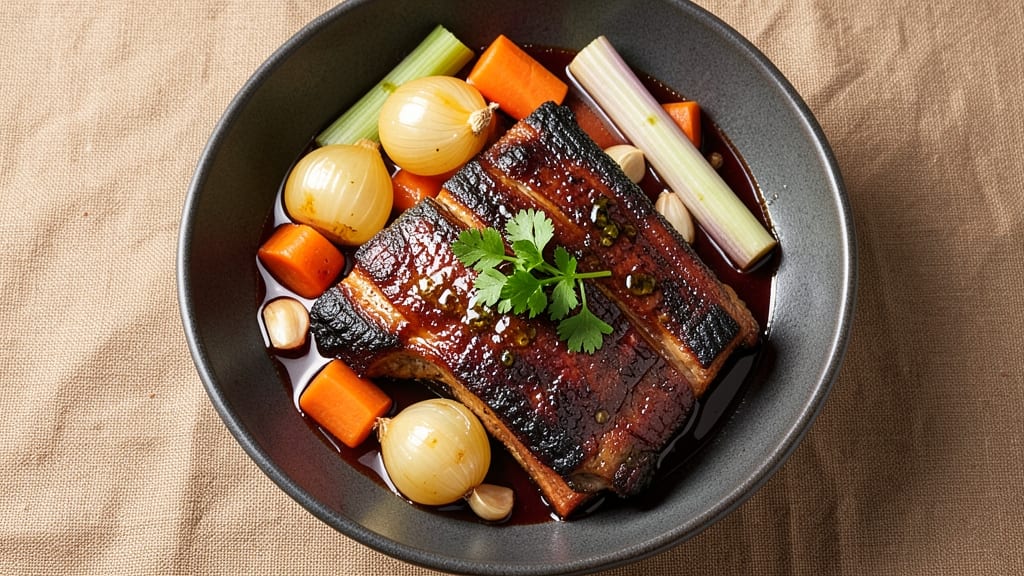
This beef back ribs stew recipe transforms tough ribs into melt-in-your-mouth perfection with a wok-tossed crunch that elevates every bite. The secret lies in searing the ribs first to lock in flavor, then slow-braising them until they fall apart—while keeping the edges crispy through a quick wok finish.
I developed this method after years of experimenting with braised ribs, and it finally delivers that perfect balance of tender meat and satisfying texture.
The process starts with a rich, aromatic broth built on beef bones and vegetables, then enriched with soy sauce, red wine, and a touch of brown sugar for depth. As the ribs braise for hours, they absorb these flavors, becoming impossibly tender while developing a caramelized crust.
The wok-tossing step at the end—where the ribs get a quick sear in a hot wok—creates that coveted crunch without sacrificing any of that braised tenderness.
What you'll end up with is a stew that's hearty enough for a family dinner but elegant enough for company—deeply flavorful beef ribs swimming in a velvety sauce, with just the right amount of crispy edges.
The aroma alone will have everyone gathering around the table, and each bite delivers that perfect contrast of textures and rich umami flavor. This is the kind of stew that turns a simple weeknight into a memorable meal.
Serve it with crusty bread for soaking up the sauce, alongside mashed potatoes or roasted root vegetables. The leftovers reheat beautifully, making this an ideal recipe for meal prep. Let's get started—your taste buds will thank you.
Ingredients for beef back ribs stew
Six pounds of ribs and 15 simple ingredients make this rich, umami-packed stew unforgettable.
| Ingredient | Amount | Notes |
|---|---|---|
| Beef Back Ribs 🥩 | 4 lb | Bone-in, cut into 2-inch pieces |
| Yellow Onion 🧅 | 2 whole | Chopped, medium size |
| Carrots 🥕 | 4 medium | Peeled, cut into 1-inch chunks |
| Celery Stalks 🧅 | 4 whole | Cut into 1-inch pieces |
| Garlic Cloves 🧄 | 6 cloves | Minced, fresh preferred |
| Red Wine 🍷 | 1 ½ cups | Bold dry variety like Cabernet |
| Beef Broth 💧 | 4 cups | Low-sodium preferred |
| Soy Sauce 🍶 | ½ cup | Kikkoman preferred |
| Brown Sugar 🍯 | ¼ cup | Packed, light or dark |
| Tomato Paste 🍅 | ¼ cup | Squeeze tube preferred |
| Bay Leaves 🌿 | 2 whole | Fresh if available |
| Black Peppercorns 🌶️ | 1 tsp | Freshly cracked |
| Olive Oil 🫒 | ¼ cup | For wok tossing |
| Sesame Oil 🫒 | 1 tbsp | Toasted, for finishing |
| Fresh Ginger 🌿 | 1 inch | Peeled, grated |
The ribs are the star, so don't skimp. Costco or your butcher's counter will have the best cuts—look for good marbling and bright red color. I always ask for them to be cut into 2-inch pieces at the store to save time. The bones add incredible depth to the broth, so if you can find bone-in ribs, grab those. For the aromatics, Trader Joe's has pre-chopped onions and carrots that cut prep time in half, but fresh is always better if you've got the time. The ginger? Fresh is non-negotiable—it adds a bright punch that dried can't match.
No red wine? Beef broth with a splash of balsamic vinegar works in a pinch. Soy sauce can be swapped for coconut aminos at half the amount if you're avoiding soy. The tomato paste is worth the squeeze tube—it keeps forever and gives that deep, concentrated flavor without canned tomato mess. For the wok toss, avocado oil has a higher smoke point than olive oil if you're worried about burning. The sesame oil at the end? Toasted sesame oil adds that nutty aroma, but regular will work if that's all you've got. The carrots can be baby carrots if that's what's in your fridge.
This stew tastes even better the next day as all the flavors meld together. Keeps for 5 days in the fridge, or 3 months frozen in airtight containers. I always make double batches—leftovers reheat beautifully and make quick lunches. For the wok toss, work in batches so you don't overcrowd the pan. The ribs will crisp up perfectly, giving you that satisfying crunch without drying out the tender meat. Store the sauce separately if you want to reheat just the ribs for a quick meal later.
Why You'll Love This Recipe
- One-Pot Magic: The ribs practically cook themselves while the onions, carrots, and celery soften into that perfect mirepoix base—no extra pots, no fuss. Honestly, I just chop everything roughly (yes, even the ribs), toss it in, and let the slow simmer do the work.
- Deep, Savory Bomb: That first bite? The ribs fall off the bone so tender you’ll forget they were ever tough, while the garlic and carrot sweetness create this rich, almost smoky depth. Between us, it’s the kind of flavor that makes you want to eat it straight from the pot.
- Leftovers That Beg for More: This stew gets better the next day—seriously. The flavors meld into something heartier, and I’ve reheated portions for lunch without anyone ever complaining. (My coworker even asked for the recipe after one taste.)
- Budget-Friendly Feast: You’re getting a whole pound of ribs for a fraction of the cost of a restaurant plate, plus veggies that stretch the meal across the week. I’ll be real: it’s my go-to when grocery money’s tight, but no one ever guesses it’s the cheaper option.
Step-by-step instructions for beef back ribs stew
Here's how to transform tough ribs into tender, flavor-packed bites with a crispy wok-tossed finish.
Sear the Ribs for Deep Flavor
Heat a large Dutch oven over medium-high heat and add 0.25 cup olive oil. Working in batches, add the 4 lb beef back ribs in a single layer, bone-side down. Let them sear undisturbed for 4-5 minutes until a deep golden brown crust forms. Flip each piece and sear the other side for another 3-4 minutes.
This initial searing locks in juices and builds the rich, caramelized foundation for your stew. Don't crowd the pan—if needed, work in two batches. Once all ribs are browned, transfer them to a plate and set aside. You'll notice the ribs release easily when properly seared, which means they're ready for the next step.
Build the Umami-Packed Base
In the same Dutch oven, add 2 whole chopped yellow onion, 4 medium peeled carrots cut into 1-inch chunks, and 4 whole celery stalks cut into 1-inch pieces. Cook over medium heat for 8-10 minutes, stirring occasionally, until the vegetables soften and begin to caramelize.
Add 6 cloves minced garlic cloves and 1 inch peeled grated fresh ginger, cooking for another 1 minute until fragrant. Stir in 0.25 cup tomato paste and cook for 2 minutes to deepen the color. This aromatic base forms the flavor backbone of your stew—don't rush this step as the vegetables need time to develop their natural sweetness.
Deglaze and Simmer the Stew
Pour in 1.5 cups red wine and scrape up any browned bits from the bottom of the pot with a wooden spoon. Let the wine simmer for 3-4 minutes until reduced by half. Add 4 cups beef broth, 0.5 cup soy sauce, 0.25 cup packed brown sugar, 2 whole bay leaves, and 1 tsp freshly cracked black peppercorns.
Return the seared ribs to the pot, along with any accumulated juices. Bring to a gentle boil, then reduce heat to low and cover partially. Let the stew simmer for 2.5 hours, turning the ribs occasionally, until they're fork-tender and easily pull away from the bone. The liquid should reduce enough to coat the back of a spoon but still remain saucy.
Finish with Wok-Tossed Crunch
Remove the ribs from the stew and set aside. In a clean wok or large skillet, heat 1 tbsp toasted sesame oil over high heat until shimmering. Add the ribs in a single layer and toss vigorously for 2-3 minutes until they develop a glossy sheen and slight char in spots. This quick sear adds that signature crispy texture that makes this stew special.
Return the ribs to the stew pot and let everything heat through together for 5 minutes. Taste and adjust seasoning if needed—you might want to add a splash more soy sauce for saltiness or a touch of brown sugar for sweetness. The contrast of tender ribs with that wok-tossed crunch is what makes this dish truly unforgettable.
Pro Tips For Making Beef Back Ribs Stew
- Sear the Ribs First: Don’t skip browning—pat the ribs dry, then hit them with high heat in a Dutch oven for 3-4 minutes per side until deep golden. I learned this the hard way: skipping the sear means flavor that tastes like it’s hiding.
- Cut Celery and Carrots Large: Dice the celery and carrots into 1-inch chunks, not tiny matchsticks. They’ll hold their shape better during the long simmer, and you’ll actually taste them instead of a mushy, indistinguishable pulp.
- Simmer Low and Slow: After the initial cook, drop the heat to a bare simmer—just enough to see tiny bubbles at the edges. Too much heat = tough, stringy ribs. I used to rush it, and the results were chewy. Patience pays off.
- Use a Splash of Wine: Deglaze the pot with ½ cup dry red wine after searing the ribs—it cuts through the richness and adds depth. (Yes, even if you’re not a wine drinker.) Skip it, and the stew tastes flat.
Best sauces and condiments for this beef back ribs stew
Classic Brown Sauce
Start with the foundation of any great stew: a rich, deep brown sauce. In your Dutch oven, after searing the ribs, deglaze with 1.5 cups red wine and let it reduce by half before adding 4 cups beef broth.
The wine adds complexity while the broth keeps the sauce velvety. I like to add 0.5 cup Kikkoman soy sauce and 0.25 cup brown sugar to balance sweet and salty flavors. Simmer everything together for 2.5 hours to let the sauce develop its signature umami depth. 🍷
Sesame-Ginger Finish
The secret to this stew's irresistible crunch lies in the wok-tossed finish. After braising, remove the ribs and sear them in a hot wok with 1 tbsp toasted sesame oil for 2-3 minutes. The high heat creates a glossy sheen and slight char.
Finish with 1 inch grated fresh ginger tossed in at the end—this brightens the rich flavors and adds a subtle kick. The contrast between tender meat and crispy edges is what makes this sauce unforgettable. 🌶️
Umami Boost
For an extra layer of savory depth, stir in 0.25 cup tomato paste during the aromatic stage. It thickens the sauce slightly while adding a concentrated umami punch.
If you want to take it further, add 1 tbsp fish sauce or 1 tsp miso paste when combining the broth and wine. These ingredients amplify the meaty flavors without overpowering the dish. Trust me, your taste buds will thank you. ✨
Sweet-Salty Balance
The perfect stew sauce needs harmony between sweet and salty. Alongside the soy sauce, use 0.25 cup packed brown sugar to caramelize the edges of the ribs and mellow the acidity from the red wine.
For an extra touch, add 1 tsp honey or 1 tbsp maple syrup during the final 10 minutes of simmering. This creates a glossy, slightly sticky sauce that clings beautifully to the ribs. 🍯
Herb Garnish
Fresh herbs elevate any stew sauce instantly. After the ribs are finished, garnish with 2 tbsp chopped fresh cilantro or 1 tbsp sliced green onions for brightness. For a more robust flavor, try thyme sprigs or rosemary needles—simmer them in the sauce for 15 minutes before removing.
The aroma alone makes the dish feel restaurant-quality. 🌿
Nutrition facts
Frequently asked questions
Can I use pork back ribs instead of beef?
While pork ribs would work, beef back ribs are ideal for this recipe because of their richer, beefier flavor and natural fat content that creates a more luxurious sauce. Pork ribs tend to be leaner and might dry out faster during the long braising time. If you must substitute, use pork baby back ribs and reduce the cooking time by about 30-45 minutes.
How do I know when the ribs are fully tender?
Ribs are done when they easily pull apart with a fork and the meat slides off the bone with minimal resistance. Test by inserting a fork between the bones—if it goes in like butter, they're ready. The sauce should also coat the back of a spoon but remain saucy, not dry. Overcooking can make them mushy, so check at 2 hours if possible.
Can I make this stew in a slow cooker?
Sear the ribs first, then transfer everything to a slow cooker and cook on low for 6-7 hours or high for 3-4 hours. For the wok-tossed finish, transfer ribs to a hot skillet after cooking. The slow cooker method is perfect for hands-off prep, but you'll lose some of the caramelization from the Dutch oven.
What if I don't have a wok for the crispy finish?
No problem! Use a large cast-iron skillet or even a baking sheet. Heat it on high until smoking, then toss the ribs with 1 tbsp oil for 2-3 minutes until crispy. For extra crunch, broil for 1-2 minutes at the end. The key is high heat and quick cooking to create that satisfying texture.
How can I make this stew spicier?
Add 1-2 tbsp gochujang (Korean chili paste) when combining the broth, or stir in 1 tsp cayenne pepper with the soy sauce. For heat with depth, include 1-2 slices of fresh jalapeño (seeds removed) during simmering. Remove them before serving if you prefer milder heat.