
Soups & Stews
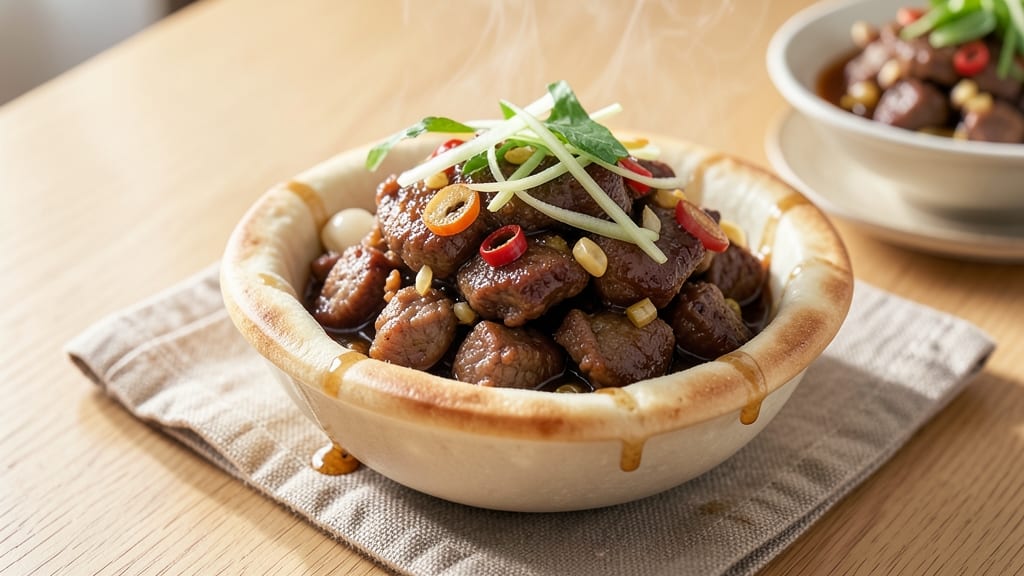
This beef bao filling recipe delivers the perfect balance of tender, spiced pork and aromatic shallots that transform simple buns into a flavor explosion. 🔥 The secret lies in finely minced pork that cooks down to a cohesive, juicy filling with just the right texture—neither too dry nor too greasy.
Every bite should burst with savory depth from soy sauce, bright freshness from scallions, and a subtle warmth from ginger and garlic.
What sets this filling apart is the technique of cooking the pork in small batches to render fat properly while keeping the meat tender. We'll use a combination of soy sauce, Shaoxing wine, and a touch of sugar to create that signature umami-rich flavor profile that's both complex and approachable.
The shallots add sweetness and texture, while fresh scallions provide a vibrant finish that cuts through the richness.
By the time you're done, you'll have a filling that's ready to be stuffed into steamed bao buns, where it'll create pockets of juicy, aromatic goodness. The filling should be cohesive enough to hold its shape when wrapped but still tender enough to melt in your mouth.
This is the kind of recipe that elevates bao from a simple snack to a restaurant-quality experience you can make at home.
The beauty of this recipe is its versatility—use it for traditional bao, bao buns, or even as a filling for dumplings. The technique ensures you'll get consistent results every time, with flavors that develop as they cook. Let's get started on creating the perfect beef bao filling.
Ingredients for beef bao filling
Finely minced pork and aromatic shallots create the perfect bao filling texture.
| Ingredient | Amount | Notes |
|---|---|---|
| Ground Pork Shoulder 🥩 | 1 ½ lb | Finely minced for even cooking |
| Shallots 🧅 | 1 ½ cups | Finely minced, about 12-15 whole |
| Fresh Garlic Cloves 🧄 | 6 cloves | Minced for aromatic depth |
| Fresh Ginger 🌿 | ½ cup | Finely grated, about 1.5 inch piece |
| Light Soy Sauce 🥄 | ½ cup | Kikkoman preferred for balance |
| Shaoxing Wine 🍷 | ¼ cup | Substitute dry sherry if unavailable |
| Granulated Sugar 🍚 | 1 tbsp | Balances saltiness |
| Scallions 🧅 | ¼ cup | Thinly sliced, white and green parts |
| Sesame Oil 🫒 | 1 tbsp | Toasted for nutty aroma |
| Vegetable Oil 🫒 | 1 tbsp | For high-heat cooking |
| Cornstarch 🌾 | 1 tbsp | For binding texture |
| Salt 🧂 | ½ tsp | Adjust to taste |
| White Pepper 🌶️ | ¼ tsp | Freshly ground for subtle heat |
The pork shoulder is key—ground finely for that restaurant-quality texture. Costco often carries pre-ground pork shoulder, but if not, ask your butcher to grind it extra fine. Shallots should be minced uniformly—no big chunks. The ginger? Freshly grated makes all the difference; pre-grated loses flavor fast. For the Shaoxing wine, Trader Joe's carries it at a good price, but any dry Chinese cooking wine works. If you can't find it, dry sherry is the next best thing—just reduce the amount slightly since it's stronger.
No Shaoxing wine? Dry sherry or even mirin will work in a pinch, though the flavor won't be identical. The sesame oil is non-negotiable—toast it first in a dry pan for 30 seconds to deepen the aroma. For the scallions, white parts only if you prefer a milder flavor, but I like the slight bite from the greens. The cornstarch is crucial for that cohesive texture—don't skip it. If you're making this ahead, cook the filling completely before storing, then reheat gently with a splash of water when ready to stuff.
This filling keeps 3 days in the fridge, sealed tightly in an airtight container. For longer storage, freeze in 1-tbsp portions on a tray, then transfer to a bag. Thaw overnight in the fridge before using. The flavors actually improve after 24 hours—the pork absorbs all the aromatics. When reheating, add 1 tsp water per 1 tbsp filling to prevent drying. Perfect for stuffing bao buns, dumplings, or even as a topping for noodles.
Why You'll Love This Recipe
- Pantry-Friendly Magic: I swear by this combo—no fancy ingredients, just ground pork shoulder, shallots, and a splash of soy sauce. The moment those aromatics hit the pan, my kitchen smells like a bustling bao shop, and I haven’t even left the house.
- Umami Bomb: That light soy sauce? It’s the secret weapon—deep, savory, and just salty enough to make your taste buds sing. The ginger and garlic aren’t just seasoning; they’re the soul of this filling, turning simple meat into something dangerously addictive.
- Bao or Bowl: Honestly, I make this for everything—stuffed in bao, tossed in noodles, or even over rice. The filling’s rich but balanced, so it works as the star or a sidekick without overpowering. My lazy Sundays? Solved.
- Leftovers That Don’t Suck: Between us, this filling tastes better the next day. I double the batch, freeze half, and pull it out for quick lunches or last-minute takeout nights. No sad, dry meat here—just tender, flavor-packed goodness waiting to be reheated.
Step-by-step instructions for spiced pork bao filling
Here's the method for creating tender, flavor-packed bao filling that melts in your mouth.
🍳 Step 1: Sauté Shallots and Aromatics Until Translucent
Heat the 1 tablespoon vegetable oil in a large skillet over medium-high heat. Add the 1.5 cups finely minced shallots and cook for 3-4 minutes, stirring frequently, until they become soft and translucent. This process draws out their natural sweetness without burning.
Add the 6 cloves minced garlic cloves and 0.5 cup finely grated fresh ginger. Cook for another 1-2 minutes until the garlic turns golden and the ginger becomes fragrant. Watch closely—the garlic burns quickly, so don't walk away. Remove the pan from heat temporarily to prevent overcooking.
👨🍳 Step 2: Cook the Ground Pork Shoulder Thoroughly
Return the skillet to medium heat and add the 1.5 lb finely minced ground pork shoulder. Break it up with a wooden spoon as it cooks, using your fingers to crumble any large clumps. Cook for 5-6 minutes until the pork loses its raw color and becomes light brown throughout.
I press down gently on the pork mixture during the first minute—this prevents it from curling and ensures even contact with the pan. The pork should be fully cooked through with no pink remaining. If it's sticking, add a splash of water and scrape up any browned bits from the bottom.
🍳 Step 3: Build Flavor with Soy Sauce and Shaoxing Wine
Pour in the 0.5 cup light soy sauce and 0.25 cup shaoxing wine, stirring to combine. Let the mixture simmer for 3-4 minutes until the liquid reduces by about half and clings to the pork. The aroma should deepen noticeably as the alcohol cooks off.
Add the 1 tablespoon granulated sugar and 0.5 teaspoon salt, mixing well. Taste the mixture—it should be savory, slightly sweet, and well-seasoned. If needed, adjust with additional soy sauce or sugar. This is where the filling develops its signature harmony of flavors.
🥘 Step 4: Finish with Cornstarch and Scallions
Sprinkle the 1 tablespoon cornstarch over the pork mixture and stir vigorously for 1 minute until the filling becomes thick and cohesive. The cornstarch helps bind the filling and gives it that characteristic bao texture. If it's too dry, add 1 teaspoon water at a time until it reaches a smooth, spreadable consistency.
Remove from heat and stir in the 1 tablespoon toasted sesame oil and 0.25 teaspoon freshly ground white pepper. Fold in the 0.25 cup thinly sliced scallions, reserving a few for garnish. The filling should be moist but not wet, with a fine, even texture perfect for stuffing bao buns.
⏰ Step 5: Rest and Prepare for Stuffing
Transfer the filling to a clean bowl and let it cool to room temperature for 15-20 minutes. This resting period allows the flavors to meld and the texture to stabilize. The filling should be tender, flavorful, and ready to stuff into your bao buns.
For best results, use the filling immediately. If storing, cover tightly and refrigerate for up to 2 days. Reheat gently in a skillet over low heat with a splash of water to prevent drying out. The filling should be warm but not hot when stuffing to avoid overcooking the bao buns.
Pro Tips For Making Beef Bao Filling
- STOP MINCING TOO FINE: Shallots and garlic should be roughly chopped—about 1/4-inch pieces—so they soften into the meat instead of turning to mush. I learned this the hard way when my first batch turned into a gray paste that tasted like overcooked wallpaper.
- SWEAT THE AROMS LOW: Cook the shallots, garlic, and ginger in a dry pan for 3-4 minutes before adding oil—just until they’re fragrant and slightly translucent. This builds flavor without burning, and yes, even if you’re impatient like me, resist the urge to rush this step.
- ADD SOY SAUCE LATE: Stir in the light soy sauce only in the last 2 minutes of cooking. Adding it earlier darkens the filling too quickly and makes it taste bitter. (Your bao wrappers will also stay cleaner this way.)
- USE COLD MEAT: Take the ground pork shoulder straight from the fridge and break it into chunks before cooking. Cold meat renders fat more evenly and prevents greasy filling—no need to thaw it first, just work fast.
Common mistakes when making great beef bao filling
Overcooking the Pork
One of the biggest mistakes is cooking the pork too long, which turns it dry and rubbery. I've seen beginners walk away from the pan for even a few minutes, and that's when things go wrong.
The pork should cook just until it loses its raw color—about 5-6 minutes over medium heat. If you're using a meat thermometer, aim for 160°F at its thickest point. 🔥
Skipping the Resting Time
Rushing to stuff the bao buns immediately after cooking is another common error. The filling needs that 15-20 minute rest to let flavors meld and the texture stabilize. I learned this the hard way—my first bao buns had filling that oozed out everywhere because I didn't let it rest.
The cornstarch needs time to fully bind, and the pork needs to relax from the heat.
Ignoring the Cornstarch
Many recipes call for cornstarch to create that perfect bao filling texture, but people often skip it or use too little. That's what makes the filling cohesive and easy to stuff.
When I first tried making bao filling without cornstarch, it was crumbly and fell apart when I tried to shape it. Use the full 1 tablespoon and adjust with water if needed to get that smooth, spreadable consistency.
Using Pre-Grated Ginger
Freshly grated ginger makes all the difference in flavor, but so many people reach for the pre-grated jarred version. The problem? It's often packed in saltwater or oil, which changes the flavor profile completely.
When I make this filling, I always grate my own ginger—it's just 1.5 inches worth—and the aroma is so much more vibrant. If you're in a pinch, use double the amount of fresh ginger and adjust the salt accordingly.
Not Toasting the Sesame Oil
The sesame oil should be toasted first to deepen its nutty aroma, but many people just pour it in raw. I heat 1 tablespoon in a dry pan over medium heat for 30 seconds until it's fragrant, then cool it before adding to the filling.
This simple step adds that authentic, restaurant-quality depth of flavor that makes your bao filling stand out.
Adding Scallions Too Early
Scallions should be added at the very end to preserve their bright, fresh flavor. I've seen people add them with the aromatics, and they end up cooking down completely, losing all their crispness.
Save 0.25 cup thinly sliced scallions for the final step, and you'll get that perfect pop of freshness in every bite. Reserve a few extra for garnishing the finished bao buns too!
Nutrition facts
Frequently asked questions about beef bao filling
Can I substitute ground beef for ground pork in this recipe?
Ground beef works, but pork is preferred for its natural fat content and tenderness. If substituting, use 85% lean ground beef and reduce the cornstarch to 0.5 tablespoons since beef releases less moisture. The flavor will be slightly different—pork has a cleaner taste that pairs better with the aromatic shallots and ginger.
How do I adjust the filling for smaller bao buns?
For smaller buns, reduce the filling amount by 30-40% per serving. The recipe makes enough for about 12 standard bao buns. If making mini bao, divide into 1-tablespoon portions and adjust the scallions to 0.125 cup total. Keep the same cooking technique to maintain texture.
What's the best way to reheat leftover filling?
Reheat gently in a skillet over low heat with 1 teaspoon water per 1 tablespoon filling to prevent drying. Stir constantly for 2-3 minutes until warmed through. Never microwave—it'll make the filling rubbery. For extra moisture, add a splash of Shaoxing wine or soy sauce when reheating.
Can I make this filling ahead of time?
Yes! Cook the filling completely, then store in an airtight container in the fridge for up to 3 days. For longer storage, freeze in 1-tablespoon portions on a tray, then transfer to a bag. Thaw overnight in the fridge—the flavors actually improve as they meld. Reheat gently before using.
Why does my filling look dry after cooking?
This usually happens from overcooking or insufficient cornstarch. The filling should be moist but not wet. If too dry, stir in 1 teaspoon water at a time until it reaches a smooth consistency. For future batches, reduce cooking time by 1 minute and ensure you're using the full 1 tablespoon cornstarch.