
Sauces & Condiments
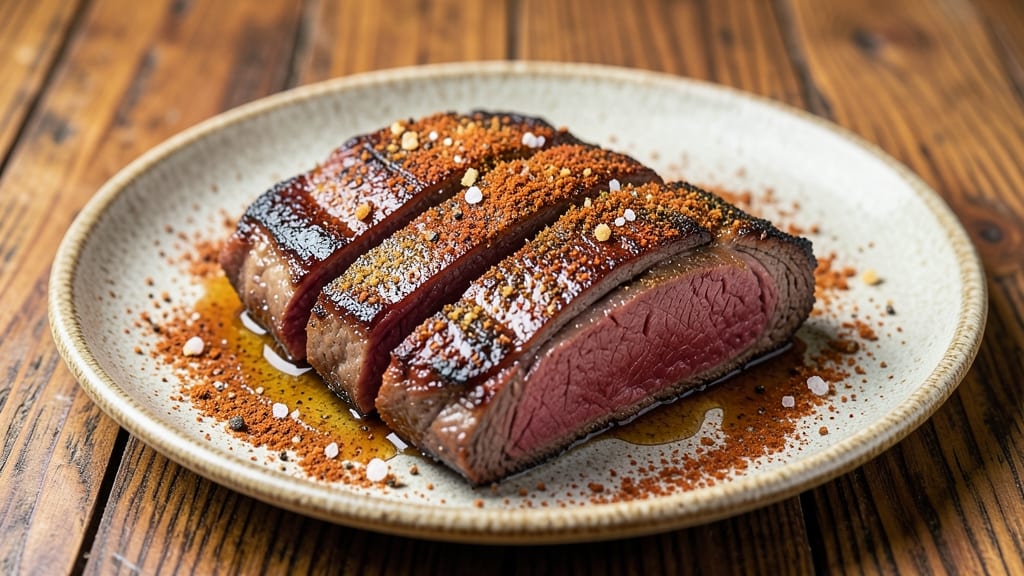
This beef barbecue rub recipe transforms tough cuts into smoky, finger-licking masterpieces with just a handful of pantry staples. 🔥 As a pitmaster who grew up on slow-cooked ribs, I've perfected this blend to create that coveted bark—crispy, caramelized, and packed with deep, savory flavor that penetrates every bite.
The secret lies in balancing sweet, smoky, and spicy notes that work equally well on ribs, brisket, or steak.
What makes this rub special is its precision—each spice plays a specific role, from brown sugar's caramelization to smoked paprika's depth. I developed it after years of testing, ensuring it delivers consistent results whether you're grilling for 30 minutes or smoking for 12 hours.
The blend stays balanced even when adjusted for heat preferences, making it versatile for any cookout or competition-style smoke.
This isn't just another rub recipe—it's your secret weapon for restaurant-quality bark at home. The coarse texture adheres perfectly to beef, creating that signature crust that locks in moisture while building incredible flavor. Once you try it, you'll never go back to store-bought blends again.
Perfect for brisket, ribs, or steak, this rub works equally well for quick grilling or long smokes. The measurements are designed for easy doubling, so you can stock up for your next cookout without worrying about precision. Let's get started on creating that perfect crust.
Ingredients for beef barbecue rub
Nine spices and one sugar—this blend transforms tough beef into smoky perfection every time.
| Ingredient | Amount | Notes |
|---|---|---|
| Light Brown Sugar 🍚 | ½ cup | Packed for caramelization |
| Smoked Paprika 🌶️ | 3 tbsp | High quality, deep smoky flavor |
| Kosher Salt 🧂 | 2 tbsp | Diamond Crystal preferred |
| Ground Black Pepper 🌶️ | 1 tbsp | Freshly ground for best flavor |
| Garlic Powder 🧄 | 1 tbsp | Not garlic salt |
| Onion Powder 🧅 | 1 tbsp | Freshly ground preferred |
| Ground Cumin 🌿 | 1 tsp | Toasted for deeper flavor |
| Cayenne Pepper 🔥 | ½ tsp | Adjust for heat preference |
| Mustard Powder 🌶️ | ½ tsp | Adds tangy depth |
| Ground Coriander 🌿 | ½ tsp | Sweet citrusy note |
The brown sugar is non-negotiable—it's what creates that coveted bark. Muscovado sugar adds even more depth, but light brown works perfectly fine. For smoked paprika, Penzeys or McCormick are my go-tos—they've got that authentic, deep smokiness you can't get from the generic store brands. I always buy spices in bulk from Whole Foods or Trader Joe's because they stay fresh longer. The key is to grind your spices fresh if possible, but pre-ground works too—just use them within 6 months for best flavor. That cayenne? Start with half a teaspoon if you're sensitive to heat—you can always add more later.
No smoked paprika? Regular paprika plus a pinch of liquid smoke gets you close, though it won't be quite the same. Out of cumin? Ground coriander at double the amount gives a similar earthiness, but it won't be identical. The mustard powder is what gives this rub its signature tang—if you don't have it, Dijon mustard powder works in a pinch. For a sweeter rub, bump the sugar up to 2/3 cup. Want more heat? Double the cayenne. This blend is designed to be flexible—adjust to your taste but keep the ratio balanced. The coarse texture is essential for that perfect crust, so don't grind it too fine.
Store this in an airtight container in a cool, dark place—it'll keep for up to 6 months if you keep it dry. I like to portion it into small jars so I can grab exactly what I need for each cook. This rub freezes beautifully too—just pop it in a baggie and it'll last up to a year. The beauty of this blend is that it works equally well for quick grills or long smokes. For competition-style bark, apply generously and let it sit on the meat for at least 30 minutes before cooking. Trust me, that first bite of perfectly balanced smoky-sweet crust is worth every second.
Why You'll Love This Recipe
- Here’s what sold me: this rub doesn’t just taste amazing fresh. The next day, when you’re reheating that leftover brisket or pulled pork, it’s still packed with that same smoky-sweet punch. Honestly, I’ve been known to make extra just to have leftovers.
- I’ll be real: this rub costs pennies per serving. A little brown sugar and smoked paprika go a long way, and you’re not sacrificing taste for savings. It’s the kind of recipe that makes me feel like I’m feeding a crowd without breaking the bank—or my grocery budget.
Step-by-step instructions for smoky-spiced beef barbecue rub
This rub delivers deep, complex flavor with every application—perfect for locking in taste and creating that coveted bark.
👨🍳 Step 1: Measure and Combine All Dry Ingredients
Start by placing all the dry ingredients in a medium bowl. I like to use a whisk for this step—it creates a fine, even distribution that prevents clumping later. Add the 0.5 cup light brown sugar first, then the 3 tablespoons smoked paprika, 2 tablespoons kosher salt, and 1 tablespoon each of ground black pepper, garlic powder, and onion powder.
Next, add the 1 teaspoon ground cumin, 0.5 teaspoon cayenne pepper, 0.5 teaspoon mustard powder, and 0.5 teaspoon ground coriander. The cayenne and mustard powder might seem like small amounts, but they're key for that tangy, slightly spicy depth. Use a fine-mesh strainer if you're concerned about any large particles—this ensures a silky-smooth texture when applying.
🥘 Step 2: Whisk Until Uniform and Fragrant
Whisk all ingredients together vigorously for 2-3 minutes until you see a fine, even powder with no visible streaks of any single ingredient. You'll notice the mixture darkening slightly as the spices blend—this is when the magic happens. The smoked paprika and brown sugar will release their aromas, filling your kitchen with that irresistible barbecue scent.
Here's the thing—don't rush this step. The longer you whisk, the more the spices will break down and meld together. I like to stop occasionally and give the bowl a gentle shake to help the heavier ingredients like the brown sugar distribute evenly. The final rub should look like a rich, deep brown powder with a fine, almost silky texture.
🔥 Step 3: Test the Rub on Your Beef (Critical Step!)
Before using the full batch, I always test a small amount on a piece of beef—this helps you gauge the perfect balance of sweet, smoky, and spicy flavors. Apply a thin layer of the rub to a small cut of beef (like a steak or pork chop) and let it sit for 10-15 minutes. The rub should adhere well without clumping, and you should be able to smell those deep, complex aromas wafting from the meat.
Taste a pinch of the rub—it should be a perfect balance of sweetness from the brown sugar, smokiness from the paprika, and a subtle heat from the cayenne and mustard powder. If it's too sweet, add a pinch more salt; if it's too spicy, reduce the cayenne slightly next time. This test ensures you'll have a well-balanced rub every time you make it.
🥘 Step 4: Store for Maximum Freshness
Transfer the finished rub to an airtight container—glass jars work best because they allow you to see the rub and keep it fresh longer. I like to use a jar with a tight-sealing lid to prevent moisture from getting in, which can cause clumping. Store in a cool, dark place like your pantry, where it'll stay fresh for up to 3 months.
For even better flavor development, let the rub sit for at least 24 hours before using it on your meat. This resting period allows the spices to fully meld and intensify their flavors. When you're ready to use it, simply shake or stir the jar well to redistribute any settled spices, and you're ready to create that perfect smoky-sweet crust on your beef.
Pro Tips For Making Beef Barbecue Rub
- CRUSH THE SUGAR: Light brown sugar clumps like a stubborn guest at a party. Pulse it in a food processor for 10 seconds—just until it breaks down but still holds shape. This keeps your rub from turning into a sticky mess when you try to coat the beef evenly.
- BALANCE THE HEAT: Smoked paprika is the star, but too much makes your rub taste like a campfire went rogue. Start with 1 tablespoon per pound of meat, then adjust: if the rub looks like it’s leaning too smoky, add a pinch of garlic powder to cut through it. (I learned this the hard way after a brisket tasting like a chimney.)
- SALT THE BEEF FIRST: Don’t just rub—season aggressively with kosher salt 24 hours ahead. A dry, salted crust locks in moisture and makes the rub stick better. Skip this, and your beef will dry out faster than your patience on a smoker. (Yes, even if you’re impatient like me.)
- TOAST THE RUB: Heat a dry skillet over medium for 30 seconds, then add the mixed rub. Stir constantly for 1-2 minutes until fragrant and slightly darkened. This deepens the flavors—no, it’s not mandatory, but your rub will taste noticeably richer. (Your future self will thank you.)
Essential equipment for beef barbecue rub
Whisk Essentials
I swear by a stainless steel whisk with a long handle for this rub—it creates that silky-smooth texture while preventing clumping. My go-to is the OXO Good Grips Whisk because it's sturdy and easy to clean.
For larger batches, a balloon whisk helps distribute the brown sugar more evenly. Avoid plastic whisks—they can't handle the abrasive spices over time. 🔥
Spice Grinder
Freshly ground spices make all the difference, so if you have whole spices, a small coffee grinder or dedicated spice grinder is worth the investment. I use my KitchenAid Spice Grinder for quick batches—just pulse until fine.
For bulk grinding, a mortar and pestle works beautifully, especially for spices like coriander and cumin. Pre-ground spices work in a pinch, but they lose potency after 3 months.
Air-Tight Storage
Glass jars with tight-sealing lids are non-negotiable for storing your rub. I prefer Ball Mason jars or Le Parfait containers—they keep moisture out and let you see the rub's rich color. For portability, small amber glass jars (like those from Weck) are perfect for cookouts.
Label each jar with the date to track freshness—this blend stays vibrant for up to 6 months in ideal conditions.
Measuring Tools
Precision matters, so ditch the eyeballing. A stainless steel measuring set with a fine-mesh strainer ensures accurate portions and smooth texture. My Weston Pro Measuring Cups have never failed me—they're durable and precise.
For spices, a small scoop or spoon prevents overfilling. Remember: 1 teaspoon = 5 grams, not the heaping spoonfuls you might see in some recipes.
Optional Extras
For competition-level bark, a fine-mesh sieve helps remove any large sugar crystals before applying. I also keep a small brush (like a pastry brush) for delicate rub applications on steaks. If you love foraging, dried smoked cherry powder or wild mustard seeds can elevate this rub to next-level complexity.
Just start with ½ teaspoon of any wild additions and adjust to taste.
Nutrition facts
Frequently asked questions about beef barbecue rub
Can I use this rub on other meats besides beef?
This versatile rub works beautifully on pork ribs, chicken thighs, and even salmon fillets. The key is adjusting the cooking time—thinner cuts like chicken need less time than thick beef briskets. For poultry, reduce the cayenne slightly to avoid overpowering the natural flavor.
How much rub should I use per pound of beef?
For ribs and brisket, use 1-2 tablespoons per pound of meat—this creates that signature thick bark. For steaks, 1 teaspoon per side is perfect since you're cooking them quickly. The rub should coat the meat evenly without clumping, so don't be shy with the application!
Can I make this rub less sweet or spicy?
Yes! To reduce sweetness, cut the brown sugar to ¼ cup and add 1 extra teaspoon of smoked paprika for depth. For less heat, reduce cayenne to ¼ teaspoon or omit it entirely. Remember: the mustard powder adds tanginess, so keep that at ½ teaspoon for balance.
How long should I let the rub sit on the meat before cooking?
For best results, apply the rub 30-60 minutes before cooking. This gives the spices time to penetrate the meat's surface. For competition-style bark, let it sit overnight in the fridge—this creates an intense flavor crust. Pro tip: Pat the meat dry first for maximum adherence!
What's the best way to store leftover rub?
Transfer to an airtight container and store in a cool, dark place for up to 6 months. For longer storage, freeze in small portions—it'll keep its flavor for up to 1 year. Just thaw completely before using. The rub's texture may become slightly clumpy after freezing, so whisk it back to a smooth consistency.