
Soups & Stews
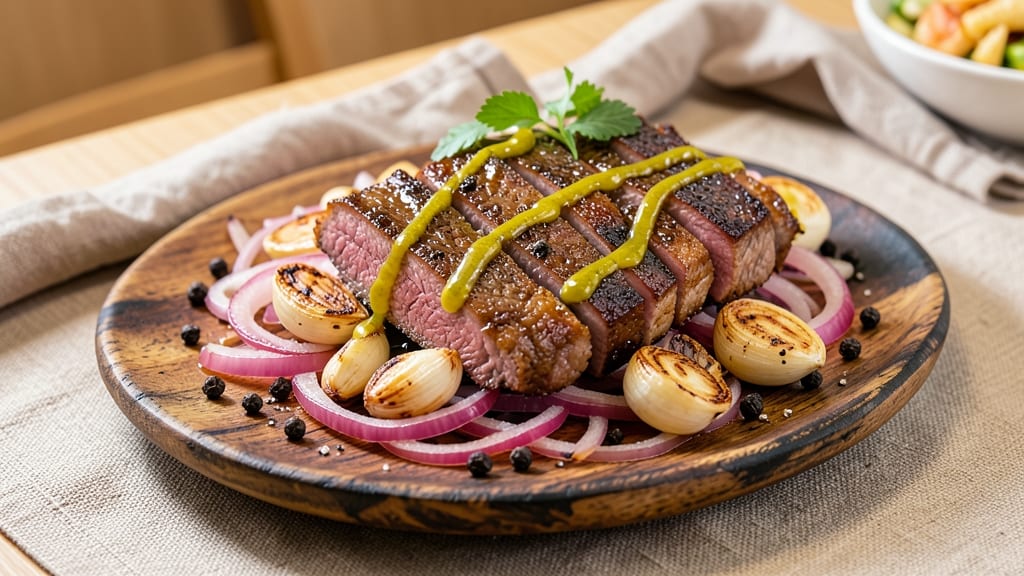
This beef barg recipe delivers the rich, caramelized depth of slow-braised Filipino steak that melts in your mouth. 🔥 The secret lies in marinating thinly sliced beef with garlic, soy sauce, and calamansi for hours—transforming tough cuts into tender, flavorful bites.
What sets this dish apart is the caramelized onions that add sweetness and texture, creating a sauce that clings perfectly to every piece.
The process begins with marinating the beef overnight, ensuring maximum flavor absorption. After a quick sear in a hot pan, the beef simmers gently in a mixture of soy sauce, vinegar, and spices until it's fork-tender.
The slow braising develops a deep, savory richness that's hard to resist. This method preserves the beef's natural juices while building layers of umami through the caramelized onions and soy reduction.
By the time you're done, you'll have a dish that's both comforting and impressive—perfect for family meals or special occasions. The tender beef pairs beautifully with steamed rice or atchara (pickled papaya), balancing the richness with tangy contrast.
Whether you're serving it at a gathering or enjoying it as a weeknight dinner, this beef barg delivers restaurant-quality results with minimal effort.
The best part? This recipe offers flexibility—you can grill the beef for a smoky twist or pan-fry it for a quicker version. The marinade and braising technique ensure the beef stays juicy and flavorful, no matter how you cook it.
Let's get started on creating this beloved Filipino classic in your own kitchen.
Ingredients for beef barg
Thinly sliced beef, caramelized onions, and aromatic spices create this Filipino classic.
| Ingredient | Amount | Notes |
|---|---|---|
| Beef Chuck Roast 🥩 | 1 ½ lb | Thinly sliced against grain |
| Yellow Onions 🧅 | 2 large | Sliced thinly for caramelizing |
| Garlic Cloves 🧄 | 8 cloves | Minced for marinade and sauce |
| Calamansi Juice 🍋 | ½ cup | Substitute lime juice if unavailable |
| Soy Sauce 🥄 | ½ cup | Use dark soy for color |
| Cane Vinegar 💧 | ¼ cup | White vinegar works in a pinch |
| Brown Sugar 🍚 | ¼ cup | Light or dark variety |
| Ground Black Pepper 🌶️ | 1 tsp | Freshly ground preferred |
| Bay Leaves 🌿 | 2 whole | Remove before serving |
| Olive Oil 🫒 | 2 tbsp | For searing beef |
| Salt 🧂 | 1 ½ tsp | Kosher or sea salt |
| Whole Black Peppercorns 🌶️ | 10 pieces | Lightly crushed for sauce |
| Cinnamon Sticks 🌿 | 2 pieces | Optional for warmth |
The beef makes all the difference here—chuck roast is ideal for its marbling and tenderness when sliced thin. Look for well-marbled cuts at your local butcher shop or the meat department at Whole Foods. If you can't find chuck, sirloin or flank steak work too, but slice against the grain for best results. For the onions, yellow onions caramelize best—avoid sweet varieties like Vidalia. The calamansi juice is key for that bright Filipino tang, but lime or lemon juice works in a pinch if you're outside the Philippines.
No calamansi? Lime juice plus a pinch of salt mimics the acidity. Short on soy sauce? Coconut aminos or tamari add depth. The brown sugar can be swapped for white sugar or palm sugar, though it won't caramelize as beautifully. For the spices, Penzeys or local spice shops have the freshest ground pepper—it makes a difference. The bay leaves and cinnamon sticks are optional but add layers of warmth. If you're feeling adventurous, add a pinch of annatto for that classic Filipino color, though it's not traditional for beef barg.
This dish tastes even better the next day—plan ahead! Store the braised beef and sauce in an airtight container for up to 5 days in the fridge. The onions can be caramelized ahead and stored separately for 3 days. For leftovers, reheat gently on low heat with a splash of water to prevent drying. Freezes beautifully for 3 months—just thaw overnight in the fridge before reheating. Serve with steamed rice to soak up all that delicious sauce.
Why You'll Love This Recipe
- One-Pan Magic: Honestly, I swear by this recipe because it’s that simple—just sear the beef, toss in chopped onions and garlic, then let the calamansi and soy sauce work their magic in one pot. No flipping, no fussing, no extra dishes.
- Tangy-Savory Balance: That calamansi juice is the star—it cuts through the richness of the beef chuck roast while the soy sauce adds depth. The result? A dish that’s bold but never overpowering, with that perfect crispy edge on the outside.
- Weeknight Workhorse: Between us, this is my go-to when I’m feeding a crowd or meal prepping for the week. The beef stays tender, and the flavors only get better the next day—ideal for packed lunches or lazy Sunday leftovers.
- Budget-Friendly Feast: A beef chuck roast stretches far, and the ingredients? Basic pantry staples. I’ve made this for family gatherings, potlucks, and even my own solo dinners—always without breaking the bank or spending hours in the kitchen.
Step-by-step instructions for slow-braised spiced steak
Here's how to transform tough beef into melt-in-your-mouth barg with rich caramelized onions.
🍳 Step 1: Sear the Beef to Lock in Flavors
Heat a heavy pot or Dutch oven over medium-high heat until it's smoking hot. Add the 2 tbsp olive oil and swirl to coat the bottom. Working in batches if needed, add the 1.5 lb beef chuck roast sliced against the grain, laying the pieces flat in the pan.
Let the beef sear undisturbed for 3-4 minutes per side until deeply browned and crispy. This initial sear creates the Maillard reaction that builds rich flavor. If the pan gets too crowded, work in batches to avoid steaming instead of searing. Transfer the browned beef to a plate and set aside.
👨🍳 Step 2: Caramelize the Onions for Sweet Depth
In the same pot, add the 2 large yellow onions sliced thinly. Cook over medium heat for 10-12 minutes without stirring, allowing the onions to develop a deep golden color. After that initial period, stir occasionally and continue cooking for another 10 minutes until they're richly caramelized and slightly crispy at the edges.
Here's the thing—caramelization takes patience. If you rush this step, the onions will turn bitter instead of sweet. You'll know they're ready when the onions are deep golden brown and smell intensely sweet. Remove them from the pot and set aside, leaving all that beautiful caramelized fond in the pan.
🍳 Step 3: Build the Flavorful Braising Liquid
Return the pot to medium heat and add the 8 cloves minced garlic, cooking for 30 seconds until fragrant. Be careful not to burn the garlic—it should smell sweet and nutty, not bitter. Add the 10 pieces lightly crushed whole black peppercorns and 2 pieces cinnamon sticks, stirring for 10 seconds to toast slightly.
Deglaze the pot with the 0.5 cup calamansi juice (or lime juice), scraping up all those browned bits from the bottom. This is where the magic happens—those fond particles are packed with flavor. Add the 0.5 cup soy sauce, 0.25 cup cane vinegar, and 0.25 cup brown sugar, stirring to combine. The mixture should look glossy and aromatic.
🥘 Step 4: Braise Until Tender and Saucy
Return the beef to the pot and add enough water to just barely cover the meat—about 1 cup. Add the 2 whole bay leaves and bring to a gentle simmer. The liquid should barely bubble at the edges. Cover the pot and transfer to a 325°F oven for 2-2.5 hours, until the beef is fork-tender and the sauce has thickened into a glossy consistency.
I check for doneness by inserting a fork into the thickest piece of beef—it should slide in easily with no resistance. If the sauce reduces too quickly, add a splash of water or broth. The beef should be swimming in that rich, caramelized sauce by the end. Real talk: this is the moment that matters—patience pays off with incredibly tender, flavorful beef.
🔪 Step 5: Finish and Serve with Caramelized Onions
Remove the beef from the pot and transfer it to a serving platter. Discard the bay leaves and cinnamon sticks. Return the sauce to the pot and simmer uncovered over medium heat for 5-7 minutes to thicken slightly. Taste and adjust seasoning with the 1.5 tsp salt and 1 tsp ground black pepper as needed.
Slice the beef against the grain into ¼-inch thick pieces and arrange on plates. Spoon the rich braising sauce over the beef and top with the caramelized onions. The contrast of tender beef, sweet onions, and tangy sauce makes every bite unforgettable. Serve immediately with steamed rice to soak up all that delicious sauce.
Pro Tips For Making Beef Barg
- SEAR THE ONIONS FIRST: I used to toss everything in the pan at once, but searing sliced onions in 2 tablespoons of oil until deep golden—about 8-10 minutes—builds flavor that just simmering can’t match. The caramelized bits stick to the beef later, making every bite richer.
- USE CHUCK ROAST COLD: Pull the beef chuck roast straight from the fridge and let it sit uncovered for 30 minutes before slicing. Cold meat sears better and stays juicier—no one wants dry beef barg, especially after all that simmering.
- CONTROL THE SOY SAUCE: Add soy sauce in two stages: half at the start with the aromatics, and the rest just before serving. Too much too soon makes the dish taste flat; saving some for the end keeps the bright, salty punch sharp.
- MINCE THE GARLIC FINE: I was skeptical until I tried it—grate or finely mince the garlic instead of chopping it. It dissolves evenly into the sauce, giving every spoonful that deep, consistent flavor without bitter chunks. (Yes, it’s extra work, but it’s worth it.)
Pro cooking tips for perfect results
Marinade Mastery
The overnight marinade transforms tough beef into tender, flavorful bites. Use a ziplock bag or glass container for even coating—massage the marinade into the beef to ensure every slice absorbs the calamansi juice and soy sauce.
I like to marinate for at least 8 hours (overnight is ideal) to break down fibers. If short on time, marinate for 4 hours minimum but don’t skip this step—it’s non-negotiable for authentic flavor. 💫
Sear Like a Pro
For perfect searing, use a cast-iron skillet or heavy stainless steel pot—they retain heat better than nonstick. Work in single layers if needed to avoid steaming; crowding the pan steams the beef instead of searing.
Aim for deep golden-brown crusts—this builds the Maillard reaction that creates rich, complex flavors. If your pan isn’t hot enough, the beef will release juices instead of developing that coveted crust. 🔥
Caramelize with Patience
Caramelizing onions is where the magic happens, but it requires low-and-slow heat. Start with medium heat and resist stirring for the first 10-12 minutes—this allows the onions to develop a deep golden color. Stir occasionally after that to prevent burning.
If your onions start to brown too quickly, reduce heat to low. The goal is sweet, jammy onions—not bitter or burnt. This step takes 20-25 minutes total, but every minute is worth it. ✨
Braising Temperature
Braising at 325°F is critical—too high, and the beef will toughen; too low, and it won’t cook through. Use an oven thermometer to confirm accuracy, as home ovens often vary. The beef is done when it slides off the bone easily (or fork-tender).
If the sauce reduces too quickly, add 2-3 tbsp water or beef broth to maintain moisture. The sauce should coat the back of a spoon by the end—this ensures every bite is saucy and flavorful. 🥘
Garnish for Impact
Topping the beef with caramelized onions adds texture and sweetness, but don’t overlook fresh garnishes. A sprinkle of chopped cilantro or green onions brightens the dish, while crushed red pepper flakes add a subtle kick.
For extra flair, drizzle with a soy-vinegar reduction (simmer 2 tbsp soy sauce + 1 tbsp vinegar until syrupy). These finishing touches elevate the dish from homemade to restaurant-worthy. 💛
Leftovers Hack
Beef barg tastes even better the next day—double the batch if you’re feeding a crowd. Store in an airtight container with the sauce and reheat gently on the stovetop with 2 tbsp water to prevent drying.
For a quick fix, slice the beef thinly and serve on steamed rice with a fried egg on top (a Filipino favorite!). The flavors meld beautifully overnight, making it perfect for meal prep. 💡
Nutrition facts
Frequently asked questions
Can I substitute chuck roast with another beef cut?
Yes! While chuck roast is ideal for its marbling, you can use sirloin, flank steak, or even beef short ribs. The key is slicing thinly against the grain—this ensures tenderness. For short ribs, remove the membrane first and slice through the bone. Flank steak works well but needs extra marinating time (12+ hours) due to its leaner texture.
What's the best way to caramelize onions without burning them?
Start with medium-low heat and resist stirring for the first 10 minutes—this lets the onions develop sweetness. Use yellow onions (they caramelize better than red or sweet varieties). If they brown too quickly, reduce heat to low and add 1 tsp water or beef broth to deglaze. Patience is key—20-25 minutes total yields jammy, golden onions.
Can I make beef barg in a slow cooker?
Brown the beef first in a skillet, then transfer it to your slow cooker with the caramelized onions, garlic, and braising liquid. Cook on low for 6-7 hours or high for 3-4 hours until tender. The slow cooker method is hands-off but may require adding 2 tbsp water if the sauce reduces too much. The beef will be just as tender and flavorful!
Why does my beef barg turn out tough instead of tender?
Tough beef usually results from one of three issues: not slicing against the grain (muscle fibers stay intact), overcooking (too high heat or long braising time), or skipping the marinade (acidic ingredients like calamansi break down fibers). Always marinate at least 4 hours, slice thinly, and braise at 325°F—never boil. The beef should be fork-tender, not rubbery.
What are the best sides to serve with beef barg?
Traditional pairings include steamed white rice (to soak up the sauce), atchara (pickled papaya) for tangy contrast, or garlic fried rice. For a heartier meal, add grilled eggplant or sautéed string beans. Filipino-style sinigang (sour soup) or adobo can also complement the rich flavors. Don’t forget a crisp green salad to cut through the richness!