
Soups & Stews
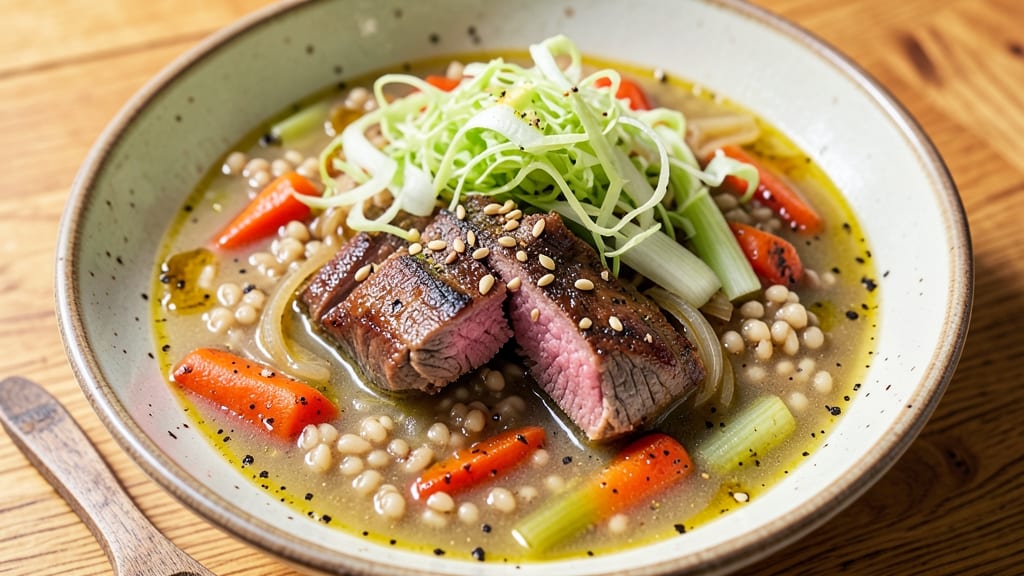
This beef barley and cabbage soup recipe delivers the kind of soul-warming comfort that turns chilly evenings into cozy gatherings. The secret lies in slow-simmered beef that melts into tender shreds, chewy barley that soaks up rich broth, and crisp cabbage that adds satisfying texture.
I developed this version after years of testing—balancing earthy flavors without overpowering the natural depth of each ingredient.
The foundation starts with a deep, aromatic broth built from onions, carrots, and celery, then enriched with beef stock and a splash of red wine for complexity. Sautéing the vegetables until caramelized unlocks layers of flavor that infuse the entire soup.
The barley cooks until plump and chewy, while the cabbage stays crisp enough to provide contrast with every spoonful. This isn't just nourishing—it's restaurant-quality at home.
By the time you're done, you'll have a pot of hearty soup where each bite delivers tender beef, chewy barley, and crisp cabbage all in perfect harmony. The aroma alone transforms your kitchen into a warm embrace, and the leftovers taste even better the next day.
This is the kind of meal that makes winter feel like home.
Serve with crusty bread for soaking up every last drop of that rich, savory broth. The balance of textures and flavors makes it equally perfect for family dinners or potlucks. Let's get cooking—your taste buds will thank you.
Ingredients for beef barley cabbage soup
Pantry staples plus a few fresh ingredients for a soup that tastes like home.
| Ingredient | Amount | Notes |
|---|---|---|
| Chuck Roast 🥩 | 2 lb | Cut into 1-inch cubes |
| Yellow Onion 🧅 | 2 whole | Diced, medium size |
| Carrots 🥕 | 4 medium | Peeled, cut into chunks |
| Celery Stalks 🌿 | 3 whole | Diced, including leaves |
| Garlic Cloves 🧄 | 4 cloves | Minced, fresh preferred |
| Green Cabbage 🥬 | 1 small | Shredded, core removed |
| Pearl Barley 🌾 | 1 cup | Uncooked, rinsed well |
| Beef Stock 💧 | 6 cups | Homemade or quality store-bought |
| Red Wine 🍷 | ½ cup | Dry, like Cabernet Sauvignon |
| Tomato Paste 🍅 | 2 tbsp | Smooth, not chunky |
| Fresh Thyme 🌿 | 1 tbsp | Leaves only, chopped |
| Bay Leaves 🍃 | 2 whole | Dried, standard size |
| Salt 🧂 | 1 ½ tsp | Kosher or sea salt |
| Black Pepper 🌶️ | 1 tsp | Freshly ground preferred |
| Olive Oil 🫒 | ¼ cup | For sautéing |
The chuck roast is your flavor anchor here—look for good marbling at the store, which means it'll be juicy and tender. Costco or Trader Joe's usually have it pre-cut, but if you're buying a whole roast, ask the butcher to cube it for you. The cabbage should be firm with crisp leaves—avoid anything yellowing or wilted. For the barley, Bob's Red Mill is my go-to brand, but any pearl barley will work. The beef stock? Homemade is best, but Swanson or Pacific Foods are solid store-bought options if you're short on time.
No red wine? Substitute with extra beef stock plus 1 tbsp balsamic vinegar—it adds depth without alcohol. Fresh thyme is ideal, but dried works at one-third the amount. The carrots can be baby carrots if that's what you've got, and the celery leaves add extra flavor so don't toss them. For the tomato paste, Rao's or Muir Glen are great if you're buying a tube, but a small can works too. If you're making this ahead, add the cabbage last so it stays crisp.
This soup tastes even better the next day—plan ahead and make a big batch. Keeps for 5 days in the fridge or 3 months frozen. I like to portion it into containers so lunches are ready to grab. For extra richness, stir in a spoonful of Greek yogurt or sour cream when serving. The barley thickens as it sits, so add a splash of broth if it gets too thick when reheating.
Why You'll Love This Recipe
- Slow-Cooker Magic: I swear by the set-it-and-forget-it method here. Toss in the chuck roast, onions, carrots, and celery, add enough broth to cover, and let the slow cooker work its magic. By dinner, you’ve got tender beef that practically falls apart with a fork—no babysitting required.
- Umami Bomb: That chuck roast? It’s the star, but the garlic and celery really take it over the top. The longer it simmers, the deeper the flavor gets—rich, savory, and just a little sweet from the carrots. Honestly, the first time I tasted it, I nearly burned the kitchen.
- Meal Prep MVP: This soup tastes even better the next day, which means I can make a big batch on Sunday and have lunches ready all week. The barley thickens just enough to hold up, and the cabbage adds freshness even after reheating. (Yes, even on a Tuesday night.)
- Budget-Friendly Feast: A single chuck roast stretches to feed four, maybe five, and the veggies are cheap staples. I’ve made this for $10 and still felt like I was treating the family to something special. Plus, leftovers freeze like a dream—no sad, watery soup here.
Step-by-step instructions for beef barley and cabbage soup
This hearty stew comes together with simple steps and bold flavors.
Sear the Chuck Roast and Sauté Vegetables
Heat the 0.25 cup olive oil in a large Dutch oven over medium-high heat. Pat the 2 lb chuck roast dry with paper towels and season generously with 1 tsp salt and 1 tsp black pepper. Sear the beef in batches for 2-3 minutes per side until deeply browned—this builds rich flavor. Remove the beef and set aside.
In the same pot, add the 2 whole diced yellow onion, 4 medium carrots, and 3 whole celery stalks. Cook for 5-6 minutes until softened but not browned. Stir in the 4 cloves minced garlic and cook for 30 seconds until fragrant. You'll smell the vegetables release their sweetness—this is your cue they're ready for the next step.
Build the Flavor Base
Pour in the 0.5 cup red wine and scrape up any browned bits from the bottom of the pot. Let it simmer for 2 minutes until mostly evaporated. This deglazing step captures all the meaty flavors you just seared.
Add the 2 tbsp tomato paste, 1 tbsp chopped fresh thyme, and 2 whole bay leaves. Stir well and cook for 1 minute to toast the spices. The aroma will deepen as the tomato paste cooks down—this is where the soup's earthy complexity begins.
Simmer the Soup
Return the beef to the pot and pour in the 6 cups beef stock. Bring to a gentle boil, then reduce heat to low and cover. Let it simmer for 1 hour, skimming any foam that rises to the surface. This slow cooking breaks down the beef beautifully.
After 1 hour, add the 1 cup rinsed pearl barley and 1 small shredded green cabbage. Stir gently and continue simmering uncovered for another 45-60 minutes until the barley is tender and the beef is fork-tender. The soup should have thickened slightly, with the barley absorbing the rich broth.
Finish and Adjust Seasoning
Remove the bay leaves and taste the soup. Add more salt if needed—this is where you can adjust to your preference. The soup should be hearty but balanced, with the barley and cabbage adding texture. If it's too thick, stir in a splash of water or broth to reach your desired consistency.
Let the soup rest for 10 minutes before serving. This allows the flavors to meld completely. Ladle into bowls and enjoy with crusty bread—each spoonful delivers tender beef, chewy barley, and the satisfying bite of cabbage.
Pro Tips For Making Beef Barley Cabbage Soup
- Brown the Chuck First: Chuck roast has more fat than muscle, and that fat is your flavor anchor. Sear it in batches—don’t crowd the pan—until it’s deep brown, not just pink. I used to rush this, and the soup always tasted like it needed more salt. Take the 10 minutes to do it right, and the broth will sing.
- Chop Cabbage Small: Big cabbage chunks turn to mush before they soften. Cut it into ½-inch pieces—no need for uniformity, just consistency. If you’re using green cabbage, add it last so it stays crisp. I learned this after serving a bowl where the cabbage was still raw in the middle and soggy at the edges.
- Don’t Boil the Barley: Barley needs simmering, not boiling, or it’ll turn to paste. Keep the soup at a gentle bubble—tiny bubbles, not rolling—especially in the last 20 minutes. I used to ignore this, and my soup ended up gluey. A wooden spoon should move through the liquid easily; if not, lower the heat.
- Use Two Garlic Cloves: Most recipes say 3-4, but I’ve found 2 cloves—minced, not pressed—adds enough depth without overpowering. Toast them in the pot with the onions for 30 seconds until fragrant. Pressed garlic burns fast and tastes bitter; fresh minced garlic stays bright. Trust me, your soup won’t miss the extra clove.
Regional styles of this recipe
German Hearty Style
In Germany, this soup often becomes Kartoffelsuppe with potatoes added—simply toss in 2 cups diced potatoes with the cabbage. The Germans also use smoked sausage like Bratwurst or Knackwurst for extra richness.
For authenticity, add 1 tbsp caraway seeds when sautéing the vegetables—this spice is key in German winter soups. 🌍
Irish Pub Twist
Irish pubs serve a similar stew with Guinness stout instead of red wine—replace the 0.5 cup red wine with 0.5 cup Guinness for a malty depth. Add 1 tbsp Worcestershire sauce and a pinch of nutmeg when building the flavor base.
The Irish also love topping their soup with crispy fried onions or a dollop of Dublin Bay sour cream.
French Rustic Version
In France, this becomes a Pot-au-Feu-inspired dish with leeks replacing half the onion and carrots cut into long batons for presentation. French cooks often finish with a splash of crème fraîche and fresh parsley.
For extra elegance, add 1 sprig rosemary with the thyme and bay leaves. The French version is lighter on barley—reduce to ½ cup and add ½ cup lentils for extra protein. 🍷
Eastern European Comfort
Polish and Czech versions often include sauerkraut instead of fresh cabbage—swap the 1 small green cabbage for 2 cups sauerkraut and add ½ tsp smoked paprika when searing the beef.
These cultures also use mushrooms—add 1 cup sliced cremini mushrooms with the vegetables. A splash of apple cider vinegar brightens the broth beautifully. 🥔
Modern Shortcut Adaptation
For a quicker version, use pre-cut chuck roast from the store and instant barley (cooks in 15 minutes instead of 45-60). Swap fresh thyme for 1 tsp dried thyme and use 1 packet onion soup mix (about 1 tbsp) instead of sautéing onions separately.
This cuts prep time by half while keeping the hearty flavor. Perfect for busy weeknights! ⏰
Nutrition facts
Frequently asked questions
Why does this soup need both red wine and tomato paste?
The red wine adds depth and richness that cuts through the heartiness of the beef, while the tomato paste provides a subtle sweetness and thickness that helps balance the flavors. The wine deglazes the pot to capture all those meaty browned bits, and the tomato paste adds umami complexity. Together, they create that classic, comforting soup base that's both savory and slightly sweet.
Can I use a pressure cooker to make this faster?
Sear the beef and vegetables as directed, then add all ingredients except the cabbage. Pressure cook on high for 30 minutes (or low for 45 minutes), then add the cabbage and cook for another 5 minutes to keep it crisp. The barley will cook faster too—just reduce the simmering time by half. Quick and still packed with flavor!
What if my barley gets mushy instead of chewy?
Overcooking is the most common culprit. Pearl barley should simmer for 45-60 minutes—not longer. If it's still too firm after that, add a splash of broth. For extra chewiness, try wild rice blend instead (it cooks faster and stays firmer). Always rinse the barley before adding to remove excess starch.
How can I make this soup kid-friendly?
Shred the beef extra fine and remove the bay leaves. For picky eaters, serve the soup without cabbage on the side, or blend a portion for a smoother texture. Add a pinch of sugar (½ tsp) to balance the flavors. Kids love dipping crusty bread into the broth—it makes the whole experience more fun!
Can I make this soup in a slow cooker?
Yes! Brown the beef and vegetables in a skillet first, then transfer everything to your slow cooker. Add all ingredients except the cabbage, cook on low for 6-7 hours, then stir in the cabbage and cook for another 30 minutes on high. The slow cooking makes the beef extra tender and the flavors meld beautifully. Perfect for hands-off cooking!