
Soups & Stews
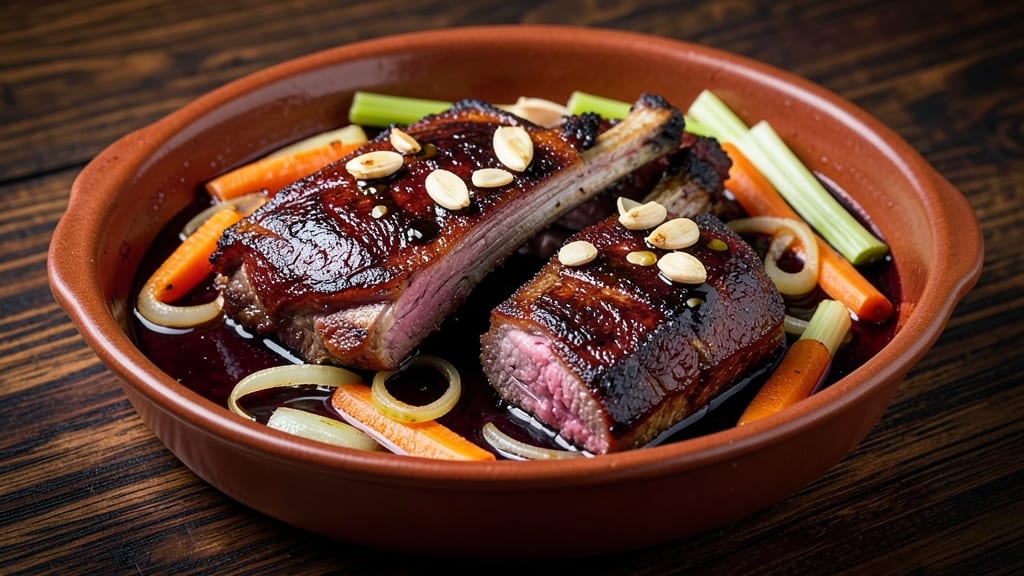
This beef Barolo recipe transforms tough cuts into melt-in-your-mouth perfection through slow braising in rich Barolo wine. The deep, earthy flavors of the wine caramelize into a velvety sauce that clings to tender beef, while aromatic herbs and root vegetables add depth.
What starts as a simple braise becomes a restaurant-worthy dish with layers of complexity—just like the Italian classics you crave.
The secret lies in proper wine reduction and degreasing—skimming fat ensures a silky sauce without compromise. Short ribs or stew meat break down beautifully, absorbing the wine's bold notes while developing a tender, almost buttery texture.
This isn't just a stew; it's a celebration of Italian technique and bold flavors that elevate everyday dinner into something special.
By the final step, you'll have beef that falls apart at the touch of a fork, bathed in a glossy, wine-infused sauce with caramelized onions and herbs. The aroma alone will have everyone at the table anticipating the first bite—rich, savory, and just slightly sweet from the reduced wine.
Serve it over creamy polenta or buttery mashed potatoes to soak up every last drop of that luxurious sauce.
This dish is ideal for impressing guests or treating yourself to a Sunday supper that feels like a gourmet experience. The process might take time, but the result is worth every minute—deep flavor, tender meat, and a sauce that tastes like it simmered for hours (even if it didn't).
Let's get started on creating this Italian masterpiece.
Ingredients for beef barolo
Short ribs, bold wine, and aromatic roots—this is Italian comfort at its finest.
| Ingredient | Amount | Notes |
|---|---|---|
| Beef Short Ribs 🥩 | 2 ½ lb | Bone-in, cut into 2-inch pieces |
| Barolo Wine 🍷 | 2 cups | Dry red, preferably Italian |
| Yellow Onions 🧅 | 2 whole | Peeled, sliced into wedges |
| Carrots 🥕 | 4 whole | Peeled, cut into 2-inch chunks |
| Celery Stalks 🧆 | 4 whole | Trimmed, cut into 2-inch pieces |
| Garlic Cloves 🧄 | 6 cloves | Peeled, smashed |
| Fresh Rosemary 🌿 | ¼ cup | Chopped, stems removed |
| Fresh Thyme 🌿 | ¼ cup | Leaves only, stems removed |
| Tomato Paste 🍅 | 2 tbsp | Smooth, not chunky |
| Beef Broth 💧 | 2 cups | Low-sodium preferred |
| Olive Oil 🫒 | ¼ cup | Extra-virgin for richness |
| Salt 🧂 | 1 ½ tsp | Kosher or sea salt |
| Black Peppercorns 🌶️ | 1 tsp | Freshly cracked |
| Bay Leaves 🍃 | 2 whole | Dried, standard size |
The beef is everything here. Short ribs with bone and connective tissue are ideal—they melt into tenderness while the wine works its magic. Look for cuts with good marbling at Whole Foods or your local butcher shop. If you can't find Barolo, Cabernet Sauvignon or Merlot will do in a pinch, but stick to dry reds. The wine should smell rich and earthy, not overly fruity. For the aromatics, fresh herbs make all the difference—Trader Joe's usually has great bundles of rosemary and thyme. Skip the dried stuff if you can; it's just not the same.
No Barolo? Beef broth with a splash of balsamic vinegar mimics the depth, though it won't be identical. Fresh herbs but no thyme? Dried thyme at half the amount works, but honestly, it's worth grabbing a small bunch. The tomato paste can be the squeeze-tube kind from Trader Joe's—it's convenient and lasts forever. For the carrots and celery, baby versions are fine if that's what you've got, but the flavor's better with the full-size roots. And if you're feeling fancy, add a sprig of fresh sage—it pairs beautifully with Barolo.
This braise tastes even better the next day, so make extra if you can. Store leftovers in an airtight container in the fridge for up to 5 days, or freeze for 3 months. I like to portion it into individual containers so I can reheat just what I need. The sauce thickens as it cools, so a splash of broth or water when reheating keeps it silky. Serve it with crusty bread to soak up every last drop of that luxurious wine sauce—trust me, you'll want seconds.
Why You'll Love This Recipe
- One-Pot Magic: I swear by this recipe when I’m too tired to scrub pots—just brown the ribs, toss in the Barolo, onions, carrots, and celery, then let it slow-cook. The wine does all the work, reducing into a glossy, flavor-packed sauce while I do nothing but stir occasionally.
- Wine-Infused Richness: That deep, earthy Barolo isn’t just for sipping—it transforms tough short ribs into melt-in-your-mouth perfection. The slow simmer breaks down the meat while the wine’s acidity cuts through the fat, leaving you with a sauce that’s ridiculously good on its own.
- Weeknight to Weekend: I make this for lazy Tuesdays (yes, even on a Tuesday night) and double it for Sunday dinners. The leftovers reheat beautifully, and the rich flavor actually improves the next day—proof that good food gets better with time.
- Budget-Friendly Luxury: Short ribs are a splurge, but Barolo stretches them into a meal that feels special without breaking the bank. A single bottle of wine makes the dish taste like a restaurant, and the veggies (onions, carrots, celery) are pantry staples. Fancy dinner, minimal cost.
Step-by-step instructions for beef braised in Barolo wine
Here's how to transform tough short ribs into melt-in-your-mouth perfection using Barolo's bold flavors.
Sear the Short Ribs for Deep Flavor
Pat the 2.5 lb beef short ribs completely dry with paper towels—this ensures a proper sear. Heat 0.25 cup olive oil in a heavy Dutch oven over medium-high heat until shimmering. Working in batches if needed, add the ribs bone-side down and sear for 5-6 minutes until deeply browned on all sides. I press down gently with a spoon to keep them flat against the pan.
Don't rush this step—the Maillard reaction happening here creates that rich, caramelized foundation for your sauce. Once all sides are golden brown, transfer the ribs to a plate and set aside. You'll notice the oil will be quite dark by now—that's exactly what we want for building flavor.
Build the Aromatic Base with Caramelized Vegetables
In the same Dutch oven, add the 2 whole yellow onions, 4 whole carrots, and 4 whole celery stalks (all cut as specified). Cook over medium heat for 10-12 minutes, stirring occasionally, until the vegetables soften and begin to caramelize. This should yield about ½ cup of golden-brown vegetable matter at the bottom of your pot.
Here's where the magic happens: those caramelized bits (fond) will dissolve in the wine later, creating an incredibly rich sauce. When the vegetables are tender, add the 6 cloves garlic cloves and cook for another 30 seconds until fragrant. You'll smell that sweet, nutty aroma—this is your cue to move quickly to the next step.
Deglaze with Barolo Wine and Tomato Paste
Pour in the 2 cups Barolo wine, scraping up all those browned bits from the bottom of the pot with a wooden spoon. Bring to a simmer and cook for 5-6 minutes until the wine reduces by about half, leaving a syrupy consistency. Add the 2 tbsp tomato paste and stir to combine completely.
This reduction step concentrates the wine's flavors and removes some of its acidity, which is crucial for balancing the rich beef. The tomato paste adds depth and helps thicken the sauce later. You'll notice the mixture will darken and thicken slightly as it simmers—this is exactly what we're aiming for.
Braise Until Fork-Tender
Return the seared ribs to the Dutch oven along with the 2 cups beef broth, 0.25 cup fresh rosemary, 0.25 cup fresh thyme, 1.5 tsp salt, 1 tsp black peppercorns, and 2 whole bay leaves. Bring to a gentle simmer, then cover tightly with a lid and transfer to a 325°F oven.
Braise for 2.5 to 3 hours, until the meat is fork-tender and pulls away from the bone with minimal resistance. I check for doneness by inserting a fork—if it slides in easily and the meat fibers separate cleanly, it's ready. The sauce should have thickened to a glossy consistency, coating the ribs beautifully.
Finish and Serve with Perfect Sauce
Remove the ribs from the braising liquid and transfer them to a serving platter. Skim any excess fat from the sauce using a spoon, then return the sauce to the pot. Simmer over medium heat for 5-7 minutes until it reaches your desired thickness—it should coat the back of a spoon.
Taste and adjust seasoning if needed, then spoon the rich Barolo sauce over the ribs. Serve immediately with crusty bread or polenta to soak up every last drop of that luxurious wine-braised goodness. The ribs should be fall-apart tender with a glossy, caramelized exterior, and the sauce should be velvety with deep wine and herb notes.
Pro Tips For Making Beef Barolo
- SEAR THE RIBS HARD: Don’t be gentle—get those short ribs deep brown before deglazing, or your sauce will taste flat. I learned this the hard way after serving a batch where the meat was just "cooked through" instead of caramelized. Use a heavy pan and let them sit undisturbed for 3-4 minutes per side.
- SALT THE BAROLO FIRST: Toss your Barolo with a pinch of kosher salt (about ¼ teaspoon) before adding it to the pot. The wine’s acidity mellows when salted early, and the sauce won’t taste sharp or one-dimensional. (Yes, even if it sounds weird—trust me.)
- DON’T SKIP THE SOAK: If your short ribs are bone-dry from the butcher, give them a 30-minute soak in cold water before searing. It’s not about rehydrating—it’s about preventing a burnt crust that hides flavor. I skip this when I’m lazy, but the dish is noticeably better when I don’t.
- SAVE THE VEGETABLE WATER: After rough-chopping onions, carrots, and celery, reserve the veggie scraps and simmer them in a separate pot with a bouquet garni. Strain the broth later and use it to thin the Barolo reduction—it’s free depth without extra effort. (Your future self will thank you.)
Common mistakes when making this recipe
Overcooking the Beef
One of the biggest mistakes is letting the beef braise too long. While short ribs are forgiving, pushing past 3 hours can turn them mushy instead of tender. I’ve ruined perfectly seared ribs by leaving them in too long—trust the fork test rather than time alone.
The meat should separate easily but still hold its shape. If it’s falling apart completely, you’ve overdone it. 🥩
Skipping the Wine Reduction
Rushing the wine reduction is a surefire way to end up with a thin, watery sauce. The 5-6 minute reduction is crucial—it concentrates the flavors and removes excess acidity. I once skipped this step and ended up with a sauce that tasted more like diluted wine than rich, caramelized goodness.
Take your time here; it’s worth the extra minutes.
Not Degreasing the Sauce
Many home cooks forget to skim fat from the sauce before serving. While some fat adds richness, too much can make the sauce feel greasy. Use a spoon to remove excess fat after braising—aim for a glossy, velvety sauce rather than a greasy one.
I like to let the sauce sit for 5 minutes off the heat before skimming for easier separation.
Using Low-Quality Wine
Barolo is a bold, expensive wine, but you don’t need to splurge on a $200 bottle—just avoid cheap, overly fruity wines. A $15-$25 Barolo (like those from Vietti or G.D. Vajra) will give you the depth you need.
If Barolo isn’t available, a dry Cabernet Sauvignon or Merlot works in a pinch, but the flavor won’t be identical. Never use cooking wine—it’s a dealbreaker.
Ignoring the Aromatics
The caramelized onions, garlic, and herbs are the flavor foundation of this dish. Rushing this step means missing out on deep, complex flavors. Let the vegetables cook until golden brown—about 10-12 minutes—and don’t skip the fresh herbs.
Dried herbs just won’t give the same aromatic punch. I often add an extra sprig of rosemary for good measure.
Serving Without Proper Sides
Beef Barolo is rich and needs a starchy side to balance it. Skipping polenta, mashed potatoes, or crusty bread means missing out on the full experience. The sauce should be served with something to soak it up—otherwise, it’s just a bowl of beef and wine.
I always keep a loaf of ciabatta or sourdough on hand for this dish.
Nutrition facts
Frequently asked questions
Can I substitute Barolo wine with something else?
While Barolo wine gives the dish its signature depth, you can use Cabernet Sauvignon or Merlot in a pinch. For a non-wine option, try beef broth with 2 tablespoons balsamic vinegar—it mimics the acidity and richness. Just avoid cooking wine, as it lacks the depth needed for this recipe. The key is using a dry red wine or bold substitute.
How do I know when the beef is fully tender?
Use the fork test: Insert a fork into the thickest part of the meat. If it slides in easily and the fibers separate cleanly, the beef is ready. The meat should pull away from the bone with minimal resistance but not fall apart completely. Overcooking past 3 hours can turn it mushy, so timing is everything!
Can I make this recipe in a slow cooker?
Yes, but with adjustments! Sear the ribs first, then transfer everything (including the wine) to the slow cooker. Cook on low for 6-7 hours or high for 4-5 hours. The sauce may be thinner, so reduce it on the stovetop afterward. For best results, use a Dutch oven or heavy pot for deeper flavor development.
What’s the best way to reheat leftovers?
Reheat gently in a skillet over low heat with a splash of beef broth to maintain moisture. Avoid microwaving, as it can make the sauce watery. For extra richness, add a pat of butter or a drizzle of olive oil. Leftovers taste even better the next day, so plan ahead—this dish reheats beautifully!
How do I store and freeze this dish?
Store in an airtight container in the fridge for up to 5 days or freeze for 3 months. For freezing, portion into individual containers to reheat as needed. Thaw overnight in the fridge, never at room temperature. The sauce thickens when chilled, so add a splash of broth when reheating for the best texture.